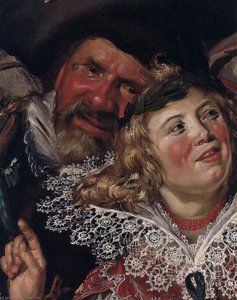
In echtem Maßstab anzeigen
 Versenden als Grußkarte
 Teilen
 Details anzeigen
 Leitfaden öffnen

 Herunterladen
 Ähnliche Objekte
 Röntgenaufnahme
 Diashow
 Besucherstatistiken
Boy with a Lute
 Öl auf Leinwand
- Wandkunst
- Dutch Golden Age
 1625
1625- – Frühe Neuzeit
 72.0 x 59.0 cm
 Metropolitan Museum of Art
 Mehr anzeigen
Giclée / Kunstdruck
Giclée- oder Leinwanddruck in Museumsqualität mit schneller Produktion und flexiblen Veredelungsoptionen. ( Handgemalte Reproduktion kaufen Zum digitalen Bild wechseln)




P118B €10

P118H €10

P118W €10

P438Z €10

P508JH €12

P508YH €12

P805H €10

P805Z €10

P919BZ €10

P919G €10

P919XJ €10

P959ZH €10

P968JZ €12

W106C €8

W218G €10

W218JH €8

W218Y €10

W307PJ €10

W316G €10

W316PJ €8

W316Y €10

W398PJ €8

W4111J €10

W500HY €15

W500JH €15

W692G €12

W849H €8

W940BG €15

W953PJ €8




Wählen Sie aus unseren vordefinierten Formaten, die den ursprünglichen Proportionen des Kunstwerks entsprechen.

Sie können Ihre eigenen Maße eingeben, um ein bestimmtes Format oder einen speziellen Platz einzupassen. Wenn das von Ihnen gewählte Format nicht den Proportionen des Originalbildes entspricht, werden wir das Kunstwerk entweder beschneiden oder das Bild mit einem gespiegelten oder einfarbigen Rand erweitern. Ein digitaler Entwurf wird Ihnen zur Genehmigung zugesandt, bevor die Produktion beginnt.
Bitte beachten Sie, dass die Vorschau auf dem Bildschirm nicht den tatsächlichen Zuschnitt oder die Erweiterung widerspiegelt. Nur der Entwurf zeigt die endgültige Komposition präzise an.
Obwohl Sondermaße verfügbar sind, empfehlen wir die Auswahl eines Maßes aus der vordefinierten Liste, um die ursprünglichen Proportionen zu bewahren.
Weltweiter Versand () innerhalb von 2 Wochen statt der üblichen 4/5 Wochen. (10 Oktober)

Kostenloser weltweiter Expressversand

Hochwertige Leinenleinwand

Vollständiger Versicherungsschutz beim Versand

Zollgebühren-Rückerstattungsgarantie

Garantie für exakte Farbtreue

100-tägiges Rückgaberecht (nur bei Mängeln)

100% Geld-zurück-Garantie

Angebot für Mengenrabatt
 Die Glasoption ist nur für Größen unter 110 cm verfügbar.

Boy with a Lute
Giclée / Kunstdruck
Format der Reproduktion
-


Gesamtpreis
€ 69
A Snapshot of Haarlem’s Artistic Soul: Frans Hals and ‘Boy with a Lute’
Frans Hals I, born in Antwerp around 1580, stands as an undeniable titan amongst Dutch Golden Age painters. Though biographical details remain elusive – his early years shrouded in the mists of time – he swiftly established himself as a visionary artist, forever changing perceptions of portraiture and genre scenes alike. His legacy resides not merely in quantity but in quality; Hals’s canvases possess an unparalleled immediacy and vibrancy that continues to captivate audiences centuries later. This remarkable achievement stems from his revolutionary approach to technique—a deliberate rejection of meticulous detail in favor of loose brushstrokes that capture the very essence of human presence.The Technique of Impressionism Before Its Time
Hals's distinctive style is arguably his most celebrated contribution to art history. Unlike many contemporaries who painstakingly layered paint upon paint, striving for photographic realism, Hals embraced a technique remarkably ahead of its time – what scholars now recognize as proto-impressionistic. He achieved this effect through rapid application of pigment mixed with turpentine and linseed oil, allowing the brushstrokes to blend subtly on the canvas surface. This method prioritized capturing fleeting moments of emotion and atmosphere rather than reproducing an exact likeness. The resulting texture is palpable; one can almost feel the artist’s hand moving across the linen fabric, conveying a dynamism absent in more conventional portraits.A Portrait Steeped in Symbolism: Beyond Mere Representation
‘Boy with a Lute,’ painted in 1625, exemplifies Hals's masterful ability to imbue seemingly simple subjects with profound symbolic resonance. The young man depicted isn’t merely posed before the viewer; he embodies a carefully considered aesthetic ideal – youthful vigor and intellectual contemplation. The lute itself is more than just an instrument; it represents musical artistry and erudition, qualities highly valued during Hals's era. Furthermore, the inclusion of two apples—one positioned prominently at the bottom left corner and another subtly placed near the top right—adds layers of meaning. Apples have long been associated with innocence, beauty, and fertility in European iconography, suggesting a celebration of youthful vitality and potential.Haarlem’s Artistic Landscape: Contextualizing Hals's Vision
Hals’s artistic journey unfolded against the backdrop of Haarlem, a burgeoning center for commerce and art patronage during the Dutch Golden Age. The city’s Guild of St. Luke fostered an environment conducive to innovation and experimentation, attracting artists like Hals who dared to challenge established conventions. Haarlem’s prosperity fueled ambitious commissions—particularly portraits of wealthy merchants and civic leaders—driving artistic creativity and establishing Hals as a leading figure in his time. His work reflects not only individual talent but also the broader cultural values of Haarlem during this period of unprecedented artistic flourishing.Emotional Resonance: Capturing the Soul Within
Perhaps most powerfully, ‘Boy with a Lute’ succeeds in conveying an emotional depth rarely achieved by artists of Hals's generation. The boy’s gaze—direct and unwavering—commands attention, inviting viewers to contemplate his inner thoughts and feelings. Hals expertly captures not just physical appearance but also psychological character, revealing a man absorbed in contemplation and imbued with quiet dignity. This ability to portray emotion authentically is what distinguishes Hals’s portraits from mere likenesses; they resonate with viewers long after the initial encounter, reminding us of the enduring power of art to illuminate the human condition.Fragen & Antworten
Ist "Boy with a Lute" ein berühmtes Kunstwerk der Dutch Golden Age-Epoche?
Innerhalb der Dutch Golden Age-Strömung weist „Boy with a Lute“ ein Ikonisch Bekanntheitsniveau auf.
Welchem Künstler wird "Boy with a Lute" zugeschrieben?
"Boy with a Lute" wurde von Frans Hals I geschaffen. Die Informationen auf dieser Seite beschreiben das Originalwerk von Frans Hals I.
Wie lässt sich "Boy with a Lute" von Frans Hals I in der Inneneinrichtung verwenden?
"Boy with a Lute" von Frans Hals I wird für Akzentuierung empfohlen, idealerweise in einem Wohnbereich. Verwendung und Raumgestaltung geben gemeinsam Aufschluss darüber, wo eine Reproduktion am besten zur Geltung kommt.
Welche Stimmung und welche Emotion vermittelt "Boy with a Lute" von Frans Hals I?
"Boy with a Lute" von Frans Hals I vermittelt ein Reflektierend Gefühl innerhalb einer insgesamt Zeitlos elegant Stimmung.
In welchem Jahr wurde "Boy with a Lute" geschaffen?
"Boy with a Lute" von Frans Hals I entstand im Jahr 1625.
Welche Technik und welche Maße hat "Boy with a Lute" von Frans Hals I?
Das Medium von "Boy with a Lute" von Frans Hals I ist Öl auf Leinwand, und die angegebenen Maße sind 72 x 59 cm.
Wie alt war Frans Hals I, als „Boy with a Lute“ geschaffen wurde?
Frans Hals I war 45 Jahre alt, als Boy with a Lute im Jahr 1625 geschaffen wurde. Das Alter berechnet sich aus dem Geburtsjahr des Künstlers, 1580.
Biografie des Künstlers
Frans Hals I: Ein Leben in Farbe
Frans Hals I war ein niederländischer Maler, der in Antwerpen, Belgien, um 1580 geboren wurde. Obwohl sein frühes Leben bis zu einigen Details unklar ist, stieg er zum wichtigsten Vertreter der holländischen Goldenen Zeit auf und wurde für seine innovativen Porträts und Genreszenen gefeiert.
Frühes Leben und Ausbildung
Die Umstände seines frühen Lebens sind spärlich dokumentiert. Es wird vermutet, dass er in Antwerpen, einem damals bedeutenden Zentrum der Malerei, eine erste künstlerische Ausbildung erhielt. Aufgrund religiöser und politischer Unruhen verlegte seine Familie jedoch nach Haarlem in den Niederlanden. Er trat 1610 dem Zunftzirkel St. Lukas in Haarlem bei und markierte damit den formellen Beginn seiner beruflichen Karriere.
Künstlerischer Stil und Entwicklung
Hals unterschied sich durch einen bemerkenswert frischen und spontanen Stil. Im Gegensatz zu vielen seiner Zeitgenossen, die Wert auf akribische Details legten, setzte er eine lockere und ausdrucksstarke Pinselstrich ein. Diese Technik verlieh seinen Gemälden ein Gefühl von unmittelbarer Präsenz und Lebendigkeit und fing die Persönlichkeit und den Charakter seiner Sujets auf eine Weise ein, die für seine Zeit revolutionär war.
- Seine Porträts waren nicht einfach nur Abbildungen; sie waren psychologische Studien.
- Er brillierte darin, flüchtige Momente – Lachen, Gespräche oder Kontemplation – darzustellen.
- Hals’ Einsatz von Licht und Schatten verlieh seinen Kompositionen Tiefe und Dramatik.
Bekannte Werke
Während Hals eine breite Palette an Werken produzierte, ist er vor allem für seine Porträts bekannt. Zu seinen bekanntesten Gemälden gehören:
- Der Lachende Ritter (1624) – Ein typisches Beispiel für seine Fähigkeit, Charakter und Bewegung einzufangen.
- Malle Babbe (ca. 1633-1635) – Eine eindrucksvolle Darstellung einer alten Frau, die Hals’s Können bei der Darstellung von Alter und Persönlichkeit demonstriert.
- Porträts der Regents der Alten Haus in Haarlem (1664) - Demonstrieren seine Meisterschaft im Gruppenporträt.
Er schuf auch überzeugende Genreszenen – Darstellungen des Alltagslebens – die Einblicke in die niederländische Gesellschaft gewährten.
Einflüsse und Vermächtnis
Es ist schwierig, Hals’s direkten Einflüsse zu bestimmen, da er einen hochindividuellen Stil entwickelt hatte. Es ist jedoch wahrscheinlich, dass er sich mit der Arbeit früherer flämischer Maler wie Pieter Bruegel den Älteren vertraut gemacht hat. Sein innovativer Ansatz für das Porträtieren hatte tiefgreifenden Einfluss auf nachfolgende Generationen von Künstlern.
- Er beeinflusste Künstler wie Adriaen Brouwer und Johannes Vermeer.
- Sein Fokus auf die Erfassung der Persönlichkeit ebnete den Weg für intimere und psychologischere Porträts.
- Spätere Künstler, darunter die Impressionisten, bewunderten seine lockere Pinselstrich und seinen Schwerpunkt auf Licht.
Historische Bedeutung
Frans Hals I spielte eine entscheidende Rolle bei der Gestaltung der niederländischen Malerei während der Goldenen Zeit. Sein Werk spiegelt den wachsenden Wohlstand und die Individualität der Niederlande dieser Zeit wider. Er verzichtete auf starre Formalität zugunsten eines natürlicheren und ausdrucksstärkeren Stils und hinterließ ein bleibendes Vermächtnis für die Kunstwelt.
Heute werden seine Gemälde sehr begehrt und befinden sich in wichtigen Museen weltweit, darunter das Frans Hals Museum in Haarlem, das die größte Sammlung seiner Werke beherbergt. Seine Beiträge inspirieren weiterhin Künstler und fesseln das Publikum seit Jahrhunderten.

Frans Hals I
1580 - 1585 , Belgien
Eckdaten zum Künstler
- Artistic Movement Or Style: Dutch Golden Age
- Artists Or Movements Influenced By This Artist: ['Johannes Vermeer']
- Artists Who Influenced This Artist: ['Pieter Bruegel den Älteren']
- Date Of Birth: c. 1580
- Full Name: Frans Hals I
- Nationality: Niederländisch
- Notable Artworks:
- Der Lachende Ritter
- Malle Babbe
- Porträts der Regents der Alten Haus
- Place Of Birth: Antwerpen, Belgien
Verwandte Artikel

Die 10 Meisterwerke des Goldenen Zeitalters der niederländischen Malerei |
Entdecken Sie die 10 Meisterwerke des Niederländischen Goldenen Zeitalters! Von Rembrandt bis Vermeer – erleben Sie Kunstgeschichte, Techniken & Emotionen. Hochwertige Gemäldereproduktionen für Ihr Zuhause auf .

Frans Hals: Innovation, Intimität und das Porträt der niederländischen Goldenen Ära
Entdecken Sie Frans Hals' revolutionäre Porträtmalerei des Goldenen Zeitalters! Erfahren Sie mehr über seine innovative Technik, die Darstellung bürgerlicher Würde und seinen Einfluss auf nachfolgende Künstler. Jetzt lesen!

Illuminating Innovation: Exploring the Dutch Golden Age of Painting
Explore the Dutch Golden Age of painting with OriginalUniqueArt. Discover Rembrandt, Vermeer & other Masters. Learn about key characteristics, iconic artworks, and lasting influence. Expert insights for collectors & enthusiasts.

Golden Light & Dutch Skies: The Timeless Magic of Dutch Golden Age Landscapes
Discover the breathtaking beauty of Dutch Golden Age landscapes. Explore the mastery of light, chiaroscuro, and 17th-century realism through an expert art history lens, celebrating the enduring legacy of the Dutch Masters for discerning collectors and art lovers.

Golden Age Reflections: Dutch Baroque Painting & Cultural Innovation
Explore the Dutch Golden Age of painting! Discover key artists like Vermeer & ter Borch, their innovative techniques, and the rich cultural context behind these Baroque masterpieces. Learn about collecting & appreciating this iconic art period.