 Vorschau anzeigen
 Versenden
 Teilen
 Details anzeigen

 Herunterladen
 Ähnliche Objekte
 Röntgenaufnahme
 Diashow
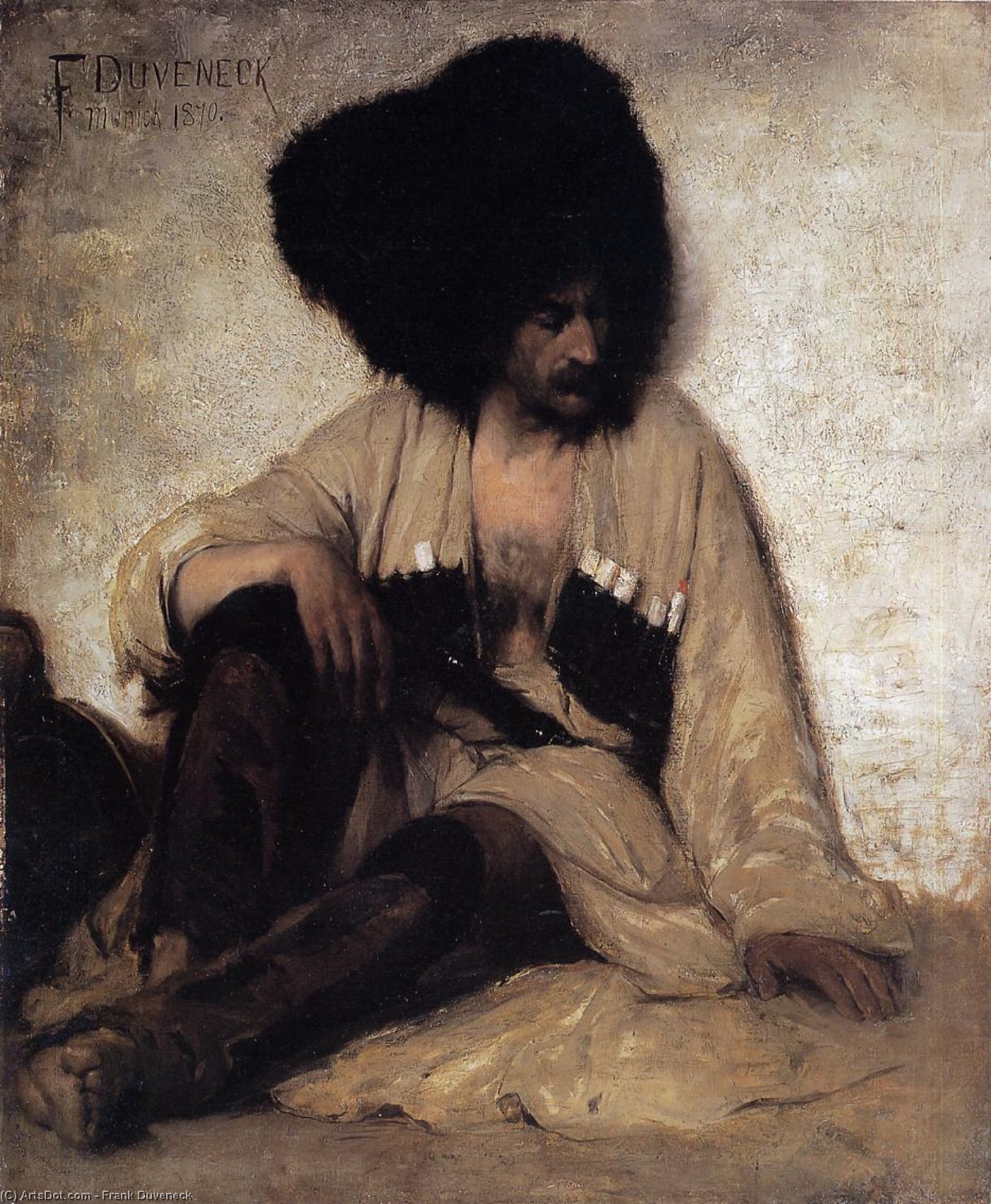
Caucasian Soldier


 Weiterlesen
Giclée / Kunstdruck
Giclée- oder Leinwanddruck in Museumsqualität mit schneller Produktion und flexiblen Veredelungsoptionen. ( Handgemalte Reproduktion bestellen Bild kaufen)




P118B $10

P118H $10

P118W $10

P438Z $10

P508JH $12

P508YH $12

P805H $10

P805Z $10

P919BZ $10

P919G $10

P919XJ $10

P959ZH $10

P968JZ $12

W106C $8

W218G $10

W218JH $8

W218Y $10

W307PJ $10

W316G $10

W316PJ $8

W316Y $10

W398PJ $8

W4111J $10

W500HY $15

W500JH $15

W692G $12

W849H $8

W940BG $15

W953PJ $8




Wählen Sie aus unseren vordefinierten Formaten, die den ursprünglichen Proportionen des Kunstwerks entsprechen.

Sie können Ihre eigenen Maße eingeben, um ein bestimmtes Format oder einen speziellen Platz einzupassen. Wenn das von Ihnen gewählte Format nicht den Proportionen des Originalbildes entspricht, werden wir das Kunstwerk entweder beschneiden oder das Bild mit einem gespiegelten oder einfarbigen Rand erweitern. Ein digitaler Entwurf wird Ihnen zur Genehmigung zugesandt, bevor die Produktion beginnt.
Bitte beachten Sie, dass die Vorschau auf dem Bildschirm nicht den tatsächlichen Zuschnitt oder die Erweiterung widerspiegelt. Nur der Entwurf zeigt die endgültige Komposition präzise an.
Obwohl Sondermaße verfügbar sind, empfehlen wir die Auswahl eines Maßes aus der vordefinierten Liste, um die ursprünglichen Proportionen zu bewahren.
Weltweiter Versand () innerhalb von 2 Wochen statt der üblichen 4/5 Wochen. (21 August)

Kostenloser weltweiter Expressversand

Hochwertige Leinenleinwand

Umfassender Versicherungsschutz beim Versand

Zollgebühren-Rückerstattungsgarantie

Garantie für exakte Farbtreue

60 Tage Rückgaberecht (nur bei Mängeln)

100% Geld-zurück-Garantie

Mengenrabatt verfügbar
 Die Glasoption ist nur für Größen unter 110 cm verfügbar.

Caucasian Soldier
Giclée / Kunstdruck
Format der Reproduktion
-


Gesamtpreis
$ 80
Sammlerstück-Beschreibung
A Soulful Portrait: Frank Duveneck’s “Caucasian Soldier”
Frank Duveneck's "Caucasian Soldier," painted in 1870, is more than just a portrait; it’s a poignant distillation of hardship, resilience, and the quiet dignity of an individual caught within the currents of history. This arresting image, rendered in a style deeply rooted in the academic tradition yet imbued with a strikingly modern sensibility, invites us to contemplate themes of displacement, identity, and the weight of experience. The painting immediately draws the eye to its subject – a man of imposing stature, dominated by a magnificent, almost defiant afro that speaks volumes about his heritage and inner strength. His expression is one of profound melancholy, a subtle sadness that hints at untold stories and burdens carried with quiet grace.
Duveneck’s technique is masterful in its restraint and detail. He employs a realistic approach reminiscent of the 19th-century academic style, characterized by meticulously rendered features and a subdued color palette. Yet, he avoids mere imitation, injecting a palpable sense of immediacy into the scene. The artist's brushstrokes are visible, lending texture to the fabric of his clothing and the contours of his face – a deliberate choice that emphasizes the physicality of the subject and imbues the painting with a tactile quality. Notice how light is used—softly diffused, it casts gentle shadows that sculpt the man’s features, adding depth and volume without resorting to dramatic contrasts. The background, deliberately blurred and indistinct, serves not as a distraction but rather as a framing device, intensifying our focus on the solitary figure at the heart of the composition.
The Context of Conflict: A Soldier's Story
“Caucasian Soldier” emerged during a turbulent period in Russian history – the protracted Caucasian War (1834-1859). This conflict pitted the Russian Empire against various Caucasian peoples, including Chechens, Circassians, and Dagestanis, who fiercely resisted subjugation. The painting captures a moment of quiet contemplation amidst this ongoing struggle, offering a glimpse into the lives of those caught in the crossfire of imperial ambition. The subject himself is likely a soldier – perhaps a Circassian or another ethnic group involved in the conflict – conveying a sense of displacement and vulnerability. It’s important to note that Duveneck's work frequently engaged with themes of marginalization and social injustice, reflecting the realities faced by many individuals during this era.
Further research reveals that Frank Duveneck was deeply affected by his own family history, particularly the death of his father at a young age. This early loss undoubtedly shaped his artistic vision, fostering a sensitivity to human suffering and a desire to capture the complexities of the human condition. The painting’s somber mood and introspective gaze can be interpreted as an echo of this personal experience, lending it a profound emotional resonance.
Symbolism and Emotional Impact
The symbolism within “Caucasian Soldier” is layered and evocative. The man's posture—slumped slightly, his head bowed—suggests weariness, resignation, or perhaps even grief. His afro, a striking feature that defies conventional notions of beauty in the context of the time, can be seen as a symbol of cultural pride, resilience, and resistance against imposed norms. It’s a powerful visual statement asserting identity amidst adversity. The muted color palette—dominated by browns, grays, and ochres—reinforces the painting's mood of melancholy and quiet contemplation.
Ultimately, “Caucasian Soldier” is a deeply moving work that transcends its historical context to speak to universal themes of loss, displacement, and the enduring strength of the human spirit. It’s a testament to Duveneck’s artistic skill and his ability to capture not just likeness but also emotion—a rare and valuable achievement.
A Legacy in Oil: Reproduction & Appreciation
Reproductions of “Caucasian Soldier” offer an accessible way to experience the power and beauty of this remarkable painting. OriginalUniqueArt.com provides high-quality reproductions that faithfully capture Duveneck’s masterful technique and evocative imagery. Consider a custom print on canvas or archival paper – a tangible connection to a pivotal moment in art history and a poignant reflection on the human condition. The original, created with oil paints on canvas, showcases a rich layering of paint, creating texture and depth that is beautifully replicated in modern reproductions.
Explore the full artwork details at http://www.davidrumsey.com/amica/ for a deeper dive into its history, provenance, and artistic significance. Don’t miss the opportunity to own a piece of art that speaks volumes about resilience, identity, and the enduring power of human emotion.
Über den Künstler
Frühes Leben und Ausbildung
Frank Duveneck, geboren als Frank Decker, war ein bedeutender Vertreter der amerikanischen Kunstszene. Er erblickte am 9. Oktober 1848 in Covington, Kentucky, das Licht der Welt. Sein Vater, Bernhard Decker, ein deutscher Einwanderer, verstarb bereits früh, und seine Mutter heiratete später Joseph Duveneck. Diese familiäre Herkunft prägte Duvenecs künstlerische Entwicklung maßgeblich. Schon mit 15 Jahren begann er unter Johann Schmitt, einem lokalen Maler, sein Studium, und wurde anschließend bei einer deutschen Firme für Kirchenausmaler ausgebildet. Diese frühen Erfahrungen legten den Grundstein für seinen späteren Erfolg.Künstlerische Entwicklung und bedeutende Werke
Im Jahr 1869 reiste Duveneck nach München, um an der Königlichen Akademie in München bei Wilhelm von Diez und Wilhelm Leibl zu studieren. Dieser Aufenthalt markierte eine entscheidende Wendung in seinem Stil hin zu einem dunklen, realistischen und direkten Malansatz. Zu seinen bekanntesten Werken zählen:- Lady with Fan (1873), das seine Verbundenheit mit der dunklen Palette und den kraftvollen Pinselstrichen von Frans Hals widerspiegelt.
- The Whistling Boy (1872), ein weiteres Beispiel seines frühen, ausdrucksstarken Stils.
- The Cobbler's Apprentice (1877), Öl auf Leinwand, heute im Taft Museum of Art in Cincinnati, Ohio.
Lehre und Vermächtnis
Im Jahr 1878 eröffnete Duveneck eine Schule in München und später in Polling, Bayern. Seine Schüler, bekannt als die "Duveneck Boys", umfassten John Twachtman, Otto Bacher, Julius Rolshoven und John White Alexander. Nach seiner Rückkehr in Amerika unterrichtete Duveneck an der Art Academy of Cincinnati. Zu seinen bedeutenden Schülern gehörten Ida Holterhoff Holloway, John Christen Johansen, M. Jean McLane, Edward Charles Volkert, Russel Wright, Charles Mills sowie Herman und Bessie Wessel.Späteres Leben und Tod
Frank Duveneck verstarb am 3. Januar 1919 in Covington, Kentucky. Seine Werke sind heute in verschiedenen Museen zu finden, darunter das Metropolitan Museum of Art in New York City, die National Gallery of Art in Washington, D.C., und das Cincinnati Art Museum.Einflüsse und Bedeutung
Duveneck wurde stark von Frans Hals beeinflusst, was sich in seinen losen Pinselstrichen und der Verwendung dunkler Töne zeigt. Er trug maßgeblich zur Entwicklung des amerikanischen Realismus bei und gilt als einer der wichtigsten Vertreter dieser Kunstrichtung. Seine Betonung auf die Darstellung des Alltagslebens mit realistischer Detailgenauigkeit und emotionaler Tiefe machte ihn zu einem bedeutenden Künstler seiner Zeit. Sein Einfluss auf nachfolgende Generationen von Künstlern ist unbestreitbar, insbesondere durch seine Lehrtätigkeit und die zahlreichen Schüler, die er ausbildete.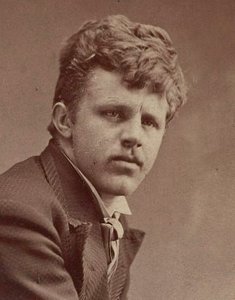
Frank Duveneck
1848 - 1919 , Vereinigte Staaten von Amerika
Kurzinfos
- Beeinflusste Künstler:
- John Twachtman
- Otto Bacher
- Julius Rolshoven
- Bemerkenswerte Werke:
- Lady with Fan (1873)
- The Whistling Boy (1872)
- The Cobbler’s Apprentice (1877)
- Geburtsdatum: 09. Oktober 1848
- Geburtsort: Covington, USA
- Künstlerische Einflüsse:
- Frans Hals
- Wilhelm von Diez
- Gustave Courbet
- Künstlerische Richtung: Amerikaner Realismus
- Nationalität: Amerikanisch
- Todatum: 03. Januar 1919
- Vollständiger Name: Frank Duveneck
Ähnliche Artikel

The Enduring Legacy of Oil on Canvas: Technique, History & Aesthetic Impact
Explore the rich history & techniques of oil painting – from Renaissance masters to Impressionism. Discover pigments, layering methods, and why this timeless medium endures. Expert insights for artists & art enthusiasts.

Öl auf Leinwand: Eine historische und technische Erkundung eines zeitlosen künstlerischen Mediums
Entdecken Sie die faszinierende Welt der Ölmalerei! Von historischen Techniken bis zur modernen Anwendung – wir bieten Expertenwissen, Restaurierungstipps und hochwertige Reproduktionen. Jetzt informieren!

The Enduring Power of Painting: A Historical & Contemporary Exploration of Form and Emotion
Explore the rich history & enduring techniques of oil painting with OriginalUniqueArt. Discover masterpieces, learn about art collecting, and find authentic handmade reproductions crafted by skilled artists.
Meisterwerke des 19. Jahrhunderts: Kunst für Ihr Zuhause | OriginalUniqueArt
Entdecken Sie die 10 bedeutendsten Kunstwerke des 19. Jahrhunderts! Von Impressionismus bis Realismus – erleben Sie die Geschichten berühmter Maler und ihre Meisterwerke. Hochwertige Reproduktionen für Ihr Zuhause auf OriginalUniqueArt.com.
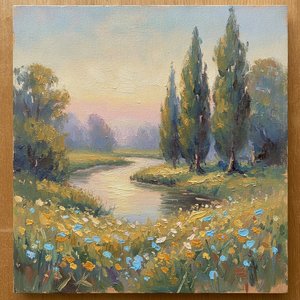
The Timeless Charm of Oil on Board: Reimagining Texture and Light through the Impressionist Lens
Discover the profound intimacy of oil on panel. Explore how Impressionist masters used rigid supports to capture light, texture, and impasto depth through exquisite, handmade oil reproductions for discerning collectors.