

 In echtem Maßstab anzeigen
 Versenden als Grußkarte
 Teilen
 Details anzeigen
 Leitfaden öffnen

 Herunterladen
 Ähnliche Objekte
 Röntgenaufnahme
 Diashow
 Besucherstatistiken
Hunting Picnic
 Oil On Canvas
- WallArt
- Baroque Rococo
 1723
1723 233.0 x 185.0 cm
 Museu de Arte
 Mehr anzeigen
Handgefertigte Ölreproduktion
Handgemaltes Ölgemälde auf Leinwand in Ihrer Wunschgröße und mit Rahmen, auf Bestellung von unseren Künstlern angefertigt. ( Zum Druck wechseln Zum digitalen Bild wechseln)




P118B €10

P118H €10

P118W €10

P438Z €10

P508JH €12

P508YH €12

P805H €10

P805Z €10

P919BZ €10

P919G €10

P919XJ €10

P959ZH €10

P968JZ €12

W106C €8

W218G €10

W218JH €8

W218Y €10

W307PJ €10

W316G €10

W316PJ €8

W316Y €10

W398PJ €8

W4111J €10

W500HY €15

W500JH €15

W692G €12

W849H €8

W940BG €15

W953PJ €8




Wählen Sie aus unseren vordefinierten Formaten, die den ursprünglichen Proportionen des Kunstwerks entsprechen.

Sie können Ihre eigenen Maße eingeben, um einen bestimmten Rahmen oder Platz auszufüllen. Wenn die gewählte Größe nicht den Proportionen des Originalbildes entspricht, werden wir das Kunstwerk entweder beschneiden oder das Gemälde durch zusätzliche, handgemalte Elemente erweitern. Ein digitales Mockup wird Ihnen zur Genehmigung zugesandt, bevor die Produktion beginnt.
Bitte beachten Sie, dass die Bildschirmvorschau nicht die tatsächliche Beschneidung oder Erweiterung widerspiegelt. Nur das Mockup zeigt die endgültige Komposition exakt an.
Obwohl Sondermaße verfügbar sind, empfehlen wir, eine Größe aus der vordefinierten Liste zu wählen, um die ursprünglichen Proportionen beizubehalten.
Nach der Bestellung wird das OriginalUniqueArt.com-Team dem Kunden Anweisungen per E-Mail zusenden und eine Mockup-Vorschau bereitstellen.
Weltweiter Versand () in nur 3 bis 4 Wochen statt der üblichen 5 Wochen. (11 Oktober). Keine Kompromisse bei der Qualität.

Kostenloser weltweiter Expressversand

Hochwertige Leinenleinwand

Vollständiger Versicherungsschutz beim Versand

Zollgebühren-Rückerstattungsgarantie

Garantie für exakte Farbtreue

100-tägiges Rückgaberecht (nur bei Mängeln)

100% Geld-zurück-Garantie

Angebot für Mengenrabatt
 Die Glasoption ist nur für Größen unter 110 cm verfügbar.

Hunting Picnic
Reproduktionsmedium
Format der Reproduktion
-


Gesamtpreis
€ 259
A Moment of Leisure: "Hunting Picnic" by François Lemoyne
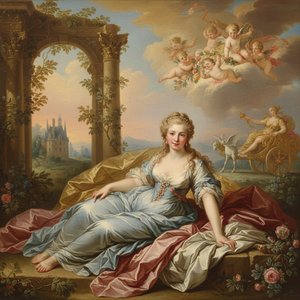
François Lemoyne’s “Hunting Picnic,” painted in 1723, offers a captivating glimpse into the aristocratic leisure activities of 18th-century France – a world where the pursuit of game intertwined seamlessly with refined social gatherings. Measuring an impressive 233 x 185 cm, this oil on canvas work immediately draws the viewer into a scene brimming with vibrant energy and carefully orchestrated detail. The composition centers around a horse-drawn carriage, a symbol of status and mobility, alongside a gentleman in striking red attire – a bold statement against the verdant landscape. This isn’t merely a depiction of hunting; it's an embodiment of Rococo ideals: a celebration of beauty, pleasure, and the cultivated life.
- Subject Matter: The painting portrays a hunting picnic, showcasing a group of individuals enjoying the fruits of their pursuit amidst a picturesque rural setting.
- Key Figures: A prominent gentleman in red dominates the foreground, likely representing the host or a key participant in the hunt, while other figures are scattered throughout the scene, adding to the sense of social interaction and activity.
- Animal Presence: Two horses are prominently featured – one near the center, suggesting the immediate aftermath of the hunt, and another on the right, possibly accompanying the hunters or serving as a companion. A dog is also present, reinforcing the theme of companionship and skill.
Rococo Grandeur and Lemoyne’s Vision
François Lemoyne was a pivotal figure in the revival of large-scale allegorical painting during the Rococo period. Influenced by the legacy of Charles Le Brun, he sought to recapture the grandeur and intellectual depth of classical art while embracing the distinctive characteristics of the Rococo style – characterized by its emphasis on elegance, frivolity, and emotional expression. “Hunting Picnic” exemplifies this ambition; it’s not simply a charming pastoral scene but a carefully constructed tableau designed to evoke feelings of pleasure, sophistication, and aristocratic privilege. Lemoyne's meticulous attention to detail, evident in the rendering of fabrics, textures, and facial expressions, demonstrates his mastery of technique and his commitment to creating works that were both visually stunning and intellectually stimulating.
Historical Context: The painting reflects the tastes of the French aristocracy during the reign of Louis XV, a period marked by lavish spending, elaborate social rituals, and a passion for outdoor pursuits. Hunting was not just a sport but a symbol of status and power, and picnics offered an opportunity to display wealth and cultivate relationships.Technique and Artistic Style
Lemoyne’s brushwork is remarkably fluid and expressive, contributing significantly to the painting's lively atmosphere. He employs a technique known as *alla prima*, meaning “at first sight,” which involves applying paint directly to the canvas in relatively thin layers, allowing for quick changes of tone and texture. This approach results in a sense of immediacy and spontaneity that captures the dynamism of the scene. The use of color is particularly noteworthy – rich greens, blues, and reds create a vibrant palette that enhances the painting’s visual impact. The artist's skillful handling of light and shadow further adds to the depth and realism of the composition.
Symbolism and Emotional Impact
"Hunting Picnic" transcends a simple depiction of leisure; it is laden with symbolic meaning. The red clothing worn by the central figure, for example, could represent passion, courage, or even royalty. The horses symbolize strength and nobility, while the overall scene evokes a sense of harmony between humanity and nature. The painting’s emotional impact lies in its ability to transport the viewer to another time and place – a world of refined pleasure, social connection, and the beauty of the French countryside. This artwork is a testament to Lemoyne's artistic skill and his understanding of the cultural values of his era.
Fragen & Antworten
Wer ist der Künstler hinter "Hunting Picnic"?
"Hunting Picnic" wurde von François Lemoyne geschaffen. Die Informationen auf dieser Seite beschreiben das Originalwerk von François Lemoyne.
Welche Stellung nimmt „Hunting Picnic“ unter den wiederkehrenden Motiven von François Lemoyne ein?
Unter den dokumentierten Themen von François Lemoyne – le brun influence, rococo leisure themes, courtly aristocratic scene, lemoyne’s allegorical style, significant early work – legt „Hunting Picnic“ einen ganz eigenen Fokus auf hunting picnic, rococo painting, french art, lemoyne artwork, 18th century scene, horse drawn carriage, elegant gathering.
Welche Maße hat das Originalwerk "Hunting Picnic"?
Das Originalwerk "Hunting Picnic" von François Lemoyne hat die Maße 233 x 185 cm.
Wie alt war François Lemoyne, als „Hunting Picnic“ im Jahr 1723 geschaffen wurde?
François Lemoyne schuf „Hunting Picnic“ im Alter von 35. Der Künstler wurde 1688 geboren, und das Werk datiert auf 1723.
Welche Atmosphäre würde eine Reproduktion von "Hunting Picnic" von François Lemoyne in einen Raum bringen?
Mit seiner Romantic Stimmung wird „Hunting Picnic“ für ein Living Room empfohlen.
Welche Farbidentität weist "Hunting Picnic" von François Lemoyne auf?
Die Farbidentität von "Hunting Picnic" von François Lemoyne: eine Earthy-Palette, dominiert von Rosy Brown (#a5a79d).
Was ist das Entstehungsdatum von "Hunting Picnic" von François Lemoyne?
"Hunting Picnic" stammt aus dem Jahr 1723. Dieses Datum ordnet das Werk in die Schaffensperiode von François Lemoyne sowie in dessen Epoche ein.
Biografie des Künstlers
François Lemoyne: Ein Leben im Rokoko
- Geboren: Paris, Frankreich (1688)
- Gestorben: 4. Juni 1737
François Lemoyne war ein bedeutender französischer Rokokomaler des frühen bis mittleren 18. Jahrhunderts. Er ist bekannt für seine großartigen allegorischen Deckenfresken und mythologischen Szenen und leistete damit einen wesentlichen Beitrag zur künstlerischen Landschaft unter der Herrschaft von Ludwig XV. Obwohl er oft im Schatten seiner Zeitgenossen wie Boucher und Watteau stand, bemühte sich Lemoyne, sich als Erbe Charles Le Bruns zu etablieren, einer führenden Figur in der französischen Kunstgeschichte.
Frühes Leben und Ausbildung
- Ausbildung: Lemoyne studierte zunächst bei seinem Stiefvater Robert le Vrac.
- Académie Royale: Er absolvierte von 1701 an eine formelle Ausbildung an der Académie Royale de peinture et de sculpture, wo er bei Louis Galloche und später unter der Leitung von Pierre-Jacques Cazes studierte. Der Einfluss von Cazes ist besonders in Lemoynes Farbgebung zu bemerken.
- Prix de Rome: 1711 erreichte er einen bedeutenden Meilenstein, indem er den Prix de Rome gewann, eine Auszeichnung, die typischerweise eine Reise nach Italien für künstlerische Studien gewährte. Aufgrund finanzieller Einschränkungen konnte er diese Gelegenheit jedoch nicht sofort nutzen.
Künstlerische Entwicklung und Einflüsse
- Italienischer Einfluss: Lemoynes spätere Reise nach Italien im Jahr 1723/24, begleitet von François Berger, erwies sich als entscheidend. Er studierte die Werke von Raphael, Correggio und Tizian und absorbierte italienische künstlerische Techniken und Ästhetik.
- Rubens' Einfluss: Ein starker Einfluss auf Lemoyne war das Werk von Peter Paul Rubens, insbesondere in seiner lebhaften Farbgebung und dynamischen Kompositionen deutlich erkennbar.
- Venetianische Schule: Die Auseinandersetzung mit der venezianischen Malerei, insbesondere innerhalb der Sammlung von Pierre Crozat, prägte seine künstlerische Stilrichtung weiter.
- Rokoko-Stil: Obwohl er von früheren Meistern beeinflusst war, gehörte Lemoynes Werk fest zur Rokoko-Periode, die durch Eleganz, Ornamentik und einen Fokus auf dekorative Schönheit gekennzeichnet ist.
Wichtige Werke und Errungenschaften
- Deckenfresken: Lemoyne ist am besten bekannt für seine monumentalen Deckenfresken, insbesondere L'Apothéose d'Hercule (Die Apotheose des Herkules) im Salon d’Hercule im Schloss Versailles. Diese Arbeit demonstrierte seine Meisterschaft in illusionistischen Techniken und wurde von Zeitgenossen wie Voltaire und Kardinal Fleury hoch gelobt.
- Religiöse Gemälde: Er schuf auch bedeutende religiöse Werke, wie Die Verklärung im Chor der Jacobin Kirche (heute Parish Church of St. Thomas d’Aquin) in Paris.
- Premier peintre du Roi: 1736 erreichte Lemoyne den Höhepunkt seiner Karriere, indem er zum Premier peintre du roi (Erster Maler des Königs) unter Ludwig XV ernannt wurde.
Historische Bedeutung und Vermächtnis
François Lemoyne spielte eine entscheidende Rolle bei der Gestaltung der französischen Rokoko-Malerei. Sein Ziel war es, die Tradition großformatiger allegorischer Deckenfresken wiederzubeleben, die aus dem Mode gekommen waren. Obwohl seine Karriere durch seinen Selbstmord im Jahr 1737 tragisch beendet wurde, hinterließ sein Werk einen bleibenden Eindruck auf nachfolgende Generationen von Künstlern.
- Einfluss auf Schüler: Lemoyne unterrichtete bedeutende Künstler wie Charles-Joseph Natoire und François Boucher und vermittelte so sein künstlerisches Wissen und beeinflusste ihre Entwicklung.
- Niedergang der Deckenmalerei: Sein Tod markierte das Ende einer Ära, die mit dem Rückgang der Beliebtheit großer allegorischer Deckenfresken zusammenfiel.
- Anerkennung heute: Obwohl er vielleicht nicht so bekannt ist wie einige seiner Zeitgenossen, werden Lemoynes Beiträge zur französischen Rokoko-Kunst zunehmend für seine technische Fertigkeit und künstlerische Ambition geschätzt.

François Lemoyne
1688 - 1737 , Frankreich
Eckdaten zum Künstler
- Beeinflusste Künstler:
- Charles Le Brun
- Peter Paul Rubens
- Bemerkenswerte Werke:
- L'Apothéose d'Hercule
- Die Verklärung
- Geburtsdatum: 1688
- Geburtsort: Paris, Frankreich
- Künstlerische Richtung: Rokoko-Malerei
- Nationalität: Französisch
- Todatum: 1737
- Vollständiger Name: François Lemoyne
- Von Künstlern Beeinflusst:
- François Boucher
- Charles-Joseph Natoire
Verwandte Artikel

Rococo Meisterwerke: Die Top 10, die eine Epoche prägten |
Entdecken Sie die Top 10 Rokoko Meisterwerke von Watteau, Boucher & Fragonard! Erfahren Sie die Geschichten hinter diesen ikonischen Gemälden und lassen Sie sich für Ihre Inneneinrichtung inspirieren. Hochwertige Kunstdrucke auf .
François Boucher: Rokoko-Meister von Mythos, Sinnlichkeit und dem französischen Hofleben
Entdecken Sie François Boucher, den Meister des Rokoko! Erfahren Sie mehr über sein Leben, seine sinnlichen Gemälde und seinen Einfluss auf die französische Hofkunst. Jetzt lesen!

The Enduring Legacy of Fine Art Prints: Technique, History & Aesthetic Impact
Explore the rich history & techniques of fine art prints. Discover investment potential, assess authenticity, and learn how to preserve your collection with expert guidance. Trusted insights for discerning collectors.

The Rococo Aesthetic: Opulence, Rebellion & the Pursuit of Pleasure in 18th-Century Art
Explore the opulent world of Rococo art! Discover its origins, key artists like Watteau & Boucher, and lasting influence on design. Expert insights for collectors & enthusiasts.

Giclée Prints: Archival Quality & Aesthetic Nuances for the Discerning Collector
Explore the world of giclée prints with OriginalUniqueArt. Learn about archival quality, aesthetic nuances & investment potential. Expert guidance for discerning art collectors seeking museum-quality reproductions and lasting value.

