
 Versenden
 Teilen
 Details anzeigen

 Herunterladen
 Ähnliche Objekte
 Diashow
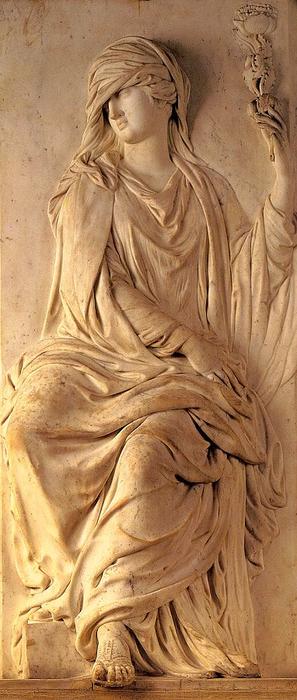
Allegorical Figure


 Weiterlesen
Handgefertigte Ölreproduktion
Handgemaltes Ölgemälde auf Leinwand in Ihrer Wunschgröße und mit Rahmen, auf Bestellung von unseren Künstlern angefertigt. ( Druck bestellen Bild kaufen)




































Wählen Sie aus unseren vordefinierten Formaten, die den ursprünglichen Proportionen des Kunstwerks entsprechen.

Sie können Ihre eigenen Maße eingeben, um einen bestimmten Rahmen oder Platz auszufüllen. Wenn die gewählte Größe nicht den Proportionen des Originalbildes entspricht, werden wir das Kunstwerk entweder beschneiden oder das Gemälde durch zusätzliche, handgemalte Elemente erweitern. Ein digitales Mockup wird Ihnen zur Genehmigung zugesandt, bevor die Produktion beginnt.
Bitte beachten Sie, dass die Bildschirmvorschau nicht die tatsächliche Beschneidung oder Erweiterung widerspiegelt. Nur das Mockup zeigt die endgültige Komposition exakt an.
Obwohl Sondermaße verfügbar sind, empfehlen wir, eine Größe aus der vordefinierten Liste zu wählen, um die ursprünglichen Proportionen beizubehalten.
Nach der Bestellung wird das OriginalUniqueArt.com-Team dem Kunden Anweisungen per E-Mail zusenden und eine Mockup-Vorschau bereitstellen.
Weltweiter Versand () in nur 3 bis 4 Wochen statt der üblichen 5 Wochen. (19 August). Keine Kompromisse bei der Qualität.

Kostenloser weltweiter Expressversand

Hochwertige Leinenleinwand

Umfassender Versicherungsschutz beim Versand

Zollgebühren-Rückerstattungsgarantie

Garantie für exakte Farbtreue

60 Tage Rückgaberecht (nur bei Mängeln)

100% Geld-zurück-Garantie

Mengenrabatt verfügbar
 Die Glasoption ist nur für Größen unter 110 cm verfügbar.

Allegorical Figure
Art der Reproduktion
Format der Reproduktion
-


Gesamtpreis
$ 300
Beschreibung des Kunstwerks
A Portrait of Majesty: François Girardon’s Allegorical Figure
François Girardon's "Allegorical Figure," crafted in 1672, stands as a testament to the artistic flourishing of late Baroque France and the meticulous craftsmanship that defined the reign of Louis XIV. More than simply a sculpture, it is a carefully constructed embodiment of virtue and power—a visual meditation on wisdom, justice, and the enduring legacy of classical ideals. The piece, currently housed within the Metropolitan Museum of Art, offers a captivating glimpse into the artistic sensibilities of its time, revealing both the grandeur of royal patronage and Girardon’s profound understanding of form and symbolism.
The sculpture itself is rendered in rich, warm marble—a choice that immediately evokes a sense of timelessness and solidity. Girardon masterfully employs subtractive carving, meticulously removing material to reveal the underlying structure and create an astonishingly lifelike quality within the stone. The figure, seated with an air of serene authority, is draped in flowing robes that cascade around her form, creating a dynamic interplay between movement and stillness. Her gaze is direct and contemplative, inviting the viewer into a silent dialogue—a hallmark of classical portraiture seeking to capture not just appearance but also inner character.
The Language of Virtue: Symbolism and Interpretation
Beyond its technical brilliance, “Allegorical Figure” is deeply imbued with symbolic meaning. The draped garments are not merely decorative; they represent the virtues traditionally associated with female figures in art—wisdom, justice, and piety. Crucially, the object held delicately within her hands – a stylized crown-like symbol – speaks to authority and power, subtly suggesting the role of leadership and governance. While often interpreted as representing Justice, the overall composition leans towards an embodiment of Wisdom, reflecting the importance placed on intellectual pursuits during Louis XIV’s era. The subtle inclusion of elements like the poppy (a symbol of sleep) within her left hand adds a layer of complexity, hinting at the cyclical nature of life and the pursuit of virtue amidst earthly concerns.
The sculpture's origins are rooted in the funerary monument commissioned for Anne-Marie de Bourbon, princesse de Conti. This context is vital to understanding the work’s intended purpose: to honor a deceased noblewoman through an allegorical representation of her virtues. The original design included further symbolic elements – an anchor representing hope and a flaming heart signifying charity – demonstrating Girardon's ability to seamlessly integrate complex iconography into a cohesive whole.
A Legacy of Royal Patronage
François Girardon’s career was inextricably linked with the ambitions of Louis XIV, and “Allegorical Figure” exemplifies this relationship. The King’s court demanded an artistic style that blended classical ideals with Baroque exuberance—a synthesis that Girardon expertly achieved. His work served as a powerful visual statement of royal authority and cultural refinement, reflecting the grandeur of Versailles and the power of the French monarchy. The sculpture's journey through history – from its initial placement in the church of Saint-André-des-Arts to its relocation to the Metropolitan Museum—testifies to its enduring artistic merit and its significance within the broader narrative of French art.
Today, “Allegorical Figure” continues to captivate viewers with its exquisite detail, profound symbolism, and timeless beauty. It stands as a remarkable achievement in sculptural artistry—a poignant reminder of the power of art to communicate complex ideas and evoke enduring emotions. Reproductions offer an accessible way to experience this masterpiece, bringing its serene majesty into homes and spaces where it can inspire contemplation and appreciation for the legacy of François Girardon.
Über den Künstler
François Girardon: Sculptor of Royal Grandeur
François Girardon (1628 – 1715) stands as a pivotal figure in French Baroque and Neoclassical sculpture, embodying the artistic spirit of his era and leaving an indelible mark on Versailles’s architectural splendor. Born in Troyes, France, he began his artistic journey under the tutelage of Baudesson, a joiner and woodcarver who instilled in him foundational skills—a craftsmanship that would inform his later monumental endeavors. His early exposure to the Château de Liebault, where chancellor Séguier championed his talent, foreshadowed a trajectory toward Parisian artistic circles and the mentorship of François Anguier, establishing him firmly within the influential milieu of the time.- Early Training & Influence: Baudesson’s workshop provided Girardon with invaluable experience in woodworking and carving techniques—skills he would later utilize to create breathtaking sculptures that captured the grandeur of royal patronage.
- Rome & Artistic Transformation: Encouraged by Séguier, Girardon traveled to Rome in 1652, immersing himself in the artistic fervor of the Baroque period. This formative experience profoundly impacted his stylistic sensibilities, exposing him to Mannerist influences and fostering a fascination with dramatic composition.
- Collaboration with Le Brun: Upon returning to France, Girardon entered into an uneasy alliance with Charles Le Brun, the court painter—a partnership marked by both creative synergy and professional rivalry. Le Brun’s designs dictated much of Girardon's output, resulting in sculptures that skillfully conveyed Le Brun’s distinctive aesthetic—characterized by monumental scale and expressive dynamism.
Versailles & The Patronage of Louis XIV
Girardon ascended to prominence during Louis XIV’s reign, becoming the foremost sculptor tasked with embellishing Versailles – a project that cemented his reputation as the architect of royal magnificence. His commissions included colossal figures for the Baths d'Apollon and numerous decorative sculptures adorning the château’s interiors—works that exemplify the Baroque ideal of grandeur and theatrical spectacle. Notably, Louis XIV personally bestowed upon him a substantial sum of money in recognition of his contribution to the baths project – a testament to the king’s admiration for Girardon’s artistic prowess.- The Baths d'Apollon: Girardon’s sculptures for the Baths d'Apollon are considered masterpieces of Baroque sculpture, showcasing Le Brun’s influence and capturing the essence of mythological narrative with breathtaking realism.

François Girardon
1628 - 1715 , Frankreich
Kurzinfos
- Artistic Movement Or Style: Barock und Neoklassik
- Artists Or Movements Influenced By This Artist: ['Charles Le Brun']
- Artists Who Influenced This Artist: ['François Anguier']
- Date Of Birth: 1628
- Date Of Death: 1715
- Full Name: François Girardon
- Nationality: Französisch
- Notable Artworks:
- Monument von Richelieu (13)
- Allegorische Figur
- Monument von Richelieu (10)
- Place Of Birth: Troyes, Frankreich
Ähnliche Artikel

Bronze-Meisterwerke: Die 10 Skulpturen, die Kunstgeschichte schrieben | OriginalUniqueArt
Entdecken Sie die 10 legendärsten Bronze Skulpturen der Kunstgeschichte! Von Michelangelo bis Rodin – erfahren Sie die Geschichten hinter den Meisterwerken und lassen Sie sich von Wanddeko-Ideen inspirieren. Hochwertige Kunstdrucke auf OriginalUniqueArt.com.
Mastering Dimension: An Art Historian's Guide to the Elegance of Sculptural Relief Art
Explore the profound beauty of sculptural relief art. From classical bas-relief to modern geometric textures, discover how depth and light transform spaces through an expert guide on art history and sophisticated curation for discerning collectors.
Charles Le Brun: Master of French Baroque Classicism & His Enduring Legacy
Explore the life & art of Charles Le Brun, master of French Baroque Classicism. Discover his royal commissions, influence on Versailles, and enduring legacy through detailed analysis & stunning artworks.
Simon Vouet: Vom italienischen Barock zum französischen Klassizismus – Eine künstlerische Reise
Entdecken Sie das Leben und Werk von Simon Vouet, dem Pionier des italienischen Barock in Frankreich! Erfahren Sie mehr über seinen künstlerischen Werdegang, seine wichtigsten Gemälde und seinen nachhaltigen Einfluss auf die französische Malerei. Jetzt lesen!

Baroque Classicism: The Grandeur of Order and Drama in 17th-Century Art History
Explore the profound elegance of Baroque Classicism. Discover how 17th-century masters synthesized dramatic emotion with classical order through the lens of the Counter-Reformation and the works of legends like Carlo Maratta and Andrea Sacchi.

