Vorschau anzeigen
 Versenden
 Teilen
 Details anzeigen
 Leitfaden

 Herunterladen
 Ähnliche Objekte
 Röntgenaufnahme
 Diashow
 Fragen & Antworten
 Statistiken
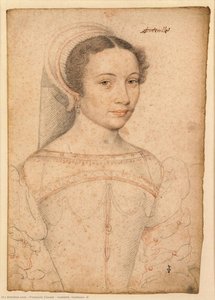
The Love Letter


 Weiterlesen
Giclée / Kunstdruck
Giclée- oder Leinwanddruck in Museumsqualität mit schneller Produktion und flexiblen Veredelungsoptionen. ( Handgemalte Reproduktion bestellen Zum digitalen Bild wechseln)




P118B €10

P118H €10

P118W €10

P438Z €10

P508JH €12

P508YH €12

P805H €10

P805Z €10

P919BZ €10

P919G €10

P919XJ €10

P959ZH €10

P968JZ €12

W106C €8

W218G €10

W218JH €8

W218Y €10

W307PJ €10

W316G €10

W316PJ €8

W316Y €10

W398PJ €8

W4111J €10

W500HY €15

W500JH €15

W692G €12

W849H €8

W940BG €15

W953PJ €8




Wählen Sie aus unseren vordefinierten Formaten, die den ursprünglichen Proportionen des Kunstwerks entsprechen.

Geben Sie die benötigte Breite und Höhe an, damit der Druck perfekt in Ihren Rahmen oder an Ihre Wand passt. Ein Druck kann nur beschnitten, aber niemals größer als das Originalbild angefertigt werden; daher verliert ein Format mit anderen Proportionen einen Teil des Bildes. Wir senden Ihnen ein digitales Mockup zur Freigabe, bevor wir den Druck ausführen. Das auf dieser Seite gezeigte Bild zeigt nicht den tatsächlichen Beschnitt – dies ist nur im Mockup ersichtlich.
Weltweiter Versand () innerhalb von 2 Wochen statt der üblichen 4/5 Wochen. (5 November)

Kostenloser weltweiter Expressversand

Hochwertige Leinenleinwand

Umfassender Versicherungsschutz beim Versand

Zollgebühren-Rückerstattungsgarantie

Garantie für exakte Farbtreue

100 Tage Rückgaberecht (nur bei Mängeln)

100% Geld-zurück-Garantie

Mengenrabatt verfügbar
 Die Glasoption ist nur für Größen unter 110 cm verfügbar.

The Love Letter
Giclée / Kunstdruck
Format der Reproduktion
-


Endpreis
€ 72
A Renaissance Dialogue of Desire and Virtue
In the quiet, shadowed corridors of the French Renaissance, few works capture the delicate tension between public propriety and private longing as poignantly as François Clouet’s "The Love Letter." Executed around 1570, this oil on panel masterpiece serves as a profound window into the psychological complexities of the sixteenth century. The painting does not merely present a scene; it orchestrates a silent drama. At its heart lies a young woman, draped in luxurious, shimmering fabrics that catch the light with a tactile brilliance, embodying a breathtaking synthesis of beauty and vulnerability. She is caught in a pivotal moment of transition, where the written word becomes a bridge between the known world and the hidden depths of the heart.
The composition is masterfully structured in a triangular arrangement, a classical technique that directs the viewer’s gaze upward toward the central figure, ensuring her emotional state remains the focal point. Flanking this ethereal woman are two figures who ground the scene in human experience: an older procuress on the left, whose weathered features suggest a lifetime of shrewd observation and worldly wisdom, and a lover on the right, whose intense, admiring gaze reflects the raw, unbridled passion of youth. This grouping creates a dynamic energy, a triangular dance of characters that explores the intersection of experience, desire, and the societal structures that govern them.
The Artistry of Light and Texture
Clouet’s technical prowess is on full display through his innovative use of chiaroscuro. By employing dramatic light sources that illuminate the central figures while allowing the background to recede into an undefined, dark void, he achieves a palpable sense of three-dimensional volume. This technique, reminiscent of the great masters of the Fontainebleau School, lends the skin tones a luminous quality and gives the heavy folds of the drapery a sculptural weight. For the discerning collector or interior designer, this interplay of light and shadow offers an unparalleled depth that can transform the atmosphere of any room, providing a sophisticated focal point that commands attention through subtlety rather than noise.
Beyond the play of light, the painting is a triumph of meticulous detail. Clouet’s ability to render diverse textures—the crispness of the parchment, the soft sheen of silk, and the intricate patterns of the man's doublet—demonstrates the Flemish naturalism he inherited from his lineage. Every brushstroke serves to heighten the sensory experience of the viewer, making the tactile reality of the scene almost palpable. This level of detail ensures that a high-quality reproduction remains a captivating subject for close study, revealing new nuances of craftsmanship with every glance.
Symbolism and Emotional Resonance
Every element within "The Love Letter" is imbued with symbolic weight. The letter itself, held aloft by the procuress, acts as more than just a prop; it is a conduit for unspoken anxieties and secret hopes. It represents the power of communication to both reveal truth and create tension within the confines of societal expectations. The contrast between the older man’s experience and the younger man’s ardent admiration invites the viewer to contemplate the cyclical nature of human emotion—the movement from the heat of passion to the calculated wisdom of age.
For those seeking to adorn a space with art that speaks to the soul, this work offers an enduring emotional impact. It is a painting of intimacy and intrigue, perfect for creating a sophisticated, contemplative environment. Whether placed in a grand library or a contemporary living space, Clouet’s masterpiece brings with it a sense of historical gravity and a timeless exploration of the human condition, making it an exquisite choice for anyone looking to invest in art that transcends mere decoration to become a true narrative centerpiece.
Fragen & Antworten
Kann "The Love Letter" heruntergeladen werden?
Das Bild von "The Love Letter" von François Clouet kann auf der Download-Seite des Kunstwerks heruntergeladen werden: hochauflösender digitaler Bild-Download.
Was stellt "The Love Letter" dar und welche Atmosphäre vermittelt es?
"The Love Letter" von François Clouet verbindet portraiture, love letter, renaissance, symbolism, courtly romance, male figure, female figure, intimacy mit einer Romantic Atmosphäre.
Für wen eignet sich "The Love Letter" von François Clouet als Geschenk?
"The Love Letter" von François Clouet wird als Geschenk für Valentine's Day empfohlen, insbesondere für Accent. Eine Reproduktion des Kunstwerks eignet sich hervorragend als Präsent.
Künstlerbiografie
François Clouet: Ein Leben in Porträts
- Geboren: Tours, Frankreich (ca. 1510)
- Gestorben: 1572
François Clouet war eine zentrale Figur der französischen Renaissancekunst, bekannt als Miniaturist und Maler, der für seine detaillierten Porträts der französischen Herrscherfamilie gefeiert wurde. Geboren um 1510 in Tours, erbte er ein Erbe von seinem Vater, Jean Clouet, ebenfalls einem bedeutenden Hofmaler. François’ künstlerische Reise spiegelt eine Mischung aus flämischen Einflüssen und italienischen Sensibilitäten wider und trug wesentlich zur Entwicklung der Porträtkunst in Frankreich bei.
Frühes Leben und Künstlerische Ausbildung
François Clouets frühes Leben ist etwas im Dunkeln geblieben, aber es ist offensichtlich, dass er in den Fußstapfen seines Vaters trat. Ein wichtiges Dokument vom Dezember 1541 zeigt, dass François seinen Vater’s Nachlass erbte und seine künstlerische Praxis unter dem vertrauten Spitznamen 'Janet' fortsetzte, ein Beiname, der sowohl von Vater als auch Sohn geteilt wurde, was manchmal zu Verwirrungen bezüglich der Zuschreibung von Werken führte.
- Familienvermögen: Jean Clouet, sein Vater, stammte ursprünglich aus den südlichen Niederlanden und brachte flämische naturalistische Traditionen an den französischen Hof.
- Ausbildung: François erhielt seine anfängliche Ausbildung unter der Anleitung seines Vaters und absorbierte Techniken und stilistische Ansätze, die seine eigene künstlerische Entwicklung prägen würden.
- Frühe Einflüsse: Die familiäre Verbindung zu Leonardo da Vinci durch Jean Clouets Zeit in Amboise setzte François italienischen Renaissance-Idealen und künstlerischen Innovationen aus.
Hauptwerke und Künstlerischer Stil
Clouets Œuvre zeichnet sich durch akribische Detailgenauigkeit, präzises Blattführung und ein raffiniertes Gefühl für Eleganz aus. Seine Porträts fangen nicht nur die Ähnlichkeit seiner Motive ein, sondern auch ihre Persönlichkeiten und ihren sozialen Stand mit bemerkenswerter Genauigkeit.
- Porträts von Franz I.: Mehrere bemerkenswerte Werke stellen Franz I. dar, darunter solche in der Uffizien-Galerie und im Louvre-Museum. Diese Darstellungen veranschaulichen Clouets Fähigkeit, königliche Autorität und Raffinesse zu vermitteln.
- Katharina von Medici: Er malte wahrscheinlich Porträts von Katharina von Medici in Versailles und trug so eine visuelle Aufzeichnung des französischen Hofes während ihrer einflussreichen Herrschaft bei.
- Maria, Königin von Schottland: Eine Kreidezeichnung von Maria, Königin von Schottland, die im Bibliothèque nationale aufbewahrt wird, gilt als eines seiner bemerkenswertesten Werke und zeigt seine Fähigkeit, zarte Gesichtszüge einzufangen und emotionale Tiefe zu vermitteln.
- Weitere bemerkenswerte Porträts: Sein Werk umfasst Porträts von Elisabeth von Österreich (Louvre), Margarete von Frankreich (Chantilly) und Karl IX. (Château de Chantilly).
Clouets Stil ist gekennzeichnet durch:
- Ausgearbeitete Details: Eine akribische Aufmerksamkeit für Details in Kleidung, Schmuck und Gesichtszügen.
- Genaue Zeichnung: Präzise anatomische Darstellung und geschickte Verwendung der Linie zur Definition der Form.
- Exquisite Vollständigkeit: Porträts, die ein Gefühl von Ganzheitlichkeit und Persönlichkeit vermitteln.
Historische Bedeutung und Vermächtnis
François Clouets Beiträge zur französischen Renaissancekunst sind aus mehreren Gründen bedeutsam. Er trug dazu bei, das Porträt als ein prominentes Genre in Frankreich zu etablieren, den Status des Künstlers zu erhöhen und unschätzbare visuelle Aufzeichnungen über den königlichen Hof bereitzustellen.
- Übergang vom Mittelalter zur Renaissance: Clouet schloss die Lücke zwischen traditionellen mittelalterlichen Kunststilen und den aufkommenden Renaissance-Idealen, indem er Naturalismus und humanistische Prinzipien in seine Arbeit einbezog.
- Hofmaler Extraordinaire: Als Hofmaler für mehrere französische Monarchen (Franz I., Heinrich II., Franz II., Karl IX.) dokumentierte er das Leben und Aussehen wichtiger Figuren der französischen Geschichte.
- Einfluss auf nachfolgende Künstler: Sein akribischer Stil und seine Liebe zum Detail beeinflussten spätere Generationen französischer Porträtmaler.
François Clouet starb am 22. Dezember 1572, kurz nach dem Bartholomäusnachtmassaker. Sein Testament gibt Einblicke in sein Privatleben und seinen finanziellen Stand und festigt damit seine Position als bedeutende Figur sowohl in der Kunstgeschichte als auch in der französischen Gesellschaft.
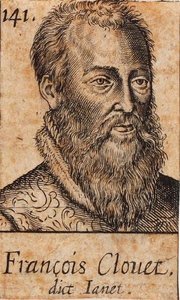
François Clouet
1510 - 1572 , Frankreich
Kurzinfos
- Artistic Movement Or Style: Französische Renaissance
- Artists Who Influenced This Artist: ['Leonardo da Vinci']
- Date Of Birth: 1510
- Date Of Death: 1572
- Full Name: François Clouet
- Nationality: Französisch
- Notable Artworks:
- Porträt Karls IX.
- Elisabeth von Österreich
- Marie, Königin Schottlands
- Place Of Birth: Tours, Frankreich
Ähnliche Artikel

Charles-André van Loo: A Study in Rococo Portraiture & the French Court's Artistic Dynamics
Explore the elegant world of Charles-André van Loo, a master of Rococo portraiture at the French court. Discover his life, techniques, and enduring influence on 18th-century art. Hand-painted reproductions available.
François Boucher: Rokoko-Meister von Mythos, Sinnlichkeit und dem französischen Hofleben
Entdecken Sie François Boucher, den Meister des Rokoko! Erfahren Sie mehr über sein Leben, seine sinnlichen Gemälde und seinen Einfluss auf die französische Hofkunst. Jetzt lesen!
The Enduring Motif of Love in Art History: A Cross-Cultural Exploration of Representation and Emotion
Explore the rich history of love in art! Discover iconic masterpieces, artistic techniques & cultural symbolism from antiquity to modern times. Expert analysis for collectors.

The Enduring Legacy of Formal Portraiture: Power, Identity & Artistic Exploration
Explore the rich history of formal portraiture & its enduring power to capture identity and shape perception. Discover investment-worthy artworks, expert appraisals, and custom reproduction services at OriginalUniqueArt.

François Flameng: Bridging Academic Tradition & Impressionistic Sensibility
Explore the captivating works of François Flameng, a celebrated French painter bridging academic tradition & Impressionistic sensibilities. Discover his portraits, landscapes, and poignant WWI art with insights from OriginalUniqueArt.