

 Vorschau anzeigen
 Versenden
 Teilen
 Details anzeigen

 Herunterladen
 Ähnliche Objekte
 Röntgenaufnahme
 Diashow
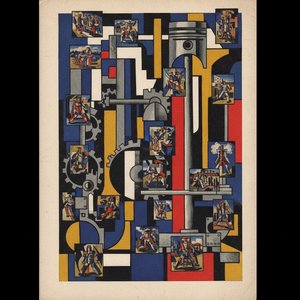
The Child Carburetor


 Weiterlesen
Giclée / Kunstdruck
Giclée- oder Leinwanddruck in Museumsqualität mit schneller Produktion und flexiblen Veredelungsoptionen. ( Handgemalte Reproduktion bestellen Bild kaufen)




P118B $10

P118H $10

P118W $10

P438Z $10

P508JH $12

P508YH $12

P805H $10

P805Z $10

P919BZ $10

P919G $10

P919XJ $10

P959ZH $10

P968JZ $12

W106C $8

W218G $10

W218JH $8

W218Y $10

W307PJ $10

W316G $10

W316PJ $8

W316Y $10

W398PJ $8

W4111J $10

W500HY $15

W500JH $15

W692G $12

W849H $8

W940BG $15

W953PJ $8




Wählen Sie aus unseren vordefinierten Formaten, die den ursprünglichen Proportionen des Kunstwerks entsprechen.

Sie können Ihre eigenen Maße eingeben, um ein bestimmtes Format oder einen speziellen Platz einzupassen. Wenn das von Ihnen gewählte Format nicht den Proportionen des Originalbildes entspricht, werden wir das Kunstwerk entweder beschneiden oder das Bild mit einem gespiegelten oder einfarbigen Rand erweitern. Ein digitaler Entwurf wird Ihnen zur Genehmigung zugesandt, bevor die Produktion beginnt.
Bitte beachten Sie, dass die Vorschau auf dem Bildschirm nicht den tatsächlichen Zuschnitt oder die Erweiterung widerspiegelt. Nur der Entwurf zeigt die endgültige Komposition präzise an.
Obwohl Sondermaße verfügbar sind, empfehlen wir die Auswahl eines Maßes aus der vordefinierten Liste, um die ursprünglichen Proportionen zu bewahren.
Weltweiter Versand () innerhalb von 2 Wochen statt der üblichen 4/5 Wochen. (21 August)

Kostenloser weltweiter Expressversand

Hochwertige Leinenleinwand

Umfassender Versicherungsschutz beim Versand

Zollgebühren-Rückerstattungsgarantie

Garantie für exakte Farbtreue

60 Tage Rückgaberecht (nur bei Mängeln)

100% Geld-zurück-Garantie

Mengenrabatt verfügbar
 Die Glasoption ist nur für Größen unter 110 cm verfügbar.

The Child Carburetor
Giclée / Kunstdruck
Format der Reproduktion
-


Gesamtpreis
$ 80
Sammlerstück-Beschreibung
A Mechanical Reverie: Francis Picabia’s “The Child Carburetor”
Francis Picabia's "The Child Carburetor," painted in 1919, isn’t merely a depiction of a machine part; it’s a meticulously constructed visual poem—a testament to the burgeoning anxieties and exhilarating experimentation of the Dada movement. This striking work, currently residing within the Solomon R. Guggenheim Museum’s collection, immediately commands attention with its intricate assemblage of gears, wheels, springs, and other mechanical components arranged upon a stained plywood base. Yet, beneath this seemingly industrial facade lies a profound exploration of childhood, technology, and the very nature of creation itself.
The painting's style is undeniably rooted in the principles of Cubism, but it transcends simple geometric deconstruction. Picabia employs a deliberately fragmented perspective, presenting multiple viewpoints simultaneously—as if peering into the inner workings of a complex engine or dissecting the anatomy of a child’s imagination. The use of mixed media – incorporating pencil, graphite, crayon, and metallic paints—adds layers of texture and visual interest, mirroring the multifaceted nature of the subject matter. Notice particularly the deliberate application of gold leaf, lending an almost liturgical quality to the mechanical forms, suggesting a reverence for the machine as a new form of sacred object.
Dada’s Disruption: Context and Intent
Created during the tumultuous years following World War I, “The Child Carburetor” is deeply embedded within the context of Dadaism. This anti-art movement arose from a profound disillusionment with traditional values, societal norms, and the perceived failures of Western civilization. Dadaists sought to dismantle established artistic conventions and challenge viewers’ perceptions through shock, absurdity, and intellectual provocation. Picabia, a key figure in the Parisian Dada scene, embraced this spirit wholeheartedly, using his art as a vehicle for social critique and philosophical inquiry.
The title itself is crucial—"The Child Carburetor." It immediately juxtaposes the innocence of childhood with the cold efficiency of machinery. This deliberate pairing reflects Dada’s core concern: to expose the underlying mechanisms that govern our lives, revealing the often-absurd relationship between human experience and technological advancement. The inscription “DÉTRUIRE LE FUTUR” – "Destroy the Future" – further underscores this critical stance, suggesting a rejection of progress as blindly pursued and a call for radical reevaluation.
Symbolism Within the Machine
Beyond its immediate visual impact, “The Child Carburetor” is rich in symbolic meaning. The various mechanical components can be interpreted as representing different aspects of human existence—the gears symbolizing cycles of life and death, the wheels suggesting movement and progress, and the springs embodying potential energy. The clock visible on the right side adds another layer of complexity, referencing time’s relentless march and the anxieties surrounding modernity.
Furthermore, the painting's overall composition evokes a sense of both order and chaos. The meticulously arranged mechanical parts create an illusion of structure, while the fragmented perspective and unconventional use of color introduce an element of instability and uncertainty. This tension reflects the Dadaist desire to expose the inherent contradictions within modern society—the simultaneous promise of progress and the threat of destruction.
A Timeless Reverie
“The Child Carburetor” is more than just a painting; it’s an experience. It invites viewers to contemplate the relationship between humanity, technology, and the passage of time. Its bold aesthetic, intellectual depth, and emotional resonance continue to captivate audiences today, solidifying Picabia's place as one of the most important artists of the 20th century. Whether viewed as a critique of industrialization or a celebration of mechanical ingenuity, this remarkable work remains a powerful reminder of the enduring power of art to challenge our perceptions and provoke profound reflection.
Über den Künstler
Frühes Leben und künstlerische Anfänge
Francis Picabia, ein französischer Avantgarde-Maler, Dichter und Typograf, wurde am 22. Januar 1879 in Paris geboren. Sein Vater, von kubanisch-spanischer Abstammung, war Attaché an der kubanischen Gesandtschaft in Paris. Diese kulturelle Vielfalt beeinflusste später Picabias künstlerischen Stil. Picabias frühes Leben war von Tragödien geprägt, als seine Mutter an Tuberkulose starb. Er wurde von seinem Vater aufgezogen, der seine künstlerischen Ambitionen förderte. Bereits mit 20 Jahren lebte Picabia von seiner Kunst und wurde nach dem Erhalt einer beträchtlichen Summe von Geld von seiner Mutter zu einem der wohlhabendsten Künstler seiner Zeit.Künstlerische Entwicklung
- Frühe Arbeit (1903-1908): Beeinflusst vom Impressionismus thematisierte Picabias frühe Arbeit Pariser Landschaften und Flussufer. Kritiker stellten seine Originalität in Frage, was ihn dazu veranlasste, einen neuen Ansatz zu suchen.
- Kubistische Periode (1909): Picabia trat der Puteaux-Gruppe bei und freundete sich mit Marcel Duchamp und Guillaume Apollinaire an. Dies markierte einen deutlichen Wandel hin zum Kubismus.
- Proto-Dada (1913): Picabia nahm an der Armory Show in New York teil und stellte seine Werke neben anderen Modernisten aus. In dieser Zeit entstanden seine einzigartigen, abstrakten planaren Kompositionen.
Wichtige Werke und Assoziationen
- Gemälde von 'Francis Picabia': siehe Picabias Werke auf OriginalUniqueArt
- Musée des Beaux-Arts de Carcassonne: Entdecken Sie die Sammlung des Museums, die Werke von renommierten Künstlern wie François Perrier und Lanfranco umfasst. Mehr dazu auf OriginalUniqueArt
- Postimpressionistische Kunstbewegung: Erfahren Sie mehr über die Bewegung, die Picabias frühe Arbeit prägte und durch ihren Fokus auf subjektiven Ausdruck gekennzeichnet ist. Erforschen Sie den Postimpressionismus auf OriginalUniqueArt
Picabias Vermächtnis
Picabias innovativer Stil, der sich durch die Verwendung lebendiger Farben und abstrakter Formen auszeichnet, hat einen bleibenden Eindruck in der modernen Kunst hinterlassen. Seine Proto-Dada-Periode zeigt insbesondere seinen Pioniergeist, der Künstler bis heute inspiriert. Mehr über Francis Picabias Leben und Werk
Francis Picabia
1879 - 1953 , Frankreich
Kurzinfos
- Bemerkenswerte Werke:
- Frühe Landschaftsbilder
- Abstrakte Planarkompositionen
- Geburtsdatum: 22. Januar 1879
- Geburtsort (Stadt, Land): Paris, Frankreich
- Künstler Oder Bewegungen, Von Denen Dieser Künstler Beeinflusst Wurde:
- Marcel Duchamp
- Guillaume Apollinaire
- Künstler, Die Diesen Künstler Beeinflussten: ['Impressionismus']
- Künstlerische Bewegung Oder Stil:
- Kubismus
- Proto-Dada
- Maschinenästhetik
- Nationalität: Französisch
- Sterbedatum: 1953
- Vollständiger Name: Francis Picabia
Ähnliche Artikel

Francis Picabia: Dada's Provokateur – Eine Neubewertung mechanischer Formen und mystischer Unterströmungen
Entdecken Sie die faszinierende Welt von Francis Picabia! Unsere Expertenanalyse beleuchtet seine Rolle im Dadaismus, mechanische Formen und mystische Einflüsse. Wertvolle Einblicke für Kunstsammler.

Abstrakter Expressionismus: Die 10 Meisterwerke, die eine Kunstbewegung prägten |
Entdecken Sie die 10 Meisterwerke des Abstrakten Expressionismus! Von Jackson Pollock bis Mark Rothko – erfahren Sie die Geschichten hinter ikonischen Gemälde und finden Sie hochwertige Reproduktionen für Ihr Zuhause. Jetzt bei entdecken!

Geometrische Abstraktion: Die 10 Meisterwerke, die Kunstgeschichte prägten | OriginalUniqueArt.com
Entdecken Sie die 10 Meisterwerke der geometrischen Abstraktion! Von Kandinsky bis Mondrian – erleben Sie die Geschichte, Farben & Formen dieser revolutionären Kunstrichtung. Hochwertige Kunstreproduktionen auf OriginalUniqueArt.com
Fernand Léger: Die 25 Meisterwerke des Kubismus für Ihr Zuhause | OriginalUniqueArt
Entdecken Sie die 25 Meisterwerke von Fernand Léger! Tauchen Sie ein in die Welt des Kubismus, Tubismus & der Avantgarde. Hochwertige Kunstreproduktionen für Ihr Zuhause – jetzt auf OriginalUniqueArt.com!
Beyond the Lines: Mastering the High-Impact World of Contemporary Abstraction
Master the high-impact world of contemporary abstraction. Discover how bold colors, textures, and modern movements like Abstract Expressionism can transform your space with premium, high-energy art curated for the design-conscious professional.



