

 In echtem Maßstab anzeigen
 Versenden als Grußkarte
 Teilen
 Details anzeigen
 Leitfaden öffnen

 Herunterladen
 Ähnliche Objekte
 Röntgenaufnahme
 Diashow
 Besucherstatistiken
Triptych, Mai - Juni, 1973 c


 Mehr anzeigen
Die auf dieser Seite dargestellten Kunstwerke sind urheberrechtlich geschützt, was bedeutet, dass wir keine identische Reproduktion rechtmäßig erstellen oder verkaufen dürfen. Dieser Schutz wird durch internationale Abkommen wie die Berner Übereinkunft und durch nationale Gesetze, einschließlich derer, die von den ... festgelegt wurden US-Urheberrecht – Titel 17.
Diese Methode entspricht vollumfänglich den Urheberrechtsbestimmungen, da sie keine Kopie oder Vervielfältigung des geschützten Kunstwerks darstellt. Stattdessen handelt es sich um eine kreative Neuinterpretation – ein neues Gemälde, das vom Original inspiriert, aber nicht identisch mit ihm ist.
Giclée / Kunstdruck
Giclée- oder Leinwanddruck in Museumsqualität mit schneller Produktion und flexiblen Veredelungsoptionen. ( Handgemalte Reproduktion kaufen Zum digitalen Bild wechseln)




P118B €10

P118H €10

P118W €10

P438Z €10

P508JH €12

P508YH €12

P805H €10

P805Z €10

P919BZ €10

P919G €10

P919XJ €10

P959ZH €10

P968JZ €12

W106C €8

W218G €10

W218JH €8

W218Y €10

W307PJ €10

W316G €10

W316PJ €8

W316Y €10

W398PJ €8

W4111J €10

W500HY €15

W500JH €15

W692G €12

W849H €8

W940BG €15

W953PJ €8




Wählen Sie aus unseren vordefinierten Formaten, die den ursprünglichen Proportionen des Kunstwerks entsprechen.

Sie können Ihre eigenen Maße eingeben, um ein bestimmtes Format oder einen speziellen Platz einzupassen. Wenn das von Ihnen gewählte Format nicht den Proportionen des Originalbildes entspricht, werden wir das Kunstwerk entweder beschneiden oder das Bild mit einem gespiegelten oder einfarbigen Rand erweitern. Ein digitaler Entwurf wird Ihnen zur Genehmigung zugesandt, bevor die Produktion beginnt.
Bitte beachten Sie, dass die Vorschau auf dem Bildschirm nicht den tatsächlichen Zuschnitt oder die Erweiterung widerspiegelt. Nur der Entwurf zeigt die endgültige Komposition präzise an.
Obwohl Sondermaße verfügbar sind, empfehlen wir die Auswahl eines Maßes aus der vordefinierten Liste, um die ursprünglichen Proportionen zu bewahren.
Weltweiter Versand () innerhalb von 2 Wochen statt der üblichen 4/5 Wochen. (10 Oktober)

Kostenloser weltweiter Expressversand

Hochwertige Leinenleinwand

Vollständiger Versicherungsschutz beim Versand

Zollgebühren-Rückerstattungsgarantie

Garantie für exakte Farbtreue

100-tägiges Rückgaberecht (nur bei Mängeln)

100% Geld-zurück-Garantie

Angebot für Mengenrabatt
 Die Glasoption ist nur für Größen unter 110 cm verfügbar.

Triptych, Mai - Juni, 1973 c
Giclée / Kunstdruck
Format der Reproduktion
-


Gesamtpreis
€ 69
Ein Requiem in Farbe: Eine Erkundung von Francis Bacons „Triptychon, Mai–Juni 1973“
Francis Bacons „Triptychon, Mai–Juni 1973“ ist nicht bloß ein Gemälde; es ist eine viszerale Verkörperung von Trauer, Verlust und der unvergänglichen Kraft der Erinnerung. Entstanden in der unmittelbaren Folge des tragischen Suizids seines Geliebten George Dyer, steht dieses Triptychon als eines von Bacons zutiefst persönlichsten und emotional aufgeladensten Werken da. Es transzendiert die Porträtmalerei und wird zu einer universellen Untersuchung des menschlichen Leidens und der Sterblichkeit.Historischer Kontext und persönliche Tragödie
Das Jahr 1973 war ein Wendepunkt im künstlerischen Leben Bacons. Am Vorabend seiner bedeutenden Retrospektive im Grand Palais in Paris erhielt er die erschütternde Nachricht von Dyers Tod – ein Ereignis, das seine künstlerische Laufbahn unwiderruflich veränderte und eine Serie der „Schwarzen Triptychon“ hervorbrachte: intensiv dunkle und emotional rohe Reaktionen auf seinen Verlust. Das Triptychon-Format selbst, mit seinen mittelalterlich-religiösen Konnotationen, verleiht dem Werk ein Gefühl von Feierlichkeit und ritualisierter Trauer. Bacon versuchte keine wörtliche Darstellung von Dyers Tod; vielmehr suchte er danach, das innere Chaos und die psychologische Landschaft nach der Tragödie nach außen zu kehren.Stilistische Elemente und Technik
„Triptychon, Mai–Juni 1973“ markiert einen Übergang zu einer größeren Monumentalität in Bacons Stil. Die drei Paneele, von jeweils 78 x 58 Zoll, präsentieren eindrucksvolle Figuren, die aus schattigen Innenräumen hervortreten. Das Gemälde verzichtet auf traditionelle repräsentative Techniken und bevorzugt stattdessen verzerrte Formen und einen expressiven Pinselstrich. Bacons charakteristischer Einsatz von rohen, fleischigen Tönen, oft mit einem beinahe gewaltsamen Farbauftrag ausgeführt, erzeugt ein Gefühl von Verletzlichkeit und Verfall. Die Komposition ist bewusst klaustrophobisch gestaltet und sperrt die Figuren in definierte Räume ein, die ihre Isolation verstärken.- Pinselführung: Energetisch und impasto, was zur rohen emotionalen Intensität des Gemäldes beiträgt.
- Farbpalette: Dominiert von tiefem Rot, Schwarz und fleischigem Rosa, was ein Gefühl von Gewalt und Verzweiflung hervorruft.
- Komposition: Die Figuren sind oft in architektonische Strukturen oder käfigartige Räume eingesperrt, was ihre Verletzlichkeit betont.
Symbolik und Interpretation
Die Symbolik innerhalb des Triptychons ist vielschichtig und offen für Interpretationen. Bogenförmige Türöffnungen erscheinen häufig in Bacons Werk und repräsentieren Schwellen – Übergänge zwischen Leben und Tod, Bewusstsein und Unbewusstsein. Die Figuren selbst sind keine Porträts im konventionellen Sinne; sie sind fragmentierte, verzerrte Darstellungen der menschlichen Form, die psychische Zustände statt physischer Ähnlichkeit verkörpern. Einige Gelehrte vermuten, dass das zentrale Paneel auf eine Beerdigungsszene anspielt, während andere darin eine Darstellung von Bacons eigenem inneren Kampf mit Schuld und Trauer sehen. Die kleinen Objekte, die die Figuren umklammern – vielleicht Briefe oder Andenken – deuten auf kostbare Erinnerungen und verlorene Verbindungen hin.Emotionale Wirkung und Vermächtnis
„Triptychon, Mai–Juni 1973“ ist ein zutiefst verstörendes und zugleich fesselndes Kunstwerk. Es konfrontiert den Betrachter mit der harten Realität der Sterblichkeit, des Verlusts und des menschlichen Leidens. Seine dauerhafte Kraft liegt in der Fähigkeit, Empathie und Introspektion hervorzurufen. Der kommerzielle Erfolg des Gemäldes – es wurde 1989 für 6,3 Millionen Dollar verkauft, was damals einen Rekordpreis für ein Werk Bacons darstellte – unterstreicht seine Bedeutung in der Kunstgeschichte. Bis heute bleibt es ein Eckpfeiler der modernen Kunst, der sowohl Bewunderung als auch Kontemplation inspiriert. Für Sammler und Innenarchitekten bietet eine hochwertige Reproduktion die Möglichkeit, ein kraftvolles Statement-Stück in jeden Raum zu bringen, das Gespräche anregt und zu einer tieferen Auseinandersetzung mit der Komplexität des menschlichen Daseins einlädt.Fragen & Antworten
Welche emotionale Stimmung begleitet den Stil der Expressionismus-Epoche in „Triptych, Mai - Juni, 1973 c“?
Innerhalb der Expressionismus-Strömung ist „Triptych, Mai - Juni, 1973 c“ mit einem Melancholisch Ton festgehalten.
Wer verkauft handgemalte Kopien von "Triptych, Mai - Juni, 1973 c" von Francis Bacon?
"Triptych, Mai - Juni, 1973 c" ist als eine handgemalte Ölreproduktion auf Leinenleinwand erhältlich. Die Bestellung kann auf diese Seite aufgegeben werden, wobei verschiedene Größen zur Auswahl stehen.
Wo kann ich einen Druck von "Triptych, Mai - Juni, 1973 c" von Francis Bacon kaufen?
Ein Druck von "Triptych, Mai - Juni, 1973 c" von Francis Bacon kann direkt auf diese Seite bestellt werden: ein Fine Art Print auf Baumwollkanvas oder Archiv-Leinwandpapier.
Um welche Art von Kunstwerk handelt es sich bei "Triptych, Mai - Juni, 1973 c"?
"Triptych, Mai - Juni, 1973 c" ist ein Werk der Art Wandkunst.
Ist "Triptych, Mai - Juni, 1973 c" ein berühmtes Kunstwerk der Expressionismus-Epoche?
Innerhalb der Expressionismus-Strömung weist „Triptych, Mai - Juni, 1973 c“ ein Ikonisch Bekanntheitsniveau auf.
Welche Größe sollte ich für den Druck von "Triptych, Mai - Juni, 1973 c" für mein Zimmer wählen?
Die ideale Kombination für "Triptych, Mai - Juni, 1973 c" von Francis Bacon: ein Druck im Format Großformatig für einen Wohnbereich.
Wer hat "Triptych, Mai - Juni, 1973 c" erschaffen?
"Triptych, Mai - Juni, 1973 c" wurde von Francis Bacon geschaffen. Die Informationen auf dieser Seite beschreiben das Originalwerk von Francis Bacon.
Biografie des Künstlers
**frühes Leben und Karriere**
francis bacon, ein irisch-geborener britischer figurative Maler, wurde am 28. Oktober 1909 in Dublin, Irland, geboren. Sein frühes Leben war von einer Reihe von Umzügen geprägt, da seine Familie nach einem geeigneten Klima für die Gesundheit seiner Mutter suchte. Diese wandernde Kindheit würde Bacon später seinen Ansatz in der Kunst beeinflussen.**Künstlerischer Stil und Themen**
Bacon ist bekannt für sein mutiges, emotionales und oft groteskes Bildmaterial. Seine abstrahierten Figuren sind typischerweise in geometrischen, käfigartigen Räumen isoliert und stehen gegen flache, unauffällige Hintergründe. Dieser einzigartige Stil wurde sowohl gelobt als auch kritisiert von Kunstkritikern.- Portrait of Isabel Rawsthorne standing in a street in Soho, ein wegweisendes Werk, das Bacons Fähigkeit zeigt, die Essenz seiner Sujets in einer scheinbar abstrakten Umgebung einzufangen.
- Number vii from eight studies for a portrait, das die Erforschung der menschlichen Form durch eine Reihe von Studien des Künstlers veranschaulicht.
**Einflüsse und Vermächtnis**
Bacons Werk wurde von verschiedenen Quellen beeinflusst, darunter Maria Helena Vieira da Silva's Autoreportagen und der abstrakten Expressionismus von Piet Mondrian. Sein Vermächtnis inspiriert weiterhin neue Generationen von Künstlern, wobei sein mutiger, unerschrockener Stil ein Eckpfeiler der modernen Kunst bleibt.**Wichtige Ausstellungen und Sammlungen:**
- The Museum Fine Art Society (United Kingdom), das Bacons Werke neben anderen bedeutenden britischen Künstlern gezeigt hat. - Nationalgalerie (Norwegen), die eine umfassende Sammlung europäischer Kunst umfasst, darunter Werke von Bacon. **Wichtige Werke und Sammlungen:** - Francis Bacon: Portrait of Isabel Rawsthorne standing in a street in Soho - Francis Bacon: Number vii from eight studies for a portrait **Museen und Kunstgalerien:** - The Museum Fine Art Society (United Kingdom) - Nationalgalerie (Norwegen)**Fazit**
Bacons turbulentes Leben und sein innovativer Ansatz der figurativen Malerei haben einen unauslöschlichen Eindruck in der Kunstwelt hinterlassen. Sein Vermächtnis, das durch mutiges, emotionales Bildmaterial gekennzeichnet ist, inspiriert weiterhin zeitgenössische Künstler und fasziniert das Publikum gleichermaßen. **Empfohlene Literatur:** - Francis Bacons Biografie - Wikipedia: Francis Bacon (Künstler)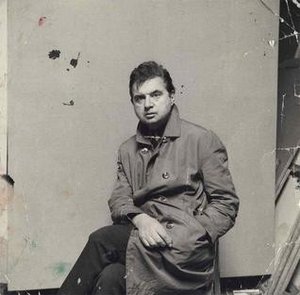
Francis Bacon
1909 - 1992 , Irland
Eckdaten zum Künstler
- Beeinflusste Künstler:
- Pablo Picasso
- Egon Schiele
- Bemerkenswerte Werke:
- Drei Studien für Kreuzigung
- Porträt von Isabel Rawsthorne
- Studie nach Velázquez
- George Dyer im Spiegel
- Geburtsdatum: 28. Oktober 1909
- Geburtsort: Dublin, Irland
- Künstlerische Richtung: Figuration, Expressionismus
- Nationalität: Irisch-Britisch
- Todatum: April 1992
- Vollständiger Name: Francis Bacon
- Von Künstlern Beeinflusst:
- Maria Helena Vieira da Silva
- Piet Mondrian
Verwandte Artikel

Abstrakter Expressionismus: Die 10 Meisterwerke, die eine Kunstbewegung prägten |
Entdecken Sie die 10 Meisterwerke des Abstrakten Expressionismus! Von Jackson Pollock bis Mark Rothko – erfahren Sie die Geschichten hinter ikonischen Gemälde und finden Sie hochwertige Reproduktionen für Ihr Zuhause. Jetzt bei entdecken!

Pure Chaos & Color: The High-Voltage World of Abstract Expressionism
Dive into the high-voltage world of Abstract Expressionism. Explore the raw energy of Action Painting and the legendary masters of the New York School through a visual journey of pure chaos and color. Discover how to bring bold, high-impact abstract art into your modern space.

Kandinsky: Die 25 Meisterwerke des Abstrakten – Kunst für Ihr Zuhause | OriginalUniqueArt
Entdecken Sie die 25 bedeutendsten Gemälde von Wassily Kandinsky! Tauchen Sie ein in die Welt der abstrakten Kunst, des Expressionismus und der Farbkomposition. Hochwertige Kunstdrucke & Inspiration für Ihr Zuhause auf OriginalUniqueArt.com.
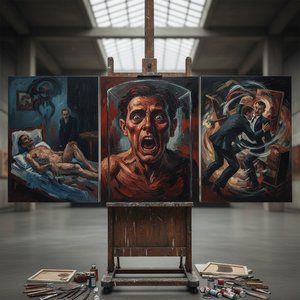
Francis Bacon: Die 25 Meisterwerke des existentiellen Schmerzes | OriginalUniqueArt
Entdecken Sie die 25 Meisterwerke von Francis Bacon! Erleben Sie existenzielle Schmerz, expressive Porträts & dunkle Farben. Kunstreproduktionen in Museumsqualiät auf OriginalUniqueArt.com – für Ihre Wanddekoration.

Beyond the Lines: Mastering the High-Impact World of Contemporary Abstraction
Master the high-impact world of contemporary abstraction. Discover how bold colors, textures, and modern movements like Abstract Expressionism can transform your space with premium, high-energy art curated for the design-conscious professional.


