- Startseite

- Ölgemälde-Reproduktion
- Francis Bacon
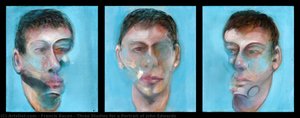
- Study for Three Heads, right panel,

 Preview
 Druck bestellen Bild kaufen
 Versenden
 Teilen
 Details anzeigen
 Zu Favoriten hinzufügen

 Herunterladen
 Ähnliche Objekte
 Röntgenaufnahme
 Diashow anzeigen
Study for Three Heads, right panel,


 Weiterlesen
Handgefertigte Öl-Reproduktion
Handgemaltes Ölgemälde auf Leinwand in Ihrer Wunschgröße und mit Rahmen, auf Bestellung von unseren Künstlern angefertigt.




P118B $10

P118H $10

P118W $10

P438Z $10

P508JH $12

P508YH $12

P805H $10

P805Z $10

P919BZ $10

P919G $10

P919XJ $10

P959ZH $10

P968JZ $12

W106C $8

W218G $10

W218JH $8

W218Y $10

W307PJ $10

W316G $10

W316PJ $8

W316Y $10

W398PJ $8

W4111J $10

W500HY $15

W500JH $15

W692G $12

W849H $8

W940BG $15

W953PJ $8




Wählen Sie aus unseren vordefinierten Größen, die den ursprünglichen Proportionen des Kunstwerks entsprechen.

Sie können Ihre eigenen Maße eingeben, um einen bestimmten Rahmen oder Platz auszufüllen. Wenn die gewählte Größe nicht den Proportionen des Originalbildes entspricht, werden wir das Kunstwerk entweder beschneiden oder das Gemälde durch zusätzliche, handgemalte Elemente erweitern. Ein digitales Mockup wird Ihnen zur Genehmigung zugesandt, bevor die Produktion beginnt.
Bitte beachten Sie, dass die Bildschirmvorschau nicht die tatsächliche Beschneidung oder Erweiterung widerspiegelt. Nur das Mockup zeigt die endgültige Komposition exakt an.
Obwohl Sondermaße verfügbar sind, empfehlen wir, eine Größe aus der vordefinierten Liste zu wählen, um die ursprünglichen Proportionen beizubehalten.
Nach der Bestellung wird das OriginalUniqueArt.com-Team dem Kunden Anweisungen per E-Mail zusenden und eine Mockup-Vorschau bereitstellen.
Weltweiter Versand () in nur 3 bis 4 Wochen statt der üblichen 5 Wochen. (25 Juli). Keine Kompromisse bei der Qualität.

Kostenloser weltweiter Expressversand

Hochwertige Leinenleinwand

Umfassender Versicherungsschutz beim Versand

Zollsteuer-Rückerstattungsgarantie

Garantie für echte Farbtreue

60-Tage-Rückgaberecht (nur bei Mängeln)

100% Geld-zurück-Garantie

Mengenrabatt verfügbar
 Die Glasoption ist nur in Größen unter 110 cm verfügbar.

Study for Three Heads, right panel,
Art der Reproduktion
Größe der Reproduktion
-


Endpreis aller Optionen
-
Beschreibung des Kunstwerks
A Study in Discomfort: Exploring Francis Bacon’s “Study for Three Heads”
The painting "Study for Three Heads," created by Francis Bacon in 1962, stands as a chilling testament to the artist's preoccupation with psychological torment and the grotesque beauty of decay. Held within the William S. Paley Collection at MoMA, this monumental triptych – measuring approximately 35.9 x 30.8 cm (each panel) – immediately confronts the viewer with an unsettling visage: a man’s face rendered in stark black and white, dominated by an aggressively open mouth that seems to emit a silent scream.- Style & Technique: Bacon's signature style is characterized by visceral abstraction—a deliberate rejection of representational accuracy in favor of conveying emotion through distorted forms and expressive brushstrokes. The painting eschews traditional perspective, opting instead for a flattened surface that intensifies the sense of claustrophobia and disorientation. Thick impasto – heavily textured paint application – contributes to the palpable physicality of the canvas, mirroring the artist’s fascination with bodily vulnerability.
- Historical Context: Produced in the aftermath of World War II, “Study for Three Heads” reflects the pervasive anxieties surrounding trauma and existential dread that gripped Europe during the period. Bacon himself experienced considerable personal hardship throughout his life—including a devastating diagnosis of cancer—and these experiences undoubtedly fueled his artistic explorations into themes of suffering and mortality.
Symbolism: Faces Fractured, Humanity Exposed
The central figure’s gaping maw isn't merely an anatomical detail; it serves as a potent symbol of repressed emotion—a desperate attempt to articulate the unbearable pain of existence. Bacon deliberately fragmented the face into multiple planes, mirroring the shattered psyche and highlighting the disintegration of identity under pressure. The two flanking faces – positioned subtly in the background – represent not simply additional figures but rather embodiments of opposing forces battling for dominance within the individual’s inner turmoil. They symbolize rationality versus instinct, order versus chaos—elements perpetually vying for control over human consciousness.- Color Palette: The monochrome palette—primarily black and white—amplifies the painting's emotional impact by stripping away any distractions of color. This deliberate restriction focuses attention on the textures and distortions of form, emphasizing the artist’s commitment to conveying psychological states rather than visual realism.
Emotional Resonance: A Portrait of Painful Truth
“Study for Three Heads” transcends mere depiction; it compels viewers to confront uncomfortable truths about human nature—the inevitability of suffering, the fragility of selfhood, and the terrifying beauty of decay. Bacon’s masterful manipulation of form and texture evokes a visceral response—a feeling of unease and vulnerability that lingers long after viewing the artwork. It's a painting that refuses easy interpretation, demanding contemplation and prompting reflection on the darker recesses of human experience.- Interior Design Considerations: When incorporating reproductions of Bacon’s work into interior spaces, consider pairing it with complementary textures—such as linen or wool—to create a dialogue between surfaces. The painting's stark monochrome palette can serve as an anchor for more vibrant hues, offering a striking contrast that stimulates visual interest.
Concluding Thoughts: Bacon’s Legacy of Emotional Intensity
Francis Bacon’s “Study for Three Heads” remains one of the most arresting and disturbing images in modern art—a haunting reminder of the artist's unwavering dedication to exploring the darkest corners of human consciousness. Its enduring power lies not only in its technical brilliance but also in its profound emotional resonance, cementing Bacon’s place as a pioneer of expressive abstraction and an unparalleled interpreter of psychological torment.Biografie des Künstlers
**frühes Leben und Karriere**
francis bacon, ein irisch-geborener britischer figurative Maler, wurde am 28. Oktober 1909 in Dublin, Irland, geboren. Sein frühes Leben war von einer Reihe von Umzügen geprägt, da seine Familie nach einem geeigneten Klima für die Gesundheit seiner Mutter suchte. Diese wandernde Kindheit würde Bacon später seinen Ansatz in der Kunst beeinflussen.**Künstlerischer Stil und Themen**
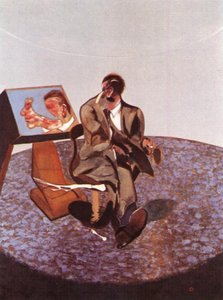
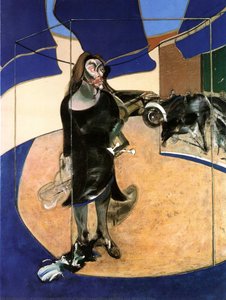
Bacon ist bekannt für sein mutiges, emotionales und oft groteskes Bildmaterial. Seine abstrahierten Figuren sind typischerweise in geometrischen, käfigartigen Räumen isoliert und stehen gegen flache, unauffällige Hintergründe. Dieser einzigartige Stil wurde sowohl gelobt als auch kritisiert von Kunstkritikern.- Portrait of Isabel Rawsthorne standing in a street in Soho, ein wegweisendes Werk, das Bacons Fähigkeit zeigt, die Essenz seiner Sujets in einer scheinbar abstrakten Umgebung einzufangen.
- Number vii from eight studies for a portrait, das die Erforschung der menschlichen Form durch eine Reihe von Studien des Künstlers veranschaulicht.
**Einflüsse und Vermächtnis**
Bacons Werk wurde von verschiedenen Quellen beeinflusst, darunter Maria Helena Vieira da Silva's Autoreportagen und der abstrakten Expressionismus von Piet Mondrian. Sein Vermächtnis inspiriert weiterhin neue Generationen von Künstlern, wobei sein mutiger, unerschrockener Stil ein Eckpfeiler der modernen Kunst bleibt.**Wichtige Ausstellungen und Sammlungen:**
- The Museum Fine Art Society (United Kingdom), das Bacons Werke neben anderen bedeutenden britischen Künstlern gezeigt hat. - Nationalgalerie (Norwegen), die eine umfassende Sammlung europäischer Kunst umfasst, darunter Werke von Bacon. **Wichtige Werke und Sammlungen:** - Francis Bacon: Portrait of Isabel Rawsthorne standing in a street in Soho - Francis Bacon: Number vii from eight studies for a portrait **Museen und Kunstgalerien:** - The Museum Fine Art Society (United Kingdom) - Nationalgalerie (Norwegen)**Fazit**
Bacons turbulentes Leben und sein innovativer Ansatz der figurativen Malerei haben einen unauslöschlichen Eindruck in der Kunstwelt hinterlassen. Sein Vermächtnis, das durch mutiges, emotionales Bildmaterial gekennzeichnet ist, inspiriert weiterhin zeitgenössische Künstler und fasziniert das Publikum gleichermaßen. **Empfohlene Literatur:** - Francis Bacons Biografie - Wikipedia: Francis Bacon (Künstler)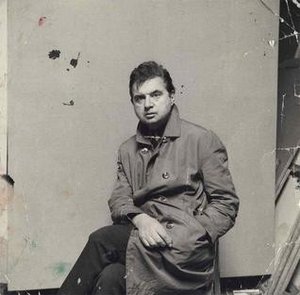
Francis Bacon
1909 - 1992 , Irland
Kurzinfos
- Beeinflusste Künstler:
- Pablo Picasso
- Egon Schiele
- Bemerkenswerte Werke:
- Drei Studien für Kreuzigung
- Porträt von Isabel Rawsthorne
- Studie nach Velázquez
- George Dyer im Spiegel
- Geburtsdatum: 28. Oktober 1909
- Geburtsort: Dublin, Irland
- Künstlerische Richtung: Figuration, Expressionismus
- Nationalität: Irisch-Britisch
- Todatum: April 1992
- Vollständiger Name: Francis Bacon
- Von Künstlern Beeinflusst:
- Maria Helena Vieira da Silva
- Piet Mondrian
Ähnliche Artikel
Francis Bacon: Die 25 Meisterwerke des existentiellen Schmerzes | OriginalUniqueArt
Entdecken Sie die 25 Meisterwerke von Francis Bacon! Erleben Sie existenzielle Schmerz, expressive Porträts & dunkle Farben. Kunstreproduktionen in Museumsqualiät auf OriginalUniqueArt.com – für Ihre Wanddekoration.
Francis Bacons Existenzielle Angst: Trauma, Form und die Nachkriegszeit
Erforschen Sie Francis Bacons tiefgründige Auseinandersetzung mit existenzieller Angst und Trauma. Analyse seiner formalen Innovationen, seines Einflusses auf die Neue Figuration und seines philosophischen Weltbilds. Jetzt lesen!

Mannerism Unveiled: Exploring the Sophisticated Mastery of Elegant Distortion
Unveil the captivating world of Mannerism. Our expert analysis explores the transition from Renaissance harmony to the profound, elegant distortions of masters like El Greco, offering deep insights into one of art history's most influential and enigmatic eras.

Max Beckmann: Trauma und Moderne – Eine verzerrte Spiegelung der Zeit
Entdecken Sie die komplexe Welt von Max Beckmann! Analysieren Sie seine expressionistischen Anfänge, die Neue Sachlichkeit und die tiefgreifenden Themen von Trauma und Moderne. Expertenwissen für Kunstliebhaber & Sammler.
The Visceral Cry of a Nation: Exploring Emotion & Distortion in German Expressionism
Explore the powerful world of German Expressionism with OriginalUniqueArt. Discover Kirchner, Nolde & Die Brücke's emotive masterpieces. Learn about this pivotal art movement and its lasting impact on modern art.