

 In echtem Maßstab anzeigen
 Versenden als Grußkarte
 Teilen
 Details anzeigen

 Herunterladen
 Ähnliche Objekte
 Röntgenaufnahme
 Diashow
 Besucherstatistiken
Study for the Human Body Figures in movement,


 Mehr anzeigen
Giclée / Kunstdruck
Giclée- oder Leinwanddruck in Museumsqualität mit schneller Produktion und flexiblen Veredelungsoptionen. ( Handgemalte Reproduktion kaufen Zum digitalen Bild wechseln)




P118B $10

P118H $10

P118W $10

P438Z $10

P508JH $12

P508YH $12

P805H $10

P805Z $10

P919BZ $10

P919G $10

P919XJ $10

P959ZH $10

P968JZ $12

W106C $8

W218G $10

W218JH $8

W218Y $10

W307PJ $10

W316G $10

W316PJ $8

W316Y $10

W398PJ $8

W4111J $10

W500HY $15

W500JH $15

W692G $12

W849H $8

W940BG $15

W953PJ $8




Wählen Sie aus unseren vordefinierten Formaten, die den ursprünglichen Proportionen des Kunstwerks entsprechen.

Sie können Ihre eigenen Maße eingeben, um ein bestimmtes Format oder einen speziellen Platz einzupassen. Wenn das von Ihnen gewählte Format nicht den Proportionen des Originalbildes entspricht, werden wir das Kunstwerk entweder beschneiden oder das Bild mit einem gespiegelten oder einfarbigen Rand erweitern. Ein digitaler Entwurf wird Ihnen zur Genehmigung zugesandt, bevor die Produktion beginnt.
Bitte beachten Sie, dass die Vorschau auf dem Bildschirm nicht den tatsächlichen Zuschnitt oder die Erweiterung widerspiegelt. Nur der Entwurf zeigt die endgültige Komposition präzise an.
Obwohl Sondermaße verfügbar sind, empfehlen wir die Auswahl eines Maßes aus der vordefinierten Liste, um die ursprünglichen Proportionen zu bewahren.
Weltweiter Versand () innerhalb von 2 Wochen statt der üblichen 4/5 Wochen. (18 September)

Kostenloser weltweiter Expressversand

Hochwertige Leinenleinwand

Vollständiger Versicherungsschutz beim Versand

Zollgebühren-Rückerstattungsgarantie

Garantie für exakte Farbtreue

100-tägiges Rückgaberecht (nur bei Mängeln)

100% Geld-zurück-Garantie

Angebot für Mengenrabatt
 Die Glasoption ist nur für Größen unter 110 cm verfügbar.

Study for the Human Body Figures in movement,
Giclée / Kunstdruck
Format der Reproduktion
-


Gesamtpreis
$ 80
A Study in Vulnerability: Francis Bacon’s ‘Study for the Human Body Figures in Movement’
Francis Bacon's 1982 work, “Study for the Human Body Figures in Movement,” is not merely a depiction of a baby; it’s an intensely felt meditation on isolation, vulnerability, and the unsettling nature of perception. Painted during a period of profound artistic maturity, this piece exemplifies Bacon’s signature style – a brutal honesty rendered with a deceptively simple palette and a masterful command of expressive brushwork. The image presents a naked infant seated in a chair, its back turned to the viewer, lost in contemplation or perhaps, more disturbingly, oblivious to our gaze. This deliberate anonymity immediately establishes a sense of detachment, inviting us to confront our own anxieties about witnessing – and being witnessed.
The Rawness of Technique and Composition
- Brushwork: Bacon’s technique is characterized by violent, almost frantic brushstrokes. Here, they are employed with a particular urgency, creating a sense of unease and instability within the composition. The paint seems to writhe and pulsate, mirroring the emotional turmoil at the heart of the image.
- Color Palette: The predominantly orange background is not merely decorative; it’s a key element in conveying mood. Orange, often associated with danger and passion, amplifies the sense of unease and contributes to the painting's unsettling atmosphere.
- Composition: The arrangement of the figure – seated, vulnerable, and facing an unseen object – is deliberately ambiguous. The window introduces a further layer of complexity, suggesting both escape and confinement.
Symbolism and the Weight of History
Bacon’s work is steeped in symbolism, often drawing on anxieties about modernity and the dehumanizing effects of industrialization. The baby, a universal symbol of innocence and vulnerability, is here presented as profoundly disturbed. Its averted gaze suggests a rejection of the world – or perhaps simply an inability to comprehend it. The birds, subtly placed within the scene, could represent fleeting moments of beauty or, conversely, reminders of mortality. Considering Bacon’s own turbulent childhood marked by instability and displacement, this piece can be interpreted as a deeply personal reflection on his own sense of alienation.
Emotional Resonance and Artistic Legacy
"Study for the Human Body Figures in Movement" is a profoundly unsettling work that continues to resonate with viewers today. It’s a testament to Bacon's ability to tap into primal fears and anxieties, offering a glimpse into the darkest corners of the human psyche. This reproduction captures not just an image but the very essence of Bacon’s artistic vision – a raw, uncompromising exploration of what it means to be alive in a world often devoid of meaning. Its impact lies in its refusal to offer easy answers, forcing us to confront uncomfortable truths about ourselves and our place in the universe.
Biografie des Künstlers
**frühes Leben und Karriere**
francis bacon, ein irisch-geborener britischer figurative Maler, wurde am 28. Oktober 1909 in Dublin, Irland, geboren. Sein frühes Leben war von einer Reihe von Umzügen geprägt, da seine Familie nach einem geeigneten Klima für die Gesundheit seiner Mutter suchte. Diese wandernde Kindheit würde Bacon später seinen Ansatz in der Kunst beeinflussen.**Künstlerischer Stil und Themen**
Bacon ist bekannt für sein mutiges, emotionales und oft groteskes Bildmaterial. Seine abstrahierten Figuren sind typischerweise in geometrischen, käfigartigen Räumen isoliert und stehen gegen flache, unauffällige Hintergründe. Dieser einzigartige Stil wurde sowohl gelobt als auch kritisiert von Kunstkritikern.- Portrait of Isabel Rawsthorne standing in a street in Soho, ein wegweisendes Werk, das Bacons Fähigkeit zeigt, die Essenz seiner Sujets in einer scheinbar abstrakten Umgebung einzufangen.
- Number vii from eight studies for a portrait, das die Erforschung der menschlichen Form durch eine Reihe von Studien des Künstlers veranschaulicht.
**Einflüsse und Vermächtnis**
Bacons Werk wurde von verschiedenen Quellen beeinflusst, darunter Maria Helena Vieira da Silva's Autoreportagen und der abstrakten Expressionismus von Piet Mondrian. Sein Vermächtnis inspiriert weiterhin neue Generationen von Künstlern, wobei sein mutiger, unerschrockener Stil ein Eckpfeiler der modernen Kunst bleibt.**Wichtige Ausstellungen und Sammlungen:**
- The Museum Fine Art Society (United Kingdom), das Bacons Werke neben anderen bedeutenden britischen Künstlern gezeigt hat. - Nationalgalerie (Norwegen), die eine umfassende Sammlung europäischer Kunst umfasst, darunter Werke von Bacon. **Wichtige Werke und Sammlungen:** - Francis Bacon: Portrait of Isabel Rawsthorne standing in a street in Soho - Francis Bacon: Number vii from eight studies for a portrait **Museen und Kunstgalerien:** - The Museum Fine Art Society (United Kingdom) - Nationalgalerie (Norwegen)**Fazit**
Bacons turbulentes Leben und sein innovativer Ansatz der figurativen Malerei haben einen unauslöschlichen Eindruck in der Kunstwelt hinterlassen. Sein Vermächtnis, das durch mutiges, emotionales Bildmaterial gekennzeichnet ist, inspiriert weiterhin zeitgenössische Künstler und fasziniert das Publikum gleichermaßen. **Empfohlene Literatur:** - Francis Bacons Biografie - Wikipedia: Francis Bacon (Künstler)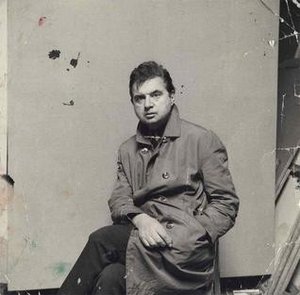
Francis Bacon
1909 - 1992 , Irland
Eckdaten zum Künstler
- Beeinflusste Künstler:
- Pablo Picasso
- Egon Schiele
- Bemerkenswerte Werke:
- Drei Studien für Kreuzigung
- Porträt von Isabel Rawsthorne
- Studie nach Velázquez
- George Dyer im Spiegel
- Geburtsdatum: 28. Oktober 1909
- Geburtsort: Dublin, Irland
- Künstlerische Richtung: Figuration, Expressionismus
- Nationalität: Irisch-Britisch
- Todatum: April 1992
- Vollständiger Name: Francis Bacon
- Von Künstlern Beeinflusst:
- Maria Helena Vieira da Silva
- Piet Mondrian
Verwandte Artikel

OriginalUniqueArt.com F.A.Q.: Elevate Your Decor with Premium Textured Giclée Prints
Discover the distinction of OriginalUniqueArt.com premium textured Giclée prints. Expertly crafted with archival 12-color pigments and museum-grade substrates, our prints offer unparalleled vividness for the discerning collector seeking luxury, durability, and timeless elegance.


