

 In echtem Maßstab anzeigen
 Versenden als Grußkarte
 Teilen
 Details anzeigen

 Herunterladen
 Ähnliche Objekte
 Röntgenaufnahme
 Diashow
 Besucherstatistiken
man turning on the light, 1973-74


 Mehr anzeigen
Handgefertigte Ölreproduktion
Handgemaltes Ölgemälde auf Leinwand in Ihrer Wunschgröße und mit Rahmen, auf Bestellung von unseren Künstlern angefertigt. ( Zum Druck wechseln Zum digitalen Bild wechseln)




P118B $10

P118H $10

P118W $10

P438Z $10

P508JH $12

P508YH $12

P805H $10

P805Z $10

P919BZ $10

P919G $10

P919XJ $10

P959ZH $10

P968JZ $12

W106C $8

W218G $10

W218JH $8

W218Y $10

W307PJ $10

W316G $10

W316PJ $8

W316Y $10

W398PJ $8

W4111J $10

W500HY $15

W500JH $15

W692G $12

W849H $8

W940BG $15

W953PJ $8




Wählen Sie aus unseren vordefinierten Formaten, die den ursprünglichen Proportionen des Kunstwerks entsprechen.

Sie können Ihre eigenen Maße eingeben, um einen bestimmten Rahmen oder Platz auszufüllen. Wenn die gewählte Größe nicht den Proportionen des Originalbildes entspricht, werden wir das Kunstwerk entweder beschneiden oder das Gemälde durch zusätzliche, handgemalte Elemente erweitern. Ein digitales Mockup wird Ihnen zur Genehmigung zugesandt, bevor die Produktion beginnt.
Bitte beachten Sie, dass die Bildschirmvorschau nicht die tatsächliche Beschneidung oder Erweiterung widerspiegelt. Nur das Mockup zeigt die endgültige Komposition exakt an.
Obwohl Sondermaße verfügbar sind, empfehlen wir, eine Größe aus der vordefinierten Liste zu wählen, um die ursprünglichen Proportionen beizubehalten.
Nach der Bestellung wird das OriginalUniqueArt.com-Team dem Kunden Anweisungen per E-Mail zusenden und eine Mockup-Vorschau bereitstellen.
Weltweiter Versand () in nur 3 bis 4 Wochen statt der üblichen 5 Wochen. (18 September). Keine Kompromisse bei der Qualität.

Kostenloser weltweiter Expressversand

Hochwertige Leinenleinwand

Vollständiger Versicherungsschutz beim Versand

Zollgebühren-Rückerstattungsgarantie

Garantie für exakte Farbtreue

100-tägiges Rückgaberecht (nur bei Mängeln)

100% Geld-zurück-Garantie

Angebot für Mengenrabatt
 Die Glasoption ist nur für Größen unter 110 cm verfügbar.

man turning on the light, 1973-74
Reproduktionsmedium
Format der Reproduktion
-


Gesamtpreis
$ 300
A Visceral Encounter with the Human Condition
In the hauntingly evocative masterpiece "Man Turning On The Light," created between 1973 and 1974, Francis Bacon invites the viewer into a space of profound psychological tension. This work is far more than a mere portrait; it is an emotional excavation that delves into the very marrow of human vulnerability and trauma. At the center of this unsettling composition stands a solitary figure, his back turned to us in a gesture of both defiance and profound isolation. The room itself feels claustrophobic, bathed in a sickly palette of greens and yellows that evoke a sense of decay and existential unease. As we gaze upon the man, we are confronted by the physical manifestations of internal struggle—scars that mar his torso, serving as indelible maps of life's hardships and the inescapable marks left by time and suffering.
The composition is masterfully layered with symbols that defy easy interpretation, yet resonate deeply within the subconscious. The presence of a tennis racket held behind the figure introduces a jarring, almost surreal element to the scene, acting as a focal point that disrupts the somber atmosphere with a touch of the incongruous. This object, alongside the presence of other figures lurking in the periphery, heightens the sense of a shared yet fragmented reality. There is a palpable feeling of being watched, yet also a profound sense of loneliness, capturing the complex paradox of human connection in a post-war world. For the discerning collector or interior designer, this piece offers a powerful statement of depth, providing a conversational anchor that challenges the eye and stirs the soul.
The Mastery of Expressionist Technique
Bacon’s technical prowess is on full display through his uncompromising use of Expressionism. Eschewing the comforts of traditional realism, he employs a technique characterized by distorted forms and a heavy, sculptural application of paint known as impasto. This thick layering of pigment creates a tactile surface that mirrors the raw, fleshy reality of the subject matter. The texture is not merely an aesthetic choice but a vital component of the painting's emotional impact; the ridges and valleys of the paint catch the light, adding a sense of movement and physical weight to the scarred figure.
The color theory employed here is intentionally unsettling. By utilizing a palette dominated by jaundiced yellows and bruised greens, Bacon taps into a primal sense of sickness and mortality. This chromatic choice works in tandem with his gestural brushwork to create an atmosphere that feels both immediate and timeless. For those seeking to incorporate art into a sophisticated living space, a high-quality reproduction of this work allows the dramatic interplay of light and shadow to transform a room, offering a window into one of the most intense psychological landscapes ever captured on canvas. It is a piece that does not merely decorate a wall; it commands the very air around it.
Biografie des Künstlers
**frühes Leben und Karriere**
francis bacon, ein irisch-geborener britischer figurative Maler, wurde am 28. Oktober 1909 in Dublin, Irland, geboren. Sein frühes Leben war von einer Reihe von Umzügen geprägt, da seine Familie nach einem geeigneten Klima für die Gesundheit seiner Mutter suchte. Diese wandernde Kindheit würde Bacon später seinen Ansatz in der Kunst beeinflussen.**Künstlerischer Stil und Themen**
Bacon ist bekannt für sein mutiges, emotionales und oft groteskes Bildmaterial. Seine abstrahierten Figuren sind typischerweise in geometrischen, käfigartigen Räumen isoliert und stehen gegen flache, unauffällige Hintergründe. Dieser einzigartige Stil wurde sowohl gelobt als auch kritisiert von Kunstkritikern.- Portrait of Isabel Rawsthorne standing in a street in Soho, ein wegweisendes Werk, das Bacons Fähigkeit zeigt, die Essenz seiner Sujets in einer scheinbar abstrakten Umgebung einzufangen.
- Number vii from eight studies for a portrait, das die Erforschung der menschlichen Form durch eine Reihe von Studien des Künstlers veranschaulicht.
**Einflüsse und Vermächtnis**
Bacons Werk wurde von verschiedenen Quellen beeinflusst, darunter Maria Helena Vieira da Silva's Autoreportagen und der abstrakten Expressionismus von Piet Mondrian. Sein Vermächtnis inspiriert weiterhin neue Generationen von Künstlern, wobei sein mutiger, unerschrockener Stil ein Eckpfeiler der modernen Kunst bleibt.**Wichtige Ausstellungen und Sammlungen:**
- The Museum Fine Art Society (United Kingdom), das Bacons Werke neben anderen bedeutenden britischen Künstlern gezeigt hat. - Nationalgalerie (Norwegen), die eine umfassende Sammlung europäischer Kunst umfasst, darunter Werke von Bacon. **Wichtige Werke und Sammlungen:** - Francis Bacon: Portrait of Isabel Rawsthorne standing in a street in Soho - Francis Bacon: Number vii from eight studies for a portrait **Museen und Kunstgalerien:** - The Museum Fine Art Society (United Kingdom) - Nationalgalerie (Norwegen)**Fazit**
Bacons turbulentes Leben und sein innovativer Ansatz der figurativen Malerei haben einen unauslöschlichen Eindruck in der Kunstwelt hinterlassen. Sein Vermächtnis, das durch mutiges, emotionales Bildmaterial gekennzeichnet ist, inspiriert weiterhin zeitgenössische Künstler und fasziniert das Publikum gleichermaßen. **Empfohlene Literatur:** - Francis Bacons Biografie - Wikipedia: Francis Bacon (Künstler)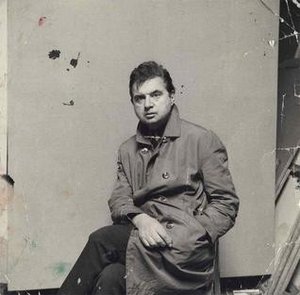
Francis Bacon
1909 - 1992 , Irland
Eckdaten zum Künstler
- Beeinflusste Künstler:
- Pablo Picasso
- Egon Schiele
- Bemerkenswerte Werke:
- Drei Studien für Kreuzigung
- Porträt von Isabel Rawsthorne
- Studie nach Velázquez
- George Dyer im Spiegel
- Geburtsdatum: 28. Oktober 1909
- Geburtsort: Dublin, Irland
- Künstlerische Richtung: Figuration, Expressionismus
- Nationalität: Irisch-Britisch
- Todatum: April 1992
- Vollständiger Name: Francis Bacon
- Von Künstlern Beeinflusst:
- Maria Helena Vieira da Silva
- Piet Mondrian
Verwandte Artikel
Francis Cotes: Elegance, Portraiture & the Rise of a Georgian Aesthetic
Explore the elegant world of Francis Cotes, pioneer of English pastel painting & celebrated Georgian portraitist. Discover his captivating portraits, artistic techniques, and lasting influence on 18th-century art.
John Francis Sartorius II: Equestrian Elegance & the Rise of British Portraiture
Explore the captivating world of Francis Sartorius II (1734-1804), a leading British painter renowned for his exquisite equestrian portraits and hunting scenes. Discover his life, techniques & enduring legacy.
Francis Bacon: Die 25 Meisterwerke des existentiellen Schmerzes | OriginalUniqueArt
Entdecken Sie die 25 Meisterwerke von Francis Bacon! Erleben Sie existenzielle Schmerz, expressive Porträts & dunkle Farben. Kunstreproduktionen in Museumsqualiät auf OriginalUniqueArt.com – für Ihre Wanddekoration.
Francis Bacons Existenzielle Angst: Trauma, Form und die Nachkriegszeit
Erforschen Sie Francis Bacons tiefgründige Auseinandersetzung mit existenzieller Angst und Trauma. Analyse seiner formalen Innovationen, seines Einflusses auf die Neue Figuration und seines philosophischen Weltbilds. Jetzt lesen!

The Enduring Legacy of Formal Portraiture: Power, Identity & Artistic Exploration
Explore the rich history of formal portraiture & its enduring power to capture identity and shape perception. Discover investment-worthy artworks, expert appraisals, and custom reproduction services at OriginalUniqueArt.


