
 Vorschau anzeigen
 Versenden
 Teilen
 Details anzeigen
 Leitfaden

 Herunterladen
 Ähnliche Objekte
 Röntgenaufnahme
 Diashow
 Q&A
Q&A Statistiken
Drei Studien von Lucian Freud, Mitte


 Weiterlesen
Die auf dieser Seite dargestellten Kunstwerke sind urheberrechtlich geschützt, was bedeutet, dass wir keine identische Reproduktion rechtmäßig erstellen oder verkaufen dürfen. Dieser Schutz wird durch internationale Abkommen wie die Berner Übereinkunft und durch nationale Gesetze, einschließlich derer, die von den US-Urheberrecht – Titel 17.
Diese Methode entspricht vollumfänglich den Urheberrechtsbestimmungen, da sie keine Kopie oder Vervielfältigung des geschützten Kunstwerks darstellt. Stattdessen handelt es sich um eine kreative Neuinterpretation – ein neues Gemälde, das vom Original inspiriert, aber nicht identisch mit ihm ist.
Giclée / Kunstdruck
Giclée- oder Leinwanddruck in Museumsqualität mit schneller Produktion und flexiblen Veredelungsoptionen. ( Handgemalte Reproduktion bestellen Zum digitalen Bild wechseln)




P118B €10

P118H €10

P118W €10

P438Z €10

P508JH €12

P508YH €12

P805H €10

P805Z €10

P919BZ €10

P919G €10

P919XJ €10

P959ZH €10

P968JZ €12

W106C €8

W218G €10

W218JH €8

W218Y €10

W307PJ €10

W316G €10

W316PJ €8

W316Y €10

W398PJ €8

W4111J €10

W500HY €15

W500JH €15

W692G €12

W849H €8

W940BG €15

W953PJ €8




Wählen Sie aus unseren vordefinierten Formaten, die den ursprünglichen Proportionen des Kunstwerks entsprechen.

Geben Sie die benötigte Breite und Höhe an, damit der Druck perfekt in Ihren Rahmen oder an Ihre Wand passt. Ein Druck kann nur beschnitten, aber niemals größer als das Originalbild angefertigt werden; daher verliert ein Format mit anderen Proportionen einen Teil des Bildes. Wir senden Ihnen ein digitales Mockup zur Freigabe, bevor wir den Druck ausführen. Das auf dieser Seite gezeigte Bild zeigt nicht den tatsächlichen Beschnitt – dies ist nur im Mockup ersichtlich.
Weltweiter Versand () innerhalb von 2 Wochen statt der üblichen 4/5 Wochen. (31 Oktober)

Kostenloser weltweiter Expressversand

Hochwertige Leinenleinwand

Umfassender Versicherungsschutz beim Versand

Zollgebühren-Rückerstattungsgarantie

Garantie für exakte Farbtreue

100 Tage Rückgaberecht (nur bei Mängeln)

100% Geld-zurück-Garantie

Mengenrabatt verfügbar
 Die Glasoption ist nur für Größen unter 110 cm verfügbar.

Drei Studien von Lucian Freud, Mitte
Giclée / Kunstdruck
Format der Reproduktion
-


Endpreis
€ 71
A Masterpiece of Modern Art: Francis Bacon's Central Panel of "Three Studies of Lucian Freud"
Francis Bacon’s “Three Studies of Lucian Freud” stands as an undeniable icon of twentieth century art, a haunting testament to the artist’s profound engagement with human psychology and his masterful manipulation of visual language. Painted in 1969 at the Royal College of Art in London, this central panel from the monumental triptych embodies Bacon's signature style—a blend of abstract expressionism and figurative representation—resulting in an image that simultaneously captivates and unsettles the viewer. It’s a work that continues to resonate with audiences today, prompting contemplation on themes of isolation, vulnerability, and the complexities inherent in human experience.- Subject Matter: The panel depicts Lucian Freud seated within a geometric framework—a cube-like box—that dominates the composition. This deliberate confinement symbolizes psychological entrapment and underscores Freud’s solitary presence at the heart of the artwork. Bacon meticulously captured Freud's posture, conveying an aura of quiet contemplation mingled with palpable unease.
- Style and Technique: Bacon’s distinctive style is characterized by bold outlines and exaggerated features, achieved through precise brushstrokes and a muted color palette. The artist employs impasto—thickly applied paint—to build texture and imbue the surface with visual dynamism. This technique contributes to the artwork's emotional intensity, mirroring the turbulent inner world of Freud himself.
- Historical Context: Created during Bacon’s prolific period in the 1960s, “Three Studies of Lucian Freud” reflects the artistic rivalry and deep friendship between Bacon and Freud—artists who were introduced by Graham Sutherland in 1945. Despite their eventual disagreements later in life, this panel serves as a poignant reminder of their creative kinship and shared fascination for exploring the human condition.
- Symbolism: The geometric structure surrounding Freud symbolizes themes of isolation and psychological turmoil. Bacon’s use of color—primarily warm yellows and oranges—intensifies the sense of claustrophobia and contributes to the artwork's melancholic mood. The exaggerated facial features evoke a profound expression of vulnerability, inviting viewers to confront uncomfortable truths about human emotion.
- Why Collect or Display This Artwork: For art enthusiasts, collectors, and interior designers alike, this high-quality reproduction offers an opportunity to own a piece of artistic history—a visual embodiment of Bacon’s groundbreaking approach to portraiture. Its bold style and emotional depth make it a striking addition to any collection or space, sparking conversation and inspiring reflection on the enduring power of art.
Exploring the Artist's Vision: Francis Bacon and Lucian Freud
The relationship between Bacon and Freud was marked by both admiration and disagreement—a dynamic that fueled their artistic endeavors. As David Sylvester eloquently described, “Francis always said that Lucian was the most entertaining and stimulating person he knew,” highlighting the mutual influence they exerted on each other’s creative process. Their shared exploration of human psychology—particularly through portraiture—established them as titans of modern art, whose work continues to provoke debate and inspire awe.Technical Details: Impasto and Color Palette
Bacon's masterful technique is evident in the thick impasto applied across the canvas surface—a deliberate choice that maximizes textural contrast and enhances the artwork’s visual impact. The muted color palette—dominated by yellows and oranges—creates a stark juxtaposition against Freud’s dark clothing, amplifying the sense of unease and contributing to the overall emotional resonance of the piece. Careful observation reveals subtle variations in tone and hue, demonstrating Bacon's meticulous attention to detail and his unwavering commitment to conveying psychological truth through visual representation.Related Artworks You May Enjoy
Consider exploring other panels from “Three Studies of Lucian Freud” alongside Bacon’s portraits of Isabel Rawsthorne and Muriel Belcher—a comprehensive collection that illuminates the breadth of Bacon's artistic vision and his enduring legacy in modern art history.Discover More From Francis Bacon
Visit OriginalUniqueArt.com to immerse yourself in Bacon’s oeuvre, including seminal works like “Study After Velázquez” and “The Headless Horseman”—each piece offering a unique glimpse into the artist's profound engagement with human emotion and his groundbreaking exploration of visual language.Fragen & Antworten
Wirken die Farben von "Drei Studien von Lucian Freud, Mitte" eher kräftig oder sanft?
Die Farbsättigung von „Drei Studien von Lucian Freud, Mitte“ ist Leuchtend. Die Intensität beschreibt, wie kräftig die Farben wirken.
Mit welcher Technik wurde "Drei Studien von Lucian Freud, Mitte" erstellt?
Francis Bacon verwendete die Technik der Acryl auf Leinwand für „Drei Studien von Lucian Freud, Mitte“. Die Technik bestimmt die materielle Beschaffenheit des Originalwerks.
Welche Gemeinsamkeiten weist "Drei Studien von Lucian Freud, Mitte" mit dem restlichen Werk von Francis Bacon auf?
"Drei Studien von Lucian Freud, Mitte" teilt mit anderen Werken von Francis Bacon den Stil der Abstrakter Expressionismus sowie die wiederkehrenden Themen: surrealistische anklänge, freuds blick, existenzielle angst, gefangene form, psychologische porträtistik, bacons besessenheit mit qual, freundschaft & rivalität erforscht, kulturelles panorama londons.
Künstlerbiografie
**frühes Leben und Karriere**
francis bacon, ein irisch-geborener britischer figurative Maler, wurde am 28. Oktober 1909 in Dublin, Irland, geboren. Sein frühes Leben war von einer Reihe von Umzügen geprägt, da seine Familie nach einem geeigneten Klima für die Gesundheit seiner Mutter suchte. Diese wandernde Kindheit würde Bacon später seinen Ansatz in der Kunst beeinflussen.**Künstlerischer Stil und Themen**
Bacon ist bekannt für sein mutiges, emotionales und oft groteskes Bildmaterial. Seine abstrahierten Figuren sind typischerweise in geometrischen, käfigartigen Räumen isoliert und stehen gegen flache, unauffällige Hintergründe. Dieser einzigartige Stil wurde sowohl gelobt als auch kritisiert von Kunstkritikern.- Portrait of Isabel Rawsthorne standing in a street in Soho, ein wegweisendes Werk, das Bacons Fähigkeit zeigt, die Essenz seiner Sujets in einer scheinbar abstrakten Umgebung einzufangen.
- Number vii from eight studies for a portrait, das die Erforschung der menschlichen Form durch eine Reihe von Studien des Künstlers veranschaulicht.
**Einflüsse und Vermächtnis**
Bacons Werk wurde von verschiedenen Quellen beeinflusst, darunter Maria Helena Vieira da Silva's Autoreportagen und der abstrakten Expressionismus von Piet Mondrian. Sein Vermächtnis inspiriert weiterhin neue Generationen von Künstlern, wobei sein mutiger, unerschrockener Stil ein Eckpfeiler der modernen Kunst bleibt.**Wichtige Ausstellungen und Sammlungen:**
- The Museum Fine Art Society (United Kingdom), das Bacons Werke neben anderen bedeutenden britischen Künstlern gezeigt hat. - Nationalgalerie (Norwegen), die eine umfassende Sammlung europäischer Kunst umfasst, darunter Werke von Bacon. **Wichtige Werke und Sammlungen:** - Francis Bacon: Portrait of Isabel Rawsthorne standing in a street in Soho - Francis Bacon: Number vii from eight studies for a portrait **Museen und Kunstgalerien:** - The Museum Fine Art Society (United Kingdom) - Nationalgalerie (Norwegen)**Fazit**
Bacons turbulentes Leben und sein innovativer Ansatz der figurativen Malerei haben einen unauslöschlichen Eindruck in der Kunstwelt hinterlassen. Sein Vermächtnis, das durch mutiges, emotionales Bildmaterial gekennzeichnet ist, inspiriert weiterhin zeitgenössische Künstler und fasziniert das Publikum gleichermaßen. **Empfohlene Literatur:** - Francis Bacons Biografie - Wikipedia: Francis Bacon (Künstler)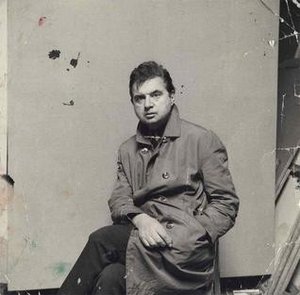
Francis Bacon
1909 - 1992 , Irland
Kurzinfos
- Beeinflusste Künstler:
- Pablo Picasso
- Egon Schiele
- Bemerkenswerte Werke:
- Drei Studien für Kreuzigung
- Porträt von Isabel Rawsthorne
- Studie nach Velázquez
- George Dyer im Spiegel
- Geburtsdatum: 28. Oktober 1909
- Geburtsort: Dublin, Irland
- Künstlerische Richtung: Figuration, Expressionismus
- Nationalität: Irisch-Britisch
- Todatum: April 1992
- Vollständiger Name: Francis Bacon
- Von Künstlern Beeinflusst:
- Maria Helena Vieira da Silva
- Piet Mondrian
Ähnliche Artikel

Abstrakter Expressionismus: Die 10 Meisterwerke, die eine Kunstbewegung prägten |
Entdecken Sie die 10 Meisterwerke des Abstrakten Expressionismus! Von Jackson Pollock bis Mark Rothko – erfahren Sie die Geschichten hinter ikonischen Gemälde und finden Sie hochwertige Reproduktionen für Ihr Zuhause. Jetzt bei entdecken!

Die rohe Gewalt der Angst: Die 25 besten Meisterwerke von Francis Bacon
Erleben Sie die 25 kraftvollsten Werke von Francis Bacon. Entdecken Sie Meisterwerke auf OriginalUniqueArt.com.

Geometrische Abstraktion: Die 10 Meisterwerke, die Kunstgeschichte prägten | OriginalUniqueArt.com
Entdecken Sie die 10 Meisterwerke der geometrischen Abstraktion! Von Kandinsky bis Mondrian – erleben Sie die Geschichte, Farben & Formen dieser revolutionären Kunstrichtung. Hochwertige Kunstreproduktionen auf OriginalUniqueArt.com
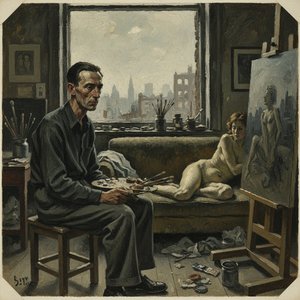
Lucian Freud: Psychologische Porträts einer Nachkriegsgeneration
Entdecken Sie Lucian Freuds tiefgründige Porträts und ihren Einfluss auf die Nachkriegsmoderne. Analyse seiner Technik, Sujets und seines Vermächtnisses für Kunstsammler und Kenner.

Meister der Abstraktion: Die 25 ikonischsten Werke von Wassily Kandinsky
Entdecken Sie die 25 Meisterwerke Kandinskys und die Magie der Abstraktion. Erleben Sie die volle Sammlung auf OriginalUniqueArt.com.


