
 Vorschau anzeigen
 Versenden
 Teilen
 Details anzeigen

 Herunterladen
 Ähnliche Objekte
 Röntgenaufnahme
 Diashow
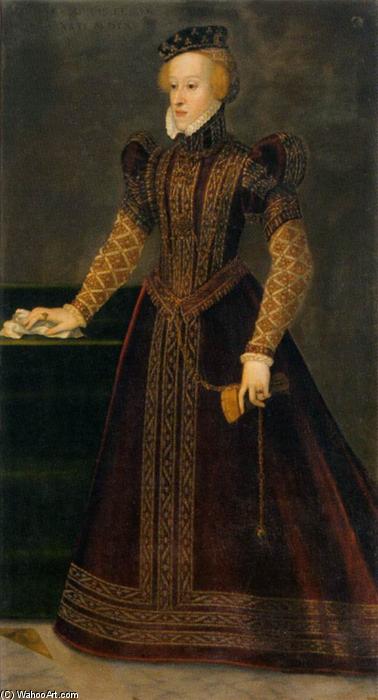
Archduchess Barbara


 Weiterlesen
Handgefertigte Ölreproduktion
Handgemaltes Ölgemälde auf Leinwand in Ihrer Wunschgröße und mit Rahmen, auf Bestellung von unseren Künstlern angefertigt. ( Druck bestellen Bild kaufen)




































Wählen Sie aus unseren vordefinierten Formaten, die den ursprünglichen Proportionen des Kunstwerks entsprechen.

Sie können Ihre eigenen Maße eingeben, um einen bestimmten Rahmen oder Platz auszufüllen. Wenn die gewählte Größe nicht den Proportionen des Originalbildes entspricht, werden wir das Kunstwerk entweder beschneiden oder das Gemälde durch zusätzliche, handgemalte Elemente erweitern. Ein digitales Mockup wird Ihnen zur Genehmigung zugesandt, bevor die Produktion beginnt.
Bitte beachten Sie, dass die Bildschirmvorschau nicht die tatsächliche Beschneidung oder Erweiterung widerspiegelt. Nur das Mockup zeigt die endgültige Komposition exakt an.
Obwohl Sondermaße verfügbar sind, empfehlen wir, eine Größe aus der vordefinierten Liste zu wählen, um die ursprünglichen Proportionen beizubehalten.
Nach der Bestellung wird das OriginalUniqueArt.com-Team dem Kunden Anweisungen per E-Mail zusenden und eine Mockup-Vorschau bereitstellen.
Weltweiter Versand () in nur 3 bis 4 Wochen statt der üblichen 5 Wochen. (13 August). Keine Kompromisse bei der Qualität.

Kostenloser weltweiter Expressversand

Hochwertige Leinenleinwand

Umfassender Versicherungsschutz beim Versand

Zollgebühren-Rückerstattungsgarantie

Garantie für exakte Farbtreue

60 Tage Rückgaberecht (nur bei Mängeln)

100% Geld-zurück-Garantie

Mengenrabatt verfügbar
 Die Glasoption ist nur für Größen unter 110 cm verfügbar.

Archduchess Barbara
Art der Reproduktion
Format der Reproduktion
-


Gesamtpreis
$ 300
Über den Künstler
Francesco Terzio: A Renaissance Painter Caught Between Tradition and Innovation
Francesco Terzio (ca. 1523 – August 20, 1591) stands as a fascinating figure in the artistic landscape of the Italian Renaissance, embodying both adherence to established stylistic conventions and a burgeoning exploration of expressive potential. Born in Bergamo, Italy, he emerged from a milieu steeped in humanist scholarship and artistic patronage—a context that profoundly shaped his oeuvre and cemented his place within the broader narrative of European art history. His formative years coincided with the zenith of Mannerism, a movement characterized by elongated figures, stylized poses, and an emphasis on illusionistic effects, yet Terzio skillfully navigated these currents, forging a distinctive visual language that distinguishes him from many of his contemporaries.- Early Training & Influences: Terzio’s artistic education began under Giovanni Battista Moroni, a sculptor renowned for his masterful depiction of human anatomy and emotional depth. Moroni instilled in Terzio a meticulous attention to detail and a commitment to capturing the essence of human experience—principles that would permeate his subsequent works. This influence is particularly evident in his early paintings, which demonstrate a remarkable command of chiaroscuro and a sensitivity to sculptural modeling.
- Notable Commissions & Artistic Style: Terzio’s career gained considerable momentum through commissions from prominent patrons, including Emperor Maximilian II in Vienna and Archduke Ferdinand II. These engagements allowed him to hone his skills and experiment with innovative techniques—most notably his monumental frescoes adorning Schloss Ambras, Innsbruck. His style is marked by a harmonious blend of Mannerist elegance and Renaissance realism, achieved through masterful use of color palettes and compositional arrangements. The artist’s penchant for capturing psychological nuance—particularly in portraits—established him as one of the foremost portraitists of his era.
- The Habsburg Court & Artistic Legacy: Terzio's prolonged association with the Habsburg court proved pivotal to his artistic development and solidified his reputation as a royal painter. He produced a prolific series of portraits documenting the imperial family, capturing their likenesses with remarkable accuracy and conveying subtle expressions of emotion. Furthermore, Terzio’s involvement in the creation of engravings after drawings—particularly those depicting the Habsburg monarchs—became invaluable instruments for documenting imperial history and shaping public perception.
- Religious Art & Artistic Vision: Among Terzio's most celebrated achievements are two paintings commissioned for San Francesco di Paola in Bergamo—a Nativity scene and an Assumption of the Virgin. These works exemplify Terzio’s dedication to religious iconography, reflecting the humanist ideals prevalent during his time while simultaneously embracing Mannerist stylistic conventions. The artist’s meticulous attention to detail and expressive use of color underscore his profound understanding of artistic principles.
- Recognition & Historical Significance: Francesco Terzio's legacy extends beyond his individual artworks; he served as a visionary Jesuit writer and engineer, demonstrating intellectual curiosity alongside artistic talent. His engravings after drawings—particularly those depicting the Habsburg monarchs—became invaluable instruments for documenting imperial history and shaping public perception. Today, Terzio’s paintings continue to inspire admiration for their technical brilliance and emotional resonance, securing his place as an enduring symbol of Renaissance artistry.

Francesco Terzio
1523 - 1591 , Italien
Kurzinfos
- Artistic Movement Or Style: Renaissance Malerei
- Artists Or Movements Influenced By This Artist: ['Charles V']
- Artists Who Influenced This Artist: ['Giovanni Battista Moroni']
- Date Of Birth: ca. 1523
- Date Of Death: 1591
- Full Name: Francesco Terzio
- Nationality: Italienisch
- Notable Artworks:
- Nativity Szenen
- Aufnahme Marias
- Place Of Birth: Bergamo, Italien

