
 Druck bestellen Bild kaufen
 Versenden
 Teilen
 Details anzeigen
 Zu Favoriten hinzufügen

 Herunterladen
 Ähnliche Objekte
 Röntgenaufnahme
 Diashow anzeigen
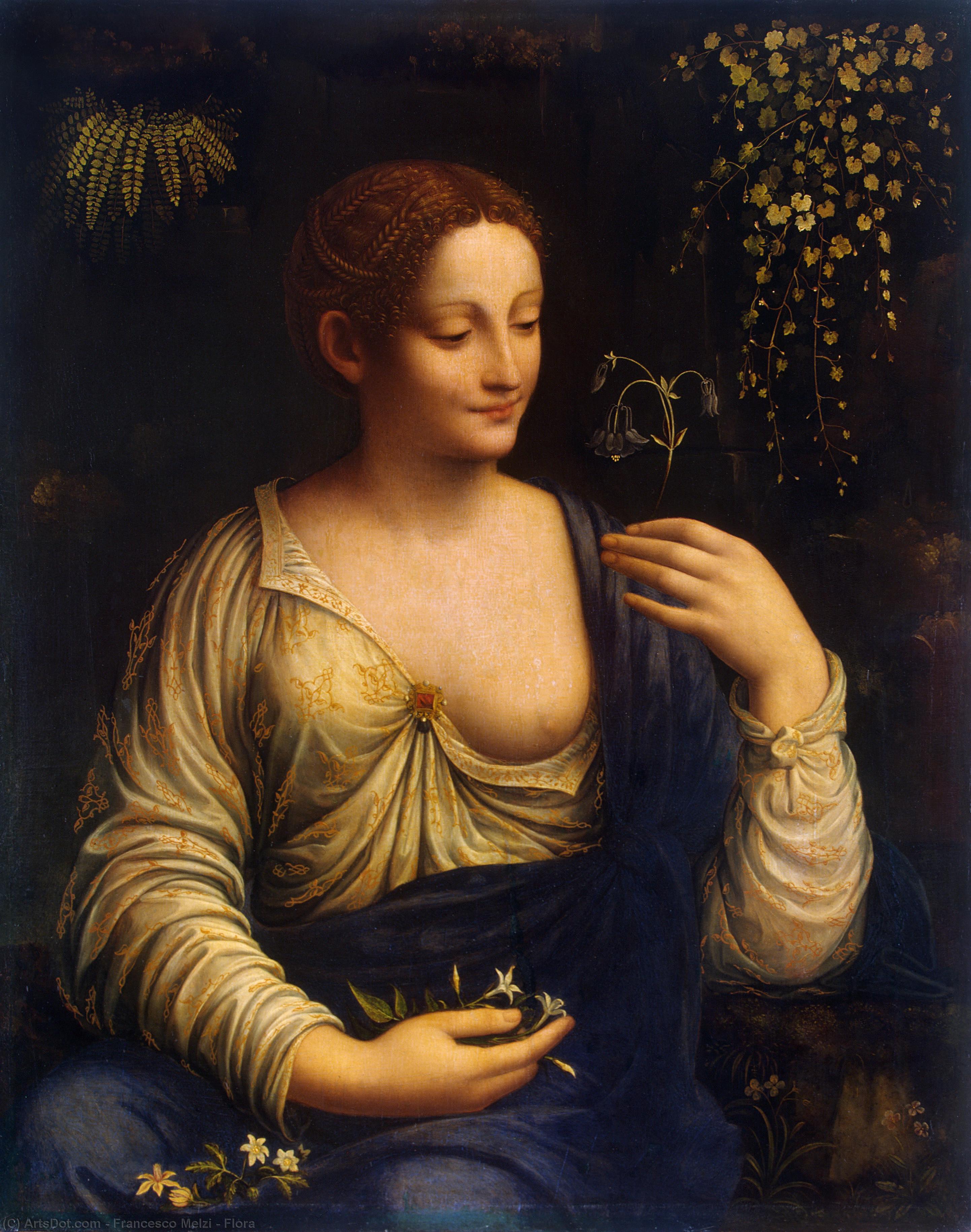
Flora
 Acrylic On Canvas
- WallArt
- High Renaissance
 1517
1517 76.0 x 63.0 cm
 Eremitage Museum
 Weiterlesen
Handgefertigte Öl-Reproduktion
Handgemaltes Ölgemälde auf Leinwand in Ihrer Wunschgröße und mit Rahmen, auf Bestellung von unseren Künstlern angefertigt.




P118B $10

P118H $10

P118W $10

P438Z $10

P508JH $12

P508YH $12

P805H $10

P805Z $10

P919BZ $10

P919G $10

P919XJ $10

P959ZH $10

P968JZ $12

W106C $8

W218G $10

W218JH $8

W218Y $10

W307PJ $10

W316G $10

W316PJ $8

W316Y $10

W398PJ $8

W4111J $10

W500HY $15

W500JH $15

W692G $12

W849H $8

W940BG $15

W953PJ $8




Wählen Sie aus unseren vordefinierten Größen, die den ursprünglichen Proportionen des Kunstwerks entsprechen.

Sie können Ihre eigenen Maße eingeben, um einen bestimmten Rahmen oder Platz auszufüllen. Wenn die gewählte Größe nicht den Proportionen des Originalbildes entspricht, werden wir das Kunstwerk entweder beschneiden oder das Gemälde durch zusätzliche, handgemalte Elemente erweitern. Ein digitales Mockup wird Ihnen zur Genehmigung zugesandt, bevor die Produktion beginnt.
Bitte beachten Sie, dass die Bildschirmvorschau nicht die tatsächliche Beschneidung oder Erweiterung widerspiegelt. Nur das Mockup zeigt die endgültige Komposition exakt an.
Obwohl Sondermaße verfügbar sind, empfehlen wir, eine Größe aus der vordefinierten Liste zu wählen, um die ursprünglichen Proportionen beizubehalten.
Nach der Bestellung wird das OriginalUniqueArt.com-Team dem Kunden Anweisungen per E-Mail zusenden und eine Mockup-Vorschau bereitstellen.
Weltweiter Versand () in nur 3 bis 4 Wochen statt der üblichen 5 Wochen. (22 Juli). Keine Kompromisse bei der Qualität.

Kostenloser weltweiter Expressversand

Hochwertige Leinenleinwand

Umfassender Versicherungsschutz beim Versand

Zollsteuer-Rückerstattungsgarantie

Garantie für echte Farbtreue

60-Tage-Rückgaberecht (nur bei Mängeln)

100% Geld-zurück-Garantie

Mengenrabatt verfügbar
 Die Glasoption ist nur in Größen unter 110 cm verfügbar.

Flora
Art der Reproduktion
Größe der Reproduktion
-


Endpreis aller Optionen
-
Beschreibung des Kunstwerks
A Portrait of Contemplation: Francesco Melzi’s “Flora”
Francesco Melzi's "Flora," painted in 1517-21, is more than just a beautiful depiction of a young woman; it’s a poignant window into the heart of the Renaissance and the enduring legacy of Leonardo da Vinci. This exquisite oil painting, now residing within the walls of the State Hermitage Museum in St. Petersburg, captures a moment of quiet introspection, inviting viewers to contemplate the delicate balance between beauty, nature, and the human spirit.
The subject, believed to be a lady from Leonardo’s circle – possibly Isabella de' Medici or another noblewoman – is presented with an almost ethereal grace. Her gaze, directed slightly downward, suggests a private thought, a moment of absorption lost in the contemplation of a flower held delicately in her hand. The composition is remarkably balanced, drawing the eye to the central figure while subtly incorporating elements of the natural world—a vase overflowing with lush greenery and a scattering of blossoms – that reinforce the painting’s thematic core.
The Master's Apprentice: Melzi and Leonardo
Francesco Melzi’s role in the artistic landscape of 16th-century Italy is often understated, overshadowed by the towering genius of Leonardo da Vinci. Yet, he was undeniably a pivotal figure, not merely as a student but as Leonardo’s closest companion and, crucially, his literary executor. After Leonardo's death, Melzi meticulously documented the master’s vast collection of notes, sketches, and ideas, culminating in the Codex Urbinas – a monumental undertaking that preserved Leonardo’s intellectual legacy for posterity. Melzi’s dedication to preserving this knowledge speaks volumes about their profound bond and his commitment to carrying on Leonardo's work.
The painting itself reflects Melzi’s artistic development, heavily influenced by Leonardo’s meticulous observation of nature and his masterful use of sfumato – the subtle blurring of lines and colors that creates an atmospheric depth. Melzi’s ability to capture this delicate effect is evident in the soft transitions between light and shadow, particularly around the figure's face and hands.
Symbolism and Renaissance Ideals
“Flora” resonates deeply with the core values of the High Renaissance. The painting celebrates beauty, harmony, and the interconnectedness of humanity and nature – themes central to humanist thought during this period. The flower itself is a potent symbol of fertility, renewal, and earthly delight, while the woman’s contemplative pose suggests an appreciation for the finer things in life and a connection to the natural world.
Furthermore, the inclusion of botanical details—the precise rendering of each leaf and petal—demonstrates the Renaissance fascination with scientific observation and knowledge. Leonardo himself was a keen student of botany, and this interest undoubtedly influenced Melzi’s approach to painting. The scene evokes a sense of quietude and serenity, reflecting the humanist ideal of finding beauty and meaning in the everyday world.
A Timeless Masterpiece: Reproduction Possibilities
Reproductions of “Flora” offer an exceptional opportunity to bring this captivating artwork into your home or office. Available through reputable sources like 1st Art Gallery, these high-quality prints capture the painting’s rich colors and intricate details with remarkable fidelity. Whether you choose a framed version for immediate display or a rolled canvas for custom framing, you'll possess a tangible connection to one of the Renaissance’s most enduring treasures.
Consider commissioning a hand-painted reproduction – a truly unique piece that honors the original while adding your own personal touch. The meticulous craftsmanship and attention to detail will ensure that your reproduction is not just a print, but a faithful representation of Melzi's masterpiece, ready to inspire for generations to come.
Biografie des Künstlers
Frühes Leben und Ausbildung
- Geboren: Mailand, Italien (1491)
- Gestorben: 1570, Italien
- Familiärer Hintergrund: Francesco Melzi wurde in eine Familie des Mailänder Adels in der Lombardei geboren. Sein Vater, Gerolamo Melzi, diente als Ingenieur für Francesco II Sforza und später als Hauptmann in der Miliz unter Ludwig XII.
- Aufziehen: Er wuchs am Mailänder Hof auf und erhielt eine gute Ausbildung, die auch eine künstlerische Ausbildung umfasste. Diese Erziehung vermittelte ihm gute Manieren und ein Verantwortungsbewusstsein.
- Begegnung mit Leonardo da Vinci: Ein entscheidender Moment ereignete sich gegen 1505, als Leonardo da Vinci nach Mailand zurückkehrte und bei der Familie Melzi wohnte. Da Vinci war von Francesco's freundlichem Wesen und seiner Schönheit fasziniert, was zu einer Lehrlingsausbildung führte, die sein Leben tiefgreifend prägen sollte.
Die Lehrzeit unter Leonardo da Vinci
- Enge Beziehung: Francesco wurde schnell Leonardos Lieblingsschüler und ergebenster Assistent. Er begleitete Leonardo auf Reisen nach Rom (1513) und Frankreich (1516).
- Rolle als Assistent: Über die künstlerische Ausbildung hinaus diente Francesco als Begleiter, Sekretär und Testamentsvollstrecker für Leonardo. Zu seinen Aufgaben gehörte das Abschreiben von Manuskripten wie dem Codex Trivulzianus.
- Codex Urbinas: Ein bedeutender Beitrag war seine Rolle bei der Sammlung, Organisation und Bewahrung Leonardos Notizen zum Malen, die er in das Manuskript bekannt als Codex Urbinas verwandelte. Diese Arbeit sorgte für die Bewahrung Leonardos künstlerischen Erbes.
- Letzter Schüler: Francesco blieb bis zu Leonardos Tod im Jahr 1519 bei ihm und war damit der letzte von Leonardos Schülern, der an seiner Seite blieb.
Künstlerische Beiträge und Vermächtnis
- Begrenzter künstlerischer Output: Obwohl er ein fähiger Maler war, ist Francesco's künstlerisches Werk relativ begrenzt im Vergleich zu seinem Meister. Er ist in erster Linie für seine Verbindung zu Leonardo da Vinci bekannt und nicht für eigenständige Kunstwerke.
- Vollendung unvollendeter Werke: Nach Leonardos Tod vollendete Francesco einige Pläne und Gemälde, die Da Vinci unvollendet zurückgelassen hatte.
- Bewahrung von Leonardos Werk: Sein bleibendes Vermächtnis liegt in seiner Rolle als Testamentsvollstrecker Leonardos und seiner Verantwortung für die Pflege Leonardos Werke. Er sorgte dafür, dass Leonardos Ideen verbreitet wurden, wenn auch nicht sofort veröffentlicht.
- Einfluss auf die Kunstgeschichte: Obwohl er von Leonardo überschattet wurde, war Francesco's Beitrag zur Bewahrung Leonardos Notizen entscheidend für Kunsthistoriker und Wissenschaftler, die den Renaissance-Meister studieren. Sigmund Freud vermutete, dass seine Unfähigkeit, sich von seinem Meister abzugrenzen, sein eigenes künstlerisches Aufblühen behinderte.
Späteres Leben und Familie
- Heirat und Kinder: Nach Leonardos Tod kehrte Francesco nach Italien zurück und heiratete Angiola di Landriani. Sie hatten acht Kinder.
- Erbfolge der Manuskripte: Sein Sohn Orazio erbte Leonardos Manuskripte nach Francesco's Tod im Jahr 1569/70.
- Fortwährende Verbindung zu Leonardos Vermächtnis: Francesco blieb sein Leben lang mit Leonardos Vermächtnis verbunden und sorgte für die Bewahrung und schließlich die Verbreitung seines Meisters Werkes.

Francesco Melzi
1491 - 1570 , Italien
Kurzinfos
- Beeinflusste Künstler: ['Leonardo da Vinci']
- Geburtsdatum: 1491
- Geburtsort (Stadt Und Land): Mailand, Italien
- Künstlerische Bewegung Oder Stil: Hochrenaissance
- Nationalität: Italienisch
- Todatum: 1570
- Vollständiger Name: Francesco Melzi
Ähnliche Artikel
Leonardo da Vinci: Die 25 Meisterwerke für Ihr Zuhause | OriginalUniqueArt
Entdecken Sie die 25 Meisterwerke von Leonardo da Vinci! Erfahren Sie faszinierende Geschichten hinter Gemälden wie der Mona Lisa & Das letzte Abendmahl. Hochwertige Reproduktionen für Ihr Zuhause – jetzt bei OriginalUniqueArt entdecken!
Renaissance Humanismus: Die 10 Meisterwerke, die eine Epoche prägten – Kunst für Ihr Zuhause
Entdecken Sie die 10 Meisterwerke der Renaissance Humanismus! Von Leonardo da Vinci bis Michelangelo – erfahren Sie die Geschichten hinter ikonischen Gemälden & Skulpturen. Finden Sie Ihre perfekte Reproduktion auf OriginalUniqueArt.com.
Frührenaissance: Die 10 Meisterwerke, die eine Epoche prägten – Kunst für Ihr Zuhause
Entdecken Sie die 10 prägendsten Meisterwerke der Frührenaissance! Von Giotto bis Botticelli – erleben Sie Kunstgeschichte hautnah. Hochwertige Reproduktionen für Ihr Zuhause auf .
Leonardo da Vinci: Synthese von Kunst, Wissenschaft und menschlicher Beobachtung – Eine Renaissance-Meisterleistung für den Kenner
Entdecken Sie Leonardo da Vincis revolutionäre Kunst und Wissenschaft! Expertenanalyse seiner Meisterwerke, Techniken wie Sfumato & Chiaroscuro. Für Kenner und Sammler.
Die 10 Meisterwerke der Hochrenaissance: Kunstgeschichte für Ihr Zuhause |
Entdecken Sie die 10 prägendsten Meisterwerke der Hochrenaissance! Erfahren Sie die Geschichten von Leonardo da Vinci, Michelangelo & Raffael. Finden Sie Ihre perfekte Kunst für Zuhause bei – Museumqualität und exklusive Reproduktionen online entdecken.

