
 Preview
 Gemälde kaufen Bild kaufen
 Versenden
 Teilen
 Details anzeigen
 Zu Favoriten hinzufügen

 Herunterladen
 Ähnliche Objekte
 Röntgenaufnahme
 Diashow anzeigen
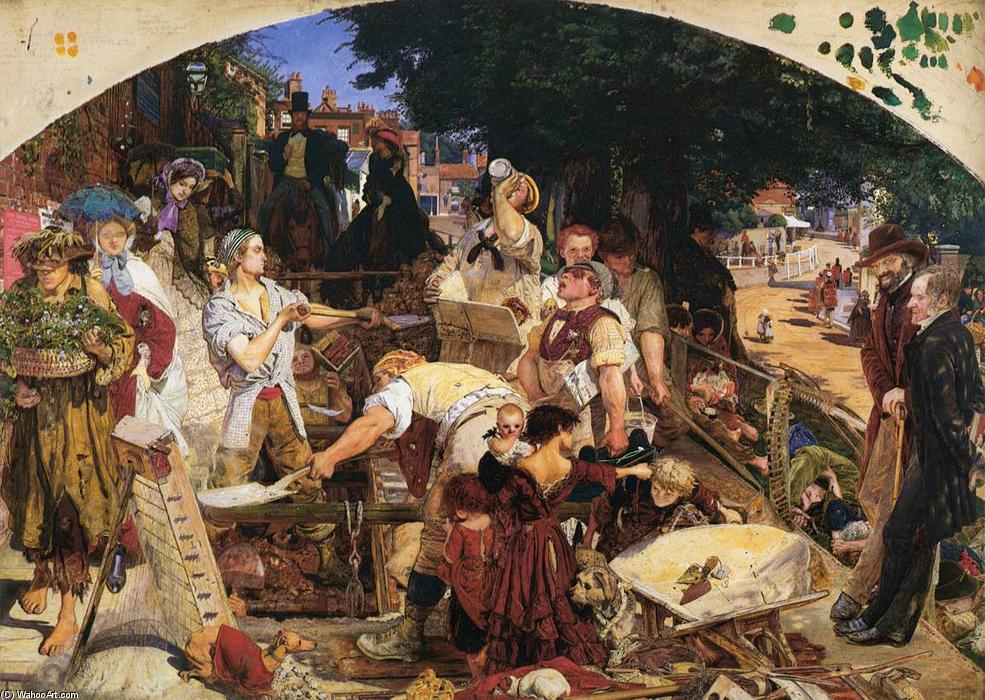
Work
 Oil On Canvas
- WallArt
- Pre-Raphaelite Revival
 1852
1852 137.0 x 197.0 cm
 City Art Gallery
 Weiterlesen
Giclée / Kunstdruck
Giclée- oder Leinwanddruck in Museumsqualität mit schneller Produktion und flexiblen Veredelungsoptionen.




P118B $10

P118H $10

P118W $10

P438Z $10

P508JH $12

P508YH $12

P805H $10

P805Z $10

P919BZ $10

P919G $10

P919XJ $10

P959ZH $10

P968JZ $12

W106C $8

W218G $10

W218JH $8

W218Y $10

W307PJ $10

W316G $10

W316PJ $8

W316Y $10

W398PJ $8

W4111J $10

W500HY $15

W500JH $15

W692G $12

W849H $8

W940BG $15

W953PJ $8




Wählen Sie aus unseren vordefinierten Größen, die den ursprünglichen Proportionen des Kunstwerks entsprechen.

Sie können Ihre eigenen Maße eingeben, um ein bestimmtes Format oder einen speziellen Platz einzupassen. Wenn das von Ihnen gewählte Format nicht den Proportionen des Originalbildes entspricht, werden wir das Kunstwerk entweder beschneiden oder das Bild mit einem gespiegelten oder einfarbigen Rand erweitern. Ein digitaler Entwurf wird Ihnen zur Genehmigung zugesandt, bevor die Produktion beginnt.
Bitte beachten Sie, dass die Vorschau auf dem Bildschirm nicht den tatsächlichen Zuschnitt oder die Erweiterung widerspiegelt. Nur der Entwurf zeigt die endgültige Komposition präzise an.
Obwohl Sondermaße verfügbar sind, empfehlen wir die Auswahl eines Maßes aus der vordefinierten Liste, um die ursprünglichen Proportionen zu bewahren.
Weltweiter Versand () innerhalb von 2 Wochen statt der üblichen 4/5 Wochen. (23 Juli)

Kostenloser weltweiter Expressversand

Hochwertige Leinenleinwand

Umfassender Versicherungsschutz beim Versand

Zollsteuer-Rückerstattungsgarantie

Garantie für echte Farbtreue

60-Tage-Rückgaberecht (nur bei Mängeln)

100% Geld-zurück-Garantie

Mengenrabatt verfügbar
 Die Glasoption ist nur in Größen unter 110 cm verfügbar.

Work
Giclée / Kunstdruck
Größe der Reproduktion
-


Endpreis aller Optionen
-
Beschreibung des Sammlerstücks
Ford Madox Brown’s “Work”: A Symphony of Labor and Salvation
Ford Madox Brown's "Work," completed between 1852 and 1865, isn’t merely a depiction of a bustling Victorian street scene; it’s a profound meditation on the very nature of labor, morality, and the spiritual condition of an era grappling with rapid industrialization. This monumental oil painting, now residing in the Manchester City Art Gallery, stands as a testament to Brown's Pre-Raphaelite vision—a fusion of meticulous realism, vibrant color, and deeply embedded social commentary. The canvas explodes with activity, yet within this apparent chaos lies a carefully orchestrated narrative designed to provoke reflection on the value of honest toil and its connection to divine grace.
The scene unfolds in Hampstead Heath, capturing a group of navvies – laborers constructing a new water supply system—engaged in their arduous task. Brown’s genius lies not just in his technical mastery but in his ability to imbue these figures with dignity and humanity. He avoids the typical romanticized portrayal of manual labor often found in earlier works; instead, he presents them as complex individuals, each contributing to a larger communal effort. The composition is dominated by a semi-circular arrangement, drawing the viewer’s eye towards a central female figure, arguably representing both the Virgin Mary and a symbol of domestic virtue. Surrounding her are a diverse cast—a young couple struggling to feed their child, an unemployed haymaker, a pious middle-class woman distributing temperance tracts, and even a skeptical aristocrat observing the scene from horseback.
A Pre-Raphaelite Vision: Color, Detail, and Symbolism
Brown’s artistic approach is deeply rooted in the Pre-Raphaelite movement's core tenets. He employs a remarkably rich and vibrant palette—a departure from the muted tones often associated with academic painting—to capture the intensity of sunlight and the textures of clothing and skin. The meticulous detail, evident in every brushstroke, invites close scrutiny, revealing an astonishing level of observation and technical skill. The figures are rendered with a heightened sense of realism, yet imbued with a symbolic weight that elevates the scene beyond a simple snapshot of daily life.
Symbolism permeates “Work.” The bright sunlight, for instance, isn’t merely atmospheric; it represents divine illumination—a metaphorical light guiding the laborers towards salvation through honest labor. The placement of figures within the composition is deliberate, creating a visual hierarchy that underscores Brown's moral argument. The central female figure acts as a focal point, connecting the earthly realm of labor with the spiritual realm of grace. Even seemingly mundane details, such as the discarded temperance leaflet or the broken wheelbarrow, carry symbolic weight, highlighting the social injustices and inequalities prevalent in Victorian England.
Historical Context: Industrialization and Moral Reform
“Work” was painted during a period of profound social and economic upheaval. The rise of industrialization had transformed Britain into an empire fueled by factories and railways, but it also created immense poverty, overcrowding, and social unrest. The Pre-Raphaelites, including Brown, sought to challenge the prevailing artistic conventions and address pressing social issues through their art. They were influenced by thinkers like Thomas Carlyle, who argued that labor was a moral imperative—a means of achieving spiritual fulfillment. Carlyle’s ideas resonated deeply with Brown, informing his depiction of work as a pathway to salvation.
The painting reflects the broader intellectual and religious currents of the time. The Victorian era witnessed a resurgence of interest in biblical themes and a renewed emphasis on Christian morality. Brown's decision to depict laborers—often marginalized and ignored by mainstream society—as potential heroes underscores this shift in values. He suggests that true nobility lies not in wealth or status, but in the dedication and perseverance required to earn one’s livelihood through honest work.
Emotional Resonance: A Timeless Message
“Work” continues to resonate with viewers today because of its enduring message about the dignity of labor and the importance of social justice. The painting's raw energy, vibrant colors, and complex symbolism create a powerful emotional experience—one that challenges us to consider our own relationship to work, community, and spirituality. It’s a reminder that even in the midst of hardship and struggle, there is inherent value in contributing to something larger than oneself.
Reproductions of “Work” offer a remarkable opportunity to bring this masterpiece into your home or office—a visual testament to the enduring power of art to inspire reflection and promote social awareness. Each brushstroke captures not just a scene, but an entire era’s anxieties and aspirations, making it a truly timeless addition to any collection.
Biografie des Künstlers
Frühe Jahre und Karriere
Ford Madox Brown, ein britischer Maler, wurde am 16. April 1821 in Calais, Frankreich, geboren. Seine frühen Jahre waren geprägt von häufigen Umzügen zwischen Unterkünften im Pas-de-Calais und Verwandten in Kent, was seine Bildungsmöglichkeiten einschränkte. Dennoch zeigte er schon früh künstlerisches Talent, insbesondere beim Kopieren alter Meisterdrucke.Künstlerischer Stil und bedeutende Werke
Browns Gemälde zeichnen sich durch ihre lebendigen Farben und ihren Realismus aus und stellen oft historische und moralische Themen dar. Sein bekanntestes Werk ist wohl Work (1852-1865), ein Gemälde, das seinen unverwechselbaren grafischen und Hogarthian Stil zeigt. Die Manchester-Wandgemälde, eine Reihe von zwölf Werken, die für den Manchester Town Hall geschaffen wurden, sind ein weiteres bemerkenswertes Beispiel für Browns Kunst. Diese Wandgemälde stellen die Geschichte Manchesters dar und gelten als einige der feinsten Beispiele für Präraffaelitische Kunst.- Die Darstellung des einfachen Volkes in seinen Gemälden war revolutionär für seine Zeit.
Einfluss und Vermächtnis
Brown war Berater und Freund der Mitglieder der Präraffaeliten-Bruderschaft, eine Gruppe, die er mit seinem künstlerischen Stil beeinflusste. Seine Arbeit wurde weithin anerkannt, und er gilt als einer der Pioniere der Präraffaelitischen Kunst.- The Pinch of Poverty von Thomas Benjamin Kennington, einem Kollegen, zeigt den Einfluss von Browns Stil auf andere Künstler.
- Browns eigene Werke, wie The Last of England, demonstrieren seine Fähigkeit, die Essenz historischer und moralischer Themen einzufangen.
Persönliches Leben und späte Jahre
Brown heiratete zweimal: zuerst Elizabeth Bromley 1841, die 1846 starb, und dann Emily Hill 1853, die 1890 verstarb. Er hatte fünf Kinder, darunter Lucy Madox Brown und Catherine Madox Brown. Seine Familie spielte eine wichtige Rolle in seinem Leben und beeinflusste oft seine künstlerischen Themen. Wichtige Links: * Ford Madox Browns Profil auf OriginalUniqueArt * Ford Madox Browns Wikipedia-Seite * The Paint Beneath the Prose: Ford Madox Browns Einfluss auf die Präraffaeliten-BruderschaftEntwicklung und Bedeutung
Brown entwickelte seinen Stil im Laufe der Jahre weiter, beeinflusst von Künstlern wie Hans Holbein und den Nazarenern. Er war ein wichtiger Vermittler zwischen verschiedenen künstlerischen Strömungen und trug dazu bei, die Präraffaelitische Bewegung zu definieren. Seine Betonung des Realismus und seiner Darstellung sozialer Themen machten ihn zu einem wichtigen Beobachter der viktorianischen Gesellschaft. Sein Engagement für die Kunst erstreckte sich auch auf das Design, wo er mit William Morris zusammenarbeitete und zur Arts and Crafts-Bewegung beitrug.
Ford Madox Brown
1821 - 1893 , Frankreich
Kurzinfos
- Beeinflusste Künstler:
- Dante Gabriel Rossetti
- William Holman Hunt
- Bemerkenswerte Werke:
- Work (1852-1865)
- Die Manchester Wandgemälde
- The Last of England
- Geburtsdatum: 16. April 1821
- Geburtsort: Calais, Frankreich
- Künstlerische Bewegung: Präraffaeliten
- Nationalität: Britisch
- Sterbedatum: 11. Oktober 1893
- Vollständiger Name: Ford Madox Brown
- Von Künstlern Beeinflusst:
- Hans Holbein
- Nazarener Bewegung
Ähnliche Artikel

Anthony Frederick Sandys: Pre-Raphaelite Vision & Victorian Aesthetic Exploration
Discover the captivating Pre-Raphaelite world of Anthony Frederick Sandys (1829-1904). Explore his mythological scenes, portraits & Victorian artistry. Learn about his influences and lasting legacy.
R.A. Benjamin Williams: Victorian Genre Painting & Social Commentary
Explore the captivating world of Benjamin Williams Leader's Victorian genre paintings. Discover his mastery of naturalism, social commentary & lasting influence on British art. Expert insights at OriginalUniqueArt.

Sir John Everett Millais: Präraffaelitische Revolution und viktorianische Erzählkunst
Entdecken Sie das Leben und Werk von Sir John Everett Millais, einem Pionier der Präraffaeliten! Detaillierte Analysen seiner Gemälde, Einblicke in die viktorianische Kunstszene und seine bleibende Bedeutung. Jetzt lesen!

Edmund Blair Leighton: Victorian Romance & Narrative Painting's Golden Age
Explore the captivating world of Edmund Blair Leighton, Victorian master of romantic narrative painting. Discover his iconic works & Pre-Raphaelite influences at OriginalUniqueArt.
John Collier: Pre-Raphaelite Realism & Victorian Psychological Portraiture
Explore the captivating world of John Collier, a leading Pre-Raphaelite painter renowned for his psychologically insightful Victorian portraits. Discover his masterpieces and lasting artistic legacy.



