

 In echtem Maßstab anzeigen
 Versenden als Grußkarte
 Teilen
 Details anzeigen
 Leitfaden

 Herunterladen
 Ähnliche Objekte
 Röntgenaufnahme
 Diashow
 Besucherstatistiken
The pretty Baa Lambs


 Mehr anzeigen
Handgefertigte Ölreproduktion
Handgemaltes Ölgemälde auf Leinwand in Ihrer Wunschgröße und mit Rahmen, auf Bestellung von unseren Künstlern angefertigt. ( Zum Druck wechseln Zum digitalen Bild wechseln)




P118B $10

P118H $10

P118W $10

P438Z $10

P508JH $12

P508YH $12

P805H $10

P805Z $10

P919BZ $10

P919G $10

P919XJ $10

P959ZH $10

P968JZ $12

W106C $8

W218G $10

W218JH $8

W218Y $10

W307PJ $10

W316G $10

W316PJ $8

W316Y $10

W398PJ $8

W4111J $10

W500HY $15

W500JH $15

W692G $12

W849H $8

W940BG $15

W953PJ $8




Wählen Sie aus unseren vordefinierten Formaten, die den ursprünglichen Proportionen des Kunstwerks entsprechen.

Sie können Ihre eigenen Maße eingeben, um einen bestimmten Rahmen oder Platz auszufüllen. Wenn die gewählte Größe nicht den Proportionen des Originalbildes entspricht, werden wir das Kunstwerk entweder beschneiden oder das Gemälde durch zusätzliche, handgemalte Elemente erweitern. Ein digitales Mockup wird Ihnen zur Genehmigung zugesandt, bevor die Produktion beginnt.
Bitte beachten Sie, dass die Bildschirmvorschau nicht die tatsächliche Beschneidung oder Erweiterung widerspiegelt. Nur das Mockup zeigt die endgültige Komposition exakt an.
Obwohl Sondermaße verfügbar sind, empfehlen wir, eine Größe aus der vordefinierten Liste zu wählen, um die ursprünglichen Proportionen beizubehalten.
Nach der Bestellung wird das OriginalUniqueArt.com-Team dem Kunden Anweisungen per E-Mail zusenden und eine Mockup-Vorschau bereitstellen.
Weltweiter Versand () in nur 3 bis 4 Wochen statt der üblichen 5 Wochen. (21 September). Keine Kompromisse bei der Qualität.

Kostenloser weltweiter Expressversand

Hochwertige Leinenleinwand

Vollständiger Versicherungsschutz beim Versand

Zollgebühren-Rückerstattungsgarantie

Garantie für exakte Farbtreue

100-tägiges Rückgaberecht (nur bei Mängeln)

100% Geld-zurück-Garantie

Angebot für Mengenrabatt
 Die Glasoption ist nur für Größen unter 110 cm verfügbar.

The pretty Baa Lambs
Reproduktionsmedium
Format der Reproduktion
-


Gesamtpreis
$ 325
A Moment of Rural Bliss: Ford Madox Brown’s “The Pretty Baa Lambs”
Ford Madox Brown's "The Pretty Baa Lambs," painted in 1852, isn’t merely a depiction of a pastoral scene; it’s an immersion into a carefully constructed world of innocence, familial warmth, and the quiet beauty of the English countryside. This oil-on-panel masterpiece, now residing within the Birmingham Museum and Art Gallery, immediately draws the viewer in with its vibrant palette and seemingly effortless composition – yet beneath this surface lies a complex interplay of symbolism and artistic intent. The painting captures a fleeting moment: a woman and child, dressed in the elegant fashions of the late 18th century, tenderly tending to a flock of fluffy lambs amidst a sun-drenched field. The scene is framed by a distant landscape, subtly hinting at a larger world beyond this idyllic enclosure.

Pre-Raphaelite Sensibilities and a Pioneering Technique
“The Pretty Baa Lambs” is firmly rooted in the Pre-Raphaelite movement, an artistic rebellion against the academic conventions of the Royal Academy. Brown, though never formally affiliated with the Brotherhood, shared their core values: a reverence for nature, a fascination with medieval and Renaissance art, and a commitment to depicting subjects with meticulous detail and emotional honesty. Unlike the polished surfaces favored by earlier generations, Brown’s technique is deliberately visible – brushstrokes are pronounced, paint is applied in thick layers, creating a textured surface that invites close inspection. This “impasto” effect adds a dynamic energy to the scene, particularly evident in the depiction of the lambs' wool and the billowing grasses.
Notably, Brown chose to paint *en plein air* – outdoors – a relatively new practice at the time. This decision allowed him to capture the fleeting effects of sunlight and shadow with remarkable accuracy, contributing significantly to the painting’s luminous quality. The use of color is particularly striking; the vibrant greens and blues of the landscape contrast sharply with the warm tones of the figures' clothing, creating a harmonious balance that draws the eye across the canvas.
Symbolism Within the Pastoral
Beyond its surface beauty, “The Pretty Baa Lambs” is rich in symbolic meaning. The woman and child represent domesticity, innocence, and the idealized virtues of rural life – values highly prized during the Victorian era. Their elegant attire suggests a privileged social status, subtly hinting at the contrast between this idyllic world and the realities of industrialization and poverty that were rapidly transforming England. The lambs themselves are potent symbols of abundance, fertility, and renewal. The act of feeding them represents nurturing and care – fundamental themes within the painting.
Interestingly, Brown himself famously downplayed any deeper meaning, stating simply that it was “a lady, a baby, two lambs, a servant maid and some grass.” However, this seemingly dismissive remark belies the careful construction of the scene and its complex interplay of visual and symbolic elements. The distant architecture in the background, for example, provides a subtle reminder of civilization and human presence, anchoring the idyllic pastoral within a broader social context.
A Legacy of Romantic Pastoral
“The Pretty Baa Lambs” remains a captivating work of art, admired for its beauty, technical skill, and evocative atmosphere. It exemplifies Brown’s ability to seamlessly blend Pre-Raphaelite ideals with his own unique artistic vision. Reproductions of this painting continue to resonate with viewers today, offering a glimpse into a bygone era – a time when the simple pleasures of rural life were idealized as a refuge from the complexities of modern society. Its enduring appeal lies in its ability to transport us to a world of serene beauty and timeless innocence.
Biografie des Künstlers
Frühe Jahre und Karriere
Ford Madox Brown, ein britischer Maler, wurde am 16. April 1821 in Calais, Frankreich, geboren. Seine frühen Jahre waren geprägt von häufigen Umzügen zwischen Unterkünften im Pas-de-Calais und Verwandten in Kent, was seine Bildungsmöglichkeiten einschränkte. Dennoch zeigte er schon früh künstlerisches Talent, insbesondere beim Kopieren alter Meisterdrucke.Künstlerischer Stil und bedeutende Werke
Browns Gemälde zeichnen sich durch ihre lebendigen Farben und ihren Realismus aus und stellen oft historische und moralische Themen dar. Sein bekanntestes Werk ist wohl Work (1852-1865), ein Gemälde, das seinen unverwechselbaren grafischen und Hogarthian Stil zeigt. Die Manchester-Wandgemälde, eine Reihe von zwölf Werken, die für den Manchester Town Hall geschaffen wurden, sind ein weiteres bemerkenswertes Beispiel für Browns Kunst. Diese Wandgemälde stellen die Geschichte Manchesters dar und gelten als einige der feinsten Beispiele für Präraffaelitische Kunst.- Die Darstellung des einfachen Volkes in seinen Gemälden war revolutionär für seine Zeit.
Einfluss und Vermächtnis
Brown war Berater und Freund der Mitglieder der Präraffaeliten-Bruderschaft, eine Gruppe, die er mit seinem künstlerischen Stil beeinflusste. Seine Arbeit wurde weithin anerkannt, und er gilt als einer der Pioniere der Präraffaelitischen Kunst.- The Pinch of Poverty von Thomas Benjamin Kennington, einem Kollegen, zeigt den Einfluss von Browns Stil auf andere Künstler.
- Browns eigene Werke, wie The Last of England, demonstrieren seine Fähigkeit, die Essenz historischer und moralischer Themen einzufangen.
Persönliches Leben und späte Jahre
Brown heiratete zweimal: zuerst Elizabeth Bromley 1841, die 1846 starb, und dann Emily Hill 1853, die 1890 verstarb. Er hatte fünf Kinder, darunter Lucy Madox Brown und Catherine Madox Brown. Seine Familie spielte eine wichtige Rolle in seinem Leben und beeinflusste oft seine künstlerischen Themen. Wichtige Links: * Ford Madox Browns Profil auf OriginalUniqueArt * Ford Madox Browns Wikipedia-Seite * The Paint Beneath the Prose: Ford Madox Browns Einfluss auf die Präraffaeliten-BruderschaftEntwicklung und Bedeutung
Brown entwickelte seinen Stil im Laufe der Jahre weiter, beeinflusst von Künstlern wie Hans Holbein und den Nazarenern. Er war ein wichtiger Vermittler zwischen verschiedenen künstlerischen Strömungen und trug dazu bei, die Präraffaelitische Bewegung zu definieren. Seine Betonung des Realismus und seiner Darstellung sozialer Themen machten ihn zu einem wichtigen Beobachter der viktorianischen Gesellschaft. Sein Engagement für die Kunst erstreckte sich auch auf das Design, wo er mit William Morris zusammenarbeitete und zur Arts and Crafts-Bewegung beitrug.
Ford Madox Brown
1821 - 1893 , Frankreich
Eckdaten zum Künstler
- Beeinflusste Künstler:
- Dante Gabriel Rossetti
- William Holman Hunt
- Bemerkenswerte Werke:
- Work (1852-1865)
- Die Manchester Wandgemälde
- The Last of England
- Geburtsdatum: 16. April 1821
- Geburtsort: Calais, Frankreich
- Künstlerische Bewegung: Präraffaeliten
- Nationalität: Britisch
- Sterbedatum: 11. Oktober 1893
- Vollständiger Name: Ford Madox Brown
- Von Künstlern Beeinflusst:
- Hans Holbein
- Nazarener Bewegung
Verwandte Artikel

Sir John Everett Millais: Präraffaelitische Revolution und viktorianische Erzählkunst
Entdecken Sie das Leben und Werk von Sir John Everett Millais, einem Pionier der Präraffaeliten! Detaillierte Analysen seiner Gemälde, Einblicke in die viktorianische Kunstszene und seine bleibende Bedeutung. Jetzt lesen!
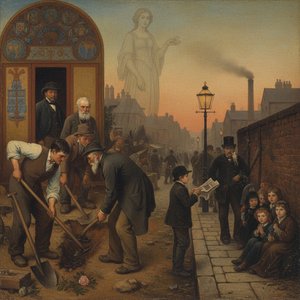
Ford Madox Brown: Pre-Raphaelite Visionary & Victorian Social Commentary
Explore the life & art of Ford Madox Brown, a pivotal Pre-Raphaelite painter renowned for his powerful social commentary and masterpiece 'Work'. Discover his lasting influence on British art history.
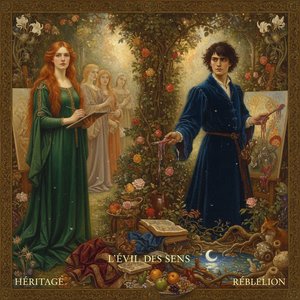
The Pre-Raphaelite Brotherhood: Reclaiming Beauty, Nature, and Truth in Victorian Art History
Explore the revolutionary Pre-Raphaelite Brotherhood. Discover how these visionary artists rejected academic tradition to reclaim beauty, nature, and truth through luminous detail and literary depth in Victorian art history.

Pre-Raphaelite Romanticism: A Guide to Vivid Detail and Medieval Beauty in Victorian Art
Explore the vivid detail and medieval beauty of Pre-Raphaelite Romanticism. Discover the history of masters like Rossetti and Millais through our expert guide to Victorian art, perfect for collectors and professionals seeking authentic, museum-quality reproductions.

Dante Gabriel Rossetti: Die 25 Meisterwerke des Präraffelitismus | OriginalUniqueArt
Entdecken Sie die 25 schönsten Gemälde von Dante Gabriel Rossetti! Tauchen Sie ein in die Welt der Präraffeliten, symbolistischer Kunst & viktorianischer Romantik. Hochwertige Reproduktionen für Ihr Zuhause – jetzt bei OriginalUniqueArt.com!


