Druck bestellen Bild kaufen
 Versenden
 Teilen
 Details anzeigen
 Zu Favoriten hinzufügen

 Herunterladen
 Ähnliche Objekte
 Röntgenaufnahme
 Diashow anzeigen
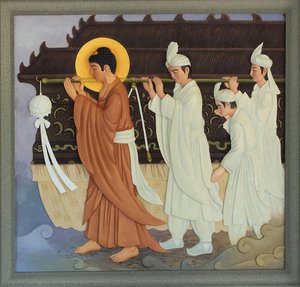
Devadatta


 Weiterlesen
Handgefertigte Öl-Reproduktion
Handgemaltes Ölgemälde auf Leinwand in Ihrer Wunschgröße und mit Rahmen, auf Bestellung von unseren Künstlern angefertigt.




P118B $10

P118H $10

P118W $10

P438Z $10

P508JH $12

P508YH $12

P805H $10

P805Z $10

P919BZ $10

P919G $10

P919XJ $10

P959ZH $10

P968JZ $12

W106C $8

W218G $10

W218JH $8

W218Y $10

W307PJ $10

W316G $10

W316PJ $8

W316Y $10

W398PJ $8

W4111J $10

W500HY $15

W500JH $15

W692G $12

W849H $8

W940BG $15

W953PJ $8




Wählen Sie aus unseren vordefinierten Größen, die den ursprünglichen Proportionen des Kunstwerks entsprechen.

Sie können Ihre eigenen Maße eingeben, um einen bestimmten Rahmen oder Platz auszufüllen. Wenn die gewählte Größe nicht den Proportionen des Originalbildes entspricht, werden wir das Kunstwerk entweder beschneiden oder das Gemälde durch zusätzliche, handgemalte Elemente erweitern. Ein digitales Mockup wird Ihnen zur Genehmigung zugesandt, bevor die Produktion beginnt.
Bitte beachten Sie, dass die Bildschirmvorschau nicht die tatsächliche Beschneidung oder Erweiterung widerspiegelt. Nur das Mockup zeigt die endgültige Komposition exakt an.
Obwohl Sondermaße verfügbar sind, empfehlen wir, eine Größe aus der vordefinierten Liste zu wählen, um die ursprünglichen Proportionen beizubehalten.
Nach der Bestellung wird das OriginalUniqueArt.com-Team dem Kunden Anweisungen per E-Mail zusenden und eine Mockup-Vorschau bereitstellen.
Weltweiter Versand () in nur 3 bis 4 Wochen statt der üblichen 5 Wochen. (16 Juli). Keine Kompromisse bei der Qualität.

Kostenloser weltweiter Expressversand

Hochwertige Leinenleinwand

Umfassender Versicherungsschutz beim Versand

Zollsteuer-Rückerstattungsgarantie

Garantie für echte Farbtreue

60-Tage-Rückgaberecht (nur bei Mängeln)

100% Geld-zurück-Garantie

Mengenrabatt verfügbar
 Die Glasoption ist nur in Größen unter 110 cm verfügbar.

Devadatta
Art der Reproduktion
Größe der Reproduktion
-


Endpreis aller Optionen
-
Beschreibung des Kunstwerks
A Meditation on Enlightenment: "Devadatta" by the Fo Guang Shan Buddha Museum
The painting “Devadatta,” created in 2011 by the Fo Guang Shan Buddha Museum, offers a profound visual meditation on themes central to Buddhist philosophy. This artwork isn’t merely a representation of a pivotal moment in the Buddha's life – the encounter with Devadatta, a former disciple seeking enlightenment through destructive means – but rather an embodiment of the struggle between desire and liberation, illusion and truth. The scene unfolds with a quiet intensity, inviting viewers to contemplate the path towards spiritual awakening.
- Subject Matter: The artwork depicts the Buddha seated in a traditional meditative posture, his hands folded in a gesture of serene contemplation. This iconic pose immediately establishes him as a figure of wisdom and detachment, while the presence of Devadatta underscores the challenges inherent in the pursuit of enlightenment.
- Composition: The composition is carefully balanced, utilizing the blue cloth beneath the Buddha to create a sense of stability and grounding. The surrounding figures – elephants symbolizing strength and wisdom, humans representing humanity’s potential for both good and evil, and crucially, the three swords – contribute to a dynamic interplay of forces.
- Color Palette: The dominant use of blues and earth tones evokes a sense of tranquility and spiritual depth, aligning with traditional Buddhist iconography. The vibrant colors used in the figures and surrounding elements add visual interest without disrupting the overall atmosphere of calm reflection.
Artistic Style and Technique – A Testament to Tradition
The Fo Guang Shan Buddha Museum’s artistic style is deeply rooted in Mahāyāna Buddhist traditions, particularly evident in its meticulous attention to detail and symbolic representation. The painting showcases a masterful blend of realism and stylized elements, characteristic of many classical East Asian artworks. The brushwork is deliberate and controlled, conveying a sense of reverence and spiritual power. The technique employed likely draws upon centuries-old methods of Chinese ink wash painting (Shui-mo hua), known for its subtle gradations of tone and expressive qualities. This approach lends the artwork an ethereal quality, enhancing its meditative impact.
- Medium: Likely oil on canvas, though traditional Eastern techniques may have been employed in the reproduction process.
- Brushwork: Precise and controlled, reflecting a deep understanding of classical Chinese painting principles.
- Symbolic Detail: Each element – from the elephants to the swords – is imbued with symbolic meaning, inviting viewers to engage in deeper interpretation.
Historical Context and Symbolism – Layers of Meaning
Created in 2011, “Devadatta” reflects a renewed interest in Buddhist art and philosophy within Taiwan’s cultural landscape. The Fo Guang Shan Buddha Museum itself was established as a vital center for the propagation of Mahāyāna Buddhism, founded by Venerable Master Hsing Yun. The inclusion of the tooth relic – entrusted to Master Hsing Yun in 1998 – immediately elevates the artwork's significance, connecting it to a tangible link with the Buddha himself. The swords represent the destructive forces that can derail one’s spiritual journey, while the surrounding figures symbolize the diverse paths individuals take towards enlightenment. The presence of elephants speaks to wisdom and strength, qualities central to Buddhist teachings.
- Devadatta: Represents the dangers of clinging to worldly desires and pursuing enlightenment through negative means.
- Elephants: Symbolize wisdom, strength, and protection – virtues associated with the Buddha.
- Swords: Represent destructive forces that must be overcome on the path to enlightenment.
Emotional Impact and Artistic Value – A Timeless Masterpiece
"Devadatta" transcends a simple depiction of a religious scene; it’s an invitation to contemplate profound questions about life, death, and the nature of reality. The artwork's serene composition and evocative symbolism create a powerful emotional resonance, fostering a sense of peace and introspection. As a hand-painted reproduction by the Fo Guang Shan Buddha Museum, this piece offers collectors and interior designers alike the opportunity to bring a touch of timeless wisdom and spiritual beauty into their spaces. Its enduring appeal lies in its ability to connect viewers with the core tenets of Buddhist philosophy – a message that remains profoundly relevant today.
Biografie des Künstlers
Fo Guang Shan Buddha Museum: Eine kulturelle und künstlerische Institution
- Herkunft: OriginalUniqueArt
- Standort: Bezirk Dashu, Kaohsiung, Taiwan
- Zugehörigkeit: Fo Guang Shan (Taiwans größte buddhistische Organisation)
Geschichte und Ziele
Das Fo Guang Shan Buddha Museum ist ein bedeutendes mahayanabuddhistisches Kultur-, Religions- und Bildungsmuseum. Der Bau begann 2008, die offizielle Eröffnung für die Öffentlichkeit fand im Dezember 2011 statt. Das Hauptziel des Museums ist es, Buddhismus durch verschiedene Medien wie Kunst und Kultur, Filme, humanistische Dimensionen und internationale Dynamik darzustellen.
- Förderung buddhistischer Künste: Ein Kernauftrag umfasst die Präsentation und Feier künstlerischen Ausdrucks im Buddhismus.
- Inter-Museum-Austausch: Das Museum nimmt aktiv an kulturellen Austauschprogrammen mit anderen Institutionen weltweit teil.
- Lebensbildung: Bildungsinitiativen zielen darauf ab, das Verständnis buddhistischer Prinzipien und deren Anwendung auf den Alltag zu fördern.
- Öffentliche Dienstleistungen: Bereitstellung zugänglicher Ressourcen und Erfahrungen im Zusammenhang mit Buddhismus für die breitere Gemeinschaft.
- Bewahrung des Glaubens & kultureller Austausch: Engagiert sich für die Bewahrung buddhistischer Traditionen und fördert gleichzeitig den interkulturellen Dialog.
Künstlerische Bedeutung und Sammlungen
Das Fo Guang Shan Buddha Museum beherbergt eine vielfältige Sammlung von Kunstwerken, die das chinesische und taiwanesische kulturelle Erbe widerspiegeln, wobei der Schwerpunkt auf buddhistischen Themen liegt.
- Zahnrelikt des Sakyamuni Buddha: Ein zentrales und hoch verehrtes Artefakt innerhalb der Museumsbestände.
- Verschiedene Kunstformen: Die Sammlung umfasst Gemälde, Skulpturen und Installationen, die verschiedene künstlerische Stile repräsentieren.
- Hervorgehobene Künstler: Bemerkenswerte Künstler, deren Werke ausgestellt werden, sind:
- Chen Cheng Po: Bekannt für sein Ölgemälde "English Street of Summer".
- Hou Lien-Chin: Ein taiwanesischer Künstler, der für seine Steinskulpturen bekannt ist.
- Architektonische Elemente: Das Design des Museums beinhaltet symbolische Elemente, darunter das Tor des vollkommenen Geistes und das Tor der Befreiung, die mit Löwen- und Elefantensstatuen geschmückt sind.
- Acht Pagoden: Einzigartige Pagoden mit jeweils unterschiedlichen Designs und Bedeutungen sind innerhalb des Komplexes zu finden.
Bemerkenswerte Werke
Die Sammlung des Museums umfasst mehrere fesselnde Stücke, die sein Engagement für buddhistische Kunst und Kultur veranschaulichen.
- "Der Buddha tritt ins Parinirvana": Ein Foto, das einen entscheidenden Moment in der buddhistischen Tradition festhält.
- "Lehren von Sujata": Ein atemberaubendes Kunstwerk, das die wahre Natur der Realität ausdrückt.
- "Daoistisches Ritual": Eine lebendige fotografische Darstellung eines taiwanesischen Zeremoniells, das kulturelle Schnittmengen zeigt.
- "Nähen von drei Gewändern für Aniruddha": Ein Öl-/Acryl-Werk, das Mitgefühl und buddhistische Symbolik veranschaulicht.
Akkreditierungen und Anerkennungen
Das Fo Guang Shan Buddha Museum wird international für sein Engagement für Qualität und Bewahrung anerkannt.
- Mitglied des Internationalen Museumsrates (ICOM): Zeigt die Einhaltung internationaler Museumsstandards.
- ISO 50001 2011-Zertifizierung: Erreicht seit 2015, was ein robustes Qualitätsmanagementsystem signalisiert.

Fo Guang Shan Buddha Museum
Taiwan
Kurzinfos
- Full Name: Fo Guang Shan Buddha Museum
- Nationality: Taiwanisch
- Notable Artworks:
- Avalokitesvara Bodhisattva
- Teaching His Mother the Dharma
- Daoist Ritual
- Buddha Museum at Dusk
- Cleansing the Body and Mind
- Educating Rahula
- Sewing Three Robes for Aniruddha
- Liberating Nidhi
- The Buddha Entering Parinirvana
- Teaching Sujata
- Place Of Birth (City And Country): Dashun District, Taiwan
Ähnliche Artikel
Top 10 Kunstwerke für tiefe Ruhe: Meisterwerke & Inspirationen |
Entdecken Sie die Top 10 Kunstwerke für tiefe Ruhe & Entspannung! Von Monet bis Van Gogh – Meisterwerke der Impressionisten, japanische Druckkunst und mehr. Finden Sie Ihre perfekte Leinwand auf
Die 25 Meisterwerke des Metropolitan Museum of Art: Kunst für Ihr Zuhause | OriginalUniqueArt
Entdecken Sie die 25 berühmtesten Kunstwerke des Metropolitan Museum of Art, New York! Von Van Gogh bis Monet – erleben Sie Geschichten hinter Meisterwerken. Hochwertige Reproduktionen & Inspiration für Ihr Zuhause auf OriginalUniqueArt.com.
Meisterwerke Wiens: Die Top 25 Kunstschätze im Kunsthistorischen Museum | OriginalUniqueArt
Entdecken Sie die 25 bedeutendsten Kunstwerke im Kunsthistorischen Museum Wien! Von Raphael über Rembrandt bis Vermeer – erleben Sie Meisterwerke der Renaissance & Barockmalerei. Finden Sie hochwertige Reproduktionen und Inspiration für Ihr Zuhause auf OriginalUniqueArt.com.
Ruhe und Harmonie: Die 10 ikonischsten Kunstwerke für Ihr Zuhause
Entdecken Sie die 10 ikonischsten Kunstwerke, die Ruhe und Harmonie verkörpern – von Monets Seerosen bis Van Goghs Sternennacht. Erfahren Sie mehr über Künstler & Techniken! Museum-Qualität bei OriginalUniqueArt.com
Die unvergesslichsten Museen der Welt: Ein Kulturreise für die Ewigkeit
Entdecken Sie die Top Museen weltweit! Unsere Experten führen Sie zu den bedeutendsten Kunstschätzen und kulturellen Highlights. Planen Sie Ihre unvergessliche Museumsreise!