
 Versenden als Grußkarte
 Teilen
 Details anzeigen
 Leitfaden öffnen

 Herunterladen
 Ähnliche Objekte
 Diashow
 Besucherstatistiken
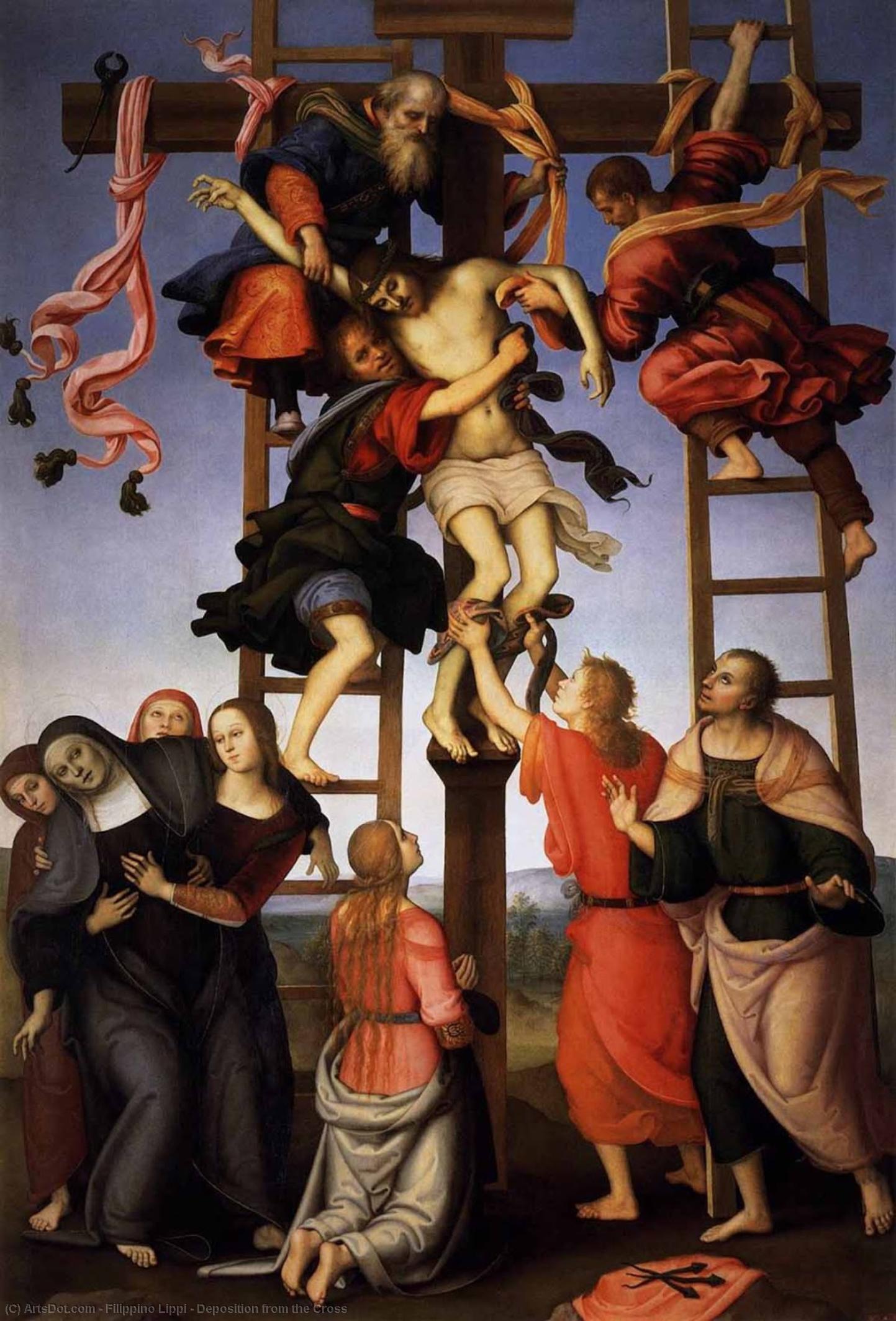
Deposition from the Cross
 Fresco
- Decor
- High Renaissance
 1506
1506- Renaissance
 333.0 x 218.0 cm
 Galleria dell’Accademia
 Mehr anzeigen
Giclée / Kunstdruck
Giclée- oder Leinwanddruck in Museumsqualität mit schneller Produktion und flexiblen Veredelungsoptionen. ( Handgemalte Reproduktion kaufen Zum digitalen Bild wechseln)




































Wählen Sie aus unseren vordefinierten Formaten, die den ursprünglichen Proportionen des Kunstwerks entsprechen.

Sie können Ihre eigenen Maße eingeben, um ein bestimmtes Format oder einen speziellen Platz einzupassen. Wenn das von Ihnen gewählte Format nicht den Proportionen des Originalbildes entspricht, werden wir das Kunstwerk entweder beschneiden oder das Bild mit einem gespiegelten oder einfarbigen Rand erweitern. Ein digitaler Entwurf wird Ihnen zur Genehmigung zugesandt, bevor die Produktion beginnt.
Bitte beachten Sie, dass die Vorschau auf dem Bildschirm nicht den tatsächlichen Zuschnitt oder die Erweiterung widerspiegelt. Nur der Entwurf zeigt die endgültige Komposition präzise an.
Obwohl Sondermaße verfügbar sind, empfehlen wir die Auswahl eines Maßes aus der vordefinierten Liste, um die ursprünglichen Proportionen zu bewahren.
Weltweiter Versand () innerhalb von 2 Wochen statt der üblichen 4/5 Wochen. (25 September)

Kostenloser weltweiter Expressversand

Hochwertige Leinenleinwand

Vollständiger Versicherungsschutz beim Versand

Zollgebühren-Rückerstattungsgarantie

Garantie für exakte Farbtreue

100-tägiges Rückgaberecht (nur bei Mängeln)

100% Geld-zurück-Garantie

Angebot für Mengenrabatt
 Die Glasoption ist nur für Größen unter 110 cm verfügbar.

Deposition from the Cross
Giclée / Kunstdruck
Format der Reproduktion
-


Gesamtpreis
$ 80
A Moment Frozen in Devotion
In the hallowed stillness of the Basilica di Santa Maria Novella, there exists a window into the profound sorrow and spiritual transcendence of the High Renaissance. Filippino Lippi’s Deposition from the Cross is not merely a depiction of a biblical event; it is a visceral encounter with human grief and divine sacrifice. Completed around 1506, this monumental masterpiece captures the precise, heart-wrenching moment when the body of Christ is lowered from the cross. The composition draws the viewer into a tight, emotionally charged circle of mourners, where every slumped shoulder and bowed head speaks to the weight of loss. Through Lippi’s masterful hand, the scene transcends its historical era, offering a timeless meditation on mortality and faith that continues to captivate the modern soul.
The painting serves as a breathtaking synthesis of Florentine tradition and the burgeoning innovations of the 16th century. Lippi, the son of the celebrated Fra Filippo Lippi, possessed a unique ability to bridge the elegant, lyrical grace of his predecessor, Sandro Botticelli, with the rigorous anatomical precision and perspectival depth pioneered by masters like Masaccio. In this work, one observes a delicate balance between the idealized beauty of the figures and a raw, palpable realism. The way the light catches the pale, lifeless skin of Christ against the darker, more textured garments of the surrounding figures creates a dramatic chiaroscity that directs the eye toward the central tragedy, ensuring that the viewer cannot look away from the profound gravity of the scene.
Technical Brilliance and Luminous Artistry
To behold this work is to witness the pinnacle of Renaissance technical mastery. Lippi utilized an exquisite layering technique, employing thin washes of color and meticulous glazing to achieve a luminous, almost ethereal glow. This process of building up translucent layers of pigment allows light to penetrate the surface, creating an illusionistic depth that makes the figures appear to breathe within their space. The modeling of Christ’s body is particularly noteworthy; through subtle gradations of tone, Lippi conveys the heavy, limp weight of a lifeless form, a feat of anatomical skill that lends the painting its hauntingly realistic quality. This technical precision is matched by his command of color, where deep, somber tones are punctuated by the delicate, flowing drapery that echoes the classical elegance of the Florentine school.
For the discerning collector or interior designer, a high-quality reproduction of this masterpiece offers more than just aesthetic beauty; it brings an atmosphere of contemplative grandeur into a space. The Deposition from the Cross possesses a unique ability to anchor a room, providing a focal point that invites deep reflection and conversation. Whether placed in a private study, a grand gallery, or a sophisticated living area, the painting’s rich textures and profound emotional resonance serve as a testament to the enduring power of fine art. It is an investment in history, a piece of the Renaissance brought into the contemporary world to inspire awe and provide a sense of timeless elegance.
Biografie des Künstlers
Frühe Jahre und Ausbildung
- Geboren: April 1457, Prato, Italien
- Gestorben: April 1504
- Eltern: Fra Filippo Lippi (Maler) und Lucrezia Buti
- Filippino war der uneheliche Sohn eines renommierten Malers.
- Die frühe Ausbildung unter seinem Vater legte den Grundstein für seine künstlerische Karriere.
Künstlerische Laufbahn und Entwicklung
- Frühe Periode (1475-1480): Anfängliche Werke, wie Madonnen, zeigten einen weniger verfeinerten Stil. Diese wurden zunächst einem anonymen Künstler namens "amico di Sandro" zugeschrieben.
- Entwicklung (1480-1485): Entwicklung eines persönlichen und effektiven Ansatzes in Werken wie den *Reisen des Tobias*.
- Maturität (1485-1504): Beherrschung des Hochrenaissance-Stils, veranschaulicht durch die *Erscheinung Christi der Jungfrau*.
Hauptwerke und Kollaborationen
- Zusammenarbeit mit Perugino, Ghirlandaio und Botticelli an Fresken in Lorenzos de' Medicis Villa.
- Vollendung der unvollendeten Dekoration von Masaccio in der Brancacci-Kapelle zusammen mit Masolino.
- Bemerkenswerte Werke sind: *Die Krönung der Jungfrau*, *Tobias und der Engel*, *St. Hieronymus* und *Szene aus dem Leben des Heiligen Thomas*.
Einflüsse und künstlerischer Stil
- Frühe Einflüsse: Sandro Botticelli, Fra Filippo Lippi.
- Stileigenschaften: Animierte Form und Linie, warmer Kolorit, detaillierte Landschaften, ausdrucksstarke Figuren und eine Mischung aus Perspektivgeometrie mit intimen Innenräumen.
- Römische Altertümer: Studien nach römischen Altertümern während seiner Zeit in Rom beeinflussten seine Arbeit und integrierten einen antiken Wortschatz in seine Kunst.
Historische Bedeutung und Vermächtnis
- Ein führender florentinischer Vertreter der Tradition großer Freskenzyklen.
- Sein Einfluss auf die Hochrenaissance ist unbestreitbar.
- Werke sind in Museen auf der ganzen Welt zu finden, darunter in der Uffizien-Galerie in Florenz.
- Bekannt dafür, die Kluft zwischen früheren Renaissance-Stilen und der entstehenden Hochrenaissance-Ästhetik zu überbrücken.
Filippino Lippi
1457 - 1504 , Italien
Eckdaten zum Künstler
- Beeinflusste Künstler:
- Fra Filippo Lippi
- Sandro Botticelli
- Bemerkenswerte Werke:
- Coronation of the Virgin
- Tobias and the Angel
- St Jerome
- Geburtsdatum: April 1457
- Geburtsort: Prato, Italien
- Künstlerische Richtung: Hochrenaissance
- Nationalität: Italienisch
- Sterbedatum: April 1504
- Vollständiger Name: Filippino Lippi
- Von Künstlern Beeinflusst: ['Masaccio']
Verwandte Artikel

Henri Edmond Cross: Pionier des Neoimpressionismus und Ästhetik der Division – Eine künstlerische Revolution im französischen Raum
Entdecken Sie Henri Edmond Cross, einen Pionier des Neoimpressionismus! Erfahren Sie alles über seine revolutionäre Farbbtheorie, seinen Einfluss auf die moderne Kunst und seine beeindruckenden Werke. Jetzt lesen!

Filippino Lippi: Renaissance-Innovation zwischen Glauben und Humanismus – Ein Meister der Florentiner Malerei
Entdecken Sie Filippino Lippi, einen Meister der Florentiner Renaissance! Erfahren Sie mehr über seinen einzigartigen Stil, monumentale Werke und seinen Einfluss auf die Kunstgeschichte. Expertenwissen & detaillierte Analysen.

Meisterwerke des Hochmittelalters: 10 Kunstwerke für Ihr Zuhause | OriginalUniqueArt
Entdecken Sie die 10 bedeutendsten Meisterwerke des Hochmittelalters! Erfahren Sie Geschichten von Romanik, Gotik & berühmten Künstlern. Finden Sie hochwertige Reproduktionen für Ihr Zuhause auf OriginalUniqueArt.com.
Die 10 Meisterwerke der Hochrenaissance: Kunstgeschichte für Ihr Zuhause |
Entdecken Sie die 10 prägendsten Meisterwerke der Hochrenaissance! Erfahren Sie die Geschichten von Leonardo da Vinci, Michelangelo & Raffael. Finden Sie Ihre perfekte Kunst für Zuhause bei – Museumqualität und exklusive Reproduktionen online entdecken.
Filippo Lippi: Zwischen religiöser Andacht und künstlerischer Innovation der Renaissance
Entdecken Sie das faszinierende Leben und Werk von Filippo Lippi, einem Schlüsselkünstler der Renaissance. Analysen seiner Meisterwerke, Einflüsse & Vermächtnis – Expertenwissen für Kunstliebhaber auf OriginalUniqueArt.


