
 Vorschau anzeigen
 Versenden
 Teilen
 Details anzeigen
 Leitfaden

 Herunterladen
 Ähnliche Objekte
 Röntgenaufnahme
 Diashow
 Fragen & Antworten
 Statistiken
Ethnographic drawing -

- 61.0 x 43.0 cm


 Weiterlesen
Die auf dieser Seite dargestellten Kunstwerke sind urheberrechtlich geschützt, was bedeutet, dass wir keine identische Reproduktion rechtmäßig erstellen oder verkaufen dürfen. Dieser Schutz wird durch internationale Abkommen wie die Berner Übereinkunft und durch nationale Gesetze, einschließlich derer, die von den US-Urheberrecht – Titel 17.
Diese Methode entspricht vollumfänglich den Urheberrechtsbestimmungen, da sie keine Kopie oder Vervielfältigung des geschützten Kunstwerks darstellt. Stattdessen handelt es sich um eine kreative Neuinterpretation – ein neues Gemälde, das vom Original inspiriert, aber nicht identisch mit ihm ist.
Giclée / Kunstdruck
Giclée- oder Leinwanddruck in Museumsqualität mit schneller Produktion und flexiblen Veredelungsoptionen. ( Handgemalte Reproduktion bestellen Zum digitalen Bild wechseln)




P118B €10

P118H €10

P118W €10

P438Z €10

P508JH €12

P508YH €12

P805H €10

P805Z €10

P919BZ €10

P919G €10

P919XJ €10

P959ZH €10

P968JZ €12

W106C €8

W218G €10

W218JH €8

W218Y €10

W307PJ €10

W316G €10

W316PJ €8

W316Y €10

W398PJ €8

W4111J €10

W500HY €15

W500JH €15

W692G €12

W849H €8

W940BG €15

W953PJ €8




Wählen Sie aus unseren vordefinierten Formaten, die den ursprünglichen Proportionen des Kunstwerks entsprechen.

Geben Sie die benötigte Breite und Höhe an, damit der Druck perfekt in Ihren Rahmen oder an Ihre Wand passt. Ein Druck kann nur beschnitten, aber niemals größer als das Originalbild angefertigt werden; daher verliert ein Format mit anderen Proportionen einen Teil des Bildes. Wir senden Ihnen ein digitales Mockup zur Freigabe, bevor wir den Druck ausführen. Das auf dieser Seite gezeigte Bild zeigt nicht den tatsächlichen Beschnitt – dies ist nur im Mockup ersichtlich.
Weltweiter Versand () innerhalb von 2 Wochen statt der üblichen 4/5 Wochen. (3 November)

Kostenloser weltweiter Expressversand

Hochwertige Leinenleinwand

Umfassender Versicherungsschutz beim Versand

Zollgebühren-Rückerstattungsgarantie

Garantie für exakte Farbtreue

100 Tage Rückgaberecht (nur bei Mängeln)

100% Geld-zurück-Garantie

Mengenrabatt verfügbar
 Die Glasoption ist nur für Größen unter 110 cm verfügbar.

Ethnographic drawing -
Giclée / Kunstdruck
Format der Reproduktion
-


Endpreis
€ 72
A Window into Vanished Worlds
In this evocative 1900 ethnographic drawing, the Portuguese master Fernando Barbedo Galhano invites us to step through a portal of time, where the boundaries between art and anthropology dissolve. The piece presents a meticulous black and white composition that serves as much more than a mere collection of objects; it is a silent narrative of human existence. Through his masterful use of pen and ink, Galhano captures a series of everyday items—a wooden structure with an ascending ladder, a solitary chair, a boat, and a bed—each rendered with such precision that they seem to pulse with the memory of their former owners. The drawing functions as a visual inventory of culture, where the stark contrast of light and shadow breathes life into inanimate artifacts, transforming them into poignant symbols of domesticity and survival.
The technique employed here is a testament to Galhano’s profound discipline and his eye for ethnographic detail. By eschewing color, the artist forces the viewer to focus on the raw texture of wood, the structural integrity of the ladder, and the delicate silhouettes of the furniture. This monochromatic approach strips away the distractions of the modern world, leaving only the essential forms that define these cultural relics. The fine, rhythmic lines characteristic of his style create a sense of depth and architectural stability, making the scene feel both grounded in reality and dreamlike in its stillness. For the collector or interior designer, this piece offers a sophisticated graphic element that brings a sense of historical weight and intellectual curiosity to any curated space.
Beyond its technical brilliance, the artwork carries a profound emotional resonance, evoking a sense of nostalgia for eras long passed. There is a quiet melancholy in the way the boat rests near the top corner and the bed sits tucked away; they are remnants of lives lived with purpose, now preserved through the artist's careful observation. Galhano, acting as both illustrator and researcher, imbues each object with a dignity that transcends its utilitarian origin. To possess a reproduction of this work is to hold a fragment of human heritage, offering an atmosphere of contemplative elegance and a deep connection to the shared history of global craftsmanship and cultural identity.
Fragen & Antworten
Inwiefern steht das Sujet von „Ethnographic drawing -“ in Beziehung zu den üblichen Themen von Fernando Barbedo Galhano?
Unter den dokumentierten Themen von Fernando Barbedo Galhano – ethnographic study, cultural documentation, historical artifacts, pen and ink detail, portuguese ethnographic research – setzt „Ethnographic drawing -“ einen ganz eigenen Fokus auf ethnography, pen and ink, cultural artifacts, historical study, still life, objects, illustration.
Welche Leuchtkraft weist "Ethnographic drawing -" von Fernando Barbedo Galhano auf?
Die für "Ethnographic drawing -" von Fernando Barbedo Galhano aufgezeichnete Luminanz beträgt Luminous.
Aus welcher historischen Epoche stammt "Ethnographic drawing -" von Fernando Barbedo Galhano?
"Ethnographic drawing -" stammt aus der Epoche der Modern.
Künstlerbiografie
Fernando Barbedo Galhano, ein portugiesischer Künstler, hinterließ eine unauslöschliche Spur in der Welt der Kunst und der Ethnografie. Geboren 1904 in Porto und verstorben 1995, war Galhanos Leben ein Zeugnis seiner facettenreichen Talente als Maler, Forscher, Illustrator und Ethnograf.
Frühes Leben und Ausbildung
Galhanos künstlerische Reise begann unter der Ägide des Meisters Artur Loureiro in Porto. Diese grundlegende Ausbildung verfeinerte nicht nur seine malerischen Fähigkeiten, sondern pflanzte auch eine tiefe Wertschätzung für die kulturellen Nuancen Portugals in ihm ein. Seine Teilnahme an den Salão Silva Porto Ausstellungen in den Jahren 1937, 1943, 1946, 1951 und 1954 festigte seine Präsenz innerhalb der portugiesischen Kunstgemeinschaft nachhaltig.
Beiträge zur Ethnografie
Als Teil des Centro de Estudos de Etnografia Peninsular im Jahr 1948 arbeitete Galhano mit bedeutenden Persönlichkeiten wie Jorge Dias, Ernesto Veiga de Oliveira und Benjamim Pereira zusammen. Dieses Engagement markierte einen entscheidenden Meilenstein in seiner Karriere und etablierte ihn als einen der führenden ethnografischen Illustratoren seiner Zeit. Sein Werk umfasst ein breites Spektrum an Themen, darunter:
- Ochsenkarren: ein Zeugnis traditioneller portugiesischer Transportmittel.
- Volksarchitektur: die Dokumentation der Essenz der regionalen Architektur in Portugal.
- <としたb>Landwirtschaftliche Geräte: eine Hervorhebung der Werkzeuge, die die Agrarlandschaft des Landes prägten.
- Transportsysteme, Korbflechterei, Töpferei, Textiltechnologie und Mahlsysteme: ein umfassender Überblick über die vielfältigen kulturellen Praktiken Portugals.
- Fischerei: das Einfangen der Essenz der portugiesischen maritimen Kultur.
Vermächtnis und Wirkung
Galhanos Vermächtnis reicht weit über seine eigene Zeit hinaus. Als einer der Gründer des Museu Nacional de Etnologia in Lissabon spielte er eine entscheidende Rolle bei der Bewahrung des kulturellen Erbes Portugals. Seine tausenden Zeichnungen dokumentieren nicht nur verschiedene Aspekte der portugiesischen Kultur, sondern dienen auch als Fenster zu den ehemaligen Kolonien des Landes.
- Galhanos Werk ist eine wahre Schatzkammer für Forscher und Kunstliebhaber gleichermaßen und bietet tiefe Einblicke in die Komplexität des portugiesischen Lebens.
- Seine Beiträge zur Ethnografie wurden weltweit anerkannt, was seinen Status als einer der einflussreichsten Künstler seiner Ära festigte.
- Das Erbe Galhanos inspiriert weiterhin neue Generationen von Künstlern, Forschern und Ethnografen.
Fazit
Das Leben von Fernando Barbedo Galhano war ein reiches Geflecht aus Kunst, Forschung und Ethnografie. Durch sein Werk hat er einen bleibenden Eindruck in der Kunstwelt hinterlassen und inspiriert all jene, die in seine Fußstapfen treten.
- Erkunden Sie mehr von Galhanos Werken unter https://OriginalUniqueArt.com/@/fernando-barbedo-galhano
- Entdecken Sie das Museu Nacional de Etnologia in Lissabon und seine Gründungsgeschichte auf https://OriginalUniqueArt.com/@@/museu-nacional-de-etnologia-lisbon-portugal
- Erfahren Sie mehr über ethnografische Illustration und ihre Bedeutung in der Kunstwelt auf https://en.wikipedia.org/wiki/ethnographic_illustration
Referenzen:
- Fernando Barbedo Galhano, Wikipedia.
- Museu Nacional de Etnologia, Lissabon, Portugal - https://OriginalUniqueArt.com/@@/museu-nacional-de-etnologia-lisbon-portugal
- Centro de Estudos de Etnografia Peninsular, Portugal - https://OriginalUniqueArt.com/@/centro-de-estudos-de-etnografia-peninsular
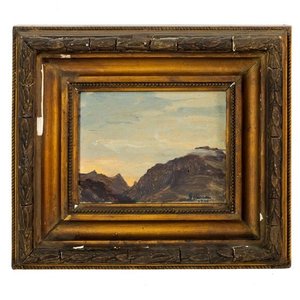
Fernando Barbedo Galhano
1904 - 1995 , Portugal
Ähnliche Artikel
The Alchemy of Ink: Mastering the Timeless Beauty and Art History of Paper and Brush
Embark on a sophisticated exploration of ink wash painting and Sumi-e. Uncover the profound historical lineages, Zen philosophies, and technical mastery behind this timeless medium in our authoritative guide for fine art enthusiasts.
Ephemeral Lines: Exploring Emotional Resonance in Ink Sketching Traditions
Explore the profound art of ink sketching! Discover techniques to express emotion, master line work, and cultivate artistic sensitivity. Learn from historical masters & unlock your creative potential.

Ephemeral Expressions: Exploring the Nuances of Ink on Paper Through History & Contemporary Art
Explore the captivating world of ink wash painting – from its ancient origins to contemporary masters. Discover techniques, symbolism & conservation insights with OriginalUniqueArt.com.

Die Top 10 berühmter Gemälde im Reich der dunklen Töne |
Entdecken Sie die Top 10 berühmter Gemälde, beherrscht von dunklen Tönen! Von Caravaggio bis Manet – erfahren Sie die Geschichten hinter Meisterwerken der Kunstgeschichte. Finden Sie Ihre perfekte Reproduktion auf .

Die Architektur der Linie: Präzision und Tiefe in der klassischen Zeichnungstechnik
Erfahren Sie alles über klassische Zeichnungstechniken und Chiaroscuro. Meistern Sie die Kunst der Linie und des Lichts!