

 Vorschau anzeigen
 Versenden
 Teilen
 Details anzeigen

 Herunterladen
 Ähnliche Objekte
 Röntgenaufnahme
 Diashow
 Statistiken
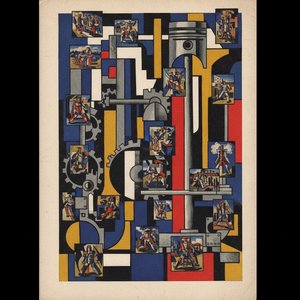
untitled (4839)

 Weiterlesen
Giclée / Kunstdruck
Giclée- oder Leinwanddruck in Museumsqualität mit schneller Produktion und flexiblen Veredelungsoptionen. ( Handgemalte Reproduktion bestellen Zum digitalen Bild wechseln)




P118B $10

P118H $10

P118W $10

P438Z $10

P508JH $12

P508YH $12

P805H $10

P805Z $10

P919BZ $10

P919G $10

P919XJ $10

P959ZH $10

P968JZ $12

W106C $8

W218G $10

W218JH $8

W218Y $10

W307PJ $10

W316G $10

W316PJ $8

W316Y $10

W398PJ $8

W4111J $10

W500HY $15

W500JH $15

W692G $12

W849H $8

W940BG $15

W953PJ $8




Wählen Sie aus unseren vordefinierten Formaten, die den ursprünglichen Proportionen des Kunstwerks entsprechen.

Sie können Ihre eigenen Maße eingeben, um ein bestimmtes Format oder einen speziellen Platz einzupassen. Wenn das von Ihnen gewählte Format nicht den Proportionen des Originalbildes entspricht, werden wir das Kunstwerk entweder beschneiden oder das Bild mit einem gespiegelten oder einfarbigen Rand erweitern. Ein digitaler Entwurf wird Ihnen zur Genehmigung zugesandt, bevor die Produktion beginnt.
Bitte beachten Sie, dass die Vorschau auf dem Bildschirm nicht den tatsächlichen Zuschnitt oder die Erweiterung widerspiegelt. Nur der Entwurf zeigt die endgültige Komposition präzise an.
Obwohl Sondermaße verfügbar sind, empfehlen wir die Auswahl eines Maßes aus der vordefinierten Liste, um die ursprünglichen Proportionen zu bewahren.
Weltweiter Versand () innerhalb von 2 Wochen statt der üblichen 4/5 Wochen. (13 September)

Kostenloser weltweiter Expressversand

Hochwertige Leinenleinwand

Umfassender Versicherungsschutz beim Versand

Zollgebühren-Rückerstattungsgarantie

Garantie für exakte Farbtreue

100-Tage-Rückgaberecht (nur bei Mängeln)

100% Geld-zurück-Garantie

Mengenrabatt verfügbar
 Die Glasoption ist nur für Größen unter 110 cm verfügbar.

untitled (4839)
Giclée / Kunstdruck
Format der Reproduktion
-


Gesamtpreis
$ 80
A Pioneer of Geometric Abstraction: Exploring Fernand Léger’s “Untitled (4839)”
Fernand Léger's "Untitled (4839)" isn’t merely a painting; it’s a crystallized moment in the burgeoning dialogue between art and industrial progress. Created sometime around 1925, this enigmatic piece exemplifies Léger’s distinctive approach to Cubism – an insistence on retaining recognizable forms while simultaneously dismantling them into fragmented geometric planes. Unlike Picasso and Braque's explorations of fractured perspectives, Léger deliberately sought to represent the underlying structure of objects and spaces, mirroring the repetitive rhythms of factory production and capturing a feeling of relentless movement. The image itself depicts a woman’s torso, rendered in bold, angular shapes that dominate the canvas. These forms aren’t simply decorative; they actively convey an impression of solidity and resilience – qualities Léger attributed to the human body as it adapts to the demands of modern life.- Style: Cubist
- Technique: Léger employed a technique characterized by thick impasto—heavy application of paint—creating palpable textural surfaces that heighten the visual impact. This physicality reflects Léger’s fascination with materiality and his desire to communicate an emotional response to the subject matter.
Historical Context: The Machine Age and Artistic Rebellion
The painting emerged during a period of profound societal transformation – the early 1920s saw Europe grappling with the aftermath of World War I and witnessing unprecedented industrial expansion. Léger’s artistic endeavors were fueled by this context, responding to anxieties about dehumanization and fragmentation inherent in the mechanized world. He wasn't rejecting abstraction outright; rather, he was harnessing its power to express a counterintuitive sentiment: optimism. The artist believed that despite the bleakness of war and the pressures of industrial society, humanity could find beauty and strength within geometric forms—a belief powerfully articulated in his manifesto “The Avant-Garde” (1923).- Era: Weimar Republic
- Influences: Léger’s work draws inspiration from Constructivism – a Russian movement advocating for art as a tool for social reform—and Futurism, which celebrated speed and dynamism.
Symbolic Resonance: Birds, Time, and the Human Form
Beyond its formal qualities, “Untitled (4839)” is laden with symbolic significance. The inclusion of two birds – perched on the left side and soaring towards the upper right corner – represents aspiration and freedom amidst the constraints of geometric abstraction. They serve as visual anchors, guiding the viewer’s gaze across the canvas and reinforcing Léger's optimistic vision. Similarly, the clock in the upper left quadrant symbolizes the relentless passage of time—a reminder that even within a stylized representation of reality, human experience remains fundamentally temporal. The woman’s torso itself embodies strength and adaptability – qualities Léger saw as essential for navigating the complexities of the modern age.Emotional Impact: A Quiet Assertion of Vitality
Despite its austere aesthetic, “Untitled (4839)” possesses a surprising emotional depth. Léger's masterful use of impasto creates a surface that vibrates with energy—a palpable sense of movement and presence. The painting isn’t attempting to evoke grand narratives or dramatic emotions; instead, it communicates a subtle yet profound affirmation of human vitality – a quiet confidence in the ability to find beauty and resilience within the geometric framework of our world. It invites contemplation on how art can capture not just what we see but also what we *feel*, offering a timeless testament to Léger’s enduring artistic legacy.Über den Künstler
frühes Leben und Ausbildung
Fernand Légér, ein französischer Maler, Bildhauer und Filmemacher, wurde am 4. Februar 1881 in Argentan, Orne, Niedergermanien geboren. Sein Vater züchtete Rinder, und Légér erhielt zunächst eine Ausbildung als Architekt von 1897 bis 1899. Er zog dann im Jahr 1900 nach Paris und unterstützte sich dort als Architektenzeichner.Künstlerische Entwicklung
Légers frühe Werke wurden vom Impressionismus beeinflusst, wie in Le Jardin de ma Mère (Mein Muttergarten) (1905) zu sehen ist. Nach dem Besuch der Schule für dekorative Künste und der Académie Julian begann er ab seinem 25. Lebensjahr ernsthaft als Maler zu arbeiten. Sein Stil entwickelte sich zu einer persönlichen Form des Kubismus, der von Kritikern als "Tubism" bezeichnet wurde, da er sich auf zylindrische Formen konzentrierte.Kubismus und die Puteaux-Gruppe
Im Jahr 1910 stellte Légér im Salon d’Automne zusammen mit Jean Metzinger und Henri Le Fauconnier aus. Er schloss sich der Puteaux-Gruppe an, auch bekannt als die Section d’Or (die Goldene Proportion), zusammen mit anderen Künstlern wie Francis Picabia und Marcel Duchamp.Krieg und seine Auswirkungen auf Légers Werk
Légers Erfahrungen im Ersten Weltkrieg hatten einen erheblichen Einfluss auf sein Werk. Während seiner Zeit an der Front produzierte er Skizzen von Artilleriegeschützen, Flugzeugen und Soldaten. Sein Gemälde Soldat mit Pfeife (1916) spiegelt diese Zeit wider.Spätere Werke und Vermächtnis
Légers Nachkriegszeitliche Arbeiten, die von glatten, maschinellen Formen geprägt waren, verknüpften ihn mit der Tradition der französischen figurativen Malerei. Seine "animierten Landschaften" von 1921 zeigten Figuren und Tiere in harmonischen, stromlinienförmigen Formen.- Fernand Légers Werke auf OriginalUniqueArt
- Mehr über Fernand Légér auf Wikipedia
- Entdecken Sie das Musée National Fernand Légér (Frankreich) mit OriginalUniqueArt
- Die Sitzende Frau (100 x 81 cm, Tubism)
- Maschinenelement (Kubismus)

Fernand Léger
1881 - 1955 , Frankreich
Kurzinfos
- Beeinflusste Kunstrichtungen: ['Pop Art']
- Beeinflusste Künstler: ['Paul Cézanne']
- Bemerkenswerte Werke:
- Die Sitzende Frau
- Maschinenelement
- Der Große Umzug
- Die Stadt
- Geburtsdatum: 04. Februar 1881
- Geburtsort: Argentan, Frankreich
- Künstlerische Richtung: Kubismus, Tubismus
- Nationalität: Französisch
- Sterbedatum: 1955
- Vollständiger Name: Fernand Léger
- Von Kunstbewegungen Beeinflusst: ['Cézannismus']
- Von Künstlern Beeinflusst: ['Impressionismus']
Ähnliche Artikel

Beyond Form & Color: Geometric Abstraction's Evolution in 20th/21st Century Art
Explore the evolution of geometric abstraction from Cubism to contemporary art. Discover key artists like Malevich & Mondrian, investment insights, and expert collecting advice at OriginalUniqueArt.

Modern Geometry & Machine Age Beauty: A Collector's Guide to the Cubist Vision of Fernand Léger
Explore the profound geometric mastery of Fernand Léger. Discover how his 'Tubism' and Machine Age aesthetics redefined modern art, offering timeless inspiration for discerning collectors seeking to integrate Cubist dynamism into sophisticated contemporary interiors.

Geometrische Abstraktion: Die 10 Meisterwerke, die Kunstgeschichte prägten | OriginalUniqueArt.com
Entdecken Sie die 10 Meisterwerke der geometrischen Abstraktion! Von Kandinsky bis Mondrian – erleben Sie die Geschichte, Farben & Formen dieser revolutionären Kunstrichtung. Hochwertige Kunstreproduktionen auf OriginalUniqueArt.com
Fernand Léger: Die 25 Meisterwerke des Kubismus für Ihr Zuhause | OriginalUniqueArt
Entdecken Sie die 25 Meisterwerke von Fernand Léger! Tauchen Sie ein in die Welt des Kubismus, Tubismus & der Avantgarde. Hochwertige Kunstreproduktionen für Ihr Zuhause – jetzt auf OriginalUniqueArt.com!

Neo-Abstract Art: The High-Impact Evolution of Modern Visual Energy and Geometric Sophistication
Discover the power of Neo-Abstract art. Explore how bold geometric forms and high-impact visual energy are redefining modern design. Learn to curate sophisticated, high-energy spaces with the latest trends in contemporary abstraction and structural color.


