

 In echtem Maßstab anzeigen
 Versenden als Grußkarte
 Teilen
 Details anzeigen
 Leitfaden öffnen

 Herunterladen
 Ähnliche Objekte
 Röntgenaufnahme
 Diashow
 Besucherstatistiken
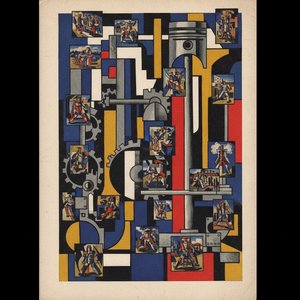
Maschinenelement 1. Zustand


 Mehr anzeigen
Handgefertigte Ölreproduktion
Handgemaltes Ölgemälde auf Leinwand in Ihrer Wunschgröße und mit Rahmen, auf Bestellung von unseren Künstlern angefertigt. ( Zum Druck wechseln Zum digitalen Bild wechseln)




P118B €10

P118H €10

P118W €10

P438Z €10

P508JH €12

P508YH €12

P805H €10

P805Z €10

P919BZ €10

P919G €10

P919XJ €10

P959ZH €10

P968JZ €12

W106C €8

W218G €10

W218JH €8

W218Y €10

W307PJ €10

W316G €10

W316PJ €8

W316Y €10

W398PJ €8

W4111J €10

W500HY €15

W500JH €15

W692G €12

W849H €8

W940BG €15

W953PJ €8




Wählen Sie aus unseren vordefinierten Formaten, die den ursprünglichen Proportionen des Kunstwerks entsprechen.

Geben Sie die Breite und die Höhe an, die Sie für Ihren Rahmen oder Ihre Wand benötigen. Da dieses Werk handgemalt ist, kann der Künstler bei einer anderen Form etwas mehr um das Bild herum malen oder etwas abschneiden – Sie entscheiden. Wir senden Ihnen ein digitales Mockup zur Freigabe, bevor mit dem Malen begonnen wird. Das auf dieser Seite gezeigte Bild stellt nicht das tatsächliche Ergebnis dar – dies tut nur das Mockup.
Nach der Bestellung wird das OriginalUniqueArt.com-Team dem Kunden Anweisungen per E-Mail zusenden und eine Mockup-Vorschau bereitstellen.
Weltweiter Versand () in nur 3 bis 4 Wochen statt der üblichen 5 Wochen. (22 Oktober). Keine Kompromisse bei der Qualität.

Kostenloser weltweiter Expressversand

Hochwertige Leinenleinwand

Vollständiger Versicherungsschutz beim Versand

Zollgebühren-Rückerstattungsgarantie

Garantie für exakte Farbtreue

100-tägiges Rückgaberecht (nur bei Mängeln)

100% Geld-zurück-Garantie

Angebot für Mengenrabatt
 Die Glasoption ist nur für Größen unter 110 cm verfügbar.

Maschinenelement 1. Zustand
Reproduktionsmedium
Format der Reproduktion
-


Gesamtpreis
€ 262
Fernand Léger’s Machine Element 1st State: A Symphony of Geometry and Industrial Spirit
Fernand Léger's “Machine element 1st state,” painted in 1924, stands as a cornerstone of Cubism and embodies the profound fascination with the burgeoning machine age that gripped Europe during the early twentieth century. More than just a depiction of industrial forms, it’s an ambitious exploration of how art could grapple with the anxieties and aspirations inherent in this transformative period—a quest to reconcile the primal rhythms of nature with the relentless logic of mechanized progress.
- Subject Matter: Léger eschews traditional landscapes or portraits, opting instead for a meticulously constructed assemblage of metal parts – cylinders, cones, and angular planes – arranged in a dynamic equilibrium. The prominent cylinder dominates the composition on the left side, mirroring its appearance in ancient Egyptian pyramids and symbolizing stability amidst chaos.
- Style & Technique: Léger’s approach firmly anchors itself within Cubism's revolutionary principles pioneered by Picasso and Braque. He employs geometric abstraction to dissect objects into fragmented planes, presenting multiple perspectives simultaneously—a technique that disrupts conventional illusionistic representation and prioritizes structural clarity. The painting is executed in oil on canvas using a bold palette of red, white, blue, yellow, and black, creating striking contrasts that heighten visual impact.
- Historical Context: Created during the height of Cubist experimentation, “Machine element 1st state” reflects the pervasive influence of industrialization on artistic thought. Léger’s work anticipates developments in Surrealism and Pop Art, signaling a shift towards exploring subconscious imagery and embracing everyday subjects—a departure from the academic traditions that dominated art education at the time.
- Symbolism: Beyond its formal innovations, the painting carries symbolic weight. The cylinder's association with ancient Egyptian pyramids speaks to enduring archetypes of stability and permanence, juxtaposed against the angular planes representing the disruptive force of machinery. Léger deliberately evokes a sense of primordial memory—the instinctive understanding of fundamental forms that precedes rational thought—suggesting an underlying tension between organic and manufactured worlds.
- Emotional Impact: Léger’s intention wasn't merely to depict objects; he sought to convey an emotional response – a feeling of unease mingled with wonder – mirroring the anxieties surrounding rapid technological advancement. The painting compels viewers to confront the implications of modernity, prompting contemplation on humanity’s relationship with its environment and its own inner landscape.
“Machine element 1st state” remains an enduring testament to Léger's artistic vision—a bold declaration that art could not only reflect but also actively engage with the complexities of a new era, cementing his place as one of the most influential figures in the history of modern art.
Fragen & Antworten
Kann ich "Maschinenelement 1. Zustand" genauer untersuchen?
Die Röntgenansicht von "Maschinenelement 1. Zustand" von Fernand Léger finden Sie auf der Röntgenaufnahme-Seite des Kunstwerks: eine interaktive Untersuchung des Bildes durch elf optische Schichten.
Aus welcher Schaffensperiode von Fernand Léger stammt "Maschinenelement 1. Zustand"?
Innerhalb der Schaffensperiode von Fernand Léger lässt sich „Maschinenelement 1. Zustand“ der Mature Period zuordnen. Diese Phase ermöglicht einen Vergleich mit anderen Werken des Künstlers.
Gibt es Werke, die "Maschinenelement 1. Zustand" ähneln?
Die Seite Ähnliche Werke von "Maschinenelement 1. Zustand" von Fernand Léger zeigt verwandte Kunstwerke.
Biografie des Künstlers
frühes Leben und Ausbildung
Fernand Légér, ein französischer Maler, Bildhauer und Filmemacher, wurde am 4. Februar 1881 in Argentan, Orne, Niedergermanien geboren. Sein Vater züchtete Rinder, und Légér erhielt zunächst eine Ausbildung als Architekt von 1897 bis 1899. Er zog dann im Jahr 1900 nach Paris und unterstützte sich dort als Architektenzeichner.Künstlerische Entwicklung
Légers frühe Werke wurden vom Impressionismus beeinflusst, wie in Le Jardin de ma Mère (Mein Muttergarten) (1905) zu sehen ist. Nach dem Besuch der Schule für dekorative Künste und der Académie Julian begann er ab seinem 25. Lebensjahr ernsthaft als Maler zu arbeiten. Sein Stil entwickelte sich zu einer persönlichen Form des Kubismus, der von Kritikern als "Tubism" bezeichnet wurde, da er sich auf zylindrische Formen konzentrierte.Kubismus und die Puteaux-Gruppe
Im Jahr 1910 stellte Légér im Salon d’Automne zusammen mit Jean Metzinger und Henri Le Fauconnier aus. Er schloss sich der Puteaux-Gruppe an, auch bekannt als die Section d’Or (die Goldene Proportion), zusammen mit anderen Künstlern wie Francis Picabia und Marcel Duchamp.Krieg und seine Auswirkungen auf Légers Werk
Légers Erfahrungen im Ersten Weltkrieg hatten einen erheblichen Einfluss auf sein Werk. Während seiner Zeit an der Front produzierte er Skizzen von Artilleriegeschützen, Flugzeugen und Soldaten. Sein Gemälde Soldat mit Pfeife (1916) spiegelt diese Zeit wider.Spätere Werke und Vermächtnis
Légers Nachkriegszeitliche Arbeiten, die von glatten, maschinellen Formen geprägt waren, verknüpften ihn mit der Tradition der französischen figurativen Malerei. Seine "animierten Landschaften" von 1921 zeigten Figuren und Tiere in harmonischen, stromlinienförmigen Formen.- Fernand Légers Werke auf OriginalUniqueArt
- Mehr über Fernand Légér auf Wikipedia
- Entdecken Sie das Musée National Fernand Légér (Frankreich) mit OriginalUniqueArt
- Die Sitzende Frau (100 x 81 cm, Tubism)
- Maschinenelement (Kubismus)

Fernand Léger
1881 - 1955 , Frankreich
Eckdaten zum Künstler
- Beeinflusste Kunstrichtungen: ['Pop Art']
- Beeinflusste Künstler: ['Paul Cézanne']
- Bemerkenswerte Werke:
- Die Sitzende Frau
- Maschinenelement
- Der Große Umzug
- Die Stadt
- Geburtsdatum: 04. Februar 1881
- Geburtsort: Argentan, Frankreich
- Künstlerische Richtung: Kubismus, Tubismus
- Nationalität: Französisch
- Sterbedatum: 1955
- Vollständiger Name: Fernand Léger
- Von Kunstbewegungen Beeinflusst: ['Cézannismus']
- Von Künstlern Beeinflusst: ['Impressionismus']
Verwandte Artikel

Paul Cézanne: Die 25 Meisterwerke des Impressionismus | OriginalUniqueArt
Entdecken Sie die 25 Meisterwerke von Paul Cézanne! Tauchen Sie ein in die Welt des Impressionismus und Postimpressionismus. Erfahren Sie mehr über seine Stillleben, Landschaften & berühmten Gemälde – jetzt hochwertige Kunstdrucke auf OriginalUniqueArt.com.
Fernand Léger: Die 25 Meisterwerke des Kubismus für Ihr Zuhause | OriginalUniqueArt
Entdecken Sie die 25 Meisterwerke von Fernand Léger! Tauchen Sie ein in die Welt des Kubismus, Tubismus & der Avantgarde. Hochwertige Kunstreproduktionen für Ihr Zuhause – jetzt auf OriginalUniqueArt.com!

Modern Geometry & Machine Age Beauty: A Collector's Guide to the Cubist Vision of Fernand Léger
Explore the profound geometric mastery of Fernand Léger. Discover how his 'Tubism' and Machine Age aesthetics redefined modern art, offering timeless inspiration for discerning collectors seeking to integrate Cubist dynamism into sophisticated contemporary interiors.

Modern Geometry & Machine Age Beauty: A Collector's Guide to the Cubist Vision of Fernand Léger
Explore the vibrant world of Fernand Léger. Discover how his 'Tubism' and Machine Age aesthetics redefined modern art, offering profound inspiration for discerning collectors seeking geometric beauty and industrial dynamism.

Geometrische Abstraktion: Die 10 Meisterwerke, die Kunstgeschichte prägten | OriginalUniqueArt.com
Entdecken Sie die 10 Meisterwerke der geometrischen Abstraktion! Von Kandinsky bis Mondrian – erleben Sie die Geschichte, Farben & Formen dieser revolutionären Kunstrichtung. Hochwertige Kunstreproduktionen auf OriginalUniqueArt.com


