In echtem Maßstab anzeigen
 Versenden als Grußkarte
 Teilen
 Details anzeigen
 Leitfaden öffnen

 Herunterladen
 Ähnliche Objekte
 Röntgenaufnahme
 Diashow
 Besucherstatistiken
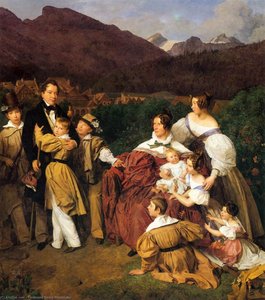
The Birthday Table
 Acrylic On Canvas
- WallArt
- Academic Realism
 1840
1840 63.0 x 50.0 cm
 Wallraf-Richartz-Museum
 Mehr anzeigen
Giclée / Kunstdruck
Giclée- oder Leinwanddruck in Museumsqualität mit schneller Produktion und flexiblen Veredelungsoptionen. ( Handgemalte Reproduktion kaufen Zum digitalen Bild wechseln)




P118B €10

P118H €10

P118W €10

P438Z €10

P508JH €12

P508YH €12

P805H €10

P805Z €10

P919BZ €10

P919G €10

P919XJ €10

P959ZH €10

P968JZ €12

W106C €8

W218G €10

W218JH €8

W218Y €10

W307PJ €10

W316G €10

W316PJ €8

W316Y €10

W398PJ €8

W4111J €10

W500HY €15

W500JH €15

W692G €12

W849H €8

W940BG €15

W953PJ €8




Wählen Sie aus unseren vordefinierten Formaten, die den ursprünglichen Proportionen des Kunstwerks entsprechen.

Sie können Ihre eigenen Maße eingeben, um ein bestimmtes Format oder einen speziellen Platz einzupassen. Wenn das von Ihnen gewählte Format nicht den Proportionen des Originalbildes entspricht, werden wir das Kunstwerk entweder beschneiden oder das Bild mit einem gespiegelten oder einfarbigen Rand erweitern. Ein digitaler Entwurf wird Ihnen zur Genehmigung zugesandt, bevor die Produktion beginnt.
Bitte beachten Sie, dass die Vorschau auf dem Bildschirm nicht den tatsächlichen Zuschnitt oder die Erweiterung widerspiegelt. Nur der Entwurf zeigt die endgültige Komposition präzise an.
Obwohl Sondermaße verfügbar sind, empfehlen wir die Auswahl eines Maßes aus der vordefinierten Liste, um die ursprünglichen Proportionen zu bewahren.
Weltweiter Versand () innerhalb von 2 Wochen statt der üblichen 4/5 Wochen. (11 Oktober)

Kostenloser weltweiter Expressversand

Hochwertige Leinenleinwand

Vollständiger Versicherungsschutz beim Versand

Zollgebühren-Rückerstattungsgarantie

Garantie für exakte Farbtreue

100-tägiges Rückgaberecht (nur bei Mängeln)

100% Geld-zurück-Garantie

Angebot für Mengenrabatt
 Die Glasoption ist nur für Größen unter 110 cm verfügbar.

The Birthday Table
Giclée / Kunstdruck
Format der Reproduktion
-


Gesamtpreis
€ 69
The Birthday Table – A Portrait of Quiet Reflection
Ferdinand Georg Waldmüller’s “The Birthday Table” stands as a quintessential example of Biedermeier art, capturing a moment of serene domesticity that speaks volumes about the artistic sensibilities of its era. Painted in 1840, this oil on oak masterpiece transcends mere representation; it delves into the subtle nuances of human emotion and embodies the values championed by Waldmüller’s generation – simplicity, sincerity, and an unwavering devotion to observing the natural world.- Subject Matter: The painting depicts a woman seated at a table adorned with vases overflowing with flowers. This deliberate choice of subject matter reflects Biedermeier's fascination with portraying everyday life—a reaction against the grand narratives and theatrical displays favored by earlier Romantic artists.
- Style: Waldmüller’s style is characterized by meticulous realism combined with an understated elegance. He eschewed flamboyant ornamentation, prioritizing clarity of form and tonal harmony to convey a sense of calm and tranquility. The composition is carefully balanced, guiding the viewer's eye across the canvas in a deliberate manner.
- Technique: Waldmüller employed a glazing technique—applying thin layers of translucent paint over underlying colors—to achieve remarkable luminosity and depth. This painstaking process allowed him to capture the delicate textures of fabric, flowers, and skin with astonishing accuracy. The artist’s masterful handling of light contributes significantly to the painting's emotional impact.
- Symbolism: Beyond its aesthetic qualities, “The Birthday Table” carries symbolic weight. The woman’s posture conveys composure and grace—a reflection of Biedermeier ideals of feminine virtue. The flowers represent hope and joy amidst adversity, mirroring the broader cultural preoccupation with finding solace in nature and domesticity during a time of social unrest.
- Emotional Impact: Waldmüller skillfully evokes a feeling of intimacy and tranquility. The muted palette—dominated by earthy tones—creates an atmosphere of understated warmth. The woman’s gaze directs the viewer inward, prompting reflection on themes of solitude, contemplation, and inner harmony.
Additional Information
This artwork is housed at Wallraf–Richartz Museum, acquired in 1937 from S. Kende.
Waldmüller’s artistic influence extended beyond portraiture; he was also a prolific landscape painter and genre artist, demonstrating a remarkable versatility that cemented his place as one of Austria's most celebrated painters.
References
- WikiArt: The Birthday Table – Ferdinand Georg Waldmüller
- Gallerix: The Birthday Table — Ferdinand Georg Waldmüller
- Wikimedia Commons: File:Ferdinand Georg Waldmüller - The Birthday Table - WGA25417
Fragen & Antworten
In welchem Alter schuf Ferdinand Georg Waldmüller „The Birthday Table"?
Ferdinand Georg Waldmüller schuf „The Birthday Table“ im Alter von 47. Der Künstler wurde 1793 geboren, und das Werk datiert auf 1840.
Was ist das Entstehungsdatum von "The Birthday Table" von Ferdinand Georg Waldmüller?
"The Birthday Table" stammt aus dem Jahr 1840. Dieses Datum ordnet das Werk in die Schaffensperiode von Ferdinand Georg Waldmüller sowie in dessen Epoche ein.
Wer hat "The Birthday Table" erschaffen?
Der Künstler hinter „The Birthday Table“ ist Ferdinand Georg Waldmüller. Das Werk ist unter dem Namen von Ferdinand Georg Waldmüller katalogisiert.
Wo finde ich einen Leitfaden zu „The Birthday Table“?
Die Leitfaden-Seite von "The Birthday Table" von Ferdinand Georg Waldmüller bietet ein druckbares, zweiseitiges Infoblatt: das Kunstwerk mit seiner Identifikationstabelle, eine Zeitstrahl-Einordnung in die Lebensspanne des Künstlers, weitere Werke des Künstlers, die gemessene Farbpalette sowie kopierfertige Zitate in vier verschiedenen Stilen.
Wie treffen Bewegung und Epoche in "The Birthday Table" von Ferdinand Georg Waldmüller aufeinander?
"The Birthday Table" gehört der Academic Realism-Strömung an, und sein Schöpfer war in der Ära der – 19. Jahrhundert tätig.
Welche Reproduktionsgröße wird für "The Birthday Table" von Ferdinand Georg Waldmüller empfohlen?
Für "The Birthday Table" von Ferdinand Georg Waldmüller wird eine Reproduktion im Format Large empfohlen. Die Größe kann angepasst werden, wobei die Proportionen erhalten bleiben.
Inwiefern steht das Sujet von „The Birthday Table“ in Beziehung zu den üblichen Themen von Ferdinand Georg Waldmüller?
"The Birthday Table" stellt portrait, floral arrangement, birthday, victorian era, elegant woman, still life, classical art, decorative painting dar, während die dokumentierten Themen von Ferdinand Georg Waldmüller academic realism influence, victorian era portraiture, floral still life tradition, domestic tranquility theme, social class representation, waldmuller's classical style, portraiture as status symbol, reflecting bourgeois values sind. Ein Vergleich der beiden zeigt, wie das Werk mit den üblichen Sujets des Künstlers in Verbindung steht.
Biografie des Künstlers
Frühe Jahre und Ausbildung
- Geboren: 15. Januar 1793 in Wien, Österreich
- Gestorben: 23. August 1865 in Hinterbrühl, Österreich (im Alter von 72 Jahren)
- Nationalität: Österreicher
- Die frühen Jahre waren geprägt von finanziellen Schwierigkeiten nach dem Tod seines Vaters.
- Besuchte ab 1807 die Akademie der bildenden Künste Wien, jedoch war die Teilnahme unregelmäßig.
- Verfolgte zunächst die Porträtmalerei, entwickelte aber später ein starkes Interesse an Landschaftsbildern und Genreszenen.
Karriere und künstlerische Entwicklung
- Die frühe Karriere umfasste Arbeiten als Kulissengebauer und Porträtmaler während einer Tournee mit seiner Frau, der Sängerin Katharina Weidner.
- Entwickelte einen unverwechselbaren Stil, der durch realistische Darstellungen des täglichen Lebens gekennzeichnet ist, insbesondere ländliche Szenen.
- Wurde 1819 Professor an der Akademie der bildenden Künste Wien, stand aber aufgrund seiner Forderung nach Naturbetrachtung und Kritik am Akademiensystem vor Streitigkeiten.
- Häufige Reisen nach Italien (beginnend ab 1825) und in die Region Salzkammergut beeinflussten seinen Landschaftsmalstil maßgeblich.
- Bekannt für seine detaillierten und verfeinerten Beschreibungen von Texturen und Licht, oft Darstellung des ländlichen Alltags mit einer sozialkritischen Perspektive.
- Seine Werke wurden von Zeitgenossen zunächst wegen ihres Realismus kritisiert, erlangten aber später Anerkennung für ihren künstlerischen Wert.
Hauptwerke und Themen
- Verkäuferin von venezianischem Obst (1826): Ein frühes Beispiel seines Genreszenen-Stils.
- Selbstporträt (1828): Demonstriert seine Fähigkeiten in der Porträtmalerei.
- Louise Mayer (1836) Eine bemerkenswerte Porträtaufgabe.
- Ansicht von Ischl (1838): Zeigt seine Landschaftsmalkunst.
- Am Allerheiligen (1839): Fängt eine Szene aus dem Landleben ein.
- Der Liebesbrief (1849): Eine Genreszene, die häusliche Intimität darstellt.
- Badende Frauen (ca. 1848–1849): Ein Beispiel für seine Auseinandersetzung mit sozialen Themen.
- Wiederkehrende Themen umfassen: Landleben, Familienbeziehungen, die Auswirkungen von Armut und Unglück sowie die Schönheit der Natur.
Historische Bedeutung und Vermächtnis
- Gilt als einer der wichtigsten österreichischen Maler der Biedermeierzeit.
- Setzte sich für Naturbetrachtung und Plein-Air-Malerei ein, was spätere Kunstrichtungen wie den Impressionismus vorwegnahm.
- Seine sozialkritischen Genreszenen stellten die konventionellen Darstellungen des Landlebens seiner Zeit in Frage.
- Beeinflusste eine Generation von Künstlern mit seinem detaillierten Realismus und Fokus auf alltägliche Themen.
- Trotz Kritik und Rückschlägen während seiner Karriere erlangte Waldmüllers Werk später internationale Anerkennung.
- Sein Vermächtnis liegt in seinem Beitrag zur österreichischen Kunst und seinem bahnbrechenden Ansatz in der Landschafts- und Genresmalerei.
Späteres Leben und Anerkennung
- Vermählte sich 1851 mit Anna Bayer.
- Erlebte finanzielle Schwierigkeiten trotz einiger Erfolge.
- Nahm an der Weltausstellung in Paris (1855) teil und stellte im Buckingham Palace (1856) aus, wodurch er die Anerkennung von Kaiser Napoleon III. und Königin Victoria erhielt.
- Wurde 1857 aufgrund seiner anhaltenden Kritik gezwungen, sich von der Akademie der bildenden Künste Wien zurückzuziehen.
- Er erhielt eine Pension und wurde kurz vor seinem Tod am 23. August 1865 in Hinterbrühl zum Ritter geschlagen.

Ferdinand Georg Waldmüller
1793 - 1865 , Österreich
Eckdaten zum Künstler
- Bemerkenswerte Werke:
- Venetianischer Obstverkäufer
- Selbstporträt
- Louise Mayer
- Aussicht auf Ischl
- Allerseelen Tag
- Der Liebesbrief
- Badende Frauen
- Geburtsdatum: 15. Januar 1793
- Geburtsort: Wien, Österreich
- Künstlerische Richtung: Biedermeier
- Nationalität: Österreichisch
- Sterbedatum: 23. August 1865
- Vollständiger Name: Ferdinand Georg Waldmüller
Verwandte Artikel

Öl auf Leinwand: Eine historische und technische Erkundung eines zeitlosen künstlerischen Mediums
Entdecken Sie die faszinierende Welt der Ölmalerei! Von historischen Techniken bis zur modernen Anwendung – wir bieten Expertenwissen, Restaurierungstipps und hochwertige Reproduktionen. Jetzt informieren!

Silent Narratives: Exploring the Enduring Appeal of Still Life Painting Across Centuries
Explore the rich history of still life painting with OriginalUniqueArt. Discover Dutch Masters, decode vanitas symbolism & learn about collecting timeless art. Expert insights and museum-quality reproductions.
The Enduring Appeal of Still Life: A Historical & Contemporary Exploration
Explore the rich history & symbolism of still life painting with OriginalUniqueArt. Discover masterpieces from the Dutch Golden Age, learn about vanitas art, and find expert guidance for collecting timeless artworks.

The Enduring Legacy of Oil on Canvas: Technique, History & Aesthetic Impact
Explore the rich history & techniques of oil painting – from Renaissance masters to Impressionism. Discover pigments, layering methods, and why this timeless medium endures. Expert insights for artists & art enthusiasts.

The Enduring Power of Painting: A Historical & Contemporary Exploration of Form and Emotion
Explore the rich history & enduring techniques of oil painting with OriginalUniqueArt. Discover masterpieces, learn about art collecting, and find authentic handmade reproductions crafted by skilled artists.