Vorschau anzeigen
 Versenden
 Teilen
 Details anzeigen
 Leitfaden

 Herunterladen
 Ähnliche Objekte
 Röntgenaufnahme
 Diashow
 Fragen & Antworten
 Statistiken
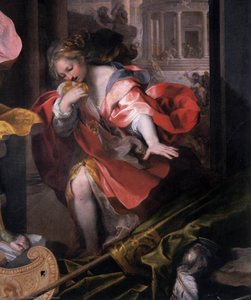
Composition Study (for “Circumcision”, Paris, musée du Louvre)

- 43.0 x 58.0 cm


 Weiterlesen
Giclée / Kunstdruck
Giclée- oder Leinwanddruck in Museumsqualität mit schneller Produktion und flexiblen Veredelungsoptionen. ( Handgemalte Reproduktion bestellen Zum digitalen Bild wechseln)




P118B €10

P118H €10

P118W €10

P438Z €10

P508JH €12

P508YH €12

P805H €10

P805Z €10

P919BZ €10

P919G €10

P919XJ €10

P959ZH €10

P968JZ €12

W106C €8

W218G €10

W218JH €8

W218Y €10

W307PJ €10

W316G €10

W316PJ €8

W316Y €10

W398PJ €8

W4111J €10

W500HY €15

W500JH €15

W692G €12

W849H €8

W940BG €15

W953PJ €8




Wählen Sie aus unseren vordefinierten Formaten, die den ursprünglichen Proportionen des Kunstwerks entsprechen.

Geben Sie die benötigte Breite und Höhe an, damit der Druck perfekt in Ihren Rahmen oder an Ihre Wand passt. Ein Druck kann nur beschnitten, aber niemals größer als das Originalbild angefertigt werden; daher verliert ein Format mit anderen Proportionen einen Teil des Bildes. Wir senden Ihnen ein digitales Mockup zur Freigabe, bevor wir den Druck ausführen. Das auf dieser Seite gezeigte Bild zeigt nicht den tatsächlichen Beschnitt – dies ist nur im Mockup ersichtlich.
Weltweiter Versand () innerhalb von 2 Wochen statt der üblichen 4/5 Wochen. (4 November)

Kostenloser weltweiter Expressversand

Hochwertige Leinenleinwand

Umfassender Versicherungsschutz beim Versand

Zollgebühren-Rückerstattungsgarantie

Garantie für exakte Farbtreue

100 Tage Rückgaberecht (nur bei Mängeln)

100% Geld-zurück-Garantie

Mengenrabatt verfügbar
 Die Glasoption ist nur für Größen unter 110 cm verfügbar.

Composition Study (for “Circumcision”, Paris, musée du Louvre)
Giclée / Kunstdruck
Format der Reproduktion
-


Endpreis
€ 72
A Window into a Sacred Moment: Federico Barocci’s Composition Study
Federico Fiori Barocci's "Composition Study (for ‘Circumcision’, Paris, musée du Louvre)” isn’t merely a preparatory sketch; it’s a profound distillation of the artist’s vision for a monumental work depicting a pivotal scene from biblical history. Completed around 1590, this drawing offers an intimate glimpse into Barocci's meticulous process and reveals a remarkable sensitivity to light, gesture, and the emotional weight of the subject matter – the Circumcision of Isaac. It’s a piece that transcends its status as a study, becoming a miniature masterpiece in itself, brimming with the artist’s characteristic blend of Renaissance restraint and burgeoning Baroque dynamism.
The Master’s Technique: Pastel and the Dawn of a New Era
Barocci's masterful use of pastel is immediately striking. The delicate washes of color – ranging from soft pinks and blues to earthy browns and ochres – create an ethereal atmosphere, imbuing the scene with a sense of otherworldly grace. Unlike the heavier pigments favored by his predecessors, Barocci embraced the pastel’s ability to capture subtle nuances of light and shadow, producing effects that shimmer and glow. This technique wasn't simply a matter of preference; it was revolutionary. Barocci is widely considered one of the earliest artists to fully exploit the medium’s potential, paving the way for its later adoption by Rubens and other Baroque masters. The drawing itself demonstrates this – the layering of pastel creates an incredible depth and luminosity, capturing the texture of fabrics, skin tones, and even the rough surface of the stone altar.
- Pastel Layering: Barocci’s technique involved building up layers of pastel to achieve complex color gradations.
- Light & Shadow: The subtle shifts in tone create a remarkable sense of volume and depth.
- Emotional Resonance: The soft, luminous quality contributes significantly to the drawing's evocative power.
A Scene of Ritual and Reverence
The composition itself is carefully constructed, guiding the viewer’s eye through the scene with a masterful understanding of perspective and spatial relationships. The figures are arranged in a dynamic yet balanced manner, creating a sense of movement and drama. The central focus is clearly Isaac, bathed in a soft light that highlights his youthful vulnerability. Around him gather the key participants – Abraham, his aged servant, and the sacrificial animal. Note the meticulous detail with which Barocci renders each figure’s expression—a mixture of solemnity, reverence, and perhaps even apprehension. The inclusion of the altar and the surrounding objects subtly reinforces the ritualistic nature of the event.
The drawing's historical context is equally important. It was created during a period of intense religious fervor in Italy, as the Counter-Reformation sought to revitalize Catholic faith. Barocci’s work reflects this spirit, conveying a sense of profound spiritual significance and emotional intensity. The scene itself—the sacrifice of Isaac—is a powerful allegory for obedience, faith, and divine grace.
Beyond the Sketch: A Legacy of Emotion
While intended as a preparatory study, "Composition Study (for ‘Circumcision’, Paris, musée du Louvre)” stands as a testament to Barocci’s artistic genius. It's not just a technical exercise; it’s a deeply felt expression of human emotion and spiritual contemplation. The drawing invites us to step into the artist’s mind and witness his creative process firsthand. Reproductions of this work, skillfully executed in high-quality materials, offer a tangible connection to this remarkable artistic achievement – a window into a sacred moment captured with unparalleled sensitivity and artistry.
Fragen & Antworten
Wie hoch ist der Kontrast von "Composition Study (for “Circumcision”, Paris, musée du Louvre)" von Federico Fiori Barocci?
Der Hell-Dunkel-Kontrast von „Composition Study (for “Circumcision”, Paris, musée du Louvre)“ wird mit Sanft angegeben. Der Kontrast beschreibt, wie stark sich helle und dunkle Bereiche voneinander unterscheiden.
Wer ist der Urheber von "Composition Study (for “Circumcision”, Paris, musée du Louvre)" und aus welchem Jahr stammt das Werk?
Federico Fiori Barocci schuf „Composition Study (for “Circumcision”, Paris, musée du Louvre)“ im Jahr 1590.
Wo kann man "Composition Study (for “Circumcision”, Paris, musée du Louvre)" von Federico Fiori Barocci heute besichtigen?
"Composition Study (for “Circumcision”, Paris, musée du Louvre)" von Federico Fiori Barocci wird im Galleria degli Uffizi, Florence, Italy ausgestellt. Die Museumsangabe bezieht sich auf das Originalwerk, nicht auf Reproduktionen.
Künstlerbiografie
Frühes Leben und Ausbildung
- Geboren: Urbino, Italien (1535)
- Gestorben: 1612
- Federico Fiori Barocci, ein italienischer Renaissance-Maler und Grafiker, wurde 1535 in Urbino, Italien, geboren.
- Sein ursprünglicher Name war Federico Fiori, und er erhielt den Spitznamen "il Baroccio", was im nordwestitalienischen Dialekt eine zweirädrige Karre bedeutet, die von Ochsen gezogen wird.
- Barocci erhielt seine erste Ausbildung bei seinem Vater, Ambrogio Barocci, einem Bildhauer von örtlicher Bedeutung.
- Anschließend wurde er beim Maler Battista Franco in Urbino ausgebildet. Diese Ausbildung legte den Grundstein für seinen späteren Erfolg.
Künstlerische Karriere und Einflüsse
- Baroccis Werk war hoch angesehen und einflussreich und kündigte den Stil Peter Paul Rubens' an.
- Er arbeitete im renommierten Studio von Taddeo und Federico Zuccari in Rom, wo er verschiedenen künstlerischen Einflüssen ausgesetzt war.
- Seine erste bemerkenswerte Arbeit war eine St. Margarete, die für die Confraternity of the Holy Sacrament geschaffen wurde.
- Er wurde von Papst Pius IV eingeladen, bei der Dekoration des Vatikan Belvedere Palastes in Rom zu helfen, wo er die Jungfrau Maria und das Jesuskind mit mehreren Heiligen sowie eine Decke in Fresko malte, die die Verkündigung darstellten.
- Baroccis Stil war durch eine Mischung aus Manierismus- und Barockelementen gekennzeichnet.
Bemerkenswerte Werke und Vermächtnis
- Fünf Studien einer männlichen Figur und zwei seiner rechten Hand und Arms (Uffizien Galerie, Florenz, Italien) – ein Beweis für Baroccis Geschick im Festhalten der menschlichen Form.
- Kompositionsstudie (für „Beschneidung“, Paris, Musée du Louvre) – demonstriert seine Fähigkeit, Komposition und Emotion in Einklang zu bringen.
- Kopf eines Mannes (für „Rufer des Heiligen Andreas“, Brüssel, Königliche Museen der Schönen Künste von Belgien) – zeigt Baroccis Liebe zum Detail und Ausdruckskraft.
- Die Mariä Geburt (1597 Öl auf Leinwand im Prado).
- Madonna del Popolo (Uffizien Galerie, Florenz, Italien).
- Die Madonna mit der Katze (La Madonna del Gatto)
- Verkündigung (1582)
Entwicklung und Bedeutung
- Obwohl er sich nach einem vermeintlichen Giftanschlag 1563 dauerhaft aus Rom zurückzog und hauptsächlich in Urbino tätig war, entwickelte Barocci seinen Stil weiter.
- Er nutzte neue Zeichentechniken, die es ihm ermöglichten, unorthodoxe malerische Methoden zu entwickeln.
- Seine Werke zeichnen sich durch Wärme des Gefühls und tiefe Spiritualität aus.
Vermächtnis und Rezeption
- Barocci gilt als ein wichtiger Vorläufer des Barockstils und beeinflusste Künstler wie Peter Paul Rubens maßgeblich. Sein Werk steht für den Übergang von Manierismus zum Barock und spiegelt die religiösen und künstlerischen Strömungen der Gegenreformation wider.
- Er war einer der bedeutendsten und individuellsten Maler seiner Zeit in Mittelitalien.
- Baroccis Einfluss ist in den Werken verschiedener Künstler sichtbar, darunter Peter Paul Rubens, der von Baroccis dramatischem und emotionalem Pinselstrich inspiriert wurde. Sein Vermächtnis wird weiterhin gefeiert durch seine zahlreichen Werke, die sich nun in Museen wie der Uffizien Galerie (Florenz, Italien) und dem Musée du Louvre (Paris, Frankreich) befinden.

Federico Fiori Barocci
1535 - 1612 , Italien
Kurzinfos
- Beeinflusste Künstler: ['Battista Franco']
- Bemerkenswerte Werke:
- Die Mariä Geburt
- Madonna del Popolo
- Verkündigung
- Geburtsdatum: 1535
- Geburtsort: Urbino, Italien
- Künstlerischer Stil: Renaissance, Barock
- Nationalität: Italiener
- Sterbedatum: 1612
- Vollständiger Name: Federico Fiori Barocci
- Von Künstlern Beeinflusst: ['Peter Paul Rubens']
Ähnliche Artikel

Barocke Pracht: Wie Sie Opulenz und Emotionen in zeitgenössische Innenräume bringen
Entdecken Sie die Pracht des Barock! Expertenratgeber für luxuriöse Innenräume mit barocken Elementen. Inspiration, Tipps & hochwertige Kunst bei .

The Visceral Stage: Exploring Dramatic Narratives & Emotional Intensity in Baroque Art
Explore the dramatic world of Baroque art! Discover iconic masters like Caravaggio & Rembrandt, their techniques, and the movement's lasting impact. Expert insights for collectors & enthusiasts at OriginalUniqueArt.

Die Subtilität der Pastelltechnik: Geschichte, Anwendung und emotionale Resonanz
Entdecken Sie die faszinierende Welt der Pastellmalerei! Erfahren Sie mehr über Technik, Geschichte und berühmte Künstler. Hochwertige Reproduktionen bei OriginalUniqueArt.

Meisterwerke der Genialität: Die 25 besten Kunstwerke von Leonardo da Vinci
Entdecke die 25 größten Meisterwerke von Leonardo da Vinci und die Magie der Renaissance. Alle Schätze online auf OriginalUniqueArt.com erleben.

Barock Meisterwerke: Die 10 prägendsten Kunstwerke für Ihr Zuhause |
Entdecken Sie die 10 prägendsten Meisterwerke des Barock! Caravaggio, Rembrandt & Co. – Erfahren Sie die Geschichten hinter ikonischen Gemälde und finden Sie hochwertige Kunst Reproduktionen für Ihr Zuhause auf .