Vorschau anzeigen
 Versenden
 Teilen
 Details anzeigen
 Leitfaden

 Herunterladen
 Ähnliche Objekte
 Röntgenaufnahme
 Diashow
 Statistiken
Jagd auf den Tiger
 Öl auf Leinwand
- Wandkunst
- Romanticism
 1854
1854- 19. Jahrhundert
 74.0 x 92.0 cm
 Louvre
 Weiterlesen
Giclée / Kunstdruck
Giclée- oder Leinwanddruck in Museumsqualität mit schneller Produktion und flexiblen Veredelungsoptionen. ( Handgemalte Reproduktion bestellen Zum digitalen Bild wechseln)




P118B €10

P118H €10

P118W €10

P438Z €10

P508JH €12

P508YH €12

P805H €10

P805Z €10

P919BZ €10

P919G €10

P919XJ €10

P959ZH €10

P968JZ €12

W106C €8

W218G €10

W218JH €8

W218Y €10

W307PJ €10

W316G €10

W316PJ €8

W316Y €10

W398PJ €8

W4111J €10

W500HY €15

W500JH €15

W692G €12

W849H €8

W940BG €15

W953PJ €8




Wählen Sie aus unseren vordefinierten Formaten, die den ursprünglichen Proportionen des Kunstwerks entsprechen.

Geben Sie die benötigte Breite und Höhe an, damit der Druck perfekt in Ihren Rahmen oder an Ihre Wand passt. Ein Druck kann nur beschnitten, aber niemals größer als das Originalbild angefertigt werden; daher verliert ein Format mit anderen Proportionen einen Teil des Bildes. Wir senden Ihnen ein digitales Mockup zur Freigabe, bevor wir den Druck ausführen. Das auf dieser Seite gezeigte Bild zeigt nicht den tatsächlichen Beschnitt – dies ist nur im Mockup ersichtlich.
Weltweiter Versand () innerhalb von 2 Wochen statt der üblichen 4/5 Wochen. (28 Oktober)

Kostenloser weltweiter Expressversand

Hochwertige Leinenleinwand

Umfassender Versicherungsschutz beim Versand

Zollgebühren-Rückerstattungsgarantie

Garantie für exakte Farbtreue

100 Tage Rückgaberecht (nur bei Mängeln)

100% Geld-zurück-Garantie

Mengenrabatt verfügbar
 Die Glasoption ist nur für Größen unter 110 cm verfügbar.

Jagd auf den Tiger
Giclée / Kunstdruck
Format der Reproduktion
-


Endpreis
€ 70
Das epische Drama des Jagdherbstes
Eugène Delacroix's "Tiger Hunt" (1854) isn't merely a depiction of a hunt; it’s a visceral explosion of energy, a dramatic confrontation between man and beast rendered with the raw intensity characteristic of the French Romantic movement. Housed within the hallowed halls of the Louvre in Paris, this monumental canvas immediately commands attention – not just for its scale (74 x 92 cm), but for the sheer dynamism it embodies. Delacroix, a master of capturing fleeting moments and imbuing them with profound emotion, transports us directly into the heart of the action, where the scent of damp earth mingles with the primal roar of the tiger.
The painting’s genesis is rooted in a personal experience – Delacroix's own encounter with a tiger during his travels in Morocco. This encounter ignited within him a burning desire to translate the exotic thrill and underlying danger into a visual narrative. He meticulously researched the subject, studying accounts of tiger hunts and drawing inspiration from both classical sources like Rubens’ dramatic compositions and the vibrant color palettes of Venetian masters. The result is a work that transcends simple documentation; it's an intensely felt experience.
Die Komposition: Ein Tanz aus Bewegung und Kontrast
Delacroix’s compositional genius lies in his masterful orchestration of movement and contrast. The eye is immediately drawn to the central figure – a mounted hunter, spear poised, charging headlong into the fray. His posture exudes determination, while the rearing horse embodies both power and vulnerability. Around him swirl the chaos of the hunt: two dogs, straining at their leashes, mirroring the hunters’ eagerness; a bowman preparing his shot, adding another layer to the impending conflict; and, dominating the lower portion of the canvas, the magnificent tiger itself – a creature of terrifying beauty, its amber eyes burning with primal fury.
The artist skillfully employs chiaroscuro—the dramatic contrast between light and shadow—to heighten the sense of drama. Bright highlights illuminate the hunters’ faces and the tiger's fur, while deep shadows engulf the surrounding foliage, creating a palpable atmosphere of tension and impending violence. The use of color is equally striking; rich reds and browns dominate the scene, evoking the heat of the sun and the earthy tones of the jungle, punctuated by flashes of white in the horses’ manes and the tiger's stripes.
Symbolik und historische Bedeutung
Beyond its immediate visual impact, “Tiger Hunt” is laden with symbolic meaning. The hunt itself represents a struggle for dominance – not just between hunter and prey, but also between civilization and the untamed wilderness. The tiger, often associated with strength, ferocity, and even royalty in ancient cultures, embodies the forces of nature that lie beyond human control. The painting can be interpreted as an allegory for the Romantic fascination with the sublime—the awe-inspiring power of nature that simultaneously attracts and terrifies us.
Furthermore, the work reflects Delacroix’s own turbulent personal life. He was a man of intense passions and contradictions – a celebrated artist haunted by unfulfilled desires and plagued by bouts of melancholy. “Tiger Hunt” can be seen as an outward expression of these inner struggles—a desperate attempt to capture and control the forces that threaten to overwhelm him.
Ein Meisterwerk in Reproduktion
OriginalUniqueArt offers meticulously crafted, hand-painted reproductions of Eugène Delacroix’s “Tiger Hunt,” allowing you to bring this iconic masterpiece into your home or office. Our skilled artisans painstakingly recreate every detail of the original painting, using only the finest pigments and archival materials to ensure lasting beauty and authenticity. Whether you're an art enthusiast, a collector, or simply seeking a stunning piece of décor, our reproduction captures the essence of Delacroix’s vision with breathtaking accuracy and emotional depth. Explore the legacy of this extraordinary artist through OriginalUniqueArt – and experience the power of Romanticism firsthand.
Fragen & Antworten
Was stellt "Jagd auf den Tiger" von Eugène Delacroix dar und welche Stimmung vermittelt es?
"Jagd auf den Tiger" von Eugène Delacroix verbindet tiger hunt, hunting scene, romanticism, delacroix, action, violence, wild animals, 19th century mit einer Dramatisch Atmosphäre.
In welche Phase von Eugène Delacroixs Schaffen lässt sich "Jagd auf den Tiger" einordnen?
„Jagd auf den Tiger“ entstammt der Mature Period von Eugène Delacroix. Diese Einordnung setzt das Werk in Bezug zur künstlerischen Entwicklung des Künstlers.
Wie spiegeln sich Stilrichtung und Epoche in "Jagd auf den Tiger" von Eugène Delacroix wider?
"Jagd auf den Tiger" gehört der Strömung des Romanticism an, und sein Schöpfer war in der Ära der – 19. Jahrhundert tätig.
Künstlerbiografie
Ein Pionier der Romantik: Eugène Delacroix
Eugène Delacroix gilt als eine der prägendsten Figuren der französischen Romantik und wurde von Anfang an für seine Führungsrolle innerhalb dieser künstlerischen Bewegung gefeiert. Geboren 1798 in Chantonnay, Frankreich, fand er seinen künstlerischen Weg durch die Beschäftigung mit den Werken großer Meister wie Rubens und den Malern der venezianischen Renaissance – wobei Farbe und Bewegung eine zentrale Rolle spielten und Klarheit von Konturen sowie sorgfältige Modellierung zugunsten eines dynamischen Ausdrucks vernachlässigt wurden. Diese Philosophie prägte sein gesamtes künstlerisches Leben und beeinflusste nachfolgende Generationen von Künstlern nachhaltig.- Frühe Jahre und Ausbildung: Delacroix erhielt eine umfassende künstlerische Ausbildung am École Royale Supérieure des Beaux-Arts in Paris, wo er sich intensiv mit klassischen Formen beschäftigte und dennoch einen eigenen Stil entwickelte, der sich durch eine besondere Sensibilität für Farbe und Bewegung auszeichnete.
- Die ersten Erfolge: Bereits früh beeindruckte Delacroix sein Publikum mit seinen Gemälden und erhielt zahlreiche Aufträge von wohlhabenden Mäzenen und Mitgliedern des französischen Königshauses. Besonders bekannt wurde sein Werk „Die Barque von Dante“, das eine außergewöhnliche technische Virtuosität und eine tiefgründige künstlerische Vision demonstriert.
Der Einfluss der Romantik und die Suche nach neuen Ausdrucksformen
Delacroix war tief beeindruckt von den Ideen der französischen Romantik, insbesondere von deren Betonung von Gefühl und Leidenschaft sowie ihrer Ablehnung der klassischen Regeln und Konventionen. Er sah sich als Aufgabe, neue Wege zu beschreiten und eine künstlerische Sprache zu entwickeln, die die komplexen Emotionen und Erfahrungen des menschlichen Lebens einfangen konnte. Diese Suche nach neuen Ausdrucksformen fand ihren Ausgang in einer umfassenden Beschäftigung mit historischen Ereignissen und literarischen Werken sowie in einer ersten Reise nach Nordafrika.Nordafrika und die Geburt eines einzigartigen Stil
Die Reise nach Nordafrika im Jahr 1830 markierte einen entscheidenden Wendepunkt für Delacroixs künstlerische Entwicklung. Er ließ sich von der exotischen Landschaft und Kultur dieser Region inspirieren und schuf beeindruckende Gemälde wie „Arabische Pferde im Kampf“ und „Der Tod des Sardanapalus“, die durch ihre lebendige Farbgebung, dynamische Komposition und dramatische Darstellung außergewöhnlich sind. Diese Werke gelten als Schlüssel zum Verständnis seines unverwechselbaren künstlerischen Stils und verkörpern die Essenz der romantischen Kunst.Die Meisterwerke und ihr Vermächtnis
Delacroix hinterließ ein beeindruckendes Oeuvre, das bis heute weltweit Anerkennung findet. Zu seinen berühmtesten Gemälden zählen „Freiheit führt das Volk an“, eine monumentale Darstellung der Julirevolution von 1830, und „Die Schlacht von Zaragoza“, die eine außergewöhnliche historische Dokumentation darstellt. Seine Werke haben einen tiefgreifenden Einfluss auf die Entwicklung der französischen Kunst des 19. Jahrhunderts ausgeübt und inspirierten zahlreiche Künstler nachfolgender Generationen.Ein Erbe für die Zukunft
Eugène Delacroix gilt als einer der bedeutendsten Künstler seiner Zeit und sein Werk wird bis heute intensiv studiert und gefeiert. Seine künstlerische Vision und sein außergewöhnlicher Stil haben einen nachhaltigen Eindruck auf die Kunstgeschichte hinterlassen und werden weiterhin von Künstlern weltweit bewundert und nachgeahmt.
Eugène Delacroix
1798 - 1863 , Frankreich
Kurzinfos
- Artistic Movement Or Style: Romantik
- Artists Or Movements Influenced By This Artist:
- Impressionismus
- Postimpressionismus
- Artists Who Influenced This Artist:
- Rubens
- Venezianische Renaissance
- Date Of Birth: 26. April 1798
- Date Of Death: 13. August 1863
- Full Name: Eugène Delacroix
- Nationality: Französisch
- Notable Artworks:
- Liberty Leading the People
- Der Tod des Sardanapales
- Arabische Pferde im Kampf
- Place Of Birth: Chantonnay, Frankreich
Ähnliche Artikel

Öl auf Leinwand: Eine historische und technische Erkundung eines zeitlosen künstlerischen Mediums
Entdecken Sie die faszinierende Welt der Ölmalerei! Von historischen Techniken bis zur modernen Anwendung – wir bieten Expertenwissen, Restaurierungstipps und hochwertige Reproduktionen. Jetzt informieren!

Eugène Delacroix: Leidenschaft, Politik und malerische Innovation im Sturm der Romantik
Entdecken Sie das Leben und Werk von Eugène Delacroix – einem Pionier der Romantik! Analysen seiner ikonischen Gemälde, Einflüsse & sein Vermächtnis für die moderne Kunst. Expertenwissen auf OriginalUniqueArt.

The Enduring Power of Painting: A Historical & Contemporary Exploration of Form and Emotion
Explore the rich history & enduring techniques of oil painting with OriginalUniqueArt. Discover masterpieces, learn about art collecting, and find authentic handmade reproductions crafted by skilled artists.
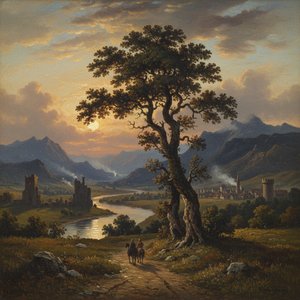
Paul Huet: Capturing the Essence of French Romanticism Through Light and Landscape
Explore the captivating world of Paul Huet (1803-1869), a master of French Romantic landscape painting. Discover his influence on Barbizon & Impressionism, and browse high-quality reproductions at OriginalUniqueArt.

The Enduring Legacy of Oil on Canvas: Technique, History & Aesthetic Impact
Explore the rich history & techniques of oil painting – from Renaissance masters to Impressionism. Discover pigments, layering methods, and why this timeless medium endures. Expert insights for artists & art enthusiasts.