
 In echtem Maßstab anzeigen
 Versenden als Grußkarte
 Teilen
 Details anzeigen
 Leitfaden öffnen

 Herunterladen
 Ähnliche Objekte
 Röntgenaufnahme
 Diashow
 Besucherstatistiken
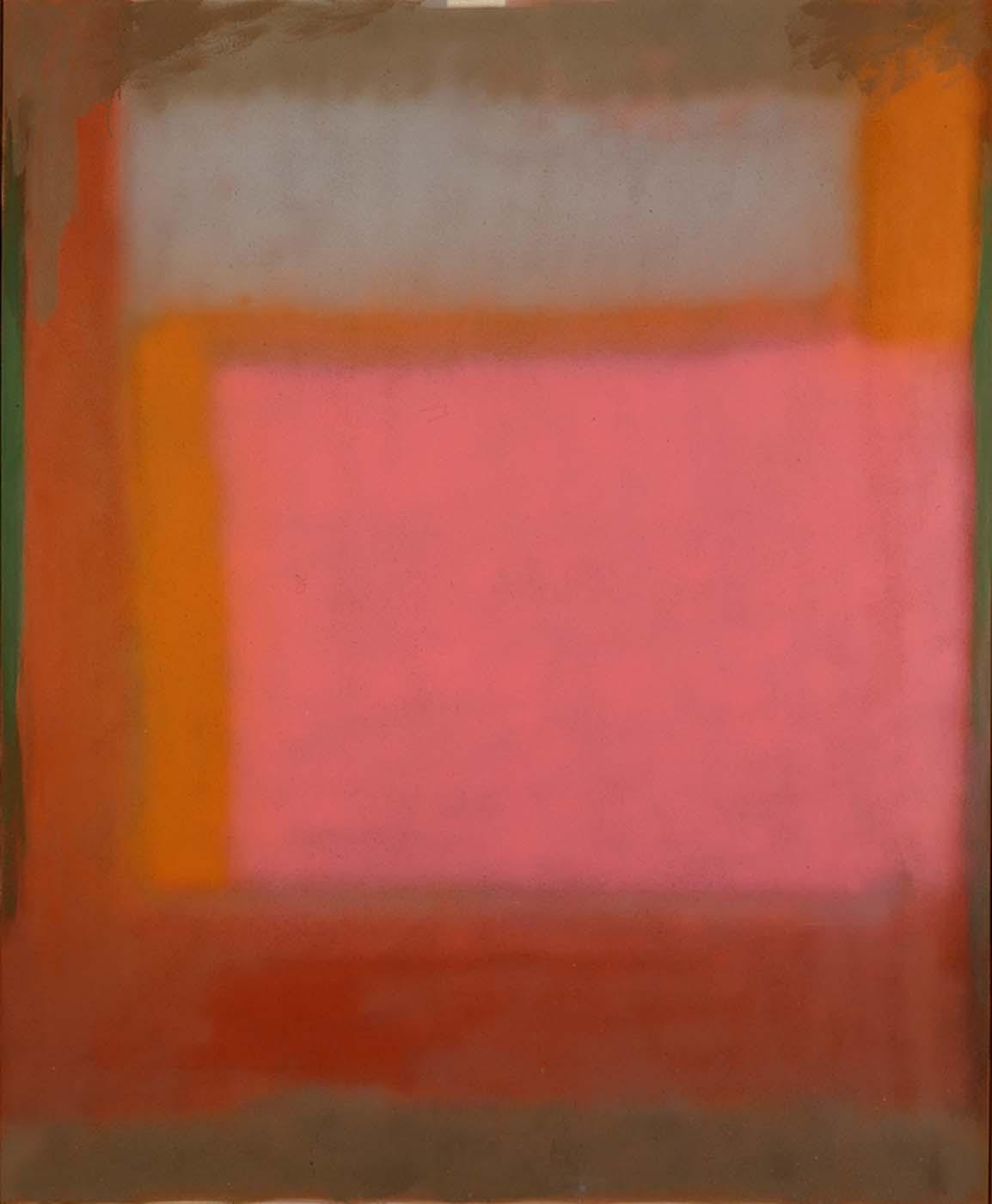
Spring
 1972
1972 173.0 x 143.0 cm
 Mehr anzeigen
Die auf dieser Seite dargestellten Kunstwerke sind urheberrechtlich geschützt, was bedeutet, dass wir keine identische Reproduktion rechtmäßig erstellen oder verkaufen dürfen. Dieser Schutz wird durch internationale Abkommen wie die Berner Übereinkunft und durch nationale Gesetze, einschließlich derer, die von den ... festgelegt wurden US-Urheberrecht – Titel 17.
Als respektvolle und rechtlich einwandfreie Alternative bieten wir individuelle, handgemalte Kunstwerke an, die vom Original inspiriert sind. Unsere geschickten und professionellen Künstler studieren sorgfältig den Stil, die Stimmung und das künstlerische Wesen des Originals, um ein neues, einzigartiges Werk zu schaffen, das dasselbe Gefühl hervorruft – während es zugleich eine eigenständige Originalschöpfung bleibt.
Diese Methode entspricht vollumfänglich den Urheberrechtsbestimmungen, da sie keine Kopie oder Vervielfältigung des geschützten Kunstwerks darstellt. Stattdessen handelt es sich um eine kreative Neuinterpretation – ein neues Gemälde, das vom Original inspiriert, aber nicht identisch mit ihm ist.
Handgefertigte Ölreproduktion
Handgemaltes Ölgemälde auf Leinwand in Ihrer Wunschgröße und mit Rahmen, auf Bestellung von unseren Künstlern angefertigt. ( Zum Druck wechseln Zum digitalen Bild wechseln)




































Wählen Sie aus unseren vordefinierten Formaten, die den ursprünglichen Proportionen des Kunstwerks entsprechen.

Geben Sie die Breite und die Höhe an, die Sie für Ihren Rahmen oder Ihre Wand benötigen. Da dieses Werk handgemalt ist, kann der Künstler bei einer anderen Form etwas mehr um das Bild herum malen oder etwas abschneiden – Sie entscheiden. Wir senden Ihnen ein digitales Mockup zur Freigabe, bevor mit dem Malen begonnen wird. Das auf dieser Seite gezeigte Bild stellt nicht das tatsächliche Ergebnis dar – dies tut nur das Mockup.
Nach der Bestellung wird das OriginalUniqueArt.com-Team dem Kunden Anweisungen per E-Mail zusenden und eine Mockup-Vorschau bereitstellen.
Weltweiter Versand () in nur 3 bis 4 Wochen statt der üblichen 5 Wochen. (22 Oktober). Keine Kompromisse bei der Qualität.

Kostenloser weltweiter Expressversand

Hochwertige Leinenleinwand

Vollständiger Versicherungsschutz beim Versand

Zollgebühren-Rückerstattungsgarantie

Garantie für exakte Farbtreue

100-tägiges Rückgaberecht (nur bei Mängeln)

100% Geld-zurück-Garantie

Angebot für Mengenrabatt
 Die Glasoption ist nur für Größen unter 110 cm verfügbar.

Spring
Reproduktionsmedium
Format der Reproduktion
-


Gesamtpreis
€ 263
Biografie des Künstlers
Die lyrische Seele des Abstrakten Expressionismus
Esteban Vicente bildet eine tiefgründige Brücke zwischen den klassischen Traditionen Europas und der radikalen, transformativen Energie der New Yorker Schule. Geboren im Jahr 1903 in der ruhigen spanischen Stadt Turégano, war sein frühes Leben von einer tiefen Verbundenheit mit dem kulturellen Reichtum Spaniens geprägt. Unter der Anleitung seines Vaters, eines Amateurmalers, verbrachte Vicente seine prägenden Jahre beim Wandern durch die Hallen des Museo del Prado, wo die Meister der Vergangenheit ihm einen grundlegenden Respekt vor Licht, Form und Komposition einprägten. Diese klassische Ausbildung an der Real Academia de Bellas Artes de San Fernando verlieh ihm die strukturelle Disziplin, die es ihm später ermöglichen sollte, die grenzenlosen Reiche der Abstraktion mit unvergleichlicher Anmut zu durchschreiten.
Als die Schatten des Spanischen Bürgerkrieg Krieg über seine Heimat hereinbrachen, nahm Vicentes Weg im Jahr 1936 eine entscheidende Wendung in Richtung New York City. Diese Migration war mehr als nur ein geografischer Wechsel; es war ein Eintauchen in das Epizentrum einer aufstrebenden Moderne. In den lebendigen Künstlerkolonien Manhattans fand er sich inmitten eines Kreises von Luminaren wie Jackson Pollock, Willem de Koonung und Mark Rothko wieder. Doch während viele seiner Zeitgenossen die rohe, spontane Heftigkeit des Action Painting annahmen, schlug Vicente einen ganz eigenen, meditativen Pfad ein. Sein Werk wurde zu einem reflektierenden Gegenpol zu den aggressiveren Gesten jener Ära und konzentrierte sich stattdessen auf eine lyrische Abstraktion, die darauf abzielt, die ungreifbaren Beziehungen innerhalb der natürlichen Welt einzufangen.
Eine Symphonie aus Farbe und Licht
Das wahre Wesen von Vicentes Meisterschaft liegt in seiner Fähigkeit, Farbe so zu manipulieren, als wäre sie ein lebendiges, atmendes Wesen. Im Gegensatz zur automatischen, impulsiven Schöpfung, die einige seiner Weggefährten bevorzugten, ging Vicente mit einer akribischen, vielschichtigen Präzision an seine Leinwände heran. Er erforschte das feine Zusammenspiel zwischen tonalen Harmonien und geometrischen Formen und schuf Werke, die sich sowohl weitläufig als auch zutiefst intim anfühlten. Seine Technik beinhaltete oft das sorgfältige Schichten von Farbe und sogar den erfinderischen Einsatz von geschnittenem und gerissenem Papier in Collagen, was Texturen hervorbrachte, die den Betrachter in einen Zustand stiller Kontemplation einladen.
Seine ästhetische Entwicklung lässt sich durch mehrere künstlerische Grundpfeiler betrachten:
- Erkundung des Color Field: Ein tiefgreifender Fokus darauf, wie Farbtöne interagieren, um Tiefe und Atmosphäre zu erzeugen, ohne auf gegenständliche Motive angewiesen zu sein.
- Biomorpher Einfluss: Eine subtile Anspielung auf den Surrealismus, bei der organische, fließende Formen aus der abstrakten Landschaft hervortreten.
- Meditative Komposition: Der Einsatz von Licht und Form, um emotionale Reaktionen hervorzurufen und sich so von der Erzählung hin zur reinen Empfindung zu bewegen.
In seinen späteren Jahren, insbesondere nach der Etablierung eines Rückzugsortes in Bridgehampton, Long Island, verfeinerte sein Werk diesen Dialog zwischen dem Physischen und dem Ätherischen weiter. Ob durch Öl auf Leinwand oder komplexe Arbeiten auf Papier – Vicentes Kunst blieb ein Zeugnis für die Kraft der chromatischen Resonanz – der Idee, dass Farbe allein die Komplexität menschlicher Erfahrung kommunizieren kann.
Ein bleibendes Vermächtnis in der modernen Kunst
Die historische Bedeutung von Esteban Vicente reicht weit über seine einzelnen Leinwände hinaus. Er repräsentiert die erfolgreiche Synthese zweier Welten: die akademische Strenge der spanischen Tradition und die experimentelle Freiheit der amerikanischen Nachkriegskunst. Seine Karriere, die acht Jahrzehnte und zwei Kontinente umspannte, dient als lebenswichtiges Bindeglied in der Evolution der Moderne und beweist, dass Abstraktion sowohl intellektuell anspruchsvoll als auch tief poetisch sein kann.
Heute wird sein Vermächtnis in einigen der prestigeträchtigsten Institutionen der Welt bewahrt, was sicherstellt, dass seine stille Revolution der Farbe weiterhin Inspiration findet. Seine Werke befinden sich in den ständigen Sammlungen des:
- Museum of Modern Art (MoMA), New York
- Metropolitan Museum of Art, New York
- Art Institute of Chicago
- National Gallery of Art, Washington, D.C.
- Bilbao Fine Arts Museum, Spanien
Durch seine Fähigkeit, das Universelle im Abstrakten zu finden, bleibt Esteban Vicente eine zentrale Figur, deren Kunst nicht bloß verlangt, gesehen zu werden, sondern die die Seele dazu einlädt, in ihren leuchtenden Tiefen zu verweilen.

Esteban Vicente
1903 - 2001 , Spanien
Eckdaten zum Künstler
- Artistic Movement Or Style: Abstrakt Expressionismus
- Artists Or Movements Influenced By This Artist: ['New York Schule']
- Artists Who Influenced This Artist:
- Willem de Kooning
- Jackson Pollock
- Date Of Birth: Januar 20, 1903
- Date Of Death: Januar 10, 2001
- Full Name: Esteban Vicente Pérez
- Nationality: Spanier
- Notable Artworks:
- Paischaftlich
- Unbetitelte Serie I
- Frühling
- Place Of Birth: Turégano, Spanien
