

 In echtem Maßstab anzeigen
 Versenden als Grußkarte
 Teilen
 Details anzeigen
 Leitfaden öffnen

 Herunterladen
 Ähnliche Objekte
 Röntgenaufnahme
 Diashow
 Besucherstatistiken
excited people - -
 Oil On Canvas
- WallArt
- Expressionist Movement
 1913
1913- Modern
 103.0 x 77.0 cm
 Mehr anzeigen
Giclée / Kunstdruck
Giclée- oder Leinwanddruck in Museumsqualität mit schneller Produktion und flexiblen Veredelungsoptionen. ( Handgemalte Reproduktion kaufen Zum digitalen Bild wechseln)




P118B €10

P118H €10

P118W €10

P438Z €10

P508JH €12

P508YH €12

P805H €10

P805Z €10

P919BZ €10

P919G €10

P919XJ €10

P959ZH €10

P968JZ €12

W106C €8

W218G €10

W218JH €8

W218Y €10

W307PJ €10

W316G €10

W316PJ €8

W316Y €10

W398PJ €8

W4111J €10

W500HY €15

W500JH €15

W692G €12

W849H €8

W940BG €15

W953PJ €8




Wählen Sie aus unseren vordefinierten Formaten, die den ursprünglichen Proportionen des Kunstwerks entsprechen.

Geben Sie die Breite und die Höhe an, die Sie benötigen, damit der Druck perfekt in Ihren Rahmen oder an Ihre Wand passt. Ein Druck kann nur beschnitten werden und niemals größer als das Originalbild gemacht werden; daher verliert ein Format mit einer anderen Proportion einen Teil des Bildes. Wir senden Ihnen ein digitales Mockup zur Freigabe, bevor wir den Druck ausführen. Das auf dieser Seite gezeigte Bild zeigt nicht den tatsächlichen Beschnitt – dies ist nur im Mockup ersichtlich.
Weltweiter Versand () innerhalb von 2 Wochen statt der üblichen 4/5 Wochen. (23 Oktober)

Kostenloser weltweiter Expressversand

Hochwertige Leinenleinwand

Vollständiger Versicherungsschutz beim Versand

Zollgebühren-Rückerstattungsgarantie

Garantie für exakte Farbtreue

100-tägiges Rückgaberecht (nur bei Mängeln)

100% Geld-zurück-Garantie

Angebot für Mengenrabatt
 Die Glasoption ist nur für Größen unter 110 cm verfügbar.

excited people - -
Giclée / Kunstdruck
Format der Reproduktion
-


Gesamtpreis
€ 70
A Moment Frozen in Vibrant Expression
The painting “Excited People” by Emile Nolde, completed in 1913, isn’t merely an image; it's a palpable distillation of emotion captured on canvas. Measuring 103 x 77 cm, this oil on canvas piece resides within the esteemed Arnot Art Museum collection in the United States—a testament to Nolde’s enduring legacy as a pivotal figure in European Expressionism. Examining its surface reveals more than just pigment; it unveils a profound engagement with the human condition and a masterful command of artistic technique.The Canvas Speaks Volumes: Style and Technique
Nolde's stylistic approach is immediately recognizable—bold, unapologetic color dominates the composition. He eschewed academic conventions, prioritizing intuition and feeling over meticulous realism. The vibrant green background isn’t simply decorative; it serves as an anchor for the energetic hues of the figures themselves – reds, yellows, and blues pulsating with intensity. Nolde employed a technique characterized by thick impasto—heavy application of paint—creating textured surfaces that convey movement and dynamism. This tactile quality invites viewers to immerse themselves in the scene, mirroring the palpable excitement radiating from the subjects depicted.Echoes of Primitive Art: Historical Context
“Excited People” emerged during a period of significant artistic upheaval, coinciding with the rise of Expressionism as a reaction against Impressionistic ideals. Influenced by artists like Vincent van Gogh and Paul Gauguin, Nolde sought to express inner psychological states rather than objective representations of reality. His fascination with primitive art—particularly African masks and carvings—fueled his desire for simplification and symbolic resonance. These artistic explorations reflected broader societal anxieties surrounding the rapid industrialization and urbanization of the early 20th century, capturing a fleeting moment of communal fervor amidst uncertainty.Decoding the Emotion: Symbolism and Interpretation
The central figures – two men engaged in animated conversation – embody the core themes of Expressionist art: spontaneity, passion, and vulnerability. The man lifting his face towards the sky symbolizes aspiration and perhaps even spiritual yearning, while the open mouth suggests unrestrained emotion—a desire to communicate, to share experience. The green background, often associated with fertility and renewal, subtly underscores the energy and vitality of the scene. Beyond its immediate visual impact, “Excited People” invites contemplation on the complexities of human relationships and the enduring power of emotional expression.A Legacy Preserved: Reproductions Available
At https://OriginalUniqueArt.com/, you can experience the brilliance of Nolde’s vision through meticulously crafted oil painting reproductions. Our artisans painstakingly recreate the original artwork, ensuring exceptional accuracy and capturing the textural richness of Nolde's distinctive impasto technique. Discover “Excited People” and explore our extensive collection of Emile Nolde masterpieces: /art/list/?Filter=9GEJUX-Emile-Nolde-excited-people-. Bring a touch of Expressionist dynamism into your home or inspire your creative endeavors—a vibrant reminder of art’s ability to convey profound emotion.Fragen & Antworten
Wie finde ich Kunstwerke, die "excited people - -" von Emil Nolde ähneln?
Die Seite Ähnliche Werke von "excited people - -" von Emil Nolde zeigt verwandte Kunstwerke.
Ist "excited people - -" von Emil Nolde ein helles oder ein dunkles Kunstwerk?
In Bezug auf die wahrgenommene Helligkeit ist "excited people - -" von Emil Nolde deep_shadow.
Unter welchen anderen Namen ist Emil Nolde bekannt?
Emil Nolde ist auch unter dem Namen Hans Emil Hansen bekannt.
Biografie des Künstlers
Emil Nolde: Leben und Werk
Frühes Leben und künstlerische Anfänge
Emil Nolde, ein renommierter deutscher-dänischer Maler, wurde am 7. August 1867 in Nolde, Schleswig-Holstein, Deutschland, als Hans Emil Hansen geboren. Er stammte aus einer Familie mit starken Bindungen an das ländliche Leben und religiösen Glauben, Faktoren, die seine künstlerische Vision maßgeblich beeinflussten. Trotz anfänglicher Widerstände seiner Eltern, die ihm einen konventionelleren Beruf vorzogen, verfolgte Nolde unaufhörlich seine Leidenschaft für die Kunst. Zunächst arbeitete er als Holzschnitzer und Möbeldekorer, bevor er sich in seinen späten Zwanzigern voll und ganz der Malerei widmete.
Künstlerische Entwicklung und Einflüsse
Noldes künstlerischer Weg war von autodidaktischem Lernen und Erkundung geprägt. Er reiste vielseitig und ließ sich von verschiedenen Kulturen und Kunstformen inspirieren. Frühe Einflüsse waren Vincent van Gogh, Paul Gauguin und traditionelle Volkskunst – insbesondere die ausdrucksstarke Kraft primitiver Masken und Schnitzereien. Diese Begegnungen weckten sein Interesse an kräftigen Farben, vereinfachten Formen und emotional aufgeladenem Motivmaterial. Er experimentierte zunächst mit Realismus und Impressionismus, entwickelte sich aber schnell zu einem subjektiveren und expressiveren Stil.
Die Brücke und der Expressionistische Durchbruch
Im Jahr 1905 gründete Nolde Die Brücke (Die Brücke), eine entscheidende Gruppe deutscher Expressionisten. Diese Kollektiv bildete sich aus, um sich von akademischen Traditionen zu lösen und innere Emotionen durch radikale künstlerische Experimente auszudrücken. Noldes Beitrag zur Brücke war bedeutend; seine intensive Verwendung von Farbe und verzerrten Formen verschob die Grenzen der Darstellung. Dennoch verfolgte er innerhalb der Gruppe einen eher unabhängigen Weg, indem er sich oft in Bezug auf Themen und stilistische Herangehensweise unterschied.
Schlüsselthemen und künstlerischer Stil
Noldes Œuvre ist durch mehrere wiederkehrende Themen gekennzeichnet: religiöse Szenen, Landschaften, Seenaspekte und Porträts. Er war besonders fasziniert von der Macht von Masken – sowohl als physische Objekte als auch als symbolische Darstellungen ursprünglicher Emotionen. Sein künstlerischer Stil wird durch folgende Elemente definiert:
- Kräftige, leuchtende Farben, die emotionale Intensität vermitteln
- Verzerrte Formen, die Ausdruck statt realistischer Darstellung betonen
- Impasto-Technik – dicke Aufträge von Farbe, die Textur erzeugen
- Eine Konzentration auf die Erfassung psychologischer Zustände
Bekannte Werke und Leistungen
Während seiner Karriere schuf Nolde einen umfangreichen Œuvre. Einige seiner bekanntesten Gemälde sind:
- Masken (1906-1907) – zeigend seine Faszination für die primitive Kunst
- Die Kreuzigung des Bruders Christi (1909) – eine kraftvolle und emotional aufgeladene religiöse Szene
- Herbstmeer (1908) - demonstrierend seine ausdrucksstarke Landschaftsmalerei.
- Blumen Garten (Mädchen und Waschen) (1907)
- Tanz um den goldenen Büffel (1909)
Trotz Kritik und Zensur durch die Nationalsozialisten – seine Werke wurden als “degeneriert” bezeichnet – setzte Nolde weiterhin heimlich in der Malerei fort. Er produzierte während dieser Zeit eine bedeutende Anzahl von Aquarellen, die sein unerschütterliches Engagement für künstlerischen Ausdruck demonstrierte.
Historische Bedeutung und Vermächtnis
Emil Noldes innovative Verwendung von Farbe und expressiver Pinseltechnik beeinflusste Generationen von Künstlern nachhaltig. Sein Werk schloss die Lücke zwischen traditioneller repräsentativer Kunst und den nachfolgenden abstrakten Bewegungen. Er bleibt eine zentrale Figur in der Geschichte des deutschen Expressionismus, gefeiert für seine emotionale Intensität, sein kühnes Experimentieren und seine dauerhafte künstlerische Vision. Sein Vermächtnis inspiriert Künstler und Kunstliebhaber auf der ganzen Welt weiterhin.
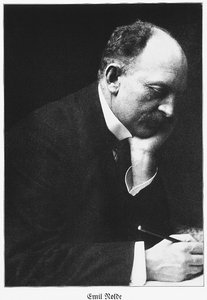
Emil Nolde
1867 - 1956 , Deutschland
Eckdaten zum Künstler
- Artistic Movement Or Style: Expressionismus
- Artists Who Influenced This Artist:
- Vincent van Gogh
- Paul Gauguin
- Date Of Birth: August 7, 1867
- Date Of Death: April 13, 1956
- Full Name: Hans Emil Hansen
- Nationality: Deutsch-Dänisch
- Notable Artworks:
- Masken
- Die Verurteilung des Heiligen
- Blumenwiese (Mädchen und Waschen)
- Herbstmeer
- Tanz um den goldenen Büffel
- Place Of Birth: Nolde, Schleswig-Holstein
Verwandte Artikel
Verdant Visions: Exploring the Symbolism & Aesthetic Impact of Green in Art History
Explore the rich history & symbolism of green in art! Discover iconic paintings, techniques, and how to bring verdant harmony into your home with OriginalUniqueArt's expert guide.
Chromgrüne Meisterwerke: Die Top 10 berühmtesten Gemälde & ihre Geschichte |
Entdecken Sie die Top 10 berühmter Gemälde, dominiert von faszinierendem Chromgrün! Von Monet bis Van Gogh – erfahren Sie die Geschichten hinter den Meisterwerken und lassen Sie sich für Ihre Wohnraumgestaltung inspirieren. Kunstdrucke in Museumsqualiät auf
Expressionismus: Die 10 Meisterwerke, die eine Ära prägten – Kunst für Ihr Zuhause |
Entdecken Sie die 10 prägendsten Meisterwerke des Expressionismus! Von Munch bis Kandinsky – erfahren Sie die Geschichten hinter den berühmtesten Gemälde und Künstler. Hochwertige Kunstdrucke online bei kaufen & Ihr Zuhause mit Emotionen füllen.
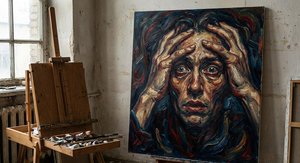
Figurative Expressionism: Emotional Intensity & Subjective Reality in 20th-Century Art
Explore the powerful world of Figurative Expressionism with OriginalUniqueArt. Discover key artists like Kirchner & Beckmann, understand its emotional depth, and learn how to collect this influential 20th-century art movement.

The Enduring Legacy of Oil on Canvas: Technique, History & Aesthetic Impact
Explore the rich history & techniques of oil painting – from Renaissance masters to Impressionism. Discover pigments, layering methods, and why this timeless medium endures. Expert insights for artists & art enthusiasts.


