Vorschau anzeigen
 Versenden
 Teilen
 Details anzeigen

 Herunterladen
 Ähnliche Objekte
 Röntgenaufnahme
 Diashow
 Statistiken
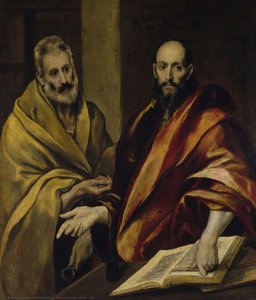
Two Saints


 Weiterlesen
Handgefertigte Ölreproduktion
Handgemaltes Ölgemälde auf Leinwand in Ihrer Wunschgröße und mit Rahmen, auf Bestellung von unseren Künstlern angefertigt. ( Zu Druck wechseln Zum digitalen Bild wechseln)




P118B $10

P118H $10

P118W $10

P438Z $10

P508JH $12

P508YH $12

P805H $10

P805Z $10

P919BZ $10

P919G $10

P919XJ $10

P959ZH $10

P968JZ $12

W106C $8

W218G $10

W218JH $8

W218Y $10

W307PJ $10

W316G $10

W316PJ $8

W316Y $10

W398PJ $8

W4111J $10

W500HY $15

W500JH $15

W692G $12

W849H $8

W940BG $15

W953PJ $8




Wählen Sie aus unseren vordefinierten Formaten, die den ursprünglichen Proportionen des Kunstwerks entsprechen.

Sie können Ihre eigenen Maße eingeben, um einen bestimmten Rahmen oder Platz auszufüllen. Wenn die gewählte Größe nicht den Proportionen des Originalbildes entspricht, werden wir das Kunstwerk entweder beschneiden oder das Gemälde durch zusätzliche, handgemalte Elemente erweitern. Ein digitales Mockup wird Ihnen zur Genehmigung zugesandt, bevor die Produktion beginnt.
Bitte beachten Sie, dass die Bildschirmvorschau nicht die tatsächliche Beschneidung oder Erweiterung widerspiegelt. Nur das Mockup zeigt die endgültige Komposition exakt an.
Obwohl Sondermaße verfügbar sind, empfehlen wir, eine Größe aus der vordefinierten Liste zu wählen, um die ursprünglichen Proportionen beizubehalten.
Nach der Bestellung wird das OriginalUniqueArt.com-Team dem Kunden Anweisungen per E-Mail zusenden und eine Mockup-Vorschau bereitstellen.
Weltweiter Versand () in nur 3 bis 4 Wochen statt der üblichen 5 Wochen. (12 September). Keine Kompromisse bei der Qualität.

Kostenloser weltweiter Expressversand

Hochwertige Leinenleinwand

Umfassender Versicherungsschutz beim Versand

Zollgebühren-Rückerstattungsgarantie

Garantie für exakte Farbtreue

100-Tage-Rückgaberecht (nur bei Mängeln)

100% Geld-zurück-Garantie

Mengenrabatt verfügbar
 Die Glasoption ist nur für Größen unter 110 cm verfügbar.

Two Saints
Art der Reproduktion
Format der Reproduktion
-


Gesamtpreis
$ 325
Two Saints – A Testament to Faith and Expression
El Greco’s “Two Saints” presents a profoundly moving depiction of religious devotion, born from the artist's unique synthesis of Byzantine tradition with the burgeoning emotional currents of Mannerism. Executed in 1577, this black-and-white photograph captures not merely the physical presence of two sculpted figures but also the palpable sense of sorrow and spiritual struggle that defines El Greco’s most powerful works. The composition, dominated by strong vertical lines representing both the statues and their pedestals, immediately establishes a feeling of solemn grandeur, inviting contemplation and reverence. The placement of the smaller statue in the background subtly introduces a narrative layer – perhaps a reminder of earthly limitations or a glimpse into a larger spiritual realm – enhancing the artwork’s evocative power.
Inspired by the recently discovered monumental Hellenistic sculpture “Laocoön” (circa 1st century BCE), El Greco masterfully transforms this classical subject into something deeply personal and emotionally charged. As detailed in our research, the original Laocoön group, depicting the Trojan priest’s agonizing death at the hands of sea serpents sent by Athena, was a cornerstone of Renaissance artistic ideals – balance, harmony, and idealized proportions. However, El Greco deliberately subverts these conventions, embracing distortion and fragmentation to amplify the scene's dramatic intensity. The elongated figures, contorted postures, and murky coloration—a deliberate departure from the polished surfaces favored during the Renaissance—reflect the influence of Mannerism, a movement that prioritized emotional expression over strict adherence to classical rules.
Technical Mastery & Symbolic Resonance
The photograph’s grayscale palette is not merely an aesthetic choice; it's integral to the artwork’s impact. The careful manipulation of tone and shadow creates a remarkable sense of texture, allowing us to appreciate the rough surface of the stone or material from which the statues are crafted – perhaps hinting at their age and enduring presence. The diffused lighting further enhances this three-dimensional effect, imbuing the figures with an almost ethereal quality. The raised hands of the saints, a common motif in religious iconography, symbolize prayer, blessing, or perhaps even defiance against divine judgment—a potent visual metaphor for human faith and struggle.
A Window into El Greco’s Vision
El Greco's “Two Saints” stands as a testament to his artistic genius – a fusion of classical inspiration with deeply personal expression. His deliberate departure from Renaissance ideals, coupled with his meticulous attention to detail, resulted in an image that resonates with timeless power and emotional depth. The photograph’s stark simplicity underscores the enduring themes of faith, suffering, and redemption that lie at the heart of El Greco's oeuvre. This piece offers a unique opportunity to own a reproduction of a work that has captivated viewers for centuries, inviting contemplation on the mysteries of belief and the human condition.
Materials & Legacy
The statues themselves are presumed to be crafted from stone – likely marble or limestone – reflecting the prevalent materials used in religious sculpture during El Greco’s time. The photograph itself is a testament to 16th-century photographic techniques, capturing the essence of the original sculptures with remarkable fidelity. El Greco's influence extends far beyond this single work; his innovative style paved the way for later Expressionist movements and continues to inspire artists today. Acquiring a hand-painted reproduction of “Two Saints” is not simply purchasing an image; it’s gaining access to a pivotal moment in art history.
Über den Künstler
**frühes Leben und Ausbildung**
El Greco (Doménikos Theotokopoulos), ein renommierter griechischer Maler, Bildhauer und Architekt, wurde 1541 in Kreta geboren, das damals unter venezianischer Herrschaft stand. Sein Geburtsname war Doménikos Theotokopoulos. El Grecos frühe Ausbildung als Ikonenmaler der kreter Schule, einem führenden Zentrum für byzantinische Kunst nach dem Fall des Reiches, legte den Grundstein für seine zukünftigen künstlerischen Bemühungen.**Künstlerische Entwicklung und Einflüsse**
El Gredos künstlerischer Stil wurde durch seine Reisen nach Venedig und Rom geprägt, wo er Manierismus- und Renaissance-Stile aufnahm, insbesondere von Tintoretto und Tizian beeinflusst. Seine Umsiedlung nach Toledo, Spanien, im Jahr 1577 markierte eine Periode fruchtbarer Schaffenskraft, die zu Meisterwerken wie Ansicht von Toledo und das Öffnen des fünften Siegels führte.**Bekannte Werke und Stil**
* Allegorie der Camaldulitenorden (Manierismus, Öl) – ein Zeugnis für El Gredos einzigartige Mischung aus byzantinischen Traditionen und westlichen stilistischen Elementen. * Fabel (Manierismus, Öl) – demonstriert seine Verwendung ungewöhnlicher, lebhafter Farben. * Giacomo Bosio (Manierismus, Öl) – zeigt El Gredos Meisterschaft im Manierismus-Stil.**Vermächtnis und Einfluss**
El Gredos dramatischer und expressiver Stil, der durch verlängerte Figuren und fantastische Pigmentierung gekennzeichnet ist, war eine Quelle der Inspiration für Dichter und Schriftsteller. Er gilt als Vorläufer des Expressionismus und Kubismus. Für mehr Informationen über das Leben und Werk von El Greco besuchen Sie [https://OriginalUniqueArt.com/@/el-greco-(domenikos-theotokopoulos)](https://OriginalUniqueArt.com/@/el-greco-(domenikos-theotokopoulos)).- **Betrachten Sie El Gredos Gemälde** unter [https://OriginalUniqueArt.com/@@/85fr95-el-greco-(domenikos-theotokopoulos)-allegory-of-the-camaldolite-order](https://OriginalUniqueArt.com/@@/85fr95-el-greco-(domenikos-theotokopoulos)-allegory-of-the-camaldolite-order)
- **Erfahren Sie mehr über das Leben und Werk von El Greco** unter [https://en.wikipedia.org/wiki/el_greco](https://en.wikipedia.org/wiki/el_greco)
- **Entdecken Sie das Hellenische Institut für byzantinische und post-byzantinische Studien**, das eine breite Palette von Artefakten umfasst, die das reiche künstlerische Erbe Byzants zu reflektieren, unter /de/art/show/art-d3b8bv-de/

El Greco
1541 - 1614 , Griechenland
Kurzinfos
- Beeinflusste Künstler:
- Tintoretto
- Tizian
- Bemerkenswerte Werke:
- Grablegung des Grafen Orgaz
- Blick auf Toledo
- Öffnung des fünften Siegels
- Geburtsdatum: 1541
- Geburtsort: Kreta, Griechenland
- Künstlerische Richtung: Manierismus, Spanische Renaissance
- Nationalität: Griechisch-Spanisch
- Todatum: 1614
- Vollständiger Name: El Greco (Doménikos Theotokópoulos)
- Von Künstlern Beeinflusst: ['Byzantinische Traditionen']
Ähnliche Artikel
Gods and Heroes: A Definitive Guide to the Eternal Masterpieces of Greek Mythology
Explore the profound beauty of Greek mythology through art history. From Baroque masterpieces to Renaissance classics, discover how gods and heroes have inspired the world's greatest painters in this expert guide for collectors and history lovers.
Mannerism Unveiled: The Dramatic Evolution of Renaissance Art and the Visionary Legacy of El Greco
Explore the dramatic transition from High Renaissance harmony to Mannerist tension. Discover how masters like El Greco redefined art through distortion and spiritual intensity. An expert guide for art enthusiasts seeking deep historical context and museum-quality inspiration.

El Greco: Die 25 Meisterwerke – Kunst für Ihr Zuhause | OriginalUniqueArt
Entdecken Sie die 25 bedeutendsten Meisterwerke von El Greco! Erleben Sie die spirituelle Tiefe und den dramatischen Stil des griechischen Malers. Hochwertige Kunstdrucke & Inspiration für Ihr Zuhause auf OriginalUniqueArt.com.
El Greco: Spiritualität, Stil und Innovation – Das Vermächtnis eines Renaissance-Meisters
Entdecken Sie das faszinierende Werk von El Greco! Erfahren Sie mehr über seine einzigartigen Stilmerkmale, den Manierismus und sein spirituelles Vermächtnis. Expertenwissen zur Renaissance-Malerei.
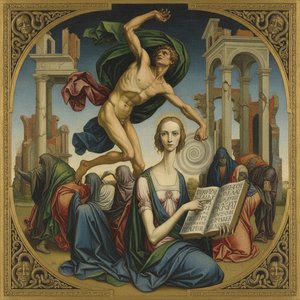
Beyond Perfection: The Dramatic Elegance and Intellectual Tension of Renaissance Mannerism
Explore the captivating world of Renaissance Mannerism. Discover how artists moved beyond High Renaissance harmony into a realm of elegant distortion, psychological tension, and dramatic beauty that bridged the gap to the Baroque era.