In echtem Maßstab anzeigen
 Versenden als Grußkarte
 Teilen
 Details anzeigen
 Leitfaden öffnen

 Herunterladen
 Ähnliche Objekte
 Röntgenaufnahme
 Diashow
 Besucherstatistiken
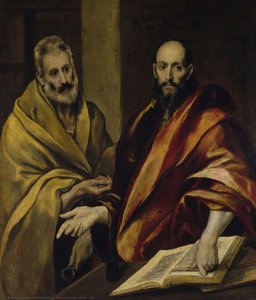
Studie eines Mannes
 Öl auf Leinwand
- Wandkunst
- Mannerism (Late Renaissance)
 1595
1595- Renaissance
 49.0 x 42.0 cm
 Museum of Fine Arts (Budapest)
 Mehr anzeigen
Handgefertigte Ölreproduktion
Handgemaltes Ölgemälde auf Leinwand in Ihrer Wunschgröße und mit Rahmen, auf Bestellung von unseren Künstlern angefertigt. ( Zum Druck wechseln Zum digitalen Bild wechseln)




P118B $10

P118H $10

P118W $10

P438Z $10

P508JH $12

P508YH $12

P805H $10

P805Z $10

P919BZ $10

P919G $10

P919XJ $10

P959ZH $10

P968JZ $12

W106C $8

W218G $10

W218JH $8

W218Y $10

W307PJ $10

W316G $10

W316PJ $8

W316Y $10

W398PJ $8

W4111J $10

W500HY $15

W500JH $15

W692G $12

W849H $8

W940BG $15

W953PJ $8




Wählen Sie aus unseren vordefinierten Formaten, die den ursprünglichen Proportionen des Kunstwerks entsprechen.

Sie können Ihre eigenen Maße eingeben, um einen bestimmten Rahmen oder Platz auszufüllen. Wenn die gewählte Größe nicht den Proportionen des Originalbildes entspricht, werden wir das Kunstwerk entweder beschneiden oder das Gemälde durch zusätzliche, handgemalte Elemente erweitern. Ein digitales Mockup wird Ihnen zur Genehmigung zugesandt, bevor die Produktion beginnt.
Bitte beachten Sie, dass die Bildschirmvorschau nicht die tatsächliche Beschneidung oder Erweiterung widerspiegelt. Nur das Mockup zeigt die endgültige Komposition exakt an.
Obwohl Sondermaße verfügbar sind, empfehlen wir, eine Größe aus der vordefinierten Liste zu wählen, um die ursprünglichen Proportionen beizubehalten.
Nach der Bestellung wird das OriginalUniqueArt.com-Team dem Kunden Anweisungen per E-Mail zusenden und eine Mockup-Vorschau bereitstellen.
Weltweiter Versand () in nur 3 bis 4 Wochen statt der üblichen 5 Wochen. (27 September). Keine Kompromisse bei der Qualität.

Kostenloser weltweiter Expressversand

Hochwertige Leinenleinwand

Vollständiger Versicherungsschutz beim Versand

Zollgebühren-Rückerstattungsgarantie

Garantie für exakte Farbtreue

100-tägiges Rückgaberecht (nur bei Mängeln)

100% Geld-zurück-Garantie

Angebot für Mengenrabatt
 Die Glasoption ist nur für Größen unter 110 cm verfügbar.

Studie eines Mannes
Reproduktionsmedium
Format der Reproduktion
-


Gesamtpreis
$ 300
Study of a Man by El Greco: A Portrait Steeped in Byzantine Echoes
Doménikos Theotokópoulos, universally known as El Greco—“the Greek”—stands apart from his contemporaries as an artist whose life and oeuvre defied easy categorization. Born in Crete in 1541, under Venetian rule, his artistic journey traversed Venice and Rome before finding its ultimate expression in the spiritual landscape of Spain: Toledo. He wasn’t merely a product of these places; he synthesized their influences into something wholly unique—a style that anticipated the emotional intensity of Expressionism and the fragmented forms of Cubism centuries later.
Background and Context: Budapest's Museo de El Greco
“Study of a Man,” painted in 1595, resides within the Museo de El Greco in Budapest, Hungary. This oil on canvas measuring 49 x 42 cm encapsulates El Greco’s distinctive approach to portraiture and embodies his signature stylistic elements. The painting's provenance speaks volumes about its significance—originally owned by Aureliano Beruete y Moret, it now graces the Museo Nacional de Pintura y Esculturas in Madrid.
An Examination of Style and Technique: Mannerism at Its Finest
El Greco’s artistic style is characterized by elongated figures, vibrant colors—often juxtaposed against muted backgrounds—and a profound fusion of Byzantine and Western artistic traditions. In “Study of a Man,” he skillfully employs these techniques to generate a palpable sense of dynamism and emotional resonance. The medium of oil on canvas allows for exceptional textural detail and subtle color gradations, enhancing the artwork’s visual impact considerably. Notice the meticulous rendering of facial features—a hallmark of El Greco's dedication to capturing psychological nuance.
Symbolism and Narrative Depth: Figures Beyond Appearance
Beyond its formal qualities, “Study of a Man” resonates with symbolic layers that invite contemplation. The inclusion of two additional figures in the background—one on the left and another further back—adds depth to the scene and suggests an unspoken narrative. These individuals represent not merely incidental companions but contribute to the overall atmosphere of introspection and spiritual inquiry. Consider how El Greco’s use of color—particularly the emerald green shirt worn by the subject—might convey ideas of vitality, faith, or perhaps even melancholy.
Legacy and Influence: A Pioneer Ahead of His Time
“Study of a Man” isn't simply a beautifully executed portrait; it’s a testament to El Greco’s artistic genius and his ability to transcend stylistic conventions. It exemplifies the Mannerist movement’s preoccupation with expressive distortion—a technique that foreshadowed developments in later art movements. Like Saint Andrew, St. John the Baptist, and St. John the Evangelist, this painting stands as an enduring symbol of Renaissance spirituality and artistic innovation. Its meticulous detail and emotive portrayal continue to inspire admiration and discussion among scholars and collectors alike.
Biografie des Künstlers
**frühes Leben und Ausbildung**
El Greco (Doménikos Theotokopoulos), ein renommierter griechischer Maler, Bildhauer und Architekt, wurde 1541 in Kreta geboren, das damals unter venezianischer Herrschaft stand. Sein Geburtsname war Doménikos Theotokopoulos. El Grecos frühe Ausbildung als Ikonenmaler der kreter Schule, einem führenden Zentrum für byzantinische Kunst nach dem Fall des Reiches, legte den Grundstein für seine zukünftigen künstlerischen Bemühungen.**Künstlerische Entwicklung und Einflüsse**
El Gredos künstlerischer Stil wurde durch seine Reisen nach Venedig und Rom geprägt, wo er Manierismus- und Renaissance-Stile aufnahm, insbesondere von Tintoretto und Tizian beeinflusst. Seine Umsiedlung nach Toledo, Spanien, im Jahr 1577 markierte eine Periode fruchtbarer Schaffenskraft, die zu Meisterwerken wie Ansicht von Toledo und das Öffnen des fünften Siegels führte.**Bekannte Werke und Stil**
* Allegorie der Camaldulitenorden (Manierismus, Öl) – ein Zeugnis für El Gredos einzigartige Mischung aus byzantinischen Traditionen und westlichen stilistischen Elementen. * Fabel (Manierismus, Öl) – demonstriert seine Verwendung ungewöhnlicher, lebhafter Farben. * Giacomo Bosio (Manierismus, Öl) – zeigt El Gredos Meisterschaft im Manierismus-Stil.**Vermächtnis und Einfluss**
El Gredos dramatischer und expressiver Stil, der durch verlängerte Figuren und fantastische Pigmentierung gekennzeichnet ist, war eine Quelle der Inspiration für Dichter und Schriftsteller. Er gilt als Vorläufer des Expressionismus und Kubismus. Für mehr Informationen über das Leben und Werk von El Greco besuchen Sie [https://OriginalUniqueArt.com/@/el-greco-(domenikos-theotokopoulos)](https://OriginalUniqueArt.com/@/el-greco-(domenikos-theotokopoulos)).- **Betrachten Sie El Gredos Gemälde** unter [https://OriginalUniqueArt.com/@@/85fr95-el-greco-(domenikos-theotokopoulos)-allegory-of-the-camaldolite-order](https://OriginalUniqueArt.com/@@/85fr95-el-greco-(domenikos-theotokopoulos)-allegory-of-the-camaldolite-order)
- **Erfahren Sie mehr über das Leben und Werk von El Greco** unter [https://en.wikipedia.org/wiki/el_greco](https://en.wikipedia.org/wiki/el_greco)
- **Entdecken Sie das Hellenische Institut für byzantinische und post-byzantinische Studien**, das eine breite Palette von Artefakten umfasst, die das reiche künstlerische Erbe Byzants zu reflektieren, unter /de/art/show/art-d3b8bv-de/

El Greco
1541 - 1614 , Griechenland
Eckdaten zum Künstler
- Beeinflusste Künstler:
- Tintoretto
- Tizian
- Bemerkenswerte Werke:
- Grablegung des Grafen Orgaz
- Blick auf Toledo
- Öffnung des fünften Siegels
- Geburtsdatum: 1541
- Geburtsort: Kreta, Griechenland
- Künstlerische Richtung: Manierismus, Spanische Renaissance
- Nationalität: Griechisch-Spanisch
- Todatum: 1614
- Vollständiger Name: El Greco (Doménikos Theotokópoulos)
- Von Künstlern Beeinflusst: ['Byzantinische Traditionen']
Verwandte Artikel
Museo del Prado: Die 25 Meisterwerke – Kunst für Ihr Zuhause | OriginalUniqueArt
Entdecken Sie die 25 Meisterwerke des Museo del Prado! Von Velázquez bis Goya – Kunstgeschichte, Techniken & Geschichten berühmter Gemälde. Finden Sie hochwertige Reproduktionen für Ihr Zuhause auf OriginalUniqueArt.com.
José Gutiérrez Solana: A Chronicle of Spanish Society Through Expressionist Vision
Explore the captivating world of José Gutiérrez Solana, a pivotal Spanish Expressionist painter. Discover his haunting depictions of early 20th-century Spain, influenced by Goya & El Greco. Learn about his key works and lasting legacy.
El Greco: Spiritualität, Stil und Innovation – Das Vermächtnis eines Renaissance-Meisters
Entdecken Sie das faszinierende Werk von El Greco! Erfahren Sie mehr über seine einzigartigen Stilmerkmale, den Manierismus und sein spirituelles Vermächtnis. Expertenwissen zur Renaissance-Malerei.
Mannerism Explained: The Dramatic Evolution of Renaissance Art and the Rise of El Greco
Explore the dramatic evolution of Mannerism from High Renaissance perfection to El Greco's spiritual intensity. Discover the history, techniques, and enduring legacy of this transformative era through an expert art-history lens.

El Greco: Die 25 Meisterwerke – Kunst für Ihr Zuhause | OriginalUniqueArt
Entdecken Sie die 25 bedeutendsten Meisterwerke von El Greco! Erleben Sie die spirituelle Tiefe und den dramatischen Stil des griechischen Malers. Hochwertige Kunstdrucke & Inspiration für Ihr Zuhause auf OriginalUniqueArt.com.