In echtem Maßstab anzeigen
 Versenden als Grußkarte
 Teilen
 Details anzeigen
 Leitfaden öffnen

 Herunterladen
 Ähnliche Objekte
 Röntgenaufnahme
 Diashow
 Besucherstatistiken
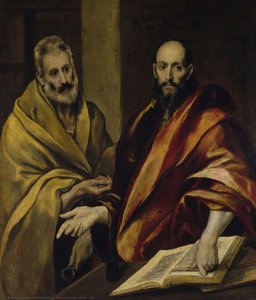
St. Sebastian
 Acryl auf Leinwand
- Wandkunst
- Spiritual Expressionism
 1612
1612 115.0 x 85.0 cm
 Worcester Art Museum
 Mehr anzeigen
Handgefertigte Ölreproduktion
Handgemaltes Ölgemälde auf Leinwand in Ihrer Wunschgröße und mit Rahmen, auf Bestellung von unseren Künstlern angefertigt. ( Zum Druck wechseln Zum digitalen Bild wechseln)




P118B €10

P118H €10

P118W €10

P438Z €10

P508JH €12

P508YH €12

P805H €10

P805Z €10

P919BZ €10

P919G €10

P919XJ €10

P959ZH €10

P968JZ €12

W106C €8

W218G €10

W218JH €8

W218Y €10

W307PJ €10

W316G €10

W316PJ €8

W316Y €10

W398PJ €8

W4111J €10

W500HY €15

W500JH €15

W692G €12

W849H €8

W940BG €15

W953PJ €8




Wählen Sie aus unseren vordefinierten Formaten, die den ursprünglichen Proportionen des Kunstwerks entsprechen.

Geben Sie die Breite und die Höhe an, die Sie für Ihren Rahmen oder Ihre Wand benötigen. Da dieses Werk handgemalt ist, kann der Künstler bei einer anderen Form etwas mehr um das Bild herum malen oder etwas abschneiden – Sie entscheiden. Wir senden Ihnen ein digitales Mockup zur Freigabe, bevor mit dem Malen begonnen wird. Das auf dieser Seite gezeigte Bild stellt nicht das tatsächliche Ergebnis dar – dies tut nur das Mockup.
Nach der Bestellung wird das OriginalUniqueArt.com-Team dem Kunden Anweisungen per E-Mail zusenden und eine Mockup-Vorschau bereitstellen.
Weltweiter Versand () in nur 3 bis 4 Wochen statt der üblichen 5 Wochen. (21 Oktober). Keine Kompromisse bei der Qualität.

Kostenloser weltweiter Expressversand

Hochwertige Leinenleinwand

Vollständiger Versicherungsschutz beim Versand

Zollgebühren-Rückerstattungsgarantie

Garantie für exakte Farbtreue

100-tägiges Rückgaberecht (nur bei Mängeln)

100% Geld-zurück-Garantie

Angebot für Mengenrabatt
 Die Glasoption ist nur für Größen unter 110 cm verfügbar.

St. Sebastian
Reproduktionsmedium
Format der Reproduktion
-


Gesamtpreis
€ 262
Die Tragödie des Heiligen Sebastian
El Greco’s “St. Sebastian” from 1612 is not merely a depiction of martyrdom; it's an immersion into profound sorrow, a visual embodiment of anguish that resonates across centuries. The painting immediately confronts the viewer with a stark and unsettling scene: a naked man, pierced by numerous arrows, his body a landscape of pain. This isn’t the idealized representation of religious suffering common in earlier works; instead, we witness a raw, almost brutal honesty. The figure, identified as St. Sebastian, a Roman soldier martyred for his faith, is presented with an intensity rarely seen in Renaissance art. The darkness that envelops him – a deliberate choice by El Greco – amplifies the sense of isolation and vulnerability, drawing us into his torment.
- The Artist’s Context: Born on Crete, Doménikos Theotokópoulos, known as El Greco, spent much of his career in Spain, particularly Toledo. This shift marked a significant departure from the Byzantine traditions that initially shaped his artistic training, yet he masterfully blended these influences with Venetian realism and a deeply personal expressionism.
- A Synthesis of Styles: El Greco’s style is notoriously difficult to categorize, yet it's clear that he was anticipating movements centuries later. The elongated figures, the dramatic use of color – particularly the vibrant reds against the somber background – and the emotional intensity foreshadow elements of Expressionism and Cubism.
Farben und Technik: Ein Ausdruck von Dramatik
El Greco’s technique is characterized by a remarkable dynamism and an almost frenetic energy. He employed a loose, expressive brushstroke, layering paint with a visible texture that contributes to the painting's overall sense of urgency. The arrows themselves are not rendered with meticulous detail; rather, they are suggested through a rapid application of color and form, emphasizing their destructive force. The use of chiaroscuro – the dramatic contrast between light and dark – is particularly effective in highlighting St. Sebastian’s body, drawing attention to the wounds and intensifying the emotional impact. The palette is restrained, dominated by deep reds, browns, and blacks, creating a claustrophobic atmosphere that mirrors the saint's confinement.
- The Role of Color: The intense red of the arrows and St. Sebastian’s flesh symbolizes passion, sacrifice, and ultimately, redemption.
- Brushwork as Emotion: El Greco’s visible brushstrokes convey a sense of immediacy and emotional rawness, reflecting the intensity of the subject matter.
Symbolik und Interpretation: Mehr als bloße Darstellung
Beyond the literal depiction of martyrdom, “St. Sebastian” is laden with symbolic meaning. The arrows themselves represent the wounds inflicted by persecution for his faith. The figure’s isolation and vulnerability speak to the universal experience of suffering and endurance. St. Sebastian was often associated with protection from plague and fire – a potent symbol in 17th-century Spain, which was grappling with outbreaks of both. However, El Greco transcends simple iconography; he presents a deeply human portrait of pain, stripped bare of pious sentimentality. The figure’s averted gaze suggests not just physical agony but also spiritual contemplation—a questioning of faith amidst unimaginable suffering.
Ein Meisterwerk für Sammler und Innendesign
This exceptional reproduction captures the essence of El Greco's masterpiece with remarkable fidelity. The rich textures and dramatic lighting are faithfully reproduced, allowing you to experience the emotional power of this iconic work in your own space. “St. Sebastian” is more than just a painting; it’s a testament to human resilience, faith, and the enduring capacity for artistic expression. It would be an impactful addition to any collection or a striking focal point within a sophisticated interior design scheme – a piece that invites contemplation and evokes a profound emotional response.
Fragen & Antworten
Für welche Verwendung wird "St. Sebastian" von El Greco empfohlen?
Eine Reproduktion von "St. Sebastian" von El Greco wird für Statement-Piece empfohlen. Dieser Vorschlag ergibt sich aus dem Motiv, der Stimmung und den Farben des Werkes.
Um welche Art von Kunstwerk handelt es sich bei "St. Sebastian" von El Greco?
Im Katalog ist "St. Sebastian" von El Greco als Wandkunst geführt. Die Kategorie hilft dabei, ähnliche Werke zu finden.
Wie verbinden sich Kontrast und Harmonie in "St. Sebastian"?
Die Farbkomposition von "St. Sebastian" von El Greco vereint einen Aussagekraft Kontrast mit einer Starke farbliche Einheitlichkeit Harmonie.
Biografie des Künstlers
**frühes Leben und Ausbildung**
El Greco (Doménikos Theotokopoulos), ein renommierter griechischer Maler, Bildhauer und Architekt, wurde 1541 in Kreta geboren, das damals unter venezianischer Herrschaft stand. Sein Geburtsname war Doménikos Theotokopoulos. El Grecos frühe Ausbildung als Ikonenmaler der kreter Schule, einem führenden Zentrum für byzantinische Kunst nach dem Fall des Reiches, legte den Grundstein für seine zukünftigen künstlerischen Bemühungen.**Künstlerische Entwicklung und Einflüsse**
El Gredos künstlerischer Stil wurde durch seine Reisen nach Venedig und Rom geprägt, wo er Manierismus- und Renaissance-Stile aufnahm, insbesondere von Tintoretto und Tizian beeinflusst. Seine Umsiedlung nach Toledo, Spanien, im Jahr 1577 markierte eine Periode fruchtbarer Schaffenskraft, die zu Meisterwerken wie Ansicht von Toledo und das Öffnen des fünften Siegels führte.**Bekannte Werke und Stil**
* Allegorie der Camaldulitenorden (Manierismus, Öl) – ein Zeugnis für El Gredos einzigartige Mischung aus byzantinischen Traditionen und westlichen stilistischen Elementen. * Fabel (Manierismus, Öl) – demonstriert seine Verwendung ungewöhnlicher, lebhafter Farben. * Giacomo Bosio (Manierismus, Öl) – zeigt El Gredos Meisterschaft im Manierismus-Stil.**Vermächtnis und Einfluss**
El Gredos dramatischer und expressiver Stil, der durch verlängerte Figuren und fantastische Pigmentierung gekennzeichnet ist, war eine Quelle der Inspiration für Dichter und Schriftsteller. Er gilt als Vorläufer des Expressionismus und Kubismus. Für mehr Informationen über das Leben und Werk von El Greco besuchen Sie [https://OriginalUniqueArt.com/@/el-greco-(domenikos-theotokopoulos)](https://OriginalUniqueArt.com/@/el-greco-(domenikos-theotokopoulos)).- **Betrachten Sie El Gredos Gemälde** unter [https://OriginalUniqueArt.com/@@/85fr95-el-greco-(domenikos-theotokopoulos)-allegory-of-the-camaldolite-order](https://OriginalUniqueArt.com/@@/85fr95-el-greco-(domenikos-theotokopoulos)-allegory-of-the-camaldolite-order)
- **Erfahren Sie mehr über das Leben und Werk von El Greco** unter [https://en.wikipedia.org/wiki/el_greco](https://en.wikipedia.org/wiki/el_greco)
- **Entdecken Sie das Hellenische Institut für byzantinische und post-byzantinische Studien**, das eine breite Palette von Artefakten umfasst, die das reiche künstlerische Erbe Byzants zu reflektieren, unter /de/art/show/art-d3b8bv-de/

El Greco
1541 - 1614 , Griechenland
Eckdaten zum Künstler
- Beeinflusste Künstler:
- Tintoretto
- Tizian
- Bemerkenswerte Werke:
- Grablegung des Grafen Orgaz
- Blick auf Toledo
- Öffnung des fünften Siegels
- Geburtsdatum: 1541
- Geburtsort: Kreta, Griechenland
- Künstlerische Richtung: Manierismus, Spanische Renaissance
- Nationalität: Griechisch-Spanisch
- Todatum: 1614
- Vollständiger Name: El Greco (Doménikos Theotokópoulos)
- Von Künstlern Beeinflusst: ['Byzantinische Traditionen']
Verwandte Artikel

El Greco: Die 25 Meisterwerke – Kunst für Ihr Zuhause | OriginalUniqueArt
Entdecken Sie die 25 bedeutendsten Meisterwerke von El Greco! Erleben Sie die spirituelle Tiefe und den dramatischen Stil des griechischen Malers. Hochwertige Kunstdrucke & Inspiration für Ihr Zuhause auf OriginalUniqueArt.com.

The Dramatic Flourish: Exploring the Baroque Movement's Enduring Legacy in Art History
Explore the dramatic world of Baroque art! Discover iconic artists like Caravaggio & Rubens, defining techniques, and its lasting impact on art history. Expert insights for collectors & enthusiasts at OriginalUniqueArt.

Barock Meisterwerke: Die 10 prägendsten Kunstwerke für Ihr Zuhause |
Entdecken Sie die 10 prägendsten Meisterwerke des Barock! Caravaggio, Rembrandt & Co. – Erfahren Sie die Geschichten hinter ikonischen Gemälde und finden Sie hochwertige Kunst Reproduktionen für Ihr Zuhause auf .
Mannerism Unveiled: The Dramatic Evolution of Renaissance Art and the Visionary Legacy of El Greco
Explore the dramatic transition from High Renaissance harmony to Mannerist tension. Discover how masters like El Greco redefined art through distortion and spiritual intensity. An expert guide for art enthusiasts seeking deep historical context and museum-quality inspiration.
El Greco: Spiritualität, Stil und Innovation – Das Vermächtnis eines Renaissance-Meisters
Entdecken Sie das faszinierende Werk von El Greco! Erfahren Sie mehr über seine einzigartigen Stilmerkmale, den Manierismus und sein spirituelles Vermächtnis. Expertenwissen zur Renaissance-Malerei.