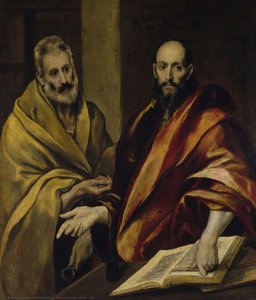
In echtem Maßstab anzeigen
 Versenden als Grußkarte
 Teilen
 Details anzeigen
 Leitfaden öffnen

 Herunterladen
 Ähnliche Objekte
 Röntgenaufnahme
 Diashow
 Besucherstatistiken
Porträt eines Kardinal (Detail)


 Mehr anzeigen
Giclée / Kunstdruck
Giclée- oder Leinwanddruck in Museumsqualität mit schneller Produktion und flexiblen Veredelungsoptionen. ( Handgemalte Reproduktion kaufen Zum digitalen Bild wechseln)




P118B $10

P118H $10

P118W $10

P438Z $10

P508JH $12

P508YH $12

P805H $10

P805Z $10

P919BZ $10

P919G $10

P919XJ $10

P959ZH $10

P968JZ $12

W106C $8

W218G $10

W218JH $8

W218Y $10

W307PJ $10

W316G $10

W316PJ $8

W316Y $10

W398PJ $8

W4111J $10

W500HY $15

W500JH $15

W692G $12

W849H $8

W940BG $15

W953PJ $8




Wählen Sie aus unseren vordefinierten Formaten, die den ursprünglichen Proportionen des Kunstwerks entsprechen.

Sie können Ihre eigenen Maße eingeben, um ein bestimmtes Format oder einen speziellen Platz einzupassen. Wenn das von Ihnen gewählte Format nicht den Proportionen des Originalbildes entspricht, werden wir das Kunstwerk entweder beschneiden oder das Bild mit einem gespiegelten oder einfarbigen Rand erweitern. Ein digitaler Entwurf wird Ihnen zur Genehmigung zugesandt, bevor die Produktion beginnt.
Bitte beachten Sie, dass die Vorschau auf dem Bildschirm nicht den tatsächlichen Zuschnitt oder die Erweiterung widerspiegelt. Nur der Entwurf zeigt die endgültige Komposition präzise an.
Obwohl Sondermaße verfügbar sind, empfehlen wir die Auswahl eines Maßes aus der vordefinierten Liste, um die ursprünglichen Proportionen zu bewahren.
Weltweiter Versand () innerhalb von 2 Wochen statt der üblichen 4/5 Wochen. (26 September)

Kostenloser weltweiter Expressversand

Hochwertige Leinenleinwand

Vollständiger Versicherungsschutz beim Versand

Zollgebühren-Rückerstattungsgarantie

Garantie für exakte Farbtreue

100-tägiges Rückgaberecht (nur bei Mängeln)

100% Geld-zurück-Garantie

Angebot für Mengenrabatt
 Die Glasoption ist nur für Größen unter 110 cm verfügbar.

Porträt eines Kardinal (Detail)
Giclée / Kunstdruck
Format der Reproduktion
-


Gesamtpreis
$ 80
Portrait of Cardinal Ludovico Trevisan – A Masterpiece of Venetian Renaissance
The Portrait of Cardinal Ludovico Trevisan by Andrea Mantegna stands as an emblem of the Venetian Renaissance, capturing not merely a likeness but also the spirit of its time. Painted around 1459-1460, this monumental artwork resides in the Gemäldegalerie Berlin and continues to fascinate scholars and connoisseurs alike. Its enduring appeal stems from Mantegna’s masterful manipulation of light and shadow—a technique characteristic of Venetian painting—and his meticulous attention to detail that elevates it beyond a simple portrait into a profound meditation on human dignity and spiritual contemplation.- Subject Matter: The portrait depicts Cardinal Ludovico Trevisan, a prominent diplomat serving under Pope Martin V during the tumultuous period surrounding the Council of Mantua. His dignified pose and solemn gaze convey an aura of authority and piety, reflecting the values upheld by the Venetian elite.
- Style & Technique: Mantegna’s approach aligns seamlessly with the prevailing Mannerist style—a reaction against the idealized beauty of High Renaissance art—emphasizing realism and psychological depth. He employed a technique known as *alla prima*, applying pigment directly onto the canvas without preliminary sketches, resulting in vibrant colors and textural richness.
- Historical Context: The painting emerged during a pivotal moment in European history – the Council of Mantua (1459-1460), where papal representatives debated crucial theological issues. Trevisan’s presence at this gathering underscores the importance of diplomacy and religious discourse within Renaissance society.
- Symbolism: The dark background serves as a foil to Trevisan's illuminated figure, enhancing his prominence and symbolizing divine grace. Mantegna’s careful rendering of facial features—particularly the wrinkles around Trevisan’s eyes—suggests an awareness of aging and mortality, prompting viewers to contemplate the passage of time and the enduring legacy of faith.
- Legacy: The Portrait of Cardinal Ludovico Trevisan has been studied extensively by art historians, who recognize it as one of Mantegna's finest achievements. Its influence extends beyond its aesthetic qualities, inspiring artists and writers alike with its exploration of human psychology and its masterful depiction of Renaissance ideals.
El Greco’s Dramatic Vision – Exploring the Soul Through Form
Doménikos Theotokópoulos, universally known as El Greco (1541-1614), revolutionized European painting with his singular style—a fusion of Byzantine iconography and Renaissance innovation. His masterpiece, *Portrait of Cardinal Fernando Niño de Guevara*, exemplifies this distinctive approach, demonstrating a profound understanding of human emotion conveyed through elongated figures and expressive brushwork. Executed in 1600, the portrait resides at The Metropolitan Museum of Art in New York City and continues to captivate audiences with its arresting visual impact.- Style & Technique: El Greco’s technique—characterized by *alla prima* application of pigment—allowed him to achieve remarkable luminosity and textural complexity. He employed a palette dominated by muted hues, punctuated by flashes of vibrant color, creating an atmosphere of solemn grandeur.
- Compositional Innovation: Unlike traditional portraits that prioritized frontal symmetry, El Greco deliberately distorted proportions, emphasizing the spiritual dimension of his subject. The elongated torso and downward gaze convey a sense of introspection and vulnerability—a departure from Renaissance conventions.
- Emotional Resonance: The portrait’s expressive brushstrokes capture the cardinal's inner turmoil—his gaze fixed on an unseen point beyond the frame—suggesting a preoccupation with moral contemplation. This psychological depth distinguishes El Greco’s work from more conventional depictions of nobility.
- Influence & Legacy: El Greco’s stylistic boldness foreshadowed movements like Expressionism and Cubism, establishing him as a precursor to avant-garde artistic experimentation. His profound engagement with religious themes—evident in his monumental canvases—continues to inspire artists and writers today.
A Comparative Glance – Venetian Refinement Versus Cretan Intensity
Comparing El Greco’s *Portrait of Cardinal Fernando Niño de Guevara* with Andrea Mantegna’s *Portrait of Cardinal Ludovico Trevisan* reveals striking differences in artistic sensibilities—a testament to the diverse currents shaping Renaissance art. While Mantegna adheres to Mannerist ideals—emphasizing clarity and precision—El Greco prioritizes emotional intensity and spiritual contemplation, reflecting Byzantine traditions.- Color Palette: Mantegna’s palette favors subdued tones—primarily ochre and brown—creating a harmonious visual balance that underscores Trevisan's dignified composure. El Greco employs a richer pigment range—incorporating reds, blues, and yellows—to heighten the dramatic effect of his composition.
- Figure Distortion: Mantegna’s figures are rendered with meticulous anatomical accuracy, reflecting Renaissance humanist ideals. El Greco deliberately elongates the torso and head, conveying a sense of transcendence—a stylistic hallmark that distinguishes him from his contemporaries.
- Lighting & Shadow: Mantegna utilizes chiaroscuro—the interplay of light and shadow—to sculpt Trevisan’s form and imbue it with depth. El Greco employs dramatic lighting—casting harsh shadows—to heighten the emotional impact of his portrait, mirroring Byzantine iconography's expressive power.
- Overall Impression: Mantegna’s portrait embodies Renaissance refinement—a celebration of human intellect and beauty—whereas El Greco’s masterpiece communicates profound spiritual yearning—a reflection of Byzantine artistic heritage.
Exploring Further – Expanding Your Artistic Horizons
To delve deeper into the stylistic innovations of El Greco and Mantegna, we invite you to explore related artworks at The Metropolitan Museum of Art (https://en.wikipedia.org/wiki/List_of_works_by_El_Greco) and the Gemäldegalerie Berlin (https://www.visual-arts-cork.com/famous-paintings/portrait-of-cardinal-lucidovico-trevisan/). These masterpieces offer invaluable insights into the artistic landscape of the Renaissance—inspiring viewers to appreciate both technical mastery and profound emotional expression.Biografie des Künstlers
**frühes Leben und Ausbildung**
El Greco (Doménikos Theotokopoulos), ein renommierter griechischer Maler, Bildhauer und Architekt, wurde 1541 in Kreta geboren, das damals unter venezianischer Herrschaft stand. Sein Geburtsname war Doménikos Theotokopoulos. El Grecos frühe Ausbildung als Ikonenmaler der kreter Schule, einem führenden Zentrum für byzantinische Kunst nach dem Fall des Reiches, legte den Grundstein für seine zukünftigen künstlerischen Bemühungen.**Künstlerische Entwicklung und Einflüsse**
El Gredos künstlerischer Stil wurde durch seine Reisen nach Venedig und Rom geprägt, wo er Manierismus- und Renaissance-Stile aufnahm, insbesondere von Tintoretto und Tizian beeinflusst. Seine Umsiedlung nach Toledo, Spanien, im Jahr 1577 markierte eine Periode fruchtbarer Schaffenskraft, die zu Meisterwerken wie Ansicht von Toledo und das Öffnen des fünften Siegels führte.**Bekannte Werke und Stil**
* Allegorie der Camaldulitenorden (Manierismus, Öl) – ein Zeugnis für El Gredos einzigartige Mischung aus byzantinischen Traditionen und westlichen stilistischen Elementen. * Fabel (Manierismus, Öl) – demonstriert seine Verwendung ungewöhnlicher, lebhafter Farben. * Giacomo Bosio (Manierismus, Öl) – zeigt El Gredos Meisterschaft im Manierismus-Stil.**Vermächtnis und Einfluss**
El Gredos dramatischer und expressiver Stil, der durch verlängerte Figuren und fantastische Pigmentierung gekennzeichnet ist, war eine Quelle der Inspiration für Dichter und Schriftsteller. Er gilt als Vorläufer des Expressionismus und Kubismus. Für mehr Informationen über das Leben und Werk von El Greco besuchen Sie [https://OriginalUniqueArt.com/@/el-greco-(domenikos-theotokopoulos)](https://OriginalUniqueArt.com/@/el-greco-(domenikos-theotokopoulos)).- **Betrachten Sie El Gredos Gemälde** unter [https://OriginalUniqueArt.com/@@/85fr95-el-greco-(domenikos-theotokopoulos)-allegory-of-the-camaldolite-order](https://OriginalUniqueArt.com/@@/85fr95-el-greco-(domenikos-theotokopoulos)-allegory-of-the-camaldolite-order)
- **Erfahren Sie mehr über das Leben und Werk von El Greco** unter [https://en.wikipedia.org/wiki/el_greco](https://en.wikipedia.org/wiki/el_greco)
- **Entdecken Sie das Hellenische Institut für byzantinische und post-byzantinische Studien**, das eine breite Palette von Artefakten umfasst, die das reiche künstlerische Erbe Byzants zu reflektieren, unter /de/art/show/art-d3b8bv-de/

El Greco
1541 - 1614 , Griechenland
Eckdaten zum Künstler
- Beeinflusste Künstler:
- Tintoretto
- Tizian
- Bemerkenswerte Werke:
- Grablegung des Grafen Orgaz
- Blick auf Toledo
- Öffnung des fünften Siegels
- Geburtsdatum: 1541
- Geburtsort: Kreta, Griechenland
- Künstlerische Richtung: Manierismus, Spanische Renaissance
- Nationalität: Griechisch-Spanisch
- Todatum: 1614
- Vollständiger Name: El Greco (Doménikos Theotokópoulos)
- Von Künstlern Beeinflusst: ['Byzantinische Traditionen']
Verwandte Artikel
Frührenaissance: Die 10 Meisterwerke, die eine Epoche prägten – Kunst für Ihr Zuhause
Entdecken Sie die 10 prägendsten Meisterwerke der Frührenaissance! Von Giotto bis Botticelli – erleben Sie Kunstgeschichte hautnah. Hochwertige Reproduktionen für Ihr Zuhause auf .