Vorschau anzeigen
 Versenden
 Teilen
 Details anzeigen
 Leitfaden

 Herunterladen
 Ähnliche Objekte
 Röntgenaufnahme
 Diashow
 Statistiken
Heiliger Bernardino
 Acryl auf Leinwand
- Wandkunst
- Spiritual Expressionism
 1603
1603 269.0 x 144.0 cm
 Museo de El Greco
 Weiterlesen
Handgefertigte Ölreproduktion
Handgemaltes Ölgemälde auf Leinwand in Ihrer Wunschgröße und mit Rahmen, auf Bestellung von unseren Künstlern angefertigt. ( Zum Druck wechseln Zum digitalen Bild wechseln)




P118B €10

P118H €10

P118W €10

P438Z €10

P508JH €12

P508YH €12

P805H €10

P805Z €10

P919BZ €10

P919G €10

P919XJ €10

P959ZH €10

P968JZ €12

W106C €8

W218G €10

W218JH €8

W218Y €10

W307PJ €10

W316G €10

W316PJ €8

W316Y €10

W398PJ €8

W4111J €10

W500HY €15

W500JH €15

W692G €12

W849H €8

W940BG €15

W953PJ €8




Wählen Sie aus unseren vordefinierten Formaten, die den ursprünglichen Proportionen des Kunstwerks entsprechen.

Geben Sie die Breite und die Höhe an, die Sie für Ihren Rahmen oder Ihre Wand benötigen. Da dieses Werk handgemalt ist, kann der Künstler bei einer anderen Form etwas mehr um das Bild herum malen oder etwas abschneiden – Sie entscheiden. Wir senden Ihnen ein digitales Mockup zur Freigabe, bevor mit dem Malen begonnen wird. Das auf dieser Seite gezeigte Bild stellt nicht das tatsächliche Ergebnis dar – dies tut nur das Mockup.
Nach der Bestellung wird das OriginalUniqueArt.com-Team dem Kunden Anweisungen per E-Mail zusenden und eine Mockup-Vorschau bereitstellen.
Weltweiter Versand () in nur 3 bis 4 Wochen statt der üblichen 5 Wochen. (27 Oktober). Keine Kompromisse bei der Qualität.

Kostenloser weltweiter Expressversand

Hochwertige Leinenleinwand

Umfassender Versicherungsschutz beim Versand

Zollgebühren-Rückerstattungsgarantie

Garantie für exakte Farbtreue

100 Tage Rückgaberecht (nur bei Mängeln)

100% Geld-zurück-Garantie

Mengenrabatt verfügbar
 Die Glasoption ist nur für Größen unter 110 cm verfügbar.

Heiliger Bernardino
Art der Reproduktion
Format der Reproduktion
-


Endpreis
€ 263
Das Mystische Profil des Heiligen Bernardino von El Greco
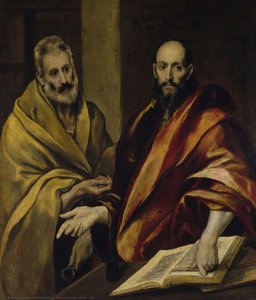
El Greco’s “Saint Bernardino,” painted in 1603, is not merely a portrait; it's an immersion into the soul of a man wrestling with faith and earthly suffering. This arresting image, measuring 269 x 144 cm, captures a moment of profound introspection within the austere landscape of Toledo, Spain – a city that profoundly shaped El Greco’s artistic vision. The painting immediately draws the eye to the figure of Saint Bernardino himself, a monk distinguished by his deeply furrowed brow and the quiet intensity in his gaze. His simple brown robe, rendered with an almost tactile quality through El Greco's signature layering technique, speaks volumes about his dedication to a life of prayer and service. The white flower held delicately in his hand is not simply a decorative element; it’s a potent symbol of purity, humility, and the fleeting beauty of earthly existence – a poignant reminder of the contrast between the spiritual realm and the tangible world.
Ein Künstler zwischen Tradition und Innovation
Born Doménikos Theotokópoulos in Crete in 1541, El Greco’s artistic journey was anything but straightforward. His early training within the Byzantine tradition instilled a rigorous attention to detail and an understanding of religious iconography deeply rooted in Eastern Orthodox practices. However, he quickly transcended these constraints, absorbing influences from Venice – particularly its dramatic use of color and light – and ultimately forging his own intensely personal style. “Saint Bernardino” exemplifies this synthesis; it retains elements of Byzantine formality while simultaneously embracing El Greco’s characteristic elongated figures, vibrant palette, and emotionally charged compositions. The painting's dynamism is achieved through a masterful manipulation of perspective and the subtle distortion of forms, anticipating developments in Expressionism and foreshadowing the fragmented aesthetics of Cubism – movements that would emerge centuries later.
Farben und Licht: Die Technik des Malers
El Greco’s technique is immediately recognizable. He employed a layering method known as “alla prima,” applying paint directly to the canvas in thin, translucent glazes. This created an astonishing luminosity and depth of color, particularly evident in the rich browns and reds of Bernardino's robe and the subtle gradations of light illuminating his face. Notice how he uses contrasting colors – the cool blues and greens of the background against the warm tones of the figure – to draw attention to the central subject. The hillside itself is rendered with a loose, almost impressionistic brushstroke, suggesting distance and creating an atmospheric backdrop that amplifies the sense of solitude and contemplation. The building in the background, partially obscured by shadow, hints at the world beyond the monastery, a world from which Bernardino has sought refuge through his devotion.
Symbolik und Emotionale Wirkung
Beyond its formal qualities, “Saint Bernardino” resonates with profound emotional depth. The painting isn’t simply depicting a religious figure; it's conveying the internal struggle of faith – the tension between earthly desires and spiritual aspirations. Bernardino’s posture, slightly slumped but radiating an inner strength, suggests a man burdened by his vows yet steadfast in his commitment. The white flower, held with such reverence, symbolizes not just purity but also the fragility of life and the importance of appreciating each moment. El Greco's masterful use of chiaroscuro – the dramatic contrast between light and shadow – further intensifies this emotional impact, creating a sense of mystery and inviting viewers to contemplate the saint’s inner world. The painting speaks to universal themes of faith, suffering, and redemption, making it a timeless masterpiece that continues to captivate audiences centuries after its creation.
- Size: 269 x 144 cm
- Date: 1603
- Artist: El Greco (Doménikos Theotokópoulos)
Fragen & Antworten
Welcher Künstler und welcher Stil stecken hinter "Heiliger Bernardino"?
El Greco schuf „Heiliger Bernardino“ im Rahmen der Spiritual Expressionism-Bewegung.
Welches Format und welche Größe hat "Heiliger Bernardino"?
"Heiliger Bernardino" von El Greco hat die Proportionen eines Hochformat-Werks mit einer Größe von 269 x 144 cm.
Welcher Strömung und welcher Epoche ist "Heiliger Bernardino" von El Greco zuzuordnen?
In "Heiliger Bernardino" von El Greco trifft die Spiritual Expressionism-Strömung auf die Ära der Renaissance.
Künstlerbiografie
**frühes Leben und Ausbildung**
El Greco (Doménikos Theotokopoulos), ein renommierter griechischer Maler, Bildhauer und Architekt, wurde 1541 in Kreta geboren, das damals unter venezianischer Herrschaft stand. Sein Geburtsname war Doménikos Theotokopoulos. El Grecos frühe Ausbildung als Ikonenmaler der kreter Schule, einem führenden Zentrum für byzantinische Kunst nach dem Fall des Reiches, legte den Grundstein für seine zukünftigen künstlerischen Bemühungen.**Künstlerische Entwicklung und Einflüsse**
El Gredos künstlerischer Stil wurde durch seine Reisen nach Venedig und Rom geprägt, wo er Manierismus- und Renaissance-Stile aufnahm, insbesondere von Tintoretto und Tizian beeinflusst. Seine Umsiedlung nach Toledo, Spanien, im Jahr 1577 markierte eine Periode fruchtbarer Schaffenskraft, die zu Meisterwerken wie Ansicht von Toledo und das Öffnen des fünften Siegels führte.**Bekannte Werke und Stil**
* Allegorie der Camaldulitenorden (Manierismus, Öl) – ein Zeugnis für El Gredos einzigartige Mischung aus byzantinischen Traditionen und westlichen stilistischen Elementen. * Fabel (Manierismus, Öl) – demonstriert seine Verwendung ungewöhnlicher, lebhafter Farben. * Giacomo Bosio (Manierismus, Öl) – zeigt El Gredos Meisterschaft im Manierismus-Stil.**Vermächtnis und Einfluss**
El Gredos dramatischer und expressiver Stil, der durch verlängerte Figuren und fantastische Pigmentierung gekennzeichnet ist, war eine Quelle der Inspiration für Dichter und Schriftsteller. Er gilt als Vorläufer des Expressionismus und Kubismus. Für mehr Informationen über das Leben und Werk von El Greco besuchen Sie [https://OriginalUniqueArt.com/@/el-greco-(domenikos-theotokopoulos)](https://OriginalUniqueArt.com/@/el-greco-(domenikos-theotokopoulos)).- **Betrachten Sie El Gredos Gemälde** unter [https://OriginalUniqueArt.com/@@/85fr95-el-greco-(domenikos-theotokopoulos)-allegory-of-the-camaldolite-order](https://OriginalUniqueArt.com/@@/85fr95-el-greco-(domenikos-theotokopoulos)-allegory-of-the-camaldolite-order)
- **Erfahren Sie mehr über das Leben und Werk von El Greco** unter [https://en.wikipedia.org/wiki/el_greco](https://en.wikipedia.org/wiki/el_greco)
- **Entdecken Sie das Hellenische Institut für byzantinische und post-byzantinische Studien**, das eine breite Palette von Artefakten umfasst, die das reiche künstlerische Erbe Byzants zu reflektieren, unter /de/art/show/art-d3b8bv-de/

El Greco
1541 - 1614 , Griechenland
Kurzinfos
- Beeinflusste Künstler:
- Tintoretto
- Tizian
- Bemerkenswerte Werke:
- Grablegung des Grafen Orgaz
- Blick auf Toledo
- Öffnung des fünften Siegels
- Geburtsdatum: 1541
- Geburtsort: Kreta, Griechenland
- Künstlerische Richtung: Manierismus, Spanische Renaissance
- Nationalität: Griechisch-Spanisch
- Todatum: 1614
- Vollständiger Name: El Greco (Doménikos Theotokópoulos)
- Von Künstlern Beeinflusst: ['Byzantinische Traditionen']
Ähnliche Artikel
El Greco: Spiritualität, Stil und Innovation – Das Vermächtnis eines Renaissance-Meisters
Entdecken Sie das faszinierende Werk von El Greco! Erfahren Sie mehr über seine einzigartigen Stilmerkmale, den Manierismus und sein spirituelles Vermächtnis. Expertenwissen zur Renaissance-Malerei.
Museo del Prado: Die 25 Meisterwerke – Kunst für Ihr Zuhause | OriginalUniqueArt
Entdecken Sie die 25 Meisterwerke des Museo del Prado! Von Velázquez bis Goya – Kunstgeschichte, Techniken & Geschichten berühmter Gemälde. Finden Sie hochwertige Reproduktionen für Ihr Zuhause auf OriginalUniqueArt.com.

El Greco: Die 25 Meisterwerke – Kunst für Ihr Zuhause | OriginalUniqueArt
Entdecken Sie die 25 bedeutendsten Meisterwerke von El Greco! Erleben Sie die spirituelle Tiefe und den dramatischen Stil des griechischen Malers. Hochwertige Kunstdrucke & Inspiration für Ihr Zuhause auf OriginalUniqueArt.com.
Mannerism Unveiled: The Dramatic Evolution of Renaissance Art and the Visionary Legacy of El Greco
Explore the dramatic transition from High Renaissance harmony to Mannerist tension. Discover how masters like El Greco redefined art through distortion and spiritual intensity. An expert guide for art enthusiasts seeking deep historical context and museum-quality inspiration.
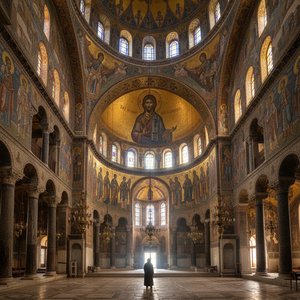
Illuminating Eternity: A Comprehensive Exploration of Byzantine Art's Legacy
Explore the rich history & stunning artistry of the Byzantine Empire! Discover iconic mosaics, profound symbolism, and lasting influence on Western art. A comprehensive guide for history lovers.