

 In echtem Maßstab anzeigen
 Versenden als Grußkarte
 Teilen
 Details anzeigen
 Leitfaden öffnen

 Herunterladen
 Ähnliche Objekte
 Röntgenaufnahme
 Diashow
 Besucherstatistiken
Grossglockner


 Mehr anzeigen
Giclée / Kunstdruck
Giclée- oder Leinwanddruck in Museumsqualität mit schneller Produktion und flexiblen Veredelungsoptionen. ( Handgemalte Reproduktion kaufen Zum digitalen Bild wechseln)




P118B €10

P118H €10

P118W €10

P438Z €10

P508JH €12

P508YH €12

P805H €10

P805Z €10

P919BZ €10

P919G €10

P919XJ €10

P959ZH €10

P968JZ €12

W106C €8

W218G €10

W218JH €8

W218Y €10

W307PJ €10

W316G €10

W316PJ €8

W316Y €10

W398PJ €8

W4111J €10

W500HY €15

W500JH €15

W692G €12

W849H €8

W940BG €15

W953PJ €8




Wählen Sie aus unseren vordefinierten Formaten, die den ursprünglichen Proportionen des Kunstwerks entsprechen.

Geben Sie die Breite und die Höhe an, die Sie benötigen, damit der Druck perfekt in Ihren Rahmen oder an Ihre Wand passt. Ein Druck kann nur beschnitten werden und niemals größer als das Originalbild gemacht werden; daher verliert ein Format mit einer anderen Proportion einen Teil des Bildes. Wir senden Ihnen ein digitales Mockup zur Freigabe, bevor wir den Druck ausführen. Das auf dieser Seite gezeigte Bild zeigt nicht den tatsächlichen Beschnitt – dies ist nur im Mockup ersichtlich.
Weltweiter Versand () innerhalb von 2 Wochen statt der üblichen 4/5 Wochen. (20 Oktober)

Kostenloser weltweiter Expressversand

Hochwertige Leinenleinwand

Vollständiger Versicherungsschutz beim Versand

Zollgebühren-Rückerstattungsgarantie

Garantie für exakte Farbtreue

100-tägiges Rückgaberecht (nur bei Mängeln)

100% Geld-zurück-Garantie

Angebot für Mengenrabatt
 Die Glasoption ist nur für Größen unter 110 cm verfügbar.

Grossglockner
Giclée / Kunstdruck
Format der Reproduktion
-


Gesamtpreis
€ 70
A Sublime Vision of Alpine Majesty
- Subject Matter: Compton’s “Grossglockner” captures the grandeur of Austria's Grossglockner mountain massif, one of Europe’s highest peaks. The painting depicts a panoramic vista showcasing the imposing mountains bathed in soft sunlight, emphasizing their dramatic silhouette against expansive skies.
- Style: This artwork exemplifies Impressionistic tendencies, prioritizing atmospheric effects over precise representation. Compton skillfully blends brushstrokes to convey the ephemeral quality of light and shadow, creating an immersive experience for the viewer akin to witnessing the mountain landscape firsthand.
- Technique: Employing watercolor on paper—a technique favored by artists of his era—Compton achieved remarkable luminosity and tonal subtlety. Layers of translucent washes build up gradually, capturing the nuances of color and texture—the glistening snow surfaces, the textured rock faces, and the billowing clouds—resulting in a breathtakingly realistic depiction.
- Historical Context: Created in 1918, “Grossglockner” emerged during a period of artistic experimentation following Impressionism. The painting reflects the broader fascination with Alpine landscapes prevalent in European art circles at the time, fueled by burgeoning tourism and scientific exploration. Compton’s work aligns perfectly with the Romantic spirit—a yearning for sublime beauty and contemplation amidst untamed nature.
- Symbolism: Beyond its visual splendor, “Grossglockner” carries symbolic resonance. The towering mountains represent resilience, permanence, and spiritual aspiration—themes deeply rooted in Quaker beliefs. Furthermore, the serene atmosphere evokes feelings of tranquility and awe, inviting viewers to reconnect with the grandeur of the natural world.
The painting’s emotional impact is undeniable; it transports us back to a time when artists sought inspiration from the sublime—a concept championed by Edmund Burke and Coleridge—to express profound spiritual truths. Compton's masterful watercolor technique ensures that this vision of Grossglockner remains captivating for generations to come, offering a timeless reminder of the beauty and majesty of Alpine scenery.
Fragen & Antworten
Welche Stellung nimmt „Grossglockner“ unter den wiederkehrenden Motiven von Edward Theodore Compton ein?
Zu den wiederkehrenden Themen von Edward Theodore Compton gehören romantic landscape, german alpine art, moral quaker values, watercolor technique, artist legacy; „Grossglockner“ konzentriert sich auf mountains, landscape, watercolor, alpine scene, snow peaks, panoramic view, victorian art.
Woraus besteht "Grossglockner"?
Das Medium von "Grossglockner" von Edward Theodore Compton ist Acrylic. Die Reproduktionen zielen darauf ab, das Erscheinungsbild dieser Technik wiederzugeben.
Sind die Farben von "Grossglockner" von Edward Theodore Compton gesättigt oder gedämpft?
"Grossglockner" von Edward Theodore Compton ist mit einer Muted Sättigung festgehalten.
Biografie des Künstlers
Edward Theodore Compton: Pionier der alpinen Aquarellmalerei
Edward Theodore Compton, eine singuläre Gestalt in der künstlerischen Landschaft des späten 19. und frühen 20. Jahrhunderts in Europa, steht als außergewöhnliches Zeugnis für die Schnittstelle von Kunst und Abenteuer. Geboren 1849 in Stoke Newington, London, prägte die Erziehung in einem Quäker-Haushalt eine tiefe Wertschätzung für Einfachheit und moralische Integrität – Werte, die zweifellos seine künstlerische Vision formen sollten. Trotz des Besuchs verschiedener Kunstschulen, darunter der Royal Academy, verfolgte er weitgehend einen Weg der Selbstbildung und verfeinerte seine Fähigkeiten durch akribische Beobachtung und unermüdliches Experimentieren. Seine Reise nach Darmstadt im Jahr 1ng67 markierte einen entscheidenden Wendepunkt, der ihn in eine lebendige künstlerische Gemeinschaft unter der Leitung von Großherzog Ludwig III. führte und eine dauerhafte Faszination für die alpine Landschaft entfachte.- Frühe Einflüsse: Comptons prägende Jahre waren tief in der Spiritualität der Quäker verwurzelt und wurden durch die Leidenschaft seines Vaters für die Kunst genährt, was ihn mit einflussreichen impressionistischen Malern wie Claude Monet und Pierre-Auguste Renoir vertraut machte.
- Akademische Ausbildung & Darmstadt: Obwohl er keinen formellen Abschluss der Royal Academy erlangte, profitierte Compton maßgeblich vom Studium an der Seite von Alice, Prinzessin von Hessen, wodurch er unschätzbare Erfahrungen in künstlerischer Technik sammelte und Verbindungen innerhalb eines aufstrebenden künstlerischen Milieus knüpfte.
Die alpine Obsession: Von Skizzen zu Meisterwerken
Eine transformative Reise ins Berner Oberland im Jahr 1868 entfachte Comptons lebenslange Hingabe, die majestätische Pracht der Alpen einzufangen, insbesondere das ikonische Trio aus Eiger, Mönch und Jungfrau. Das atemberuchtende Panorama fesselte ihn und inspirierte eine Serie von Aquarellmalereien, die bald synonym mit der alpinen Kunst werden sollten. Seine akribischen Skizzen dokumentierten das raue Gelände und die dramatischen Lichtverhältnisse und bewiesen ein unerschütterliches Engagement für Genauigkeit gepaart mit künstlerischer Sensibilität. Diese Erfahrung festigte seinen Glauben an die Kraft der Beobachtung als Eckpfeiler der künstlerischen Schöpfung.- Technik: Comptons unverwechselbarer Stil basierte auf dem Übereinanderschichten dünner Lasuren von Aquarellpigmenten auf Papier, wodurch leuchtende Effekte erzielt wurden, die die ätherische Schönheit der Gebirgslandschaften vermittelten.
- Bedeutende Werke: Zu seinen am meisten gefeierten Gemälden gehören „Deutsch Im Wald von Valdoniello“ und „Deutsch Grohmannspitze und (rechts) Fünffingerspitzen“, welche seine meisterhafte Darstellung alpiner Ausblicke exemplarisch verdeutłichen.
Das Auge eines Bergsteigers: Jenseits der Leinwand
Compton war nicht nur ein Maler; er war ein unerschrockener Bergsteiger, der über 300 Gipfel bestieg, darunter 27 Erstbesteigungen – eine bemerkenswerte Leistung, die seinen Ruf als einer der führenden Kletterer Britanniens festigte. Seine Expeditionen nach Österreich, Skandinavien, Nordafrika, Korsika und Spanien lieferten unschätzbares visuelles Material für sein Werk und bereicherten seine Kompositionen mit unmittelbaren Erfahrungen aus der Bergwelt. Die Fotografie „Deutsch Allalin, Strahl und Rimpfischhorn von der Ostflanke des Alphubel“ zeigt Comptons Hingabe zur topografischen Genauigkeit in Verbindung mit künstlerischer Vision.- Einfluss auf die Kunst: Comptons Bergsteiger-Abenteuer beeinflussten seine Kunst zutiefst, indem sie seinen Gemälden ein Gefühl von Dynamik verliehen und die Herausforderungen vermittelten, denen Kletterer in gegenüber unerbittlichem Gelände stehen.
- Vermächtnis: Comptons Beitrag zur alpinen Kunst ist unbestreitbar; er erhob die Aquarellmalerei zu neuen Höhen und etablierte sie als das bevorzugte Medium, um Gebirgslandschaften mit unvergleichlicher Schönheit und Realismus darzustellen.
Villa Compton & Fortgesetzte künstlerische Erkundung
Mit seiner Niederlassung in Feldafing am Starnberger See im Jahr 1874 schuf Compton zusammen mit seiner Frau Auguste Plotz ein ruhiges Heim, das eine Umgebung förderte, die ideal für künstlerische Bestrebungen war. Er reiste weiterhin ausgiebig und dokumentierte seine Eindrücke in Aquarellen und Tuschezeichnungen – ein Zeugnis seiner unerschütterlichen Neugier und seines künstlerischen Drangs. Sein Werk spiegelt nicht nur die Erhabenheit der alpinen Szenerie wider, sondern auch die subtilen Nuancen von Licht und Atmosphäre, was Comptons Meisterschaft der impressionistischen Techniken demonstriert.- Spätere Karriere: Comptons künstlerische Produktion blieb sein Leben lang produktiv und zeigte eine bemerkenswerte Anpassungsfähigkeit an verschiedenste Themen und Medien.
- Historische Bedeutung: Das Erbe von Compton reicht weit über seine künstlerischen Errungenschaften hinaus; er verkörpert den Geist der Entdeckung und Kreativität – eine Persönlichkeit, die Leidenschaft für die Kunst nahtlos mit gewagtem Abenteuer verband.
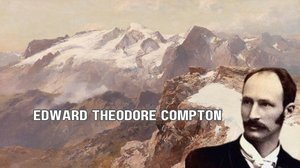
Edward Theodore Compton
1849 - 1921 , England
Eckdaten zum Künstler
- Artistic Movement Or Style: Alpine Art
- Artists Who Influenced This Artist:
- Claude Monet
- Pierre-Auguste Renoir
- Date Of Birth: 1849
- Date Of Death: 1921
- Full Name: Edward Theodore Compton
- Nationality: Englisch
- Notable Artworks:
- Deutsch Im Wald von Valdoniello
- Deutsch Grohmannspitze und (rechts) Fünffingerspitzen
- Place Of Birth: Stoke Newington, London
Verwandte Artikel
Edward Hopper: Die 25 Meisterwerke des amerikanischen Realismus | OriginalUniqueArt
Entdecken Sie die 25 Meisterwerke von Edward Hopper! Tauchen Sie ein in amerikanische Kunst, Realismus & Isolation. Hochwertige Reproduktionen & Inspiration für Ihr Zuhause bei OriginalUniqueArt.com.

Flüchtige Visionen: Die Geschichte und emotionale Resonanz der Aquarellmalerei
Entdecken Sie die faszinierende Welt der Aquarellmalerei! Von historischen Ursprüngen bis zu modernen Techniken – wir bieten Expertenwissen, Inspiration und Tipps für Anfänger & Fortgeschrittene.

Die 10 legendärsten Aquarellwerke der Kunstgeschichte – Meisterwerke für Ihr Zuhause
Entdecken Sie die 10 legendärsten Aquarellwerke der Kunstgeschichte! Von Turner bis Monet – erleben Sie die Geschichten, Techniken & Farben dieser Meisterwerke. Finden Sie hochwertige Kunstdrucke auf OriginalUniqueArt.com und gestalten Sie Ihr Zuhause mit zeitloser Eleganz.

Ephemeral Visions: Exploring the Artistic Legacy & Contemporary Practice of Watercolor Painting
Explore the captivating world of watercolor painting! Discover its rich history, essential techniques, influential artists & collecting tips. A comprehensive guide for art enthusiasts from OriginalUniqueArt.

Ephemeral Visions: Exploring the Artistic Legacy & Nuances of Watercolor Painting
Explore the captivating world of watercolor painting! Discover its rich history, essential techniques, influential artists & collecting tips from art experts. A comprehensive guide for enthusiasts.