

 In echtem Maßstab anzeigen
 Versenden als Grußkarte
 Teilen
 Details anzeigen
 Leitfaden öffnen

 Herunterladen
 Ähnliche Objekte
 Röntgenaufnahme
 Diashow
 Besucherstatistiken
A distant view of Mt Athos
 Watercolor
- WallArt
- Romantic Landscape
 1856
1856- 19th Century
 22.0 x 14.0 cm
 Art Galerie von Südaustralien
 Mehr anzeigen
Handgefertigte Ölreproduktion
Handgemaltes Ölgemälde auf Leinwand in Ihrer Wunschgröße und mit Rahmen, auf Bestellung von unseren Künstlern angefertigt. ( Zum Druck wechseln Zum digitalen Bild wechseln)




P118B €10

P118H €10

P118W €10

P438Z €10

P508JH €12

P508YH €12

P805H €10

P805Z €10

P919BZ €10

P919G €10

P919XJ €10

P959ZH €10

P968JZ €12

W106C €8

W218G €10

W218JH €8

W218Y €10

W307PJ €10

W316G €10

W316PJ €8

W316Y €10

W398PJ €8

W4111J €10

W500HY €15

W500JH €15

W692G €12

W849H €8

W940BG €15

W953PJ €8




Wählen Sie aus unseren vordefinierten Formaten, die den ursprünglichen Proportionen des Kunstwerks entsprechen.

Geben Sie die Breite und die Höhe an, die Sie für Ihren Rahmen oder Ihre Wand benötigen. Da dieses Werk handgemalt ist, kann der Künstler bei einer anderen Form etwas mehr um das Bild herum malen oder etwas abschneiden – Sie entscheiden. Wir senden Ihnen ein digitales Mockup zur Freigabe, bevor mit dem Malen begonnen wird. Das auf dieser Seite gezeigte Bild stellt nicht das tatsächliche Ergebnis dar – dies tut nur das Mockup.
Nach der Bestellung wird das OriginalUniqueArt.com-Team dem Kunden Anweisungen per E-Mail zusenden und eine Mockup-Vorschau bereitstellen.
Weltweiter Versand () in nur 3 bis 4 Wochen statt der üblichen 5 Wochen. (24 Oktober). Keine Kompromisse bei der Qualität.

Kostenloser weltweiter Expressversand

Hochwertige Leinenleinwand

Vollständiger Versicherungsschutz beim Versand

Zollgebühren-Rückerstattungsgarantie

Garantie für exakte Farbtreue

100-tägiges Rückgaberecht (nur bei Mängeln)

100% Geld-zurück-Garantie

Angebot für Mengenrabatt
 Die Glasoption ist nur für Größen unter 110 cm verfügbar.

A distant view of Mt Athos
Reproduktionsmedium
Format der Reproduktion
-


Gesamtpreis
€ 263
A Distant View of Mt Athos: A Watercolor Masterpiece by Edward Lear
Edward Lear’s “A Distant View of Mt Athos,” painted in 1856, is more than just a depiction of a rugged landscape; it's an intimate glimpse into the mind of a truly singular artist. Executed in delicate watercolor, this piece reveals Lear’s extraordinary ability to capture atmosphere and evoke a profound sense of tranquility. The painting transports us to a remote corner of Greece, dominated by the imposing presence of Mt Athos, rendered with meticulous detail yet imbued with an ethereal quality that speaks to Lear's unique artistic vision. Measuring 22 x 14 cm, this intimate scale allows for a deeply personal connection with the scene – one can almost feel the cool mountain air and hear the rustle of leaves in the breeze. The artist’s skillful use of color creates a harmonious balance between light and shadow, enhancing the depth and realism of the landscape while simultaneously suggesting an otherworldly beauty.The Artistry of Edward Lear: Technique and Style
Lear was a master of watercolor technique, employing layers of translucent washes to build up form and create subtle variations in tone. Notice how he utilizes broken color – small, distinct areas of pigment – to suggest texture and depth within the mountains and trees. This approach is particularly evident in the depiction of the foliage, where individual leaves are rendered with remarkable precision, contributing to the overall sense of realism. His style can be characterized as Romantic, influenced by the burgeoning interest in landscape painting during the Victorian era, but tempered by a distinctly personal sensibility. Lear’s work wasn't simply about replicating what he saw; it was about translating his emotional response to the natural world onto the canvas. The slight blurring and atmospheric perspective demonstrate a sophisticated understanding of how light interacts with distant objects, adding to the illusion of depth and creating a truly immersive experience for the viewer.Historical Context: Victorian England and the Rise of Landscape Painting
“A Distant View of Mt Athos” was created during a period of significant change in Britain. The Industrial Revolution was transforming society, yet there remained a deep appreciation for the beauty of the natural world. Landscape painting gained prominence as an art form, offering a respite from the urban landscape and providing opportunities for contemplation and escape. Artists like Lear were part of a movement that sought to capture the sublime – the awe-inspiring power and grandeur of nature – in their work. The subject matter itself, Mt Athos, held religious significance, adding another layer of meaning to the painting’s composition. This remote mountain range, a center of Orthodox monasticism, represented spiritual isolation and contemplation, themes that resonated with Victorian sensibilities.Symbolic Resonance: Nature as Sanctuary
Beyond its technical brilliance, “A Distant View of Mt Athos” possesses a subtle symbolic resonance. The isolated mountains evoke a sense of solitude and introspection, mirroring Lear’s own inclination towards quiet contemplation. The vastness of the landscape suggests the insignificance of human concerns in comparison to the enduring power of nature. The painting can be interpreted as an invitation to find solace and renewal in the natural world – a timeless theme that continues to resonate with viewers today. This piece offers a moment of serene beauty, inviting us to pause and appreciate the simple grandeur of the landscape. NoneFragen & Antworten
Wo kann ich eine handgemalte Reproduktion von "A distant view of Mt Athos" von Edward Lear kaufen?
Eine handgemalte Reproduktion von "A distant view of Mt Athos" von Edward Lear können Sie direkt auf der entsprechenden Handgemalte Reproduktion-Seite bestellen: eine handgemalte Ölreproduktion auf Leinenleinwand, auf Bestellung angefertigt.
In welchem Jahr wurde "A distant view of Mt Athos" geschaffen?
"A distant view of Mt Athos" von Edward Lear entstand im Jahr 1856.
Welche Technik und welcher Stil charakterisieren "A distant view of Mt Athos" von Edward Lear?
"A distant view of Mt Athos" ist in Watercolor im Stil der Romantic Landscape-Epoche gefertigt.
Biografie des Künstlers
Frühes Leben und Karriere
Edward Lear, ein renommierter englischer Künstler, Illustrator, Musiker, Autor und Dichter, wurde am 12. Mai 1812 in Holloway, Nord-London, geboren. Als vorletztes von 21 Kindern war Lears Leben durch einen frühen Beginn seiner Karriere im Alter von 15 Jahren geprägt. Sein Vater, Jeremiah Lear, ein Börsenmakler, hatte nach den napoleonischen Kriegen finanzielle Schwierigkeiten, was zu einer Verringerung der finanziellen Mittel der Familie und zur Notwendigkeit führte, dass Lear sich von jung an selbst unterstützen musste.Künstlerische Beiträge
Lears künstlerische Beiträge sind vielfältig:- Illustrationen von Vögeln und Tieren: Im Dienst des Zoologischen Vereins demonstrierte Lears frühe Arbeit seine Fähigkeiten bei der Illustration von Vögeln und Tieren.
- Landschaftsmalerei: Nach seinen ausgedehnten Reisen durch Europa und Asien widmete sich Lear der Landschaftsmalerei und fing das Wesen dieser Regionen in seinen Werken ein.
- Autor und Dichter: Lears Ruhm beruht auf seiner Nonsense-Poesie, Limerick und humorvollen Versen, wie man sie in seinen Büchern "A Book of Nonsense" (1846), "Nonsense Songs" (1871) und "Laughable Lyrics" (1877) findet.
- Musikalische Kompositionen: Lear komponierte musikalische Settings für Alfred Tennysons Gedichte, wobei zwölf Werke veröffentlicht wurden.
Bemerkenswerte Werke und Vermächtnis
Zu Lears bemerkenswertesten Werken gehören:- "The Owl and the Pussycat", ein Gedicht, das zu seinem Stil geworden ist.
- "The Dong with the Luminous Nose", das seinen fantastischen Ansatz in der Poesie zeigt.
- Illustrationen der Familie der Psittaciden (Papageien) (1830), seine erste Veröffentlichung im Alter von 19 Jahren.
Museen und Sammlungen
Lears Werke finden sich in verschiedenen Museen, darunter:- Das Ashmolean Museum, Oxford, das sein Gemälde "The Plains of Lombardy from Monte Generoso" zeigt.
- Andere bemerkenswerte Sammlungen und Museen, die Lears Kunst zeigen, finden sich in der umfangreichen Datenbank von OriginalUniqueArt.com.
Fazit
Lears Vermächtnis ist ein Beweis für seinen innovativen Ansatz in der Kunst, der Humor, Nonsense-Poesie und Landschaftsmalerei vereint. Sein Einfluss auf die Welt der Kunst und Literatur bleibt unübertroffen, wobei seine Werke weiterhin neue Generationen inspirieren. Mehr von Edward Lears Werken finden Sie auf OriginalUniqueArt.com Erfahren Sie mehr über Edward Lear auf Wikipedia
Edward Lear
1812 - 1888 , Vereinigtes Königreich
Eckdaten zum Künstler
- Bemerkenswerte Werke:
- The Owl and the Pussycat
- The Dong with the Luminous Nose
- Illustrationen der Papageienfamilie
- Geburtsdatum: 12. Mai 1812
- Geburtsort: London, Vereinigtes Königreich
- Künstlerische Richtung: Viktorianische Kunst, Nonsense-Literatur
- Nationalität: Britisch
- Sterbedatum: 1888
- Vollständiger Name: Edward Lear
Verwandte Artikel

Ephemeral Visions: Exploring the Artistic Legacy & Contemporary Practice of Watercolor Painting
Explore the captivating world of watercolor painting! Discover its rich history, essential techniques, influential artists & collecting tips. A comprehensive guide for art enthusiasts from OriginalUniqueArt.
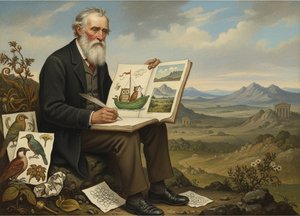
Edward Lear: Jenseits der Nonsens-Verse – Landschaft, Illustration und die Poetik der Isolation
Entdecken Sie das vielschichtige Werk Edward Lear's – jenseits der Nonsens-Verse! Analysieren Sie mit uns seine Landschaftsmalerei, Illustrationen und die Poetik der Isolation im viktorianischen Kontext. Expertenwissen & tiefe Einblicke.

Die 10 legendärsten Aquarellwerke der Kunstgeschichte – Meisterwerke für Ihr Zuhause
Entdecken Sie die 10 legendärsten Aquarellwerke der Kunstgeschichte! Von Turner bis Monet – erleben Sie die Geschichten, Techniken & Farben dieser Meisterwerke. Finden Sie hochwertige Kunstdrucke auf OriginalUniqueArt.com und gestalten Sie Ihr Zuhause mit zeitloser Eleganz.

Flüchtige Visionen: Die Geschichte und emotionale Resonanz der Aquarellmalerei
Entdecken Sie die faszinierende Welt der Aquarellmalerei! Von historischen Ursprüngen bis zu modernen Techniken – wir bieten Expertenwissen, Inspiration und Tipps für Anfänger & Fortgeschrittene.
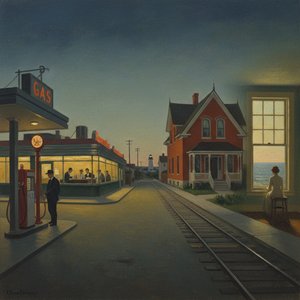
Edward Hopper: Die 25 Meisterwerke des amerikanischen Realismus | OriginalUniqueArt
Entdecken Sie die 25 Meisterwerke von Edward Hopper! Tauchen Sie ein in amerikanische Kunst, Realismus & Isolation. Hochwertige Reproduktionen & Inspiration für Ihr Zuhause bei OriginalUniqueArt.com.


