Vorschau anzeigen
 Versenden
 Teilen
 Details anzeigen

 Herunterladen
 Ähnliche Objekte
 Röntgenaufnahme
 Diashow
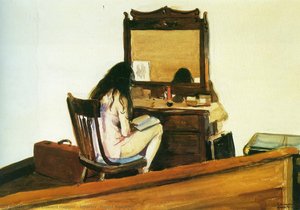
Soir bleu


 Weiterlesen
Giclée / Kunstdruck
Giclée- oder Leinwanddruck in Museumsqualität mit schneller Produktion und flexiblen Veredelungsoptionen. ( Handgemalte Reproduktion bestellen Bild kaufen)




P118B $10

P118H $10

P118W $10

P438Z $10

P508JH $12

P508YH $12

P805H $10

P805Z $10

P919BZ $10

P919G $10

P919XJ $10

P959ZH $10

P968JZ $12

W106C $8

W218G $10

W218JH $8

W218Y $10

W307PJ $10

W316G $10

W316PJ $8

W316Y $10

W398PJ $8

W4111J $10

W500HY $15

W500JH $15

W692G $12

W849H $8

W940BG $15

W953PJ $8




Wählen Sie aus unseren vordefinierten Formaten, die den ursprünglichen Proportionen des Kunstwerks entsprechen.

Sie können Ihre eigenen Maße eingeben, um ein bestimmtes Format oder einen speziellen Platz einzupassen. Wenn das von Ihnen gewählte Format nicht den Proportionen des Originalbildes entspricht, werden wir das Kunstwerk entweder beschneiden oder das Bild mit einem gespiegelten oder einfarbigen Rand erweitern. Ein digitaler Entwurf wird Ihnen zur Genehmigung zugesandt, bevor die Produktion beginnt.
Bitte beachten Sie, dass die Vorschau auf dem Bildschirm nicht den tatsächlichen Zuschnitt oder die Erweiterung widerspiegelt. Nur der Entwurf zeigt die endgültige Komposition präzise an.
Obwohl Sondermaße verfügbar sind, empfehlen wir die Auswahl eines Maßes aus der vordefinierten Liste, um die ursprünglichen Proportionen zu bewahren.
Weltweiter Versand () innerhalb von 2 Wochen statt der üblichen 4/5 Wochen. (28 August)

Kostenloser weltweiter Expressversand

Hochwertige Leinenleinwand

Umfassender Versicherungsschutz beim Versand

Zollgebühren-Rückerstattungsgarantie

Garantie für exakte Farbtreue

60 Tage Rückgaberecht (nur bei Mängeln)

100% Geld-zurück-Garantie

Mengenrabatt verfügbar
 Die Glasoption ist nur für Größen unter 110 cm verfügbar.

Soir bleu
Giclée / Kunstdruck
Format der Reproduktion
-


Gesamtpreis
$ 80
A Quietude in Monochrome: The Soul of Soir Bleu
In the vast canon of American modernism, few moments capture the profound stillness of urban existence as poignantly as Edward Hopper’s Soir Bleu. Painted in 1914, this evocative black and white composition serves as a hauntingly beautiful window into a New York café, frozen in a state of perpetual twilight. While many associate Hopper with the vibrant, cinematic light of his later oil paintings, Soir Bleu relies on a masterful command of tonal gradations to tell its story. It is not merely a depiction of a restaurant interior; it is a meditation on the invisible threads that connect—and simultaneously isolate—us within the bustling machinery of the city. The scene presents a collection of figures seated at tables, their presence felt through the weight of their silence rather than the volume of their speech. Through this lens, Hopper invites the viewer to step into a space where time seems to suspend itself, offering a rare opportunity for quiet contemplation amidst the chaos of modern life.
The composition is a delicate dance of light and shadow, showcasing the artist's early mastery of atmosphere over mere photographic accuracy. Though rooted in the Impressionistic traditions of artists like Monet, Hopper’s vision here is distinctly more structural and introspective. He utilizes flattened planes and subtle shifts in grey to define the geometry of the café—the sharp lines of chairs, the reflective surfaces of glassware, and the heavy presence of bottles and vases. The light does not simply illuminate; it sculpts the scene, casting long, melancholic shadows that stretch across the tables like unspoken thoughts. This deliberate manipulation of luminance creates a dramatic interplay between the visible and the obscured, where the faces of the patrons often remain partially veiled, heightening the sense of detachment and the enigmatic nature of the human experience.
The Architecture of Solitude and Symbolism
Beyond its technical brilliance, Soir Bleu functions as a profound symbolic study of modern alienation. The objects scattered across the tables—wine glasses, cups, and bowls—act as silent witnesses to a shared social ritual that feels strangely solitary. There is a palpable tension in the way the figures are arranged; though they occupy the same physical space, each person appears locked within their own internal monologue. This "architecture of solitude" is what makes Hopper’s work so enduringly relevant for the contemporary collector and interior designer alike. The painting captures that specific, modern ache: the feeling of being alone in a crowd. By stripping away color, Hopper removes the distractions of the physical world, leaving behind only the emotional essence of the moment—a raw, monochromatic truth about the human condition.
For those looking to integrate such a profound piece into a curated space, Soir Bleu offers an unparalleled emotional depth. As a high-quality reproduction, it brings a sense of sophisticated stillness to any room, acting as a focal point that encourages reflection rather than mere observation. Whether placed in a minimalist contemporary gallery or a classic study, the painting’s ability to evoke both intimacy and distance makes it a versatile masterpiece. It is an investment in atmosphere, providing a window into the dawn of modern consciousness and a permanent reminder of the beauty found in life's quietest, most solitary intervals.
Über den Künstler
**frühes Leben und Einflüsse**
Edward Hopper, ein bedeutender amerikanischer Realist-Maler und Grafiker, wurde am 22. Juli 1882 in Upper Nyack, New York, geboren. Seine Familie, von hauptsächlich niederländischer Abstammung, bot eine komfortable Erziehung, die es Hopper ermöglichte, seine künstlerischen Neigungen schon im frühen Alter zu verfolgen. - **Inspirationen:** Hoppers Werk wurde von den Schriften von Ralph Waldo Emerson und den französischen Impressionisten-Meistern Édouard Manet und Edgar Degas beeinflusst. - **Frühzeitige Ausbildung:** Er begann mit Kunststudien durch einen Korrespondenzkurs im Jahr 1899, wechselte später an die New York School of Art and Design.**Künstlerischer Stil und Themen**
Edward Hopper's sparsame und präzise Darstellungen spiegelten seine persönliche Vision des modernen amerikanischen Lebens wider. Sein Werk lässt sich durch folgende Merkmale charakterisieren: - **Städtische und ländliche Szenen:** Beide Umgebungen wurden mit einer einzigartigen Mischung aus Realismus und emotionaler Tiefe dargestellt. - **Beleuchtung:** Eine Meisterschaft der Beleuchtung, oft eingesetzt, um Gefühle von Isolation oder Kontemplation hervorzurufen. - **Figuren:** Oft ohne Gesicht oder im Hintergrund platziert, wodurch die Umgebung gegenüber den Figuren betont wird.**Bekannte Werke und ihre Bedeutung**
- House by the Railroad (Museum of Modern Art, New York, United States), ein Beispiel für Hoppers Fähigkeit, durch eine einfache, aber wirkungsvolle Komposition einen Hauch von Melancholie hervorzurufen. - Reclining Nude (50 x 35 cm, New Realism, Watercolour), das seine Vielseitigkeit bei der Darstellung des menschlichen Körpers demonstriert.**Vermächtnis und Einfluss**
- **Einfluss auf zukünftige Künstler:** Hoppers einzigartiger Stil hat zahlreiche Künstler beeinflusst, darunter Pierre Sanford Ross, der für seine städtischen und ländlichen Szenen bekannt ist. - **dauernde Beliebtheit:** Seine Werke fesseln weiterhin das Publikum mit ihren zeitlosen Themen von Einsamkeit und dem menschlichen Dasein.**Erfahren Sie mehr bei OriginalUniqueArt**
- [https://OriginalUniqueArt.com/@/edward-hopper](Edward Hoppers Werke) - /de/art/show/art-8xyffg-de/Kaufen Sie Kunst inspiriert von den Meistern)- Erkunden Sie die Welt der Kunst mit der umfangreichen Kollektion von OriginalUniqueArt.
- Entdecken Sie, wie Hoppers Vermächtnis weiterhin Künstler und Kunstliebhaber inspiriert.
**Referenzen**
- [https://OriginalUniqueArt.com/@/edward-hopper](Wikipedia: Edward Hopper) - [https://en.wikipedia.org/wiki/edward_hopper](Wikipedia: Edward Hoppers Biografie)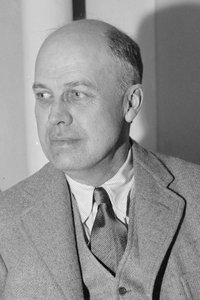
Edward Hopper
1931 - 1967 , Vereinigte Staaten von Amerika
Kurzinfos
- Beeinflusste Künstler: ['Pierre Sanford Ross']
- Bemerkenswerte Werke:
- House by the Railroad
- Nighthawks
- Gas
- Chop Suey
- Sommertime
- Einflüsse:
- Ralph Waldo Emerson
- Édouard Manet
- Edgar Degas
- Geburtsdatum: 22. Juli 1882
- Geburtsort: Upper Nyack, USA
- Künstlerischer Stil: Amerikanischer Realismus
- Nationalität: Amerikanisch
- Sterbedatum: 1967
- Vollständiger Name: Edward Hopper
Ähnliche Artikel

Weiße Meisterwerke: Die Top 10 berühmtesten Gemälde und ihre zeitlose Eleganz
Entdecken Sie die Top 10 berühmter Gemälde, dominiert von Weiß! Von Malewitsch bis Rothko – erfahren Sie Geschichten hinter ikonischen Kunstwerke und lassen Sie sich für Ihre Wohnraumgestaltung inspirieren. Kunstreproduktionen in Museumsqualiät auf

Die Top 10 berühmter Gemälde im Reich der dunklen Töne |
Entdecken Sie die Top 10 berühmter Gemälde, beherrscht von dunklen Tönen! Von Caravaggio bis Manet – erfahren Sie die Geschichten hinter Meisterwerken der Kunstgeschichte. Finden Sie Ihre perfekte Reproduktion auf .
Shadow & Soul: Why Black & White Photography Remains the Ultimate Power Move in Modern Art
Discover why black & white photography remains a powerful force in contemporary art. Explore the impact of light, shadow, and texture through a visual journey of monochrome mastery and learn how to elevate your space with timeless grayscale aesthetics.

Monochrome Visions: Exploring the Aesthetic & Historical Significance of Black & White Photography
Explore the rich history & artistic power of black and white photography. From early techniques to iconic masters like Ansel Adams, discover why monochrome continues to captivate art lovers today. Expert insights for collectors.
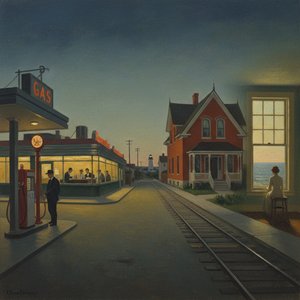
Edward Hopper: Die 25 Meisterwerke des amerikanischen Realismus | OriginalUniqueArt
Entdecken Sie die 25 Meisterwerke von Edward Hopper! Tauchen Sie ein in amerikanische Kunst, Realismus & Isolation. Hochwertige Reproduktionen & Inspiration für Ihr Zuhause bei OriginalUniqueArt.com.