In echtem Maßstab anzeigen
 Versenden als Grußkarte
 Teilen
 Details anzeigen
 Leitfaden öffnen

 Herunterladen
 Ähnliche Objekte
 Röntgenaufnahme
 Diashow
 Besucherstatistiken
Fähnrichberg


 Mehr anzeigen
Die auf dieser Seite dargestellten Kunstwerke sind urheberrechtlich geschützt, was bedeutet, dass wir keine identische Reproduktion rechtmäßig erstellen oder verkaufen dürfen. Dieser Schutz wird durch internationale Abkommen wie die Berner Übereinkunft und durch nationale Gesetze, einschließlich derer, die von den ... festgelegt wurden US-Urheberrecht – Titel 17.
Als respektvolle und rechtlich einwandfreie Alternative bieten wir individuelle, handgemalte Kunstwerke an, die vom Original inspiriert sind. Unsere geschickten und professionellen Künstler studieren sorgfältig den Stil, die Stimmung und das künstlerische Wesen des Originals, um ein neues, einzigartiges Werk zu schaffen, das dasselbe Gefühl hervorruft – während es zugleich eine eigenständige Originalschöpfung bleibt.
Diese Methode entspricht vollumfänglich den Urheberrechtsbestimmungen, da sie keine Kopie oder Vervielfältigung des geschützten Kunstwerks darstellt. Stattdessen handelt es sich um eine kreative Neuinterpretation – ein neues Gemälde, das vom Original inspiriert, aber nicht identisch mit ihm ist.
Handgefertigte Ölreproduktion
Handgemaltes Ölgemälde auf Leinwand in Ihrer Wunschgröße und mit Rahmen, auf Bestellung von unseren Künstlern angefertigt. ( Zum Druck wechseln Zum digitalen Bild wechseln)




P118B €10

P118H €10

P118W €10

P438Z €10

P508JH €12

P508YH €12

P805H €10

P805Z €10

P919BZ €10

P919G €10

P919XJ €10

P959ZH €10

P968JZ €12

W106C €8

W218G €10

W218JH €8

W218Y €10

W307PJ €10

W316G €10

W316PJ €8

W316Y €10

W398PJ €8

W4111J €10

W500HY €15

W500JH €15

W692G €12

W849H €8

W940BG €15

W953PJ €8




Wählen Sie aus unseren vordefinierten Formaten, die den ursprünglichen Proportionen des Kunstwerks entsprechen.

Geben Sie die Breite und die Höhe an, die Sie für Ihren Rahmen oder Ihre Wand benötigen. Da dieses Werk handgemalt ist, kann der Künstler bei einer anderen Form etwas mehr um das Bild herum malen oder etwas abschneiden – Sie entscheiden. Wir senden Ihnen ein digitales Mockup zur Freigabe, bevor mit dem Malen begonnen wird. Das auf dieser Seite gezeigte Bild stellt nicht das tatsächliche Ergebnis dar – dies tut nur das Mockup.
Nach der Bestellung wird das OriginalUniqueArt.com-Team dem Kunden Anweisungen per E-Mail zusenden und eine Mockup-Vorschau bereitstellen.
Weltweiter Versand () in nur 3 bis 4 Wochen statt der üblichen 5 Wochen. (21 Oktober). Keine Kompromisse bei der Qualität.

Kostenloser weltweiter Expressversand

Hochwertige Leinenleinwand

Vollständiger Versicherungsschutz beim Versand

Zollgebühren-Rückerstattungsgarantie

Garantie für exakte Farbtreue

100-tägiges Rückgaberecht (nur bei Mängeln)

100% Geld-zurück-Garantie

Angebot für Mengenrabatt
 Die Glasoption ist nur für Größen unter 110 cm verfügbar.

Fähnrichberg
Reproduktionsmedium
Format der Reproduktion
-


Gesamtpreis
€ 262
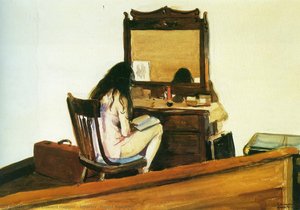
Das stille Licht der Seele: Edward Hoppers "Lighthouse Hill"
Edward Hopper’s “Lighthouse Hill,” painted in 1927, isn't merely a depiction of a coastal scene; it’s a profound meditation on solitude and the quiet dignity of American life. The painting immediately draws us into a world imbued with a palpable sense of introspection – a feeling that resonates deeply within the viewer long after the initial glance. Hopper, a master of capturing fleeting moments of human experience, expertly utilizes light and shadow to create an atmosphere both serene and subtly melancholic. The composition itself is deceptively simple: a solitary lighthouse perched atop a rolling hill, guarding against the vastness of the sea, with two modest houses nestled amongst the landscape below. Yet, within this apparent simplicity lies a complex tapestry of emotions and observations.
Die Technik und der Einfluss des Realismus
Hopper’s technique is characterized by a remarkable restraint – a deliberate avoidance of overt sentimentality or dramatic flourishes. He employs a precise, almost photographic realism, meticulously rendering the textures of the weathered stone of the lighthouse, the rough-hewn wood of the houses, and the subtle shifts in color across the sky. This commitment to detail isn’t about creating a perfect representation; rather, it serves to heighten our awareness of the scene's quiet details. The influence of William Merritt Chase, Hopper’s early instructor at the New York School of Art, is clearly evident in his focus on capturing light and atmosphere. However, Hopper transcends mere imitation, imbuing these techniques with a distinctly modern sensibility – a sensitivity to the alienation and isolation that were becoming increasingly prevalent in American society during this period.
Symbolik und die amerikanische Seele
The lighthouse itself is a potent symbol of guidance, resilience, and perhaps even loneliness. Standing sentinel against the elements, it represents a steadfast presence amidst uncertainty. The two houses, positioned on the hillside, suggest a sense of community, yet their distance from one another hints at an underlying isolation – a common theme in Hopper’s work. The vast expanse of the sky, rendered in shades of blue and grey, contributes to this feeling of openness and vulnerability. It's important to note that 1927 was a time of significant social and economic change in America; the rise of industrialization and urbanization were leading to a growing sense of displacement and anonymity. Hopper’s paintings often reflect these anxieties, offering a poignant glimpse into the lives of ordinary people grappling with the challenges of modernity.
Emotionale Wirkung und Interpretation
“Lighthouse Hill” evokes a powerful emotional response – a quiet contemplation of the beauty and melancholy inherent in the everyday. It’s not a painting that shouts for attention; instead, it invites us to pause, observe, and reflect. The muted palette, combined with Hopper's masterful use of light and shadow, creates an atmosphere of stillness and introspection. Many viewers interpret the scene as a metaphor for the human condition – a yearning for connection amidst isolation, a search for meaning in a seemingly indifferent world. The painting’s enduring appeal lies in its ability to tap into our deepest emotions and resonate with our own experiences of solitude and longing. It is a testament to Hopper's skill as an artist and his profound understanding of the human psyche.
OriginalUniqueArt Reproduktionen: Authentische Qualität
OriginalUniqueArt bietet hochwertige, handgemalte Reproduktionen von Edward Hoppers “Lighthouse Hill”. Wir verwenden ausschließlich die besten Materialien und Techniken, um sicherzustellen, dass Ihre Reproduktion den Originalkunstwerk so authentisch wie möglich darstellt. Ob als Wandbild für Ihr Wohnzimmer oder als einzigartige Ergänzung Ihrer Sammlung – eine OriginalUniqueArt-Reproduktion von "Lighthouse Hill" ist ein Ausdruck von Stil und Raffinesse. Kontaktieren Sie uns noch heute, um Ihre individuelle Größe und Druckoptionen zu besprechen.
Fragen & Antworten
In welcher Größe wird empfohlen, "Fähnrichberg" zu drucken?
Für "Fähnrichberg" von Edward Hopper wird eine Reproduktion im Format Format empfohlen. Die Größe kann angepasst werden, wobei die Proportionen erhalten bleiben.
Welches Format hat "Fähnrichberg"?
"Fähnrichberg" von Edward Hopper hat ein Querformat-Format. Das Format beschreibt die Proportionen der Komposition.
Wer hat "Fähnrichberg" geschaffen und in welchem Stil ist es gehalten?
Edward Hopper schuf „Fähnrichberg“ im Rahmen der Contemporary Realism-Bewegung.
Biografie des Künstlers
**frühes Leben und Einflüsse**
Edward Hopper, ein bedeutender amerikanischer Realist-Maler und Grafiker, wurde am 22. Juli 1882 in Upper Nyack, New York, geboren. Seine Familie, von hauptsächlich niederländischer Abstammung, bot eine komfortable Erziehung, die es Hopper ermöglichte, seine künstlerischen Neigungen schon im frühen Alter zu verfolgen. - **Inspirationen:** Hoppers Werk wurde von den Schriften von Ralph Waldo Emerson und den französischen Impressionisten-Meistern Édouard Manet und Edgar Degas beeinflusst. - **Frühzeitige Ausbildung:** Er begann mit Kunststudien durch einen Korrespondenzkurs im Jahr 1899, wechselte später an die New York School of Art and Design.**Künstlerischer Stil und Themen**
Edward Hopper's sparsame und präzise Darstellungen spiegelten seine persönliche Vision des modernen amerikanischen Lebens wider. Sein Werk lässt sich durch folgende Merkmale charakterisieren: - **Städtische und ländliche Szenen:** Beide Umgebungen wurden mit einer einzigartigen Mischung aus Realismus und emotionaler Tiefe dargestellt. - **Beleuchtung:** Eine Meisterschaft der Beleuchtung, oft eingesetzt, um Gefühle von Isolation oder Kontemplation hervorzurufen. - **Figuren:** Oft ohne Gesicht oder im Hintergrund platziert, wodurch die Umgebung gegenüber den Figuren betont wird.**Bekannte Werke und ihre Bedeutung**
- House by the Railroad (Museum of Modern Art, New York, United States), ein Beispiel für Hoppers Fähigkeit, durch eine einfache, aber wirkungsvolle Komposition einen Hauch von Melancholie hervorzurufen. - Reclining Nude (50 x 35 cm, New Realism, Watercolour), das seine Vielseitigkeit bei der Darstellung des menschlichen Körpers demonstriert.**Vermächtnis und Einfluss**
- **Einfluss auf zukünftige Künstler:** Hoppers einzigartiger Stil hat zahlreiche Künstler beeinflusst, darunter Pierre Sanford Ross, der für seine städtischen und ländlichen Szenen bekannt ist. - **dauernde Beliebtheit:** Seine Werke fesseln weiterhin das Publikum mit ihren zeitlosen Themen von Einsamkeit und dem menschlichen Dasein.**Erfahren Sie mehr bei OriginalUniqueArt**
- [https://OriginalUniqueArt.com/@/edward-hopper](Edward Hoppers Werke) - /de/art/show/art-8xyffg-de/Kaufen Sie Kunst inspiriert von den Meistern)- Erkunden Sie die Welt der Kunst mit der umfangreichen Kollektion von OriginalUniqueArt.
- Entdecken Sie, wie Hoppers Vermächtnis weiterhin Künstler und Kunstliebhaber inspiriert.
**Referenzen**
- [https://OriginalUniqueArt.com/@/edward-hopper](Wikipedia: Edward Hopper) - [https://en.wikipedia.org/wiki/edward_hopper](Wikipedia: Edward Hoppers Biografie)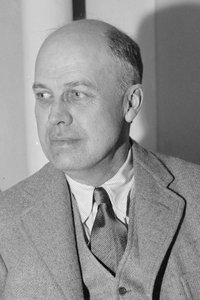
Edward Hopper
1931 - 1967 , Vereinigte Staaten von Amerika
Eckdaten zum Künstler
- Beeinflusste Künstler: ['Pierre Sanford Ross']
- Bemerkenswerte Werke:
- House by the Railroad
- Nighthawks
- Gas
- Chop Suey
- Sommertime
- Einflüsse:
- Ralph Waldo Emerson
- Édouard Manet
- Edgar Degas
- Geburtsdatum: 22. Juli 1882
- Geburtsort: Upper Nyack, USA
- Künstlerischer Stil: Amerikanischer Realismus
- Nationalität: Amerikanisch
- Sterbedatum: 1967
- Vollständiger Name: Edward Hopper
Verwandte Artikel

Grant Wood und der amerikanische Regionalismus: Identität, Mythos und die ländliche Landschaft
Entdecken Sie Grant Wood und den amerikanischen Regionalismus! Erfahren Sie mehr über 'American Gothic', Woods Leben, Einflüsse und sein Vermächtnis in der Kunstgeschichte. Expertenwissen & hochwertige Reproduktionen.
Edward Lear: Jenseits der Nonsens-Verse – Landschaft, Illustration und die Poetik der Isolation
Entdecken Sie das vielschichtige Werk Edward Lear's – jenseits der Nonsens-Verse! Analysieren Sie mit uns seine Landschaftsmalerei, Illustrationen und die Poetik der Isolation im viktorianischen Kontext. Expertenwissen & tiefe Einblicke.

Amerikanischer Realismus: Die 10 Meisterwerke, die eine Ära prägten | OriginalUniqueArt
Entdecken Sie die 10 Meisterwerke des Amerikanischen Realismus! Von Edward Hopper bis Winslow Homer – erleben Sie die Geschichten, Techniken & zeitlose Schönheit. Hochwertige Kunstdrucke auf OriginalUniqueArt.com.
Edward Hopper: Die 25 Meisterwerke des amerikanischen Realismus | OriginalUniqueArt
Entdecken Sie die 25 Meisterwerke von Edward Hopper! Tauchen Sie ein in amerikanische Kunst, Realismus & Isolation. Hochwertige Reproduktionen & Inspiration für Ihr Zuhause bei OriginalUniqueArt.com.

Evocations of Place: A Historical Journey Through Landscape Art
Explore the rich history of landscape art with OriginalUniqueArt. Discover renowned artists, movements like Impressionism & Romanticism, and expert guidance for collecting timeless pieces. Find your perfect serene escape today!