In echtem Maßstab anzeigen
 Versenden als Grußkarte
 Teilen
 Details anzeigen
 Leitfaden öffnen

 Herunterladen
 Ähnliche Objekte
 Röntgenaufnahme
 Diashow
 Besucherstatistiken
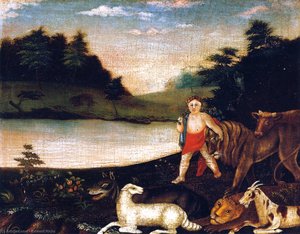
Peaceable Kingdom


 Mehr anzeigen
Giclée / Kunstdruck
Giclée- oder Leinwanddruck in Museumsqualität mit schneller Produktion und flexiblen Veredelungsoptionen. ( Handgemalte Reproduktion kaufen Zum digitalen Bild wechseln)




P118B €10

P118H €10

P118W €10

P438Z €10

P508JH €12

P508YH €12

P805H €10

P805Z €10

P919BZ €10

P919G €10

P919XJ €10

P959ZH €10

P968JZ €12

W106C €8

W218G €10

W218JH €8

W218Y €10

W307PJ €10

W316G €10

W316PJ €8

W316Y €10

W398PJ €8

W4111J €10

W500HY €15

W500JH €15

W692G €12

W849H €8

W940BG €15

W953PJ €8




Wählen Sie aus unseren vordefinierten Formaten, die den ursprünglichen Proportionen des Kunstwerks entsprechen.

Geben Sie die Breite und die Höhe an, die Sie benötigen, damit der Druck perfekt in Ihren Rahmen oder an Ihre Wand passt. Ein Druck kann nur beschnitten werden und niemals größer als das Originalbild gemacht werden; daher verliert ein Format mit einer anderen Proportion einen Teil des Bildes. Wir senden Ihnen ein digitales Mockup zur Freigabe, bevor wir den Druck ausführen. Das auf dieser Seite gezeigte Bild zeigt nicht den tatsächlichen Beschnitt – dies ist nur im Mockup ersichtlich.
Weltweiter Versand () innerhalb von 2 Wochen statt der üblichen 4/5 Wochen. (21 Oktober)

Kostenloser weltweiter Expressversand

Hochwertige Leinenleinwand

Vollständiger Versicherungsschutz beim Versand

Zollgebühren-Rückerstattungsgarantie

Garantie für exakte Farbtreue

100-tägiges Rückgaberecht (nur bei Mängeln)

100% Geld-zurück-Garantie

Angebot für Mengenrabatt
 Die Glasoption ist nur für Größen unter 110 cm verfügbar.

Peaceable Kingdom
Giclée / Kunstdruck
Format der Reproduktion
-


Gesamtpreis
€ 70
The Serene Vision of Peaceable Kingdom
Edward Hicks’s “Peaceable Kingdom” – painted in 1832 – isn't merely a pastoral scene; it’s a profound meditation on Quaker faith, the harmony between humanity and nature, and the enduring promise of a better world. This iconic work, now housed within the collection of the Smithsonian American Art Museum, transcends its simple depiction of animals grazing in a verdant field to become a powerful symbol of utopian ideals and spiritual aspiration. Hicks, a devout Quaker himself, imbued this painting with his deeply held beliefs, transforming a commonplace landscape into a vibrant tableau of peace and fellowship.
The scene unfolds within a rolling hillside bathed in the soft glow of an afternoon sun. Cows, sheep, goats, and horses – rendered with meticulous detail and a remarkable sense of warmth – mingle peacefully amongst themselves. A small group of figures, recognizable as Quakers, are present, not as observers but as active participants in this idyllic community. A boat rests gently on a nearby stream, hinting at journeys undertaken and destinations yet to be discovered. The composition is carefully balanced, creating a feeling of stability and contentment – a visual representation of the Quaker belief in a world governed by reason and compassion.
A Painter’s Technique: Hicks's Distinctive Style
Hicks was renowned for his distinctive style, often described as “Pennsylvania Dutch.” He employed a technique known as "grisaille," working primarily in shades of gray before adding color. This approach allowed him to establish the forms and values of the scene with precision before introducing vibrant hues. His brushwork is remarkably smooth and detailed, particularly evident in the rendering of the animals’ coats and the textures of the foliage. He utilized a glazing technique – applying thin layers of translucent paint over dried underlayers – to build up depth and luminosity, creating an almost ethereal quality within the painting.
Notably, Hicks's use of color is deliberately restrained, favoring muted greens, browns, and blues. This palette contributes to the overall sense of tranquility and reinforces the painting’s spiritual message. He avoided dramatic contrasts or overly bright colors, opting instead for a harmonious blend that evokes a feeling of quiet reverence. The subtle variations in tone create a remarkable sense of depth and atmosphere, drawing the viewer into this peaceful world.
Symbolism and Quaker Ideals
“Peaceable Kingdom” is rich with symbolic meaning, deeply rooted in Quaker theology. The animals themselves represent different aspects of God’s creation – cows symbolizing abundance, sheep representing innocence, goats embodying resilience, and horses signifying strength. The presence of the Quakers underscores the importance of community, social justice, and peaceful living—core tenets of the Quaker faith. The boat symbolizes journeys both literal and metaphorical, suggesting a quest for spiritual enlightenment and a commitment to spreading peace and goodwill.
Furthermore, the painting reflects Hicks’s belief in the “Inner Light,” the inherent goodness within each individual. The harmonious interaction between humans and animals suggests that this light can be cultivated through virtuous living and a connection with nature. The idyllic setting represents a vision of utopia – a world where conflict is resolved through reason and compassion, and where all beings coexist in harmony.
A Legacy of Peace: Reproduction and Inspiration
“Peaceable Kingdom” has resonated deeply throughout American art history and continues to inspire viewers today. Its enduring appeal lies not only in its beautiful depiction of a pastoral scene but also in its profound message of hope and peace. Reproductions, such as those offered by OriginalUniqueArt.com, allow this timeless masterpiece to be enjoyed in homes and galleries worldwide. When selecting a reproduction, consider the quality of materials used – a faithful rendering will capture the subtle nuances of Hicks’s original technique and ensure that the painting's serene beauty is preserved for generations to come.
Fragen & Antworten
Welche Druckgröße von "Peaceable Kingdom" von Edward Hicks passt in den empfohlenen Raum?
Für einen Living Room wird für „Peaceable Kingdom“ ein Druckformat von Large empfohlen.
Ist "Peaceable Kingdom" von Edward Hicks gemeinfrei?
Was das Urheberrecht betrifft, so ist "Peaceable Kingdom" gemeinfrei – das Urheberrecht ist abgelaufen.
Wer hat "Peaceable Kingdom" geschaffen und in welchem Stil ist es gehalten?
Edward Hicks schuf „Peaceable Kingdom“ im Rahmen der Quaker Folk Art-Bewegung.
Biografie des Künstlers
Frühes Leben und Hintergrund
- Geboren: 4. April 1780 in Attleboro (heute Langhorne), Bucks County, Pennsylvania
- Gestorben: 23. August 1849
- Seine Eltern waren Anglikaner, aber er wurde von Matron Elizabeth Twining, einer Quäkerin, aufgezogen. Dies führte ihn schon in jungen Jahren an die quakerischen Glaubensvorstellungen heran.
- Im Alter von dreizehn Jahren begann er eine Lehre bei den Karrenbauern William und Henry Tomlinson und lernte dort Karrenmaltechniken.
- Er verließ die Firma im Jahr 1800, um als unabhängiger Haus- und Karrenmaler zu arbeiten.
Quäkerisches Wirken und künstlerische Entwicklung
- Er wurde 1803 in die Religious Society of Friends aufgenommen und begann regelmäßig an Quäkerversammlungen teilzunehmen.
- Er heiratete Sarah Worstall, ebenfalls eine Quäkerin, und wurde im ganzen Philadelphia ein reisender Prediger.
- Um seine Familie zu unterstützen, erweiterte er seine Malerei um Haushaltsgegenstände, landwirtschaftliche Geräte und Wirtshausschilder.
- Er gab 1815 aufgrund finanzieller Schwierigkeiten kurzzeitig die Zierdekorationsmalerei auf, nahm sie aber 1816 wieder auf.
Künstlerischer Stil und Hauptwerke
- Autodidakt: Hicks war weitgehend autodidaktisch tätig und entwickelte einen einzigartigen Folk-Art-Stil.
- Quäkerische Einflüsse: Seine Arbeit spiegelte die quäkerischen Glaubensvorstellungen vom "Inneren Licht" wider, wobei er persönliche spirituelle Erfahrungen betonte. Dies zeigt sich in seinen einfachen Kompositionen und seinem Fokus auf die Natur.
- Die Friedensreich-Serie: Seine berühmteste Serie umfasst 62 Versionen und stellt eine Vision der Harmonie zwischen Mensch und Tier dar, die Frieden und Koexistenz symbolisiert.
- Bemerkenswerte Gemälde:
- Friedensreich (31) – Beherbergt in der Yale University Art Gallery
- Niagarafälle – Beherbergt im Abby Aldrich Rockefeller Folk Art Center
- George Washington mit seiner Armee, die den Delaware überquert – Ebenfalls beherbergt im Abby Aldrich Rockefeller Folk Art Center
- Friedensreich (34) - Stellt in einem ruhigen Ölgemälde Noahs Arche dar.
- Grab von William Penn in Jordans, England - Eine Darstellung ländlicher englischer Szenerie, die das quäkerische Erbe zeigt.
Vermächtnis und historische Bedeutung
- Folk-Art-Ikone: Edward Hicks gilt als bedeutende Figur der amerikanischen Folk Art, bekannt für seinen unverwechselbaren Stil und seine wiederkehrenden Themen.
- Darstellung quäkerischer Werte: Seine Gemälde geben wertvolle Einblicke in die Glaubensvorstellungen und Werte der Religious Society of Friends im 19. Jahrhundert.
- Einzigartige künstlerische Vision: Hicks verband religiösen Glauben mit künstlerischem Ausdruck und schuf ein Werk, das sowohl optisch ansprechend als auch spirituell bedeutsam ist.
- Fortwährende Wertschätzung: Seine Werke werden in wichtigen Museen ausgestellt und werden weiterhin für ihre historische und künstlerische Bedeutung studiert und geschätzt.

Edward Hicks
1780 - 1849 , Vereinigte Staaten von Amerika
Eckdaten zum Künstler
- Artistic Movement Or Style: Volkskunst
- Date Of Birth: 4. April 1780
- Date Of Death: 23. August 1849
- Full Name: Edward Hicks
- Nationality: Amerikanisch
- Notable Artworks:
- Peaceable Kingdom (31)
- Falls of Niagara
- George Washington Crossing Delaware
- Peaceable Kingdom (34)
- Grave of William Penn
- Place Of Birth (City And Country): Attleboro, USA
Verwandte Artikel

Edward Hicks’ ‘Peaceable Kingdom’: American Folk Art & the Shaping of a National Identity
Explore the profound symbolism & historical context of Edward Hicks’ ‘Peaceable Kingdom.’ Discover how this iconic American folk art masterpiece reflects Quaker values and shaped a nation's identity. Learn more at OriginalUniqueArt.
Idyllic Visions: Exploring the Pastoral Tradition in Western Art – Themes, Techniques & Enduring Appeal
Explore the rich history of pastoral art from classical Arcadia to contemporary interpretations. Discover key artists, themes & collecting tips at OriginalUniqueArt.
Edward Hopper: Die 25 Meisterwerke des amerikanischen Realismus | OriginalUniqueArt
Entdecken Sie die 25 Meisterwerke von Edward Hopper! Tauchen Sie ein in amerikanische Kunst, Realismus & Isolation. Hochwertige Reproduktionen & Inspiration für Ihr Zuhause bei OriginalUniqueArt.com.

Grant Wood und der amerikanische Regionalismus: Identität, Mythos und die ländliche Landschaft
Entdecken Sie Grant Wood und den amerikanischen Regionalismus! Erfahren Sie mehr über 'American Gothic', Woods Leben, Einflüsse und sein Vermächtnis in der Kunstgeschichte. Expertenwissen & hochwertige Reproduktionen.

Amerikanischer Realismus: Die 10 Meisterwerke, die eine Ära prägten | OriginalUniqueArt
Entdecken Sie die 10 Meisterwerke des Amerikanischen Realismus! Von Edward Hopper bis Winslow Homer – erleben Sie die Geschichten, Techniken & zeitlose Schönheit. Hochwertige Kunstdrucke auf OriginalUniqueArt.com.