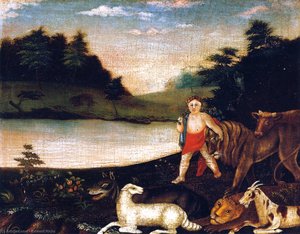
In echtem Maßstab anzeigen
 Versenden als Grußkarte
 Teilen
 Details anzeigen
 Leitfaden öffnen

 Herunterladen
 Ähnliche Objekte
 Röntgenaufnahme
 Diashow
 Besucherstatistiken
Peaceable Kingdom (30)


 Mehr anzeigen
Handgefertigte Ölreproduktion
Handgemaltes Ölgemälde auf Leinwand in Ihrer Wunschgröße und mit Rahmen, auf Bestellung von unseren Künstlern angefertigt. ( Zum Druck wechseln Zum digitalen Bild wechseln)




P118B €10

P118H €10

P118W €10

P438Z €10

P508JH €12

P508YH €12

P805H €10

P805Z €10

P919BZ €10

P919G €10

P919XJ €10

P959ZH €10

P968JZ €12

W106C €8

W218G €10

W218JH €8

W218Y €10

W307PJ €10

W316G €10

W316PJ €8

W316Y €10

W398PJ €8

W4111J €10

W500HY €15

W500JH €15

W692G €12

W849H €8

W940BG €15

W953PJ €8




Wählen Sie aus unseren vordefinierten Formaten, die den ursprünglichen Proportionen des Kunstwerks entsprechen.

Geben Sie die Breite und die Höhe an, die Sie für Ihren Rahmen oder Ihre Wand benötigen. Da dieses Werk handgemalt ist, kann der Künstler bei einer anderen Form etwas mehr um das Bild herum malen oder etwas abschneiden – Sie entscheiden. Wir senden Ihnen ein digitales Mockup zur Freigabe, bevor mit dem Malen begonnen wird. Das auf dieser Seite gezeigte Bild stellt nicht das tatsächliche Ergebnis dar – dies tut nur das Mockup.
Nach der Bestellung wird das OriginalUniqueArt.com-Team dem Kunden Anweisungen per E-Mail zusenden und eine Mockup-Vorschau bereitstellen.
Weltweiter Versand () in nur 3 bis 4 Wochen statt der üblichen 5 Wochen. (21 Oktober). Keine Kompromisse bei der Qualität.

Kostenloser weltweiter Expressversand

Hochwertige Leinenleinwand

Vollständiger Versicherungsschutz beim Versand

Zollgebühren-Rückerstattungsgarantie

Garantie für exakte Farbtreue

100-tägiges Rückgaberecht (nur bei Mängeln)

100% Geld-zurück-Garantie

Angebot für Mengenrabatt
 Die Glasoption ist nur für Größen unter 110 cm verfügbar.

Peaceable Kingdom (30)
Reproduktionsmedium
Format der Reproduktion
-


Gesamtpreis
€ 262
A Testament to Divine Harmony: Exploring Edward Hicks' Peaceable Kingdom
To gaze upon Edward Hicks’ depiction of the Peaceable Kingdom is to step across the threshold of narrative art and into a realm of profound, almost palpable serenity. This painting, rooted in the biblical epic of Noah’s Ark, transcends mere illustration; it functions as a visual sermon on coexistence. The composition itself is breathtaking in its scope, gathering an impossible menagerie—lions sharing space with gentle sheep, tigers mingling near placid cows—all contained within the symbolic vessel of the ark. Hicks masterfully captures not just the animals, but the very spirit of their improbable union, suggesting that even amidst global upheaval, a fundamental harmony awaits those who embrace peace.
The Hand of Faith: Technique and Artistic Vision
Edward Hicks’ technique is inseparable from his deeply held Quaker faith. While he initially trained in the meticulous craft of decorative painting, his mature style blossomed into something uniquely spiritual. The application of paint here speaks to a devotional sincerity; it is rich, narrative, and imbued with an accessible warmth that invites the viewer close. One can almost feel the texture beneath the brushstrokes as Hicks rendered the varied coats of fur and the solemn expressions of humanity. His approach eschews high academic drama for something more immediate and heartfelt—a visual language built on simple truths and profound emotional resonance.
Symbolism Woven into the Depths
The symbolism within this work is multilayered, inviting contemplation from every corner. The ark itself represents salvation and a new beginning, while the gathering of disparate species speaks directly to the Quaker ideal of universal brotherhood. It is a powerful meditation on tolerance and mutual respect. The inclusion of humanity alongside the beasts suggests that our role in this grand narrative is not one of dominion, but of stewardship—a gentle guardianship over the fragile tapestry of life. For the modern collector or designer, this piece offers more than decoration; it offers a philosophical anchor for any space.
Bringing Tranquility Home: Decorating with Narrative Depth
For those seeking to infuse a room with an atmosphere of calm contemplation, reproductions of Hicks’ work are unparalleled treasures. Imagine the gentle narrative unfolding on your wall, transforming a mere gallery into a sanctuary. The rich historical context—a piece from 1829—lends it an air of enduring legacy, while its subject matter remains eternally relevant. Whether placed in a formal drawing-room to inspire thoughtful conversation or in a quiet study corner for personal reflection, the Peaceable Kingdom serves as a constant, beautiful reminder that unity is not merely possible, but divinely ordained.
Fragen & Antworten
Kann ich "Peaceable Kingdom (30)" genauer untersuchen?
Die Röntgenaufnahme-Seite von "Peaceable Kingdom (30)" von Edward Hicks ist ein interaktiver Viewer, der es Ihnen ermöglicht, durch elf optische Schichten des Kunstwerks zu gleiten, einschließlich einer Ansicht im Röntgenstil.
Welche Größe wird für "Peaceable Kingdom (30)" in einem Living Room empfohlen?
Für einen Living Room wird für „Peaceable Kingdom (30)“ ein Druckformat von Medium empfohlen.
Wer ist der Urheber von "Peaceable Kingdom (30)" und aus welchem Jahr stammt das Werk?
"Peaceable Kingdom (30)" wurde von Edward Hicks im Jahr 1829 geschaffen.
Biografie des Künstlers
Frühes Leben und Hintergrund
- Geboren: 4. April 1780 in Attleboro (heute Langhorne), Bucks County, Pennsylvania
- Gestorben: 23. August 1849
- Seine Eltern waren Anglikaner, aber er wurde von Matron Elizabeth Twining, einer Quäkerin, aufgezogen. Dies führte ihn schon in jungen Jahren an die quakerischen Glaubensvorstellungen heran.
- Im Alter von dreizehn Jahren begann er eine Lehre bei den Karrenbauern William und Henry Tomlinson und lernte dort Karrenmaltechniken.
- Er verließ die Firma im Jahr 1800, um als unabhängiger Haus- und Karrenmaler zu arbeiten.
Quäkerisches Wirken und künstlerische Entwicklung
- Er wurde 1803 in die Religious Society of Friends aufgenommen und begann regelmäßig an Quäkerversammlungen teilzunehmen.
- Er heiratete Sarah Worstall, ebenfalls eine Quäkerin, und wurde im ganzen Philadelphia ein reisender Prediger.
- Um seine Familie zu unterstützen, erweiterte er seine Malerei um Haushaltsgegenstände, landwirtschaftliche Geräte und Wirtshausschilder.
- Er gab 1815 aufgrund finanzieller Schwierigkeiten kurzzeitig die Zierdekorationsmalerei auf, nahm sie aber 1816 wieder auf.
Künstlerischer Stil und Hauptwerke
- Autodidakt: Hicks war weitgehend autodidaktisch tätig und entwickelte einen einzigartigen Folk-Art-Stil.
- Quäkerische Einflüsse: Seine Arbeit spiegelte die quäkerischen Glaubensvorstellungen vom "Inneren Licht" wider, wobei er persönliche spirituelle Erfahrungen betonte. Dies zeigt sich in seinen einfachen Kompositionen und seinem Fokus auf die Natur.
- Die Friedensreich-Serie: Seine berühmteste Serie umfasst 62 Versionen und stellt eine Vision der Harmonie zwischen Mensch und Tier dar, die Frieden und Koexistenz symbolisiert.
- Bemerkenswerte Gemälde:
- Friedensreich (31) – Beherbergt in der Yale University Art Gallery
- Niagarafälle – Beherbergt im Abby Aldrich Rockefeller Folk Art Center
- George Washington mit seiner Armee, die den Delaware überquert – Ebenfalls beherbergt im Abby Aldrich Rockefeller Folk Art Center
- Friedensreich (34) - Stellt in einem ruhigen Ölgemälde Noahs Arche dar.
- Grab von William Penn in Jordans, England - Eine Darstellung ländlicher englischer Szenerie, die das quäkerische Erbe zeigt.
Vermächtnis und historische Bedeutung
- Folk-Art-Ikone: Edward Hicks gilt als bedeutende Figur der amerikanischen Folk Art, bekannt für seinen unverwechselbaren Stil und seine wiederkehrenden Themen.
- Darstellung quäkerischer Werte: Seine Gemälde geben wertvolle Einblicke in die Glaubensvorstellungen und Werte der Religious Society of Friends im 19. Jahrhundert.
- Einzigartige künstlerische Vision: Hicks verband religiösen Glauben mit künstlerischem Ausdruck und schuf ein Werk, das sowohl optisch ansprechend als auch spirituell bedeutsam ist.
- Fortwährende Wertschätzung: Seine Werke werden in wichtigen Museen ausgestellt und werden weiterhin für ihre historische und künstlerische Bedeutung studiert und geschätzt.

Edward Hicks
1780 - 1849 , Vereinigte Staaten von Amerika
Eckdaten zum Künstler
- Artistic Movement Or Style: Volkskunst
- Date Of Birth: 4. April 1780
- Date Of Death: 23. August 1849
- Full Name: Edward Hicks
- Nationality: Amerikanisch
- Notable Artworks:
- Peaceable Kingdom (31)
- Falls of Niagara
- George Washington Crossing Delaware
- Peaceable Kingdom (34)
- Grave of William Penn
- Place Of Birth (City And Country): Attleboro, USA
Verwandte Artikel
Edward Hopper: Die 25 Meisterwerke des amerikanischen Realismus | OriginalUniqueArt
Entdecken Sie die 25 Meisterwerke von Edward Hopper! Tauchen Sie ein in amerikanische Kunst, Realismus & Isolation. Hochwertige Reproduktionen & Inspiration für Ihr Zuhause bei OriginalUniqueArt.com.
The Soul of Tradition: Exploring the Vibrant Heritage and Naive Mastery of Global Folk Art
Discover the profound beauty of folk art through a cultural lens. Explore how naive masterpieces and vibrant global traditions preserve heritage, offering timeless inspiration for collectors and art enthusiasts seeking authenticity and soul in every brushstroke.
The Heart of Folk Art: Discover the Beauty of Tradition and Storytelling
Explore the profound beauty of folk art through its rich history and storytelling traditions. Discover how Naive Art and cultural heritage preserve ancestral narratives through vibrant color and symbolism for the modern collector.

Edward Hicks’ ‘Peaceable Kingdom’: American Folk Art & the Shaping of a National Identity
Explore the profound symbolism & historical context of Edward Hicks’ ‘Peaceable Kingdom.’ Discover how this iconic American folk art masterpiece reflects Quaker values and shaped a nation's identity. Learn more at OriginalUniqueArt.
Echoes of Tradition: Exploring the Enduring Legacy of Folk Art Movements
Explore the rich history of folk art movements worldwide! Discover definitions, notable artists, and the enduring legacy of this captivating tradition. Expert insights & high-quality reproductions at OriginalUniqueArt.