 In echtem Maßstab anzeigen
 Versenden
 Teilen
 Details anzeigen

 Herunterladen
 Ähnliche Objekte
 Röntgenaufnahme
 Diashow starten
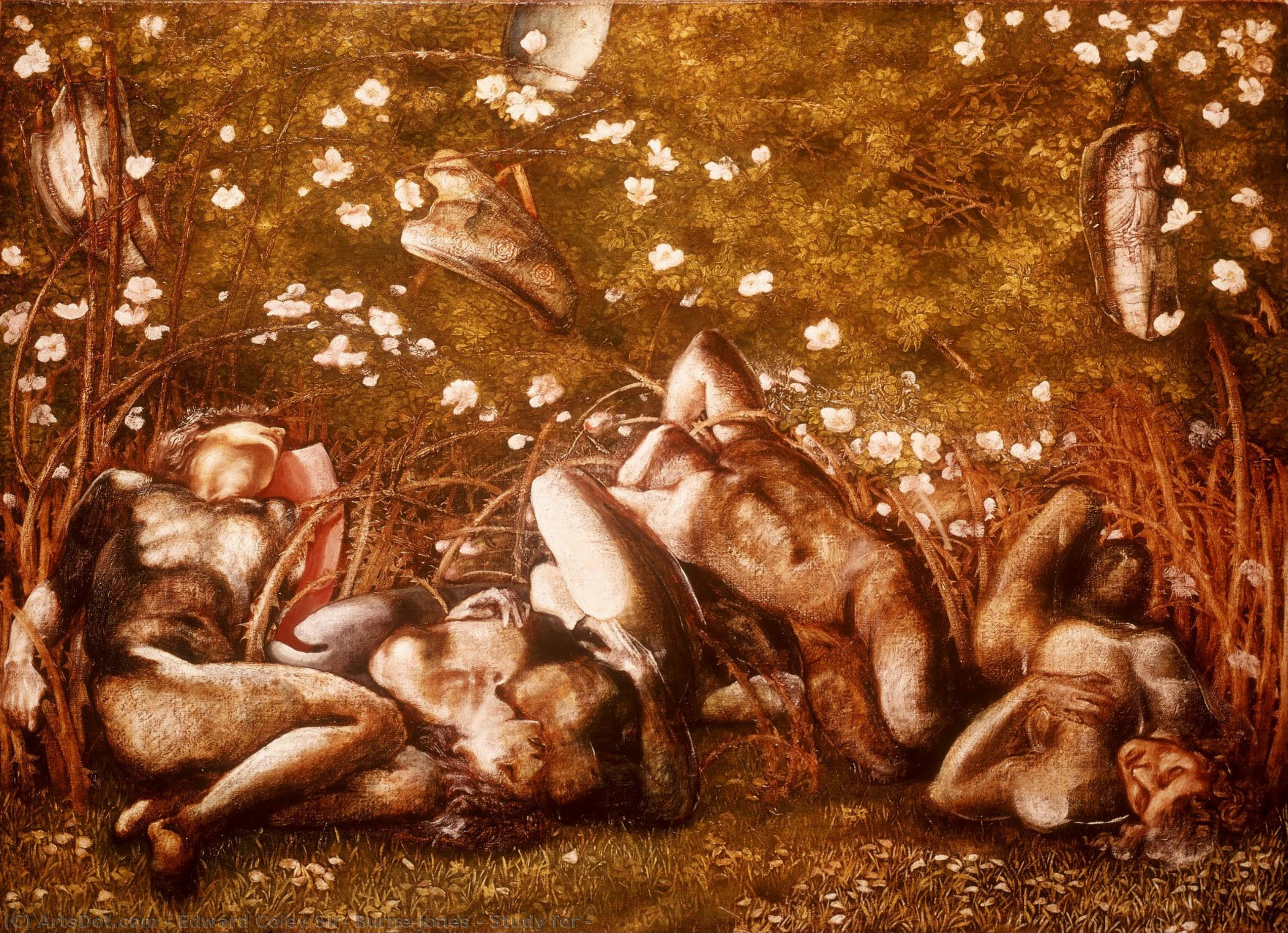
Study for
 Öl auf Leinwand
- Wandkunst
- Pre-Raphaelite Brotherhood
 1870
1870- 19. Jahrhundert
 813.0 x 588.0 cm
 Walker Art Gallery
 Mehr anzeigen
Giclée / Kunstdruck
Giclée- oder Leinwanddruck in Museumsqualität mit schneller Produktion und flexiblen Veredelungsoptionen. ( Zur handgemalten Reproduktion wechseln Zum Bild wechseln)




P118B $10

P118H $10

P118W $10

P438Z $10

P508JH $12

P508YH $12

P805H $10

P805Z $10

P919BZ $10

P919G $10

P919XJ $10

P959ZH $10

P968JZ $12

W106C $8

W218G $10

W218JH $8

W218Y $10

W307PJ $10

W316G $10

W316PJ $8

W316Y $10

W398PJ $8

W4111J $10

W500HY $15

W500JH $15

W692G $12

W849H $8

W940BG $15

W953PJ $8




Wählen Sie aus unseren vordefinierten Formaten, die den ursprünglichen Proportionen des Kunstwerks entsprechen.

Sie können Ihre eigenen Maße eingeben, um ein bestimmtes Format oder einen speziellen Platz einzupassen. Wenn das von Ihnen gewählte Format nicht den Proportionen des Originalbildes entspricht, werden wir das Kunstwerk entweder beschneiden oder das Bild mit einem gespiegelten oder einfarbigen Rand erweitern. Ein digitaler Entwurf wird Ihnen zur Genehmigung zugesandt, bevor die Produktion beginnt.
Bitte beachten Sie, dass die Vorschau auf dem Bildschirm nicht den tatsächlichen Zuschnitt oder die Erweiterung widerspiegelt. Nur der Entwurf zeigt die endgültige Komposition präzise an.
Obwohl Sondermaße verfügbar sind, empfehlen wir die Auswahl eines Maßes aus der vordefinierten Liste, um die ursprünglichen Proportionen zu bewahren.
Weltweiter Versand () innerhalb von 2 Wochen statt der üblichen 4/5 Wochen. (6 August)

Kostenloser weltweiter Expressversand

Hochwertige Leinenleinwand

Vollumfänglicher Versicherungsschutz beim Versand

Zollgebühren-Rückerstattungsgarantie

Garantie für exakte Farbtreue

60 Tage Rückgaberecht (nur bei Mängeln)

100% Geld-zurück-Garantie

Angebot für Mengenrabatt
 Die Glasoption ist nur in Größen unter 110 cm verfügbar.

Study for
Giclée / Kunstdruck
Format der Reproduktion
-


Gesamtpreis
$ 80
Objektbeschreibung
A Vision of Myth and Beauty: Edward Burne-Jones’s “Study for The Sirens”
Edward Coley Burne-Jones, a pivotal figure bridging the romantic currents of the Pre-Raphaelite Brotherhood with the burgeoning aesthetic sensibilities of late Victorian England, possessed an extraordinary ability to conjure worlds both fantastical and deeply human. His art wasn't merely decorative; it was a deliberate exploration of myth, symbolism, and the very essence of beauty. Among his most captivating works is this exquisite “Study for The Sirens,” a preparatory drawing that offers a tantalizing glimpse into the genesis of a monumental painting—a testament to Burne-Jones’s meticulous process and profound artistic vision. This particular study, recently rediscovered and now held within the Ringling Museum of Art in Sarasota, Florida, reveals not just a sketch but a carefully considered meditation on desire, temptation, and the alluring power of the unknown.
The drawing itself is executed with remarkable delicacy in black and red chalk, upon a sheet of high-quality paper. Burne-Jones’s hand moves with confident fluidity, capturing the subtle nuances of form and gesture with breathtaking precision. The composition—a partial view of two figures, a young man and a woman, seated on a grassy bank beside a stream—is deceptively simple yet brimming with latent drama. Notice the loose, expressive lines that define the contours of their bodies, suggesting both vulnerability and an underlying current of sensuality. The artist’s attention to detail is immediately apparent in the rendering of the foliage, the flowing water, and the delicate folds of fabric – elements that contribute significantly to the overall atmosphere of the piece.
Echoes of Mythology and Pre-Raphaelite Sensibilities
“The Sirens,” as Burne-Jones envisioned it, was deeply rooted in Greek mythology. The sirens were mythical creatures—often depicted as beautiful women whose enchanting songs lured sailors to their doom. However, Burne-Jones’s interpretation transcends the traditional cautionary tale. This study hints at a more complex narrative – one of irresistible attraction and the perilous allure of beauty. The figures are not presented as victims but as active participants in a scene of quiet contemplation, suggesting an awareness of the potential consequences of their encounter. The composition draws heavily on Pre-Raphaelite conventions: the emphasis on naturalism, the idealized portrayal of the human form, and the incorporation of classical motifs – all hallmarks of Burne-Jones’s distinctive style.
The influence of Dante Gabriel Rossetti is also palpable in this study. Like Rossetti, Burne-Jones was fascinated by medieval romance and folklore, and he frequently drew inspiration from Arthurian legends and other mythological tales. The use of rich colors, the dramatic lighting, and the evocative atmosphere all contribute to a sense of heightened emotion and psychological intensity – qualities that are characteristic of both artists’ work. The drawing's intimate scale further enhances its emotional impact, inviting the viewer to step into the scene and contemplate the unspoken desires and anxieties of the figures depicted.
A Window into the Artist’s Process
What makes this particular “Study for The Sirens” so compelling is that it offers a rare glimpse into Burne-Jones's creative process. It’s not a finished masterpiece but rather a preliminary sketch—a series of studies and drawings that he created as he developed his ideas for larger works. The drawing reveals the artist’s initial thoughts, experiments with composition, and adjustments to the figures’ poses and expressions. The fact that this particular study was previously misidentified as being by the circle of Augustus John adds an intriguing layer of historical complexity to its story.
Further research into Burne-Jones's work reveals a fascinating connection to the Institute for Advanced Study in Princeton, where scholars from across Europe sought refuge and intellectual stimulation during the tumultuous years following World War I. Burne-Jones’s own life was marked by both artistic triumph and personal tragedy – his marriage to Georgiana MacDonald ended in heartbreak after her death, and he struggled with bouts of depression throughout his career. Despite these challenges, he remained a prolific artist, producing some of the most enduring images of the Victorian era. The rediscovery of this “Study for The Sirens” serves as a poignant reminder of Burne-Jones’s extraordinary talent and his lasting contribution to the world of art.
A Timeless Appeal
“Study for The Sirens” is more than just a drawing; it's an invitation to lose oneself in a world of myth, beauty, and psychological depth. Its evocative atmosphere, masterful technique, and profound symbolism continue to resonate with viewers today. Whether you are an art collector seeking a rare and significant addition to your collection, or simply an admirer of Victorian art, this exquisite study offers a unique opportunity to connect with one of the most celebrated artists of the 19th century. Reproductions of this piece capture the essence of Burne-Jones’s vision, allowing you to bring its timeless beauty into your home or office.
Künstlerbiografie
Frühes Leben und Ausbildung
Edward Coley Burne-Jones, ein renommierter britischer Künstler und Designer, wurde am 28. August 1833 in Birmingham, im Vereinigten Königreich, geboren. Sein frühes Leben war geprägt vom Tod seiner Mutter, Elizabeth Coley Jones, sechs Tage nach seiner Geburt. Er wurde von seinem Vater, Edward Richard Jones, und der Familienvermieterin Ann Sampson aufgezogen. Burne-Jones besuchte ab 1844 die King Edward VI Grammar School und studierte später von 1848 bis 1852 an der Birmingham School of Art.Akademische Laufbahn und die Brotherhood
Burne-Jones widmete sich am Exeter College in Oxford der Theologie, wo er William Morris begegnete. Gemeinsam mit einer Gruppe von Freunden aus Birmingham, dem sogenannten "Birmingham Set", gründeten sie eine intime Gesellschaft namens "die Brotherhood". Diese Zeit war geprägt vom Einfluss John Russkins und Tennysons auf ihre Arbeit sowie Besuchen von Kirchen und der Verehrung des Mittelalters.Künstlerische Karriere und bemerkenswerte Werke
Burne-Jones' künstlerische Karriere blühte in verschiedenen Medien, darunter Malerei, Glasmalerei und dekorative Kunst, auf. Seine frühen Gemälde waren vom Stil Dante Gabriel Rossettis beeinflusst, doch er entwickelte bald seinen eigenen einzigartigen Stil. Zu seinen bemerkenswertesten Werken zählen:- The Beguiling of Merlin, das 1877 in der Grosvenor Gallery ausgestellt wurde und seinen Aufstieg zum Star der Ästhetischen Bewegung markierte.
- Glasmalereien in verschiedenen Kirchen, wie z.B. St. Philip's Cathedral in Birmingham und Holy Trinity Church in Sloane Square, Chelsea.
- Zusammenarbeiten mit William Morris an dekorativen Kunstwerken, einschließlich Designs für Morris, Marshall, Faulkner & Co.
Persönliches Leben und späte Jahre
Burne-Jones heiratete 1860 Georgiana "Georgie" Macdonald, mit der er drei Kinder hatte. Seine späteren Jahre waren von einer leidenschaftlichen Affäre mit seiner griechischen Modellin Maria Zambaco geprägt, die in ihrem Selbstmordversuch endete. Trotzdem blieb Burne-Jones bis zu seinem Tod am 17. Juni 1898 bei seiner Frau.Vermächtnis und Einfluss
Edward Coley Burne-Jones' Beiträge zur Präraffaelitenbewegung und seine innovativen Glasmalereien haben einen bleibenden Eindruck in der britischen Kunst hinterlassen. Sein Einfluss ist in verschiedenen Bereichen der dekorativen Kunst sichtbar, von Keramikfliesen bis hin zu Schmuck.- Erkunden Sie weitere Werke von Burne-Jones auf OriginalUniqueArt.com.
- Entdecken Sie die British Council Collection, mit bemerkenswerten Künstlern, in den Kunstsammlungen von OriginalUniqueArt.
Referenzen:
- wikipedia: edward burne-jones
- Wabot Kunstassistent von OriginalUniqueArt für Einblicke in Kunst und Künstler.

Edward Coley Burne-Jones
1833 - 1898 , Vereinigtes Königreich
Eckdaten zum Künstler
- Beeinflusste Künstler/Bewegungen:
- Dekorative Kunst
- Keramikfliesen, Schmuck
- Bemerkenswerte Werke:
- The Beguiling of Merlin
- Drei weibliche Figuren
- Fides
- Einflussreiche Künstler:
- Dante Gabriel Rossetti
- John Ruskin
- Tennyson
- Geburtsdatum: 28. August 1833
- Geburtsort: Birmingham, Vereinigtes Königreich
- Künstlerische Bewegung: Präraffaeliten, Ästhetizismus
- Nationalität: Britisch
- Todatum: 17. Juni 1898
- Vollständiger Name: Edward Coley Burne-Jones
Verwandte Artikel

Dante Gabriel Rossetti: Die 25 Meisterwerke des Präraffelitismus | OriginalUniqueArt
Entdecken Sie die 25 schönsten Gemälde von Dante Gabriel Rossetti! Tauchen Sie ein in die Welt der Präraffeliten, symbolistischer Kunst & viktorianischer Romantik. Hochwertige Reproduktionen für Ihr Zuhause – jetzt bei OriginalUniqueArt.com!
Edward Burne-Jones: Eine präraphaelitische Vision von Mythos, Symbolik und ästhetischem Idealismus
Entdecken Sie das faszinierende Werk von Edward Burne-Jones und die präraphaelitische Bewegung! Analysen, Hintergrundinformationen & hochwertige Reproduktionen bei OriginalUniqueArt.

The Pre-Raphaelite Brotherhood: Rediscovering Romanticism, Mythological Depth, and Vivid Detail in Victorian Art
Explore the breathtaking world of the Pre-Raphaelite Brotherhood. Discover how this movement redefined Victorian art through vivid detail, mythological depth, and romanticism. An expert guide for classic art enthusiasts seeking to rediscover these timeless masterpieces.

The Pre-Raphaelite Brotherhood: Rediscovering Beauty, Romance, and Medieval Magic in Victorian Art
Embark on a journey through the Pre-Raphaelite Brotherhood. Discover the romantic symbolism, medieval magic, and radical beauty of Rossetti and Burne-Jones in this expert exploration of Victorian art history.
The Pre-Raphaelite Brotherhood: A Rebellion of Beauty & Medieval Revival
Explore the captivating world of the Pre-Raphaelite Brotherhood! Discover their rebellion against academic art, iconic masterpieces, and lasting influence on Victorian aesthetics. Learn about Rossetti, Burne-Jones & more.