Vorschau anzeigen
 Versenden
 Teilen
 Details anzeigen
 Leitfaden

 Herunterladen
 Ähnliche Objekte
 Röntgenaufnahme
 Diashow
 Fragen & Antworten
 Statistiken
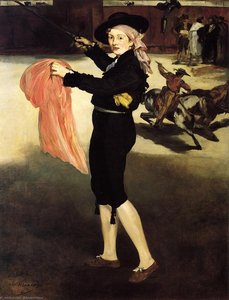
Portrait von Emile Zola

- 146.0 x 114.0 cm


 Weiterlesen
Giclée / Kunstdruck
Giclée- oder Leinwanddruck in Museumsqualität mit schneller Produktion und flexiblen Veredelungsoptionen. ( Handgemalte Reproduktion bestellen Zum digitalen Bild wechseln)




P118B €10

P118H €10

P118W €10

P438Z €10

P508JH €12

P508YH €12

P805H €10

P805Z €10

P919BZ €10

P919G €10

P919XJ €10

P959ZH €10

P968JZ €12

W106C €8

W218G €10

W218JH €8

W218Y €10

W307PJ €10

W316G €10

W316PJ €8

W316Y €10

W398PJ €8

W4111J €10

W500HY €15

W500JH €15

W692G €12

W849H €8

W940BG €15

W953PJ €8




Wählen Sie aus unseren vordefinierten Formaten, die den ursprünglichen Proportionen des Kunstwerks entsprechen.

Geben Sie die benötigte Breite und Höhe an, damit der Druck perfekt in Ihren Rahmen oder an Ihre Wand passt. Ein Druck kann nur beschnitten, aber niemals größer als das Originalbild angefertigt werden; daher verliert ein Format mit anderen Proportionen einen Teil des Bildes. Wir senden Ihnen ein digitales Mockup zur Freigabe, bevor wir den Druck ausführen. Das auf dieser Seite gezeigte Bild zeigt nicht den tatsächlichen Beschnitt – dies ist nur im Mockup ersichtlich.
Weltweiter Versand () innerhalb von 2 Wochen statt der üblichen 4/5 Wochen. (3 November)

Kostenloser weltweiter Expressversand

Hochwertige Leinenleinwand

Umfassender Versicherungsschutz beim Versand

Zollgebühren-Rückerstattungsgarantie

Garantie für exakte Farbtreue

100 Tage Rückgaberecht (nur bei Mängeln)

100% Geld-zurück-Garantie

Mengenrabatt verfügbar
 Die Glasoption ist nur für Größen unter 110 cm verfügbar.

Portrait von Emile Zola
Giclée / Kunstdruck
Format der Reproduktion
-


Endpreis
€ 72
Portrait of Emile Zola
Édouard Manet’s *Portrait of Emile Zola*, completed in 1868, stands as a pivotal moment in the artistic landscape of late nineteenth-century France—a testament to both stylistic innovation and intellectual engagement. More than just a likeness of the celebrated novelist, it embodies Manet's pioneering approach to depicting modern life and his masterful blending of realism with subtle symbolic gestures. Housed at the Musée d’Orsay in Paris, this oil on canvas painting continues to fascinate viewers with its understated elegance and profound contemplation of the human condition.The Artistic Context: Impressionism Takes Root
Manet's artistic trajectory was inextricably linked to the burgeoning movement of Impressionism. While he initially adhered to academic conventions—influenced by artists like Caravaggio and Diego Velázquez—he swiftly recognized the limitations of portraying reality through meticulous detail alone. Gustave Courbet’s uncompromising realism served as a catalyst, prompting Manet to explore new avenues for artistic expression. Artists such as Monet, Renoir, Sisley, Degas, and Cézanne were pushing boundaries, prioritizing fleeting impressions over precise representation—a radical departure from the prevailing aesthetic sensibilities of the time. Manet's early works, including *Portrait of Emile Zola* and *William Sisley*, foreshadowed this transformative shift, establishing him as a crucial bridge between Realism and Impressionism.Compositional Mastery: A Dialogue Between Figure and Background
The painting’s composition is deceptively simple yet remarkably sophisticated. Manet depicts Emile Zola seated in a chair with his legs crossed, absorbed in reading a book—a pose that conveys both intellectual curiosity and quiet introspection. However, the artist skillfully avoids portraying Zola as merely an individual; instead, he integrates him into a richly textured environment. Behind Zola is a monumental painting depicting Saint Sebastian, dominating the wall space and serving as a visual anchor for the scene. Two smaller paintings flank the central composition on the right side of the room, adding to the sense of depth and complexity. Scattered books contribute to the atmosphere of scholarly contemplation. Notably, a dog rests at Zola’s feet—a detail that introduces an element of warmth and companionship into the formal arrangement. The artist employs geometric shapes—primarily rectangles—to create a dynamic interplay between foreground and background, mirroring the influence of Eastern art traditions.Symbolism Beyond Appearance: Layers of Meaning
Beyond its visual elements, *Portrait of Emile Zola* is laden with symbolic significance. As mentioned earlier, the inclusion of Saint Sebastian’s painting represents Manet's engagement with the intellectual currents of his time—specifically, the debates surrounding artistic merit and the role of art in society. The artist deliberately avoids rendering Zola’s face with meticulous detail, opting for a flattened perspective that prioritizes mood and atmosphere over precise likeness. This stylistic choice underscores Manet’s belief that art should transcend mere representation to convey deeper emotional truths. Furthermore, the carefully considered placement of objects—the books, the dog, the Saint Sebastian painting—suggests a broader meditation on themes of knowledge, solitude, and human connection.Influence and Legacy
Manet's artistic vision was profoundly shaped by his travels to Spain in 1865, where he encountered the monumental canvases of Diego Velázquez. This encounter instilled in him a fascination with capturing psychological depth and conveying emotion through subtle tonal variations—a technique that would become characteristic of his oeuvre. *Portrait of Emile Zola* exemplifies this approach, securing its place as one of Manet’s most enduring masterpieces and cementing his reputation as a pioneer of modern art. Its understated elegance and intellectual resonance continue to inspire artists and collectors alike, ensuring its legacy as a cornerstone of Impressionist aesthetics.Fragen & Antworten
Befindet sich "Portrait von Emile Zola" im Land seines Schöpfers?
Ja – das Kunstwerk befindet sich im Heimatland der Künstlerin / des Künstlers. „Portrait von Emile Zola“ befindet sich in Frankreich, während Édouard Manet in Frankreich geboren wurde.
Wer hat "Portrait von Emile Zola" geschaffen?
"Portrait von Emile Zola" wurde von Édouard Manet geschaffen. Die Informationen auf dieser Seite beschreiben das Originalwerk von Édouard Manet.
Wie intensiv sind die Farben von "Portrait von Emile Zola"?
"Portrait von Emile Zola" von Édouard Manet zeichnet sich durch eine Sättigung von Gedämpft und eine Intensität von Monochrom aus.
Künstlerbiografie
frühes Leben und Karriere
Édouard Manet, ein französischer modernistischer Maler, wurde am 23. Januar 1832 in Paris geboren. Er widersetzte sich seinen bürgerlichen Wurzeln und einem vorgezeichneten Seekriegspfad und etablierte sich als mutiger französischer Modernist, dessen Leinwände die Lebendigkeit des 19. Jahrhunderts einfingen. Er wird weithin für seine Rolle bei der Pionierarbeit des Impressionismus gelobt, der die Kunst von der Malerei in unbekannte Gebiete lenkte.Bekannte Werke
Manets frühe Meisterwerke, Das Picknick auf der Wiese (Le déjeuner sur l'herbe) (1863) und Olympia (1865), waren radikal, stellten künstlerische Normen in Frage und lösten Empörung bei Traditionalisten aus. Diese provokanten Werke wurden von fortschrittlichen Kollegen anerkannt und säten die Saat des Impressionismus. * Das Picknick auf der Wiese (Le déjeuner sur l'herbe) (1863) - ein Gemälde, das sowohl bei Kritikern als auch bei der Kunstakademie für Kontroversen sorgte. * Olympia (1865) – ein Werk, das aufgrund seiner Darstellung einer nackten weißen Frau in Begleitung einer schwarzen Dienstmädchen große Aufregung auslöste.Museen und Sammlungen
Manets Werke befinden sich in verschiedenen Museen auf der ganzen Welt, darunter: * Musée d'Orsay (Paris, Frankreich) – beherbergt eine umfangreiche Sammlung von Manets Gemälden, darunter Olympia. * Museum of Fine Arts (Boston, USA) – zeigt Manets Porträt von Victorine Meurent, ein bemerkenswertes Werk seines Oeuvres.Vermächtnis und Einfluss
Manets innovativer Stil, der durch breite, schnelle Pinselstriche, Studiobeleuchtung und geringe Tiefenwirkung gekennzeichnet ist, hat zukünftige Maler maßgeblich beeinflusst. Sein Vermächtnis kann in den Werken zahlreicher Künstler gesehen werden, die auf seinen Füßen folgen.- Impressionismus: Seine Pionierarbeit in diesem Stil hat ihn zu einer bekannten Figur unter Kunstliebhabern gemacht.
- Realismus: Seine Ablehnung traditioneller realistischer Ansätze ebnete den Weg für eine neue Generation von Künstlern.
- Moderne Kunst: Manets Beiträge zur Entwicklung der modernen Kunst sind unbestreitbar und festigen seinen Platz in den Annalen der Kunstgeschichte.
Weitere Literatur und Erkundung
* Entdecken Sie mehr über das Leben und Werk von Édouard Manet auf OriginalUniqueArt. * Erkunden Sie die Musée d'Orsay Sammlung, die eine umfangreiche Auswahl von Manets Gemälden, darunter Olympia, auf OriginalUniqueArt’s Museum Seite bietet.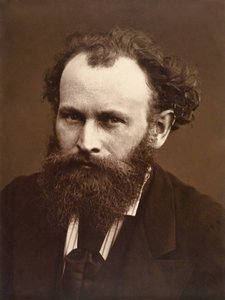
Édouard Manet
1832 - 1883 , Frankreich
Kurzinfos
- Beeinflusste Künstler:
- Claude Monet
- Pierre-Auguste Renoir
- Edgar Degas
- Bemerkenswerte Werke:
- Le Déjeuner sur l'herbe
- Olympia
- A Bar at the Folies-Bergère
- Einflussreiche Künstler:
- Caravaggio
- Diego Velázquez
- Gustave Courbet
- Geburtsdatum: 23. Januar 1832
- Geburtsort: Paris, Frankreich
- Künstlerische Richtung: Impressionismus, Realismus
- Nationalität: Französisch
- Todatum: 1883
- Vollständiger Name: Édouard Manet
Ähnliche Artikel

Echoes of Society: Exploring Social Realism's Enduring Legacy in Art
Explore the powerful world of Social Realism art! Discover key artists, masterpieces & its profound social commentary. Expert insights into this influential movement's history and enduring legacy.

25 Meisterwerke von Édouard Manet: Der Revolutionär der Moderne
Entdecken Sie 25 Meisterwerke von Édouard Manet und den Impressionismus. Erleben Sie Musealität auf OriginalUniqueArt.com.
Realismus in der Kunst: Die 10 bedeutendsten Meisterwerke für Ihr Zuhause
Entdecken Sie die 10 bedeutendsten Meisterwerke des Realismus! Von Courbet bis Millet – erfahren Sie die Geschichten hinter ikonischen Gemälden und lassen Sie sich von der Detailtreue & emotionalen Tiefe inspirieren. Hochwertige Art Reproduktionen auf OriginalUniqueArt.com

Impressionistic Realism's Finest: 10 Masterpieces for Your Home | OriginalUniqueArt
Journey through Impressionistic Realism with 10 iconic masterpieces by Monet, Renoir & Van Gogh. Explore art history, techniques & find museum-quality reproductions for your home at OriginalUniqueArt.com. Discover all masterpieces online!

10 Meisterwerke des Romantischen Realismus: Wenn Emotion auf Wahrheit trifft
Entdecken Sie 10 Meisterwerke des Romantischen Realismus. Erleben Sie die emotionale Tiefe von Künstlern wie Constable und Friedrich – perfekt als Inspiration für Ihre Kunstsammlung oder Wandgestaltung. Finden Sie museale Reproduktionen auf OriginalUniqueArt.com.