

 In echtem Maßstab anzeigen
 Versenden als Grußkarte
 Teilen
 Details anzeigen
 Leitfaden

 Herunterladen
 Ähnliche Objekte
 Röntgenaufnahme
 Diashow
 Besucherstatistiken
Blumen in einem Kristallvasen


 Mehr anzeigen
Handgefertigte Ölreproduktion
Handgemaltes Ölgemälde auf Leinwand in Ihrer Wunschgröße und mit Rahmen, auf Bestellung von unseren Künstlern angefertigt. ( Zum Druck wechseln Zum digitalen Bild wechseln)




P118B $10

P118H $10

P118W $10

P438Z $10

P508JH $12

P508YH $12

P805H $10

P805Z $10

P919BZ $10

P919G $10

P919XJ $10

P959ZH $10

P968JZ $12

W106C $8

W218G $10

W218JH $8

W218Y $10

W307PJ $10

W316G $10

W316PJ $8

W316Y $10

W398PJ $8

W4111J $10

W500HY $15

W500JH $15

W692G $12

W849H $8

W940BG $15

W953PJ $8




Wählen Sie aus unseren vordefinierten Formaten, die den ursprünglichen Proportionen des Kunstwerks entsprechen.

Sie können Ihre eigenen Maße eingeben, um einen bestimmten Rahmen oder Platz auszufüllen. Wenn die gewählte Größe nicht den Proportionen des Originalbildes entspricht, werden wir das Kunstwerk entweder beschneiden oder das Gemälde durch zusätzliche, handgemalte Elemente erweitern. Ein digitales Mockup wird Ihnen zur Genehmigung zugesandt, bevor die Produktion beginnt.
Bitte beachten Sie, dass die Bildschirmvorschau nicht die tatsächliche Beschneidung oder Erweiterung widerspiegelt. Nur das Mockup zeigt die endgültige Komposition exakt an.
Obwohl Sondermaße verfügbar sind, empfehlen wir, eine Größe aus der vordefinierten Liste zu wählen, um die ursprünglichen Proportionen beizubehalten.
Nach der Bestellung wird das OriginalUniqueArt.com-Team dem Kunden Anweisungen per E-Mail zusenden und eine Mockup-Vorschau bereitstellen.
Weltweiter Versand () in nur 3 bis 4 Wochen statt der üblichen 5 Wochen. (21 September). Keine Kompromisse bei der Qualität.

Kostenloser weltweiter Expressversand

Hochwertige Leinenleinwand

Vollständiger Versicherungsschutz beim Versand

Zollgebühren-Rückerstattungsgarantie

Garantie für exakte Farbtreue

100-tägiges Rückgaberecht (nur bei Mängeln)

100% Geld-zurück-Garantie

Angebot für Mengenrabatt
 Die Glasoption ist nur für Größen unter 110 cm verfügbar.

Blumen in einem Kristallvasen
Reproduktionsmedium
Format der Reproduktion
-


Gesamtpreis
$ 300
Édouard Manet’s “Flowers in a Crystal Vase”: A Moment of Delicate Beauty
Édouard Manet's "Flowers in a Crystal Vase," painted in 1882 and currently residing within the hallowed halls of the Musée d'Orsay in Paris, is far more than just a still life. It’s a carefully constructed tableau vivant—a snapshot of a fleeting moment imbued with the artist’s signature Impressionistic techniques and a profound understanding of color and light. The painting immediately draws the viewer into its serene world: a simple bouquet of pink roses and white flowers, arranged with exquisite care within a gleaming crystal vase, rests upon a draped table. This seemingly straightforward composition belies a wealth of artistic intention and a subtle commentary on beauty itself. Manet wasn’t simply depicting flowers; he was capturing an *impression* of them—a transient feeling rather than a precise representation. The painting's power lies in its masterful use of color. Manet eschews the traditional, highly polished finish favored by academic painters, opting instead for loose, visible brushstrokes that create a sense of movement and vibrancy. The colors aren’t blended smoothly; they are applied with deliberate strokes, allowing the individual pigments to shimmer and interact. Notice how he uses variations in pink—from blush tones to deeper rose hues—to evoke the velvety texture of the petals. Similarly, the white flowers possess an almost luminous quality, reflecting light and creating a sense of ethereal beauty. The crystal vase itself is rendered with remarkable attention to detail, its facets catching and scattering light in a dazzling display that adds another layer of visual interest. This careful manipulation of color isn’t merely decorative; it's integral to Manet’s exploration of how we perceive the world around us. Manet was a pivotal figure in the transition from Realism to Impressionism, and "Flowers in a Crystal Vase" exemplifies this shift. He moved away from the meticulous detail and historical subjects favored by his predecessors, embracing instead a more subjective approach to painting—one that prioritized capturing fleeting moments of experience rather than creating idealized representations. This work reflects Manet’s growing interest in modern life and his willingness to depict ordinary subjects with honesty and directness. It's important to remember that Manet was one of the first 19th-century artists to paint modern life, and his work played a pivotal role in the transition from Realism to Impressionism. The painting showcases Manet’s innovative style, which influenced many other artists of his time. His earlier works, such as "The Luncheon on the Grass" and "Olympia," caused controversy but were later praised by progressive artists. Beyond its aesthetic qualities, “Flowers in a Crystal Vase” carries symbolic weight. Flowers have long been associated with beauty, love, and mortality—themes that resonate deeply within the human experience. The choice of roses and white flowers further amplifies these associations. Roses, particularly pink ones, are often symbols of grace and affection, while white flowers represent purity and innocence. However, Manet doesn’t offer a sentimental interpretation; instead, he presents them with a detached objectivity, inviting the viewer to contemplate their beauty without imposing any particular emotional response. The vase itself, crafted from crystal, adds an element of fragility and preciousness, suggesting that this moment of beauty is fleeting and should be cherished. The lasting influence of Manet’s work can be seen in the art of Paul Cézanne, who created “A Modern Olympia” as a clear homage to Manet's groundbreaking painting. This demonstrates the enduring impact of Manet’s style on the development of modern art. “Flowers in a Crystal Vase” stands as a testament to Manet’s genius—a deceptively simple yet profoundly moving work that continues to captivate and inspire viewers today. OriginalUniqueArt offers meticulously crafted, hand-painted reproductions of this masterpiece, allowing you to bring its beauty into your own home or office.- Painting by 'Edouard Manet' | Edouard Manet:Flowers in a Crystal Vase
- Painting by 'Edouard Manet' | Edouard Manet:Flowers in a Crystal Vases
- Édouard Manet on Wikipedia
- Painting by 'Edouard Manet' | Edouard Manet:Pinks and Clematis in a Crystal Vase
- A Modern Olympia on Wikipedia
The Artist: Édouard Manet – A Revolutionary of His Time
Édouard Manet (1832-1883) was a French painter whose work dramatically reshaped the course of art history. Born in Paris, he initially followed his family’s expectations to pursue a career in law but quickly abandoned these ambitions for the world of painting. Influenced by artists like Caravaggio and Diego Velázquez, Manet began his artistic journey under the tutelage of Thomas Couture, though he soon rejected the academic style imposed upon him. His early works were characterized by historical and religious subjects painted with a traditional approach, but it was his embrace of Realism—particularly his depiction of modern life—that truly set him apart. Manet’s artistic development was profoundly shaped by Gustave Courbet's Realist movement, which championed the portrayal of everyday life without idealization. This shift in perspective led Manet to explore themes such as urban poverty, prostitution, and social inequality, often challenging the conventions of the Salon—the official art exhibition of the time. His paintings "The Luncheon on the Grass" (Le déjeuner sur l'herbe) and “Olympia” sparked considerable controversy due to their unconventional subject matter and rejection of idealized beauty standards. Despite initial criticism, these works ultimately paved the way for Impressionism and marked a watershed moment in modern art. Manet’s legacy extends far beyond his individual masterpieces; he was a catalyst for change, inspiring generations of artists to break free from tradition and explore new ways of seeing and representing the world.Biografie des Künstlers
frühes Leben und Karriere
Édouard Manet, ein französischer modernistischer Maler, wurde am 23. Januar 1832 in Paris geboren. Er widersetzte sich seinen bürgerlichen Wurzeln und einem vorgezeichneten Seekriegspfad und etablierte sich als mutiger französischer Modernist, dessen Leinwände die Lebendigkeit des 19. Jahrhunderts einfingen. Er wird weithin für seine Rolle bei der Pionierarbeit des Impressionismus gelobt, der die Kunst von der Malerei in unbekannte Gebiete lenkte.Bekannte Werke
Manets frühe Meisterwerke, Das Picknick auf der Wiese (Le déjeuner sur l'herbe) (1863) und Olympia (1865), waren radikal, stellten künstlerische Normen in Frage und lösten Empörung bei Traditionalisten aus. Diese provokanten Werke wurden von fortschrittlichen Kollegen anerkannt und säten die Saat des Impressionismus. * Das Picknick auf der Wiese (Le déjeuner sur l'herbe) (1863) - ein Gemälde, das sowohl bei Kritikern als auch bei der Kunstakademie für Kontroversen sorgte. * Olympia (1865) – ein Werk, das aufgrund seiner Darstellung einer nackten weißen Frau in Begleitung einer schwarzen Dienstmädchen große Aufregung auslöste.Museen und Sammlungen
Manets Werke befinden sich in verschiedenen Museen auf der ganzen Welt, darunter: * Musée d'Orsay (Paris, Frankreich) – beherbergt eine umfangreiche Sammlung von Manets Gemälden, darunter Olympia. * Museum of Fine Arts (Boston, USA) – zeigt Manets Porträt von Victorine Meurent, ein bemerkenswertes Werk seines Oeuvres.Vermächtnis und Einfluss
Manets innovativer Stil, der durch breite, schnelle Pinselstriche, Studiobeleuchtung und geringe Tiefenwirkung gekennzeichnet ist, hat zukünftige Maler maßgeblich beeinflusst. Sein Vermächtnis kann in den Werken zahlreicher Künstler gesehen werden, die auf seinen Füßen folgen.- Impressionismus: Seine Pionierarbeit in diesem Stil hat ihn zu einer bekannten Figur unter Kunstliebhabern gemacht.
- Realismus: Seine Ablehnung traditioneller realistischer Ansätze ebnete den Weg für eine neue Generation von Künstlern.
- Moderne Kunst: Manets Beiträge zur Entwicklung der modernen Kunst sind unbestreitbar und festigen seinen Platz in den Annalen der Kunstgeschichte.
Weitere Literatur und Erkundung
* Entdecken Sie mehr über das Leben und Werk von Édouard Manet auf OriginalUniqueArt. * Erkunden Sie die Musée d'Orsay Sammlung, die eine umfangreiche Auswahl von Manets Gemälden, darunter Olympia, auf OriginalUniqueArt’s Museum Seite bietet.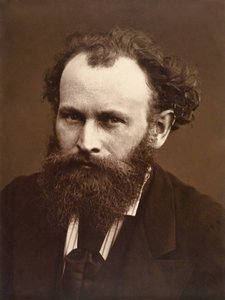
Édouard Manet
1832 - 1883 , Frankreich
Eckdaten zum Künstler
- Beeinflusste Künstler:
- Claude Monet
- Pierre-Auguste Renoir
- Edgar Degas
- Bemerkenswerte Werke:
- Le Déjeuner sur l'herbe
- Olympia
- A Bar at the Folies-Bergère
- Einflussreiche Künstler:
- Caravaggio
- Diego Velázquez
- Gustave Courbet
- Geburtsdatum: 23. Januar 1832
- Geburtsort: Paris, Frankreich
- Künstlerische Richtung: Impressionismus, Realismus
- Nationalität: Französisch
- Todatum: 1883
- Vollständiger Name: Édouard Manet
Verwandte Artikel

Paul Cézanne: Die 25 Meisterwerke des Impressionismus | OriginalUniqueArt
Entdecken Sie die 25 Meisterwerke von Paul Cézanne! Tauchen Sie ein in die Welt des Impressionismus und Postimpressionismus. Erfahren Sie mehr über seine Stillleben, Landschaften & berühmten Gemälde – jetzt hochwertige Kunstdrucke auf OriginalUniqueArt.com.

Impressionismus Meisterwerke: Die Top 10 Kunstwerke für Ihr Zuhause | OriginalUniqueArt
Entdecken Sie die Top 10 Meisterwerke des Impressionismus! Von Monet bis Renoir – erfahren Sie die Geschichten hinter berühmten Gemälden, Techniken & Farben. Hochwertige Kunstdrucke auf OriginalUniqueArt.com.
Blossoming Symbolism: A Historical Journey Through Flowers in Western Painting
Explore the rich history of flower symbolism in Western painting! Discover how artists from the Renaissance to Modernism used blossoms to convey meaning, emotion & beauty. Learn about iconic artworks and movements.
Édouard Manet: Die 25 Meisterwerke des Impressionismus für Ihr Zuhause | OriginalUniqueArt
Entdecken Sie die 25 Meisterwerke von Édouard Manet! Tauchen Sie ein in Impressionismus, Pariser Leben & revolutionäre Kunst. Hochwertige Reproduktionen für Ihr Zuhause – jetzt auf OriginalUniqueArt.com!

Silent Narratives: Exploring the Enduring Appeal of Still Life Painting Across Centuries
Explore the rich history of still life painting with OriginalUniqueArt. Discover Dutch Masters, decode vanitas symbolism & learn about collecting timeless art. Expert insights and museum-quality reproductions.


