
 In echtem Maßstab anzeigen
 Versenden als Grußkarte
 Teilen
 Details anzeigen
 Leitfaden öffnen

 Herunterladen
 Ähnliche Objekte
 Röntgenaufnahme
 Diashow
 Besucherstatistiken
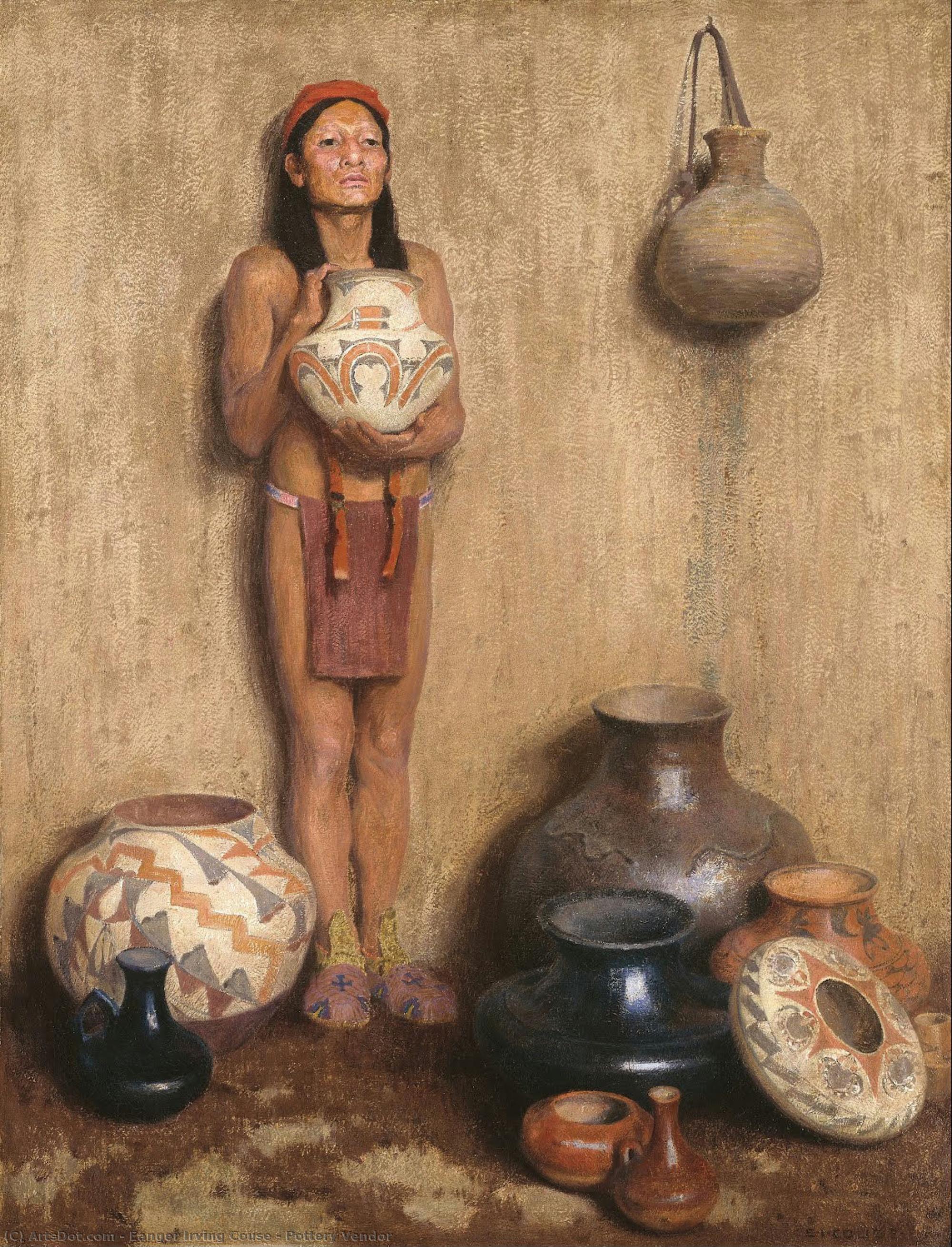
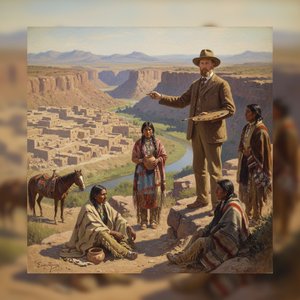
Pottery Vendor


 Mehr anzeigen
Handgefertigte Ölreproduktion
Handgemaltes Ölgemälde auf Leinwand in Ihrer Wunschgröße und mit Rahmen, auf Bestellung von unseren Künstlern angefertigt. ( Zum Druck wechseln Zum digitalen Bild wechseln)




P118B €10

P118H €10

P118W €10

P438Z €10

P508JH €12

P508YH €12

P805H €10

P805Z €10

P919BZ €10

P919G €10

P919XJ €10

P959ZH €10

P968JZ €12

W106C €8

W218G €10

W218JH €8

W218Y €10

W307PJ €10

W316G €10

W316PJ €8

W316Y €10

W398PJ €8

W4111J €10

W500HY €15

W500JH €15

W692G €12

W849H €8

W940BG €15

W953PJ €8




Wählen Sie aus unseren vordefinierten Formaten, die den ursprünglichen Proportionen des Kunstwerks entsprechen.

Sie können Ihre eigenen Maße eingeben, um einen bestimmten Rahmen oder Platz auszufüllen. Wenn die gewählte Größe nicht den Proportionen des Originalbildes entspricht, werden wir das Kunstwerk entweder beschneiden oder das Gemälde durch zusätzliche, handgemalte Elemente erweitern. Ein digitales Mockup wird Ihnen zur Genehmigung zugesandt, bevor die Produktion beginnt.
Bitte beachten Sie, dass die Bildschirmvorschau nicht die tatsächliche Beschneidung oder Erweiterung widerspiegelt. Nur das Mockup zeigt die endgültige Komposition exakt an.
Obwohl Sondermaße verfügbar sind, empfehlen wir, eine Größe aus der vordefinierten Liste zu wählen, um die ursprünglichen Proportionen beizubehalten.
Nach der Bestellung wird das OriginalUniqueArt.com-Team dem Kunden Anweisungen per E-Mail zusenden und eine Mockup-Vorschau bereitstellen.
Weltweiter Versand () in nur 3 bis 4 Wochen statt der üblichen 5 Wochen. (2 Oktober). Keine Kompromisse bei der Qualität.

Kostenloser weltweiter Expressversand

Hochwertige Leinenleinwand

Vollständiger Versicherungsschutz beim Versand

Zollgebühren-Rückerstattungsgarantie

Garantie für exakte Farbtreue

100-tägiges Rückgaberecht (nur bei Mängeln)

100% Geld-zurück-Garantie

Angebot für Mengenrabatt
 Die Glasoption ist nur für Größen unter 110 cm verfügbar.

Pottery Vendor
Reproduktionsmedium
Format der Reproduktion
-


Gesamtpreis
€ 258
Eanger Irving Couse: A Pioneer of Southwestern Impressionism
Eanger Irving Couse (1866-1936) stands as a cornerstone in the annals of American art, particularly within the burgeoning movement known as Southwestern Impressionism. Born amidst the industrial fervor of Saginaw, Michigan, his artistic trajectory wasn’t merely driven by personal ambition; it was fundamentally shaped by an unwavering fascination with Native American culture and the breathtaking landscapes of the Southwest – a passion that would propel him to forge a unique path between European academic tradition and the burgeoning spirit of modern art. Rejecting formal schooling at sixteen, Couse embarked on a self-directed artistic education, immersing himself in studies at the Art Institute of Chicago before venturing westward to embrace the transformative influence of Taos Pueblo. This pivotal relocation ignited his creative vision and cemented his dedication to portraying Native American life with profound respect and sensitivity—a commitment that distinguishes him from many of his contemporaries.The Painting: Pottery Vendor – A Portrait of Resilience
“Pottery Vendor,” executed in 1916, exemplifies Couse’s distinctive style—characterized by luminous color palettes and loose brushstrokes that capture the immediacy of observation. The painting depicts a woman gracefully holding two vases, her posture conveying both strength and serenity. This isn't simply a depiction of commerce; it’s an encapsulation of daily life within the Taos Pueblo community, meticulously rendered with meticulous attention to detail. Scattered throughout the canvas are additional vases—a deliberate compositional element that underscores the importance of craftmanship and artistic expression within Native American culture. The artist skillfully utilizes dappled sunlight to illuminate the scene, creating a sense of warmth and inviting viewers into the intimate atmosphere of the Pueblo village.Technique & Impressionistic Vision
Couse’s technique leans heavily on Impressionist principles—specifically capturing fleeting moments of light and color rather than striving for photographic realism. He achieves this through layering thin washes of pigment onto the canvas, allowing colors to blend organically and creating a shimmering effect that mimics the natural radiance of Southwestern skies. The artist's brushstrokes are visible yet blended seamlessly, conveying movement and texture without sacrificing clarity. This approach reflects Couse’s belief in portraying the world as perceived by the senses—a cornerstone of Impressionism’s philosophical underpinning. He meticulously studied the effects of light on surfaces, striving to convey not just what he saw but how it felt.Symbolic Resonance & Cultural Respect
Beyond its aesthetic qualities, “Pottery Vendor” carries significant symbolic resonance. The vases themselves represent artistry and tradition—symbols deeply ingrained in Native American culture where craftsmanship is revered as a vital component of identity and heritage. Furthermore, the woman’s dignified posture embodies resilience and perseverance – qualities admired within Pueblo communities who have endured centuries of hardship while maintaining their cultural traditions. Couse's portrayal avoids stereotypical representations, instead presenting a nuanced portrait that honors the dignity and complexity of Native American life. He sought to elevate his subjects beyond mere depictions of circumstance, conveying an understanding of their inner spirit.Emotional Impact & Legacy
“Pottery Vendor” transcends its formal elements to evoke a palpable sense of tranquility and connection with nature—a hallmark of Southwestern Impressionism’s emotional core. The painting invites contemplation on themes of beauty, simplicity, and cultural preservation. Couse's work continues to inspire artists and collectors alike, serving as a testament to his unwavering commitment to artistic integrity and cultural sensitivity. He remains an influential figure in the history of American art, demonstrating how observation combined with empathy can yield profoundly beautiful and meaningful results. His legacy resides not only in his stunning canvases but also in his pioneering role in fostering cross-cultural understanding—a contribution that resonates powerfully within today’s artistic landscape.Biografie des Künstlers
Frühes Leben und Ausbildung
- Geboren: 3. September 1866, Saginaw, Michigan
- Gestorben: 26. April 1936
- Herkunft: Saginaw, Vereinigte Staaten von Amerika
- Frühes Interesse an den Kulturen der amerikanischen Ureinwohner entwickelte sich während seiner Kindheit in der Nähe von Chippewa-Stämmen.
- Besuchte kurz das Art Institute of Chicago und anschließend die National Academy of Design in New York City.
- Studierte zehn Jahre lang an der École des Beaux-Arts und der Académie Julian unter William-Adolphe Bouguereau in Paris. Malte hauptsächlich Landschaftsbilder der normannischen Küste.
Künstlerische Karriere und Entwicklung
- Nach seiner Rückkehr in die Vereinigten Staaten verbrachte er Zeit in New York City und malte im Sommer an verschiedenen Orten.
- Ab etwa 1898 begann er, jeden Sommer in Taos, New Mexico, zu verbringen.
- Er studierte und malte das Leben und die Kultur der Taos-Indianer.
- Wurde 1915 Gründungsmitglied und erster Präsident der Taos Society of Artists.
- Entwickelte einen unverwechselbaren Stil, der das Leben der amerikanischen Ureinwohner darstellt und oft friedliche und idyllische Szenen betont.
- Seine Arbeit wurde von seiner akademischen Ausbildung in Paris und seinen Beobachtungen der Kultur der amerikanischen Ureinwohner beeinflusst.
Hauptwerke und Anerkennung
- Elk-foot of the Taos Tribe: Gilt als sein Meisterwerk, erworben für die nationale Kunstsammlung der Vereinigten Staaten.
- The Captive: Frühe Arbeit mit einem Thema der amerikanischen Ureinwohner, ausgestellt im Pariser Salon 1892.
- Zahlreiche Gemälde in Auftrag gegeben von der Santa Fe Railway zwischen 1914 und 1936, verwendet als Werbematerial.
- Erhielt Auszeichnungen verschiedener Institutionen, darunter die National Academy of Design (Altman Prize), Salmagundi Club (Isidor Prize) und Pennsylvania Academy of Fine Arts (Lippincott Prize).
- Seine Werke befinden sich in vielen Museen in den Vereinigten Staaten und international.
Historische Bedeutung und Vermächtnis
- Leistete einen bedeutenden Beitrag zur Entwicklung der amerikanischen Westernkunst, insbesondere bei Darstellungen der amerikanischen Ureinwohner.
- Trug dazu bei, Taos als wichtiges Kunstzentrum zu etablieren.
- Seine Darstellung des Lebens der amerikanischen Ureinwohner bot eine Perspektive, die sich von den damals üblichen stereotypen Darstellungen unterschied.
- Das Eanger Irving Couse Haus und Atelier – Joseph Henry Sharp Studios steht auf der National Register of Historic Places und bewahrt sein Vermächtnis für zukünftige Generationen.
- Seine Arbeit wird weiterhin ausgestellt und studiert und bietet Einblicke in die amerikanische Kunstgeschichte und kulturelle Darstellung.
Persönliches Leben
- Vermählte sich 1889 mit Virginia Walker.
- Hatte einen Sohn, Kibbey Couse.
- Virginia spielte eine bedeutende Rolle bei der Unterstützung seiner künstlerischen Karriere und gab kritisches Feedback.
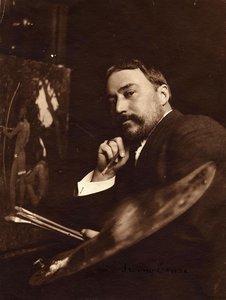
Eanger Irving Couse
1866 - 1936 , Vereinigte Staaten von Amerika
Eckdaten zum Künstler
- Bemerkenswerte Werke:
- Elk-foot of the Taos Tribe
- Taos pueblo - moonlight
- The captive
- Einflussreiche Künstler:
- William-Adolphe Bouguereau
- Tony Robert Fleury
- Geburtsdatum: 3. September 1866
- Geburtsort: Saginaw, Vereinigte Staaten
- Künstlerische Richtung: Impressionismus
- Nationalität: Amerikanisch
- Sterbedatum: 26. April 1936
- Vollständiger Name: Eanger Irving Couse
Verwandte Artikel

Childe Hassam: Der Chronist des amerikanischen Impressionismus und seine zeitgenössische Brillanz
Entdecken Sie das Leben und Werk von Childe Hassam, dem führenden amerikanischen Impressionisten! Erfahren Sie mehr über seine ikonischen Gemälde, den Einfluss Frankreichs und sein Vermächtnis. Jetzt bei OriginalUniqueArt entdecken!

Grant Wood und der amerikanische Regionalismus: Identität, Mythos und die ländliche Landschaft
Entdecken Sie Grant Wood und den amerikanischen Regionalismus! Erfahren Sie mehr über 'American Gothic', Woods Leben, Einflüsse und sein Vermächtnis in der Kunstgeschichte. Expertenwissen & hochwertige Reproduktionen.
Capturing the Light: A Journey Through the Soul of American Impressionism and the Hudson River School
Explore the luminous beauty of American Impressionism and the Hudson River School. Discover a curated journey through light, landscape, and history, celebrating the enduring legacy of masters through exquisite, hand-painted oil reproductions for the discerning art lover.
Capturing a Nation's Light: Exploring the American Impressionist Movement
Explore the captivating world of American Impressionism! Discover key artists, techniques & its lasting impact on art history. Find museum-quality reproductions and expert guidance at OriginalUniqueArt.
Eanger Irving Couse: Tradition und Moderne im amerikanischen Südwesten – Ein Künstler zwischen Welten
Entdecken Sie das faszinierende Werk von Eanger Irving Couse, einem Pionier der Taos Society of Artists! Erfahren Sie mehr über seine Darstellung des amerikanischen Westens, seinen Stil und sein Vermächtnis. Expertenwissen & hochwertige Reproduktionen.

