
 Vorschau anzeigen
 Versenden
 Teilen
 Details anzeigen
 Leitfaden

 Herunterladen
 Ähnliche Objekte
 Röntgenaufnahme
 Diashow
 Fragen & Antworten
 Statistiken
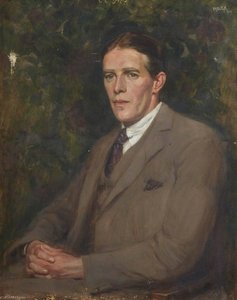
Malcolm Macleod

- 127.0 x 102.0 cm

 Weiterlesen
Erhalten Sie eine druckfertige Datei, die weit über die Web-Vorschau hinausgeht. Jedes von uns verkaufte digitale Bild basiert auf einem hochauflösenden Master aus unserer Datenbank – in der Regel 5.000 bis 15.000 Pixel breit –, sodass Sie mit Vertrauen großformatig drucken, eng ausschneiden oder feinste Details reproduzieren können.
Keine Datei verlässt unser Studio unberührt. Ein Digitalexperte gleicht die Farben mit dem Originalgemälde ab und korrigiert sie bei Bedarf, um anschließend Klarheit und Details mit professionellen Retuschewerkzeugen zu optimieren – dabei stets der Pinselführung und dem Stil des Künstlers treu bleibend. Das Ergebnis ist ein Bild, das wie das Gemälde selbst wirkt und nicht wie ein gefilterter Scan.
Sie entscheiden über das Endergebnis: Unser Experte sendet Ihnen das Bild innerhalb von 72 Stunden zur Ansicht per E-Mail zu. Nicht zufrieden? Fordern Sie Verbesserungen oder Korrekturen an oder verlangen Sie eine Rückerstattung, falls die Qualität nicht Ihren Erwartungen entspricht.
Dies ist die Qualität, auf die sich Verlage, Designstudios, Galerien und Druckereien verlassen.
Digitales Kunstwerk
Laden Sie eine hochauflösende Datei für die persönliche Präsentation, den Druck und kreative Projekte herunter. ( Zum Druck wechseln Handgemalte Reproduktion bestellen)
In jeder Bestellung digitaler Bilder enthalten
Professionelle digitale Bereitstellung, garantiert
Wenn Sie sich für OriginalUniqueArt.com entscheiden, erhalten Sie nicht nur ein Bild – Sie erhalten ein professionell aufbereitetes digitales Kunstwerk, das mit höchster Präzision erstellt und durch eine Zufriedenheitsgarantie abgesichert wird. Hier ist alles, was automatisch mit Ihrer Bestellung geliefert wird:

Schnelle E-Mail-Zustellung
Ihre hochauflösende digitale Bilddatei wird Ihnen innerhalb von 72 Stunden nach der Bestellung per E-Mail zugestellt – bereit zur sofortigen Verwendung.

KI-optimierte digitale Datei
Ihre Kunstwerke werden professionell mithilfe fortschrittlicher KI-Tools und manueller Bearbeitung optimiert, um maximale Detailtreue, Klarheit und Farbgenauigkeit zu gewährleisten.

Kostenloser lebenslanger Neudruckservice
Datei versehentlich gelöscht oder verloren? Keine Sorge – wir senden sie Ihnen jederzeit kostenlos erneut zu.

Keine Einfuhrgebühren – jemals
Genießen Sie Ihr Kunstwerk sofort ohne Zollgebühren, Einfuhrabgaben oder Versandkosten – digitale Downloads sind immer steuerfrei.

Garantierte Farbtreue
Wir garantieren, dass Ihr digitales Bild mithilfe professioneller Werkzeuge und Farbmanagement die Originalfarben so präzise wie möglich wiedergibt.

100-Tage-Zufriedenheitsgarantie
Sollten Sie mit Ihrem digitalen Bild nicht zufrieden sein, werden wir es überarbeiten oder 100% innerhalb von 100 Tagen erstatten – ohne Wenn und Aber.

100% Geld-zurück-Garantie
Nicht zufrieden? Erhalten Sie innerhalb von 100 Tagen nach Erhalt Ihrer digitalen Datei eine vollständige Rückerstattung – ohne Wenn und Aber.

Rabatte bei Großbestellungen
3 Bilder kaufen, 10% sparen – 5 Bilder kaufen, 15% sparen – Ab 10 Bildern 20% sparen. Ideal für kreative Projekte, Galerien und Agenturen.
Biografie des Künstlers
Duncan Macgregor Whyte: Ein Visionär des Hochlands
Duncan Macgregor Whyte – ein Name, der vielleicht weniger bekannt ist als der einiger seiner Zeitgenossen – nimmt dennoch einen bedeutenden Platz in der Landschaft der schottischen Kunst des 19. und frühen 20. Jahrhunderts ein. Geboren 1866 in Oban, Argyll, in eine Familie, die tief in der religiösen Führung verwurzelt war – sein Vater war ein Kongregationalistischer Geistlicher –, begann Whytes künstlerische Reise nicht in formellen Akademien, sondern durch Beobachtung und das Eintauchen in die raue Schönheit seiner heimischen Highlands. Diese prägende Erfahrung sollte seinen unverwechselbaren Stil tiefgreifend formen, der durch eine tiefe Verbundenheit mit dem Land, ein nuanciert ausgereiftes Verständnis des Lichts und die Fähigkeit gekennzeichnet ist, sowohl die Erhabenheit als auch die stille Intimität des Lebens in den Highlands einzufangen.
Die frühen Einflüsse waren vielfältig. Whytes künstlerische Ausbildung begann in Glasgow, was ihm ein Fundament in traditionellen Techniken verschaffte. Da er jedoch die Notwendigkeit einer breiteren Perspektive erkannte, reiste er ausgiebig durch Europa und studierte unter Meistern wie Van Havermaet in Antwerpen und Delécluse in Paris. Diese Perioden dienten nicht nur dem Erwerb technischer Fertigkeiten; sie stellten eine Begegnung mit unterschiedlichen künstlerischen Philosophien dar – insbesondere der Betonung des Impressionismus, flüchtige Momente von Licht und Atmosphäre einzufangen –, was seinen eigenen Ansatz subtil beeinflussen sollte. Entscheidend war, dass er in Paris Mary Baylis Barnard kennenlernte, eine Mitkünstlerin, die seine Ehefrau und lebenslange Partnerin wurde und mit ihm nicht nur ein Leben, sondern auch eine künstlerische Vision teilte.
Die Palette der Highlands
Whytes Œuvre wird vorwiegend durch zwei wiederkehrende Themen definiert: Landschaften und Porträts. Während er zahlreiche Meereslandschaften schuf – die oft die dramatische Küstenlinie um Oban und Tiree darstellten –, war es seine Darstellung der Highland-Szenerie, die seinen Ruf endgültulich festigte. Dies sind keine romantisierten, idealisierten Ansichten; vielmehr werden sie mit einer bemerkenswerten Ehrlichkeit gemalt, die die Härte des Wetters, die Texturen der Torfmoore und das ständige Wechselspiel des Lichts an den Berghängen einfangen. Er stellte häufig Szenen des ländlichen Lebens dar – Hirten, die ihre Herden hüten, Kleinbauern bei der Arbeit auf dem Land und Familien, die sich um das Feuer versammeln – und bot so intime Einblicke in die täglichen Rhythmen der Highland-Gemeinschaften.
Seine Porträtkunst war gleichermaßen fesselnd und bewies ein scharfes Auge für Charakter und Persönlichkeit. Er malte Mitglieder des lokalen Adels, des Klerus und einfache Leute gleichermaßen, wobei er oft eine reiche Palette aus Braun-, Grün- und Grautönen verwendete, um die Stimmung und Atmosphäre seiner Motive heraufzubeschwören. Die Porträts sind nicht bloße Ähnlichkeiten; sie besitzen eine spürbare Präsenz, welche die Würde und Widerstandsfähigkeit der von ihm dargestellten Menschen widerspiegelt.
Technik und Stil
Whytes Technik entwickelte sich im Laufe seiner Karriere erheblich. Ursprünglich von akademischen Traditionen beeinflusst, nahm er allmählich einen freieren Pinselstrich und hellere Farben an, was die Auswirkungen der impressionistischen Bewegung widerspiegelte. Seine späteren Werke zeigen ein wachsendes Vertrauen in das Einfangen atmosphärischer Effekte – insbesondere die Art und Weise, wie Licht mit Wasser und Stein interagiert – durch subtile Verschiebungen in Ton und Farbe. Er war ein Meister des Farbauftrags, um Tiefe und Textur zu erzeugen, und seine Verwendung von Lasurtechniken ermöglichte es ihm, leuchtende Oberflächen aufzubauen, die im reflektierten Licht schimmerten.
Sein Stil lässt sich als „Highland-Impressionismus“ beschreiben – eine Synthese aus traditionlicher Landschaftsmalerei und den innovativen Ansätzen der Avantgarde des späten 19. Jahrhunderts. Er vermied übermäßige Sentimentalität und konzentrierte sich stattdessen darauf, durch sorgfältige Beobachtung und meisterhafte Ausführung ein Gefühl von Ort und Zeit zu vermitteln.
Vermächtnis und Anerkennung
Duncan Macgregor Wytes Werk blieb zu seinen Lebzeiten weitgehend ungehört, obwohl er in angesehenen Institutionen wie der Royal Scottish Academy und der Walker Art Gallery ausstellte. Er errichtete ein Atelier in Balevullin auf Tiree, wo er bis zu seinem Tod im Jahr 1953 im Alter von 86 Jahren malte. Erst Jahrzehnte nach seinem Ableben begann sein Werk durch die Bemühungen von Kunsthistorikern und Sammlern, die seine einzigartige Vision schätzten, eine breitere Anerkennung zu finden.
Heute befinden sich Whytes Gemälde in mehreren bedeutenden Sammlungen, darunter der Kelvingrove Art Gallery and Museum in Glasgow und der State Art Collection der Art Gallery of Western Australia. Sein Vermächtnis bleibt ein Zeugnis für die Kraft der Beobachtung, die Schönheit der schottischen Highlands und die dauerhafte Anziehungskraft eines Malers, der den Geist seiner Heimat mit bemerkenswerter Geschicklichkeit und Sensibilität eingefangen hat.
Duncan Macgregor Whyte
1866 - 1953 , Schottland
Auf einen Blick
- Artistic Movement Or Style: Porträtmalerei, Landschaftsmalerei, Meereslandschaften
- Artists Or Movements Influenced By This Artist: ['Scottish Colourists']
- Artists Who Influenced This Artist:
- Van Havermaet
- Delécluse
- Date Of Birth: 1866
- Date Of Death: 1953
- Full Name: Duncan MacGregor Whyte
- Nationality: Schottisch
- Notable Artworks:
- Dugald McIsaac
- Hugh MacGowan
- The Last Rays of Day
- Place Of Birth: Oban, Argyll, Schottland