Vorschau anzeigen
 Versenden
 Teilen
 Details anzeigen

 Herunterladen
 Ähnliche Objekte
 Röntgenaufnahme
 Diashow
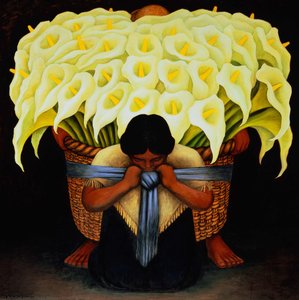
Ofrenda II
 Acrylic On Canvas
- WallArt
- Mexican Mural Movement
 1954
1954 37.0 x 26.0 cm
 Museo Dolores Olmedo
 Weiterlesen
Handgefertigte Ölreproduktion
Handgemaltes Ölgemälde auf Leinwand in Ihrer Wunschgröße und mit Rahmen, auf Bestellung von unseren Künstlern angefertigt. ( Druck bestellen Bild kaufen)




P118B $10

P118H $10

P118W $10

P438Z $10

P508JH $12

P508YH $12

P805H $10

P805Z $10

P919BZ $10

P919G $10

P919XJ $10

P959ZH $10

P968JZ $12

W106C $8

W218G $10

W218JH $8

W218Y $10

W307PJ $10

W316G $10

W316PJ $8

W316Y $10

W398PJ $8

W4111J $10

W500HY $15

W500JH $15

W692G $12

W849H $8

W940BG $15

W953PJ $8




Wählen Sie aus unseren vordefinierten Formaten, die den ursprünglichen Proportionen des Kunstwerks entsprechen.

Sie können Ihre eigenen Maße eingeben, um einen bestimmten Rahmen oder Platz auszufüllen. Wenn die gewählte Größe nicht den Proportionen des Originalbildes entspricht, werden wir das Kunstwerk entweder beschneiden oder das Gemälde durch zusätzliche, handgemalte Elemente erweitern. Ein digitales Mockup wird Ihnen zur Genehmigung zugesandt, bevor die Produktion beginnt.
Bitte beachten Sie, dass die Bildschirmvorschau nicht die tatsächliche Beschneidung oder Erweiterung widerspiegelt. Nur das Mockup zeigt die endgültige Komposition exakt an.
Obwohl Sondermaße verfügbar sind, empfehlen wir, eine Größe aus der vordefinierten Liste zu wählen, um die ursprünglichen Proportionen beizubehalten.
Nach der Bestellung wird das OriginalUniqueArt.com-Team dem Kunden Anweisungen per E-Mail zusenden und eine Mockup-Vorschau bereitstellen.
Weltweiter Versand () in nur 3 bis 4 Wochen statt der üblichen 5 Wochen. (5 September). Keine Kompromisse bei der Qualität.

Kostenloser weltweiter Expressversand

Hochwertige Leinenleinwand

Umfassender Versicherungsschutz beim Versand

Zollgebühren-Rückerstattungsgarantie

Garantie für exakte Farbtreue

60 Tage Rückgaberecht (nur bei Mängeln)

100% Geld-zurück-Garantie

Mengenrabatt verfügbar
 Die Glasoption ist nur für Größen unter 110 cm verfügbar.

Ofrenda II
Art der Reproduktion
Format der Reproduktion
-


Gesamtpreis
$ 300
Ofrenda II: A Tapestry of Remembrance – Diego Rivera’s Echoes of Tradition
Diego Rivera's “Ofrenda II,” painted in 1954, is more than just a depiction of the Day of the Dead; it’s a vibrant portal into the heart of Mexican cultural heritage. This striking black and white drawing captures a pivotal ritual – the elaborate preparations for honoring deceased loved ones on November 1st and 2nd – revealing a complex interplay of symbolism, artistic technique, and deeply rooted traditions. The scene unfolds within a modestly furnished room, dominated by a table laden with offerings, meticulously arranged upon a bed of crimson sawdust. This foundational element immediately establishes the artwork’s connection to ancient indigenous practices, where sawdust served as a sacred ground for honoring ancestors. The composition is anchored by two women engaged in a quiet, intimate exchange. Their postures and expressions suggest a shared reverence and perhaps even a moment of solace. While their identities remain ambiguous, they embody the spirit of community and familial bonds central to the Day of the Dead celebrations. Notice how Rivera masterfully uses light and shadow to draw attention to specific elements – the vibrant colors of the sugar skulls, the glistening fruits, and the carefully positioned candles. These aren’t merely decorative; they represent sustenance for the souls returning from the afterlife, a tangible expression of love and remembrance. The inclusion of a book and a vase adds a layer of domesticity, grounding the scene in everyday life while simultaneously elevating it to a sacred ritual.The Roots of Ritual: Pre-Hispanic Influences and Colonial Synthesis
“Ofrenda II” is deeply rooted in Mexico’s pre-Columbian past. The tradition of honoring the dead predates European colonization, with indigenous cultures constructing elaborate offerings to appease and nourish departed spirits. Rivera, keenly aware of this heritage, deliberately incorporated these ancient practices into his work. However, the painting isn't simply a nostalgic reproduction; it reflects a synthesis of traditions – a blending of pre-Hispanic symbolism with elements introduced during the colonial period. The use of purple, pink, or orange sawdust, for instance, is a direct continuation of indigenous customs, while the inclusion of items like sugar skulls and elaborate floral arrangements speaks to the influence of Catholic iconography prevalent in post-colonial Mexico. This careful juxtaposition highlights the dynamic evolution of Mexican identity – a testament to resilience and cultural adaptation.Rivera’s Technique: A Masterclass in Composition and Detail
Rivera's distinctive style is immediately recognizable in “Ofrenda II.” He employs a meticulous, almost photographic realism, capturing every detail with remarkable precision. The textures of the fruits, the folds of the fabric, and the intricate patterns on the sugar skulls are rendered with astonishing clarity. This attention to detail isn’t merely aesthetic; it serves to emphasize the sacredness of the ritual. Rivera's use of black and white further enhances this effect, creating a stark contrast that draws the viewer's eye to the central elements of the composition. The careful arrangement of objects – each chosen for its symbolic significance – demonstrates Rivera’s deep understanding of Mexican culture and his ability to translate complex traditions into a visually compelling narrative.Symbolism and Emotional Resonance: A Celebration of Life and Remembrance
Beyond its technical brilliance, “Ofrenda II” resonates with profound emotional depth. The painting is not simply about death; it’s about life – the enduring bonds between generations, the importance of memory, and the celebration of those who have passed on. The act of creating an offering is a powerful affirmation of love and connection, a way to keep the spirits of ancestors alive in the hearts and minds of the living. The quiet intimacy between the two women suggests a shared grief tempered by acceptance and gratitude. “Ofrenda II” invites us to contemplate our own relationships with those who have shaped our lives and to honor their memory through acts of remembrance and celebration. It’s a poignant reminder that death is not an ending, but rather a transition – a continuation of the cycle of life and love.This artwork is available as a high-quality reproduction by OriginalUniqueArt.
Über den Künstler
Frühes Leben und künstlerische Ausbildung
- Geboren: 8. Dezember 1886, Guanajuato, Mexiko
- Gestorben: 24. November 1957
- Diego Riveras künstlerischer Weg begann früh; er zeigte ab seinem dritten Lebensjahr Interesse an der Kunst.
- Er studierte an der Akademie von San Carlos in Mexiko-Stadt.
- Teodoro A. dehesa Méndez finanzierte sein Studium in Europa, beginnend 1907.
- Zunächst studierte er bei Eduardo Chicharro in Madrid, Spanien.
- Er zog nach Paris, Frankreich und wurde Teil der Montparnasse-Künstlergemeinschaft.
Europäische Einflüsse und künstlerische Entwicklung
- Frühe europäische Arbeiten waren vom Realismus beeinflusst.
- Die Auseinandersetzung mit dem Kubismus hatte ab 1912 einen bedeutenden Einfluss auf seinen Stil.
- Beeinflusst von Künstlern wie Pablo Picasso und Georges Seurat.
- Seine Gemälde dieser Zeit begannen, geometrische Formen und sich kreuzende Ebenen zu integrieren, was die kubistische Bewegung widerspiegelte.
Rückkehr nach Mexiko und die mexikanische Wandmalbewegung
- Rivera kehrte 1921 nach Mexiko zurück, ein entscheidender Moment in seiner Karriere.
- Er wurde eine führende Figur der mexikanischen Wandmalbewegung, mit dem Ziel, öffentlich zugängliche Kunst zu schaffen.
- Seine Wandgemälde stellten oft Szenen aus der mexikanischen Geschichte und sozialen Themen dar.
- Bemerkenswerte frühe Werke sind „Schöpfung“ (1922) und Wandgemälde im Secretaría de Educación Pública in Mexiko-Stadt.
Hauptwerke und künstlerischer Stil
- Schöpfung (1922): Sein erstes bedeutendes Wandgemälde, das die Enkaustiktechnik verwendete.
- Träume eines Sonntags im Alameda: Kontrovers wegen seiner Darstellung von Atheismus.
- Wandgemälde der Secretaría de Educación Pública: Zeigten seinen einzigartigen Stil mit großen, vereinfachten Figuren und kräftigen Farben, die vom aztekischen Kunst beeinflusst waren.
- Detroit Industry Wandgemälde (1933): In Auftrag gegeben für das Detroit Institute of Arts, darstellend industrielle Prozesse und Arbeiter.
- Riveras Stil: Charakterisiert durch monumentale Größe, vereinfachte Formen, lebendige Farben und einen Fokus auf soziale und historische Erzählungen. Er integrierte Elemente der mexikanischen Volkskunst und präkolumbianischer Ästhetik in seine Arbeit.
Vermächtnis und historische Bedeutung
- Diego Rivera gilt als einer der wichtigsten Künstler des 20. Jahrhunderts.
- Seine Wandgemälde sind bedeutende Beispiele für Sozialrealismus und öffentliche Kunst.
- Er spielte eine entscheidende Rolle bei der Etablierung des mexikanischen Muralismus als einflussreiche künstlerische Bewegung.
- Riveras Werk spiegelt seine politischen Überzeugungen wider, insbesondere seine marxistischen Ansichten.
- Sein Privatleben, einschließlich seiner Ehe mit Frida Kahlo, hat zu seinem bleibenden Ruhm und zur kulturellen Bedeutung beigetragen.

Diego Rivera
1886 - 1957 , Mexiko
Kurzinfos
- Beeinflusste Künstler:
- El Greco
- Francisco Goya
- Diego Velazquez
- Pablo Picasso
- Bemerkenswerte Werke:
- Schöpfung (1922)
- Sonntagstraum
- Detroit Industry
- Geburtsdatum: 8. Dezember 1886
- Geburtsort: Guanajuato, Mexiko
- Künstlerische Bewegung: Mexikanischer Muralismus
- Nationalität: Mexikaner
- Sterbedatum: 24. November 1957
- Vollständiger Name: Diego Rivera
Ähnliche Artikel
Diego Rivera: Eine revolutionäre Vision mexikanischer Identität durch die Wandmalerei
Entdecken Sie die revolutionäre Wandmalerei Diego Riveras und ihre Bedeutung für die mexikanische Identität. Analysen, Hintergründe & Einblicke in das Werk des Muralismus-Pioniers.
Revolution on Canvas: Exploring the Socio-Political Power & Artistic Legacy of Mexican Muralism
Explore the powerful world of Mexican muralism! Discover Diego Rivera, Frida Kahlo & Orozco's revolutionary art, social impact & lasting legacy. Expert insights & high-quality reproductions at OriginalUniqueArt.

John Francis Sartorius II: Equestrian Elegance & the Rise of British Portraiture
Explore the captivating world of Francis Sartorius II (1734-1804), a leading British painter renowned for his exquisite equestrian portraits and hunting scenes. Discover his life, techniques & enduring legacy.
Timeless Valentine's Day Gifts: A Procurement Guide to Premium Hand-Painted Art Reproductions
Discover premium hand-painted art reproductions for unforgettable Valentine's Day gifts. From custom oil portraits to museum-quality classics, we provide professional procurement solutions with global shipping, bulk ordering, and guaranteed excellence for collectors and professionals.

Roy Lichtenstein: Die 25 Meisterwerke des Pop Art – Kunst für Ihr Zuhause | OriginalUniqueArt
Entdecken Sie die 25 ikonischsten Meisterwerke von Roy Lichtenstein! Tauchen Sie ein in die Welt der Pop Art, lernen Sie die Geschichten hinter den berühmten Gemälden und finden Sie perfekte Kunstreproduktionen für Ihr Zuhause. Jetzt auf OriginalUniqueArt.com entdecken!