In echtem Maßstab anzeigen
 Versenden als Grußkarte
 Teilen
 Details anzeigen
 Leitfaden öffnen

 Herunterladen
 Ähnliche Objekte
 Röntgenaufnahme
 Diashow
 Besucherstatistiken
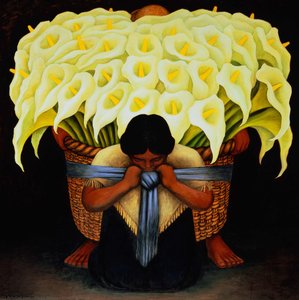
Nude with Calla Lilies
 Acryl auf Leinwand
- Wandkunst
- Contemporary Realism
 1942
1942 154.0 x 118.0 cm
 Museo Dolores Olmedo
 Mehr anzeigen
Die auf dieser Seite dargestellten Kunstwerke sind urheberrechtlich geschützt, was bedeutet, dass wir keine identische Reproduktion rechtmäßig erstellen oder verkaufen dürfen. Dieser Schutz wird durch internationale Abkommen wie die Berner Übereinkunft und durch nationale Gesetze, einschließlich derer, die von den ... festgelegt wurden US-Urheberrecht – Titel 17.
Diese Methode entspricht vollumfänglich den Urheberrechtsbestimmungen, da sie keine Kopie oder Vervielfältigung des geschützten Kunstwerks darstellt. Stattdessen handelt es sich um eine kreative Neuinterpretation – ein neues Gemälde, das vom Original inspiriert, aber nicht identisch mit ihm ist.
Giclée / Kunstdruck
Giclée- oder Leinwanddruck in Museumsqualität mit schneller Produktion und flexiblen Veredelungsoptionen. ( Handgemalte Reproduktion kaufen Zum digitalen Bild wechseln)




P118B €10

P118H €10

P118W €10

P438Z €10

P508JH €12

P508YH €12

P805H €10

P805Z €10

P919BZ €10

P919G €10

P919XJ €10

P959ZH €10

P968JZ €12

W106C €8

W218G €10

W218JH €8

W218Y €10

W307PJ €10

W316G €10

W316PJ €8

W316Y €10

W398PJ €8

W4111J €10

W500HY €15

W500JH €15

W692G €12

W849H €8

W940BG €15

W953PJ €8




Wählen Sie aus unseren vordefinierten Formaten, die den ursprünglichen Proportionen des Kunstwerks entsprechen.

Geben Sie die Breite und die Höhe an, die Sie benötigen, damit der Druck perfekt in Ihren Rahmen oder an Ihre Wand passt. Ein Druck kann nur beschnitten werden und niemals größer als das Originalbild gemacht werden; daher verliert ein Format mit einer anderen Proportion einen Teil des Bildes. Wir senden Ihnen ein digitales Mockup zur Freigabe, bevor wir den Druck ausführen. Das auf dieser Seite gezeigte Bild zeigt nicht den tatsächlichen Beschnitt – dies ist nur im Mockup ersichtlich.
Weltweiter Versand () innerhalb von 2 Wochen statt der üblichen 4/5 Wochen. (22 Oktober)

Kostenloser weltweiter Expressversand

Hochwertige Leinenleinwand

Vollständiger Versicherungsschutz beim Versand

Zollgebühren-Rückerstattungsgarantie

Garantie für exakte Farbtreue

100-tägiges Rückgaberecht (nur bei Mängeln)

100% Geld-zurück-Garantie

Angebot für Mengenrabatt
 Die Glasoption ist nur für Größen unter 110 cm verfügbar.

Nude with Calla Lilies
Giclée / Kunstdruck
Format der Reproduktion
-


Gesamtpreis
€ 70
Diego Rivera’s Nude with Calla Lilies: A Symphony of Sensuality and Symbolism
The painting “Nude with Calla Lilies,” completed in 1942, stands as one of Diego Rivera’s quieter yet profoundly resonant works—a testament to his enduring fascination with the female form intertwined with the evocative beauty of Mexican flora. Unlike many of his monumental murals brimming with political fervor and social critique, this piece offers a more intimate glimpse into Rivera's artistic vision, prioritizing subtle gestures and nuanced expressions within a carefully constructed composition. It’s a painting that whispers rather than shouts, inviting contemplation on themes of femininity, vulnerability, and the harmonious relationship between humanity and nature—concepts central to Rivera’s broader artistic philosophy.A Delicate Balance: Style and Technique
Rivera's masterful technique is evident in the meticulous application of charcoal on paper, resulting in a monochrome image that maximizes tonal variation and emphasizes textural subtleties. The artist eschews bold color palettes characteristic of his larger projects, opting instead for a restrained palette that allows the contours of the nude figure and the surrounding calla lilies to dominate the visual experience. Rivera’s signature style—characterized by expressive brushstrokes and a deliberate flattening of perspective—is skillfully deployed here, creating an illusionistic space that feels both grounded and ethereal. The artist's meticulous attention to detail is particularly noticeable in the rendering of the woman’s skin tones and the delicate petals of the lilies, demonstrating his unwavering commitment to capturing the essence of his subjects with remarkable accuracy.The Symbolism of Lilies: Phallic Echoes and Feminine Grace
The inclusion of calla lilies—a flower frequently associated with phallic symbolism in Rivera's oeuvre—adds a layer of complexity to the painting’s interpretation. However, Rivera transcends simplistic readings of these emblems, presenting them not merely as representations of male potency but rather as conduits for feminine grace and nurturing energy. The lilies surround the nude woman, symbolizing fertility and rebirth, subtly countering any potential suggestion of dominance or aggression. This juxtaposition underscores Rivera's belief in the interconnectedness of masculine and feminine forces—a recurring motif throughout his artistic career—and elevates the painting beyond a mere depiction of beauty to a meditation on fundamental human values.Historical Context: Postwar Reflection and Artistic Evolution
Painted shortly after the Second World War, “Nude with Calla Lilies” reflects Rivera’s evolving artistic sensibilities as he moved away from overtly political statements toward explorations of personal emotion and aesthetic contemplation. It represents a departure from his monumental murals—such as “Man at the Crossroads”—which aimed to galvanize audiences with urgent messages about social justice and revolutionary ideals. Instead, this painting embodies Rivera's desire to capture fleeting moments of beauty and vulnerability—themes that resonated deeply with artists of his time and continue to captivate viewers today. The artwork’s quiet dignity speaks volumes about Rivera’s artistic maturity and his unwavering dedication to conveying profound emotional truths through understated visual language.Emotional Resonance: A Portrait of Inner Beauty
Ultimately, “Nude with Calla Lilies” succeeds in communicating a powerful sense of serenity and introspection. The woman's gaze downward—a gesture of vulnerability and contemplation—draws the viewer into her inner world, inviting us to consider themes of solitude, reflection, and acceptance. Rivera’s masterful use of charcoal creates an atmosphere of hushed intimacy, emphasizing the subtle nuances of emotion conveyed through posture and expression. The painting transcends mere visual representation; it embodies a profound appreciation for the beauty of human experience—a sentiment that aligns perfectly with Rivera's broader artistic mission to celebrate Mexican culture and identity while simultaneously exploring universal themes of compassion and empathy.Fragen & Antworten
Wie stellt "Nude with Calla Lilies" von Diego Rivera eine Verbindung zwischen Contemporary Realism und dem Heimatland des Künstlers her?
"Nude with Calla Lilies" verbindet die Contemporary Realism-Bewegung durch den Geburtsort ihres Schöpfers mit Mexiko.
Um welche Art von Kunstwerk handelt es sich bei "Nude with Calla Lilies"?
Im Katalog ist "Nude with Calla Lilies" von Diego Rivera als Wandkunst geführt. Die Kategorie hilft dabei, ähnliche Werke zu finden.
Wann wurde "Nude with Calla Lilies" geschaffen und welcher Stilrichtung lässt es sich zuordnen?
"Nude with Calla Lilies" entstand im Jahr 1942 als Werk der Contemporary Realism-Bewegung. Datum und Stilrichtung verankern das Kunstwerk in der Kunstgeschichte.
Biografie des Künstlers
Frühes Leben und künstlerische Ausbildung
- Geboren: 8. Dezember 1886, Guanajuato, Mexiko
- Gestorben: 24. November 1957
- Diego Riveras künstlerischer Weg begann früh; er zeigte ab seinem dritten Lebensjahr Interesse an der Kunst.
- Er studierte an der Akademie von San Carlos in Mexiko-Stadt.
- Teodoro A. dehesa Méndez finanzierte sein Studium in Europa, beginnend 1907.
- Zunächst studierte er bei Eduardo Chicharro in Madrid, Spanien.
- Er zog nach Paris, Frankreich und wurde Teil der Montparnasse-Künstlergemeinschaft.
Europäische Einflüsse und künstlerische Entwicklung
- Frühe europäische Arbeiten waren vom Realismus beeinflusst.
- Die Auseinandersetzung mit dem Kubismus hatte ab 1912 einen bedeutenden Einfluss auf seinen Stil.
- Beeinflusst von Künstlern wie Pablo Picasso und Georges Seurat.
- Seine Gemälde dieser Zeit begannen, geometrische Formen und sich kreuzende Ebenen zu integrieren, was die kubistische Bewegung widerspiegelte.
Rückkehr nach Mexiko und die mexikanische Wandmalbewegung
- Rivera kehrte 1921 nach Mexiko zurück, ein entscheidender Moment in seiner Karriere.
- Er wurde eine führende Figur der mexikanischen Wandmalbewegung, mit dem Ziel, öffentlich zugängliche Kunst zu schaffen.
- Seine Wandgemälde stellten oft Szenen aus der mexikanischen Geschichte und sozialen Themen dar.
- Bemerkenswerte frühe Werke sind „Schöpfung“ (1922) und Wandgemälde im Secretaría de Educación Pública in Mexiko-Stadt.
Hauptwerke und künstlerischer Stil
- Schöpfung (1922): Sein erstes bedeutendes Wandgemälde, das die Enkaustiktechnik verwendete.
- Träume eines Sonntags im Alameda: Kontrovers wegen seiner Darstellung von Atheismus.
- Wandgemälde der Secretaría de Educación Pública: Zeigten seinen einzigartigen Stil mit großen, vereinfachten Figuren und kräftigen Farben, die vom aztekischen Kunst beeinflusst waren.
- Detroit Industry Wandgemälde (1933): In Auftrag gegeben für das Detroit Institute of Arts, darstellend industrielle Prozesse und Arbeiter.
- Riveras Stil: Charakterisiert durch monumentale Größe, vereinfachte Formen, lebendige Farben und einen Fokus auf soziale und historische Erzählungen. Er integrierte Elemente der mexikanischen Volkskunst und präkolumbianischer Ästhetik in seine Arbeit.
Vermächtnis und historische Bedeutung
- Diego Rivera gilt als einer der wichtigsten Künstler des 20. Jahrhunderts.
- Seine Wandgemälde sind bedeutende Beispiele für Sozialrealismus und öffentliche Kunst.
- Er spielte eine entscheidende Rolle bei der Etablierung des mexikanischen Muralismus als einflussreiche künstlerische Bewegung.
- Riveras Werk spiegelt seine politischen Überzeugungen wider, insbesondere seine marxistischen Ansichten.
- Sein Privatleben, einschließlich seiner Ehe mit Frida Kahlo, hat zu seinem bleibenden Ruhm und zur kulturellen Bedeutung beigetragen.

Diego Rivera
1886 - 1957 , Mexiko
Eckdaten zum Künstler
- Beeinflusste Künstler:
- El Greco
- Francisco Goya
- Diego Velazquez
- Pablo Picasso
- Bemerkenswerte Werke:
- Schöpfung (1922)
- Sonntagstraum
- Detroit Industry
- Geburtsdatum: 8. Dezember 1886
- Geburtsort: Guanajuato, Mexiko
- Künstlerische Bewegung: Mexikanischer Muralismus
- Nationalität: Mexikaner
- Sterbedatum: 24. November 1957
- Vollständiger Name: Diego Rivera
Verwandte Artikel
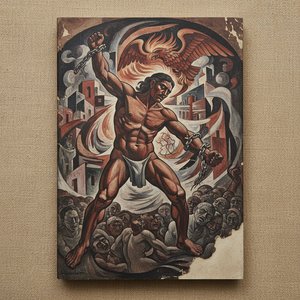
José Clemente Orozco: Revolutionäre Visionen des mexikanischen Muralismus und der menschlichen Existenz
Entdecken Sie das revolutionäre Werk von José Clemente Orozco! Analysen seiner ikonografischen Murals, Einblicke in den mexikanischen Muralismus und sein Vermächtnis für die moderne Kunst. Expertenwissen auf OriginalUniqueArt.

Diego Rivera: Eine revolutionäre Vision mexikanischer Identität durch die Wandmalerei
Entdecken Sie die revolutionäre Wandmalerei Diego Riveras und ihre Bedeutung für die mexikanische Identität. Analysen, Hintergründe & Einblicke in das Werk des Muralismus-Pioniers.

Mexican Muralism for Commercial Interiors: A Procurement Guide to Large-Scale Masterpiece Reproductions
Elevate commercial interiors with premium Mexican Muralism reproductions. Our guide for hotel designers covers large-scale Diego Rivera-style murals, custom sizing, and bulk procurement solutions for high-impact hospitality spaces. Reliable global shipping and professional art consultation.

Designers lieben Wandgemälde: So verwandeln sie Räume in stilvolle Rückzugsorte
Entdecken Sie die Welt der Wandmalerei für Hotels & Design! Expertenratgeber zu Materialien, Stilen & individuellen Lösungen. Verwandeln Sie Räume in Kunstwerke – mit .
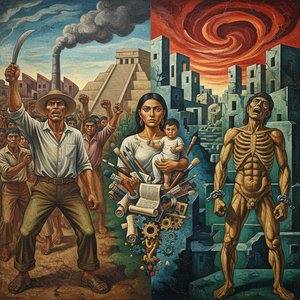
Revolution on Canvas: Exploring the Socio-Political Power & Artistic Legacy of Mexican Muralism
Explore the powerful world of Mexican muralism! Discover Diego Rivera, Frida Kahlo & Orozco's revolutionary art, social impact & lasting legacy. Expert insights & high-quality reproductions at OriginalUniqueArt.