

 In echtem Maßstab anzeigen
 Versenden als Grußkarte
 Teilen
 Details anzeigen
 Leitfaden öffnen

 Herunterladen
 Ähnliche Objekte
 Röntgenaufnahme
 Diashow
 Besucherstatistiken
The Wyndcliff, River Wye


 Mehr anzeigen
Handgefertigte Ölreproduktion
Handgemaltes Ölgemälde auf Leinwand in Ihrer Wunschgröße und mit Rahmen, auf Bestellung von unseren Künstlern angefertigt. ( Zum Druck wechseln Zum digitalen Bild wechseln)




P118B €10

P118H €10

P118W €10

P438Z €10

P508JH €12

P508YH €12

P805H €10

P805Z €10

P919BZ €10

P919G €10

P919XJ €10

P959ZH €10

P968JZ €12

W106C €8

W218G €10

W218JH €8

W218Y €10

W307PJ €10

W316G €10

W316PJ €8

W316Y €10

W398PJ €8

W4111J €10

W500HY €15

W500JH €15

W692G €12

W849H €8

W940BG €15

W953PJ €8




Wählen Sie aus unseren vordefinierten Formaten, die den ursprünglichen Proportionen des Kunstwerks entsprechen.

Geben Sie die Breite und die Höhe an, die Sie für Ihren Rahmen oder Ihre Wand benötigen. Da dieses Werk handgemalt ist, kann der Künstler bei einer anderen Form etwas mehr um das Bild herum malen oder etwas abschneiden – Sie entscheiden. Wir senden Ihnen ein digitales Mockup zur Freigabe, bevor mit dem Malen begonnen wird. Das auf dieser Seite gezeigte Bild stellt nicht das tatsächliche Ergebnis dar – dies tut nur das Mockup.
Nach der Bestellung wird das OriginalUniqueArt.com-Team dem Kunden Anweisungen per E-Mail zusenden und eine Mockup-Vorschau bereitstellen.
Weltweiter Versand () in nur 3 bis 4 Wochen statt der üblichen 5 Wochen. (25 Oktober). Keine Kompromisse bei der Qualität.

Kostenloser weltweiter Expressversand

Hochwertige Leinenleinwand

Vollständiger Versicherungsschutz beim Versand

Zollgebühren-Rückerstattungsgarantie

Garantie für exakte Farbtreue

100-tägiges Rückgaberecht (nur bei Mängeln)

100% Geld-zurück-Garantie

Angebot für Mengenrabatt
 Die Glasoption ist nur für Größen unter 110 cm verfügbar.

The Wyndcliff, River Wye
Reproduktionsmedium
Format der Reproduktion
-


Gesamtpreis
€ 263
A Romantic Vision of the Welsh Wilds
In the heart of the nineteenth century, as the Industrial Revolution began to reshape the landscape of Great Britain, the artist David Cox sought refuge in the untamed majesty of the natural world. His 1842 masterpiece, The Wyndcliff, River Wye, stands as a profound testament to the Romantic movement, capturing a moment where the soul of the landscape meets the sublime. This oil painting does not merely document a geographical location in South Wales; it invites the viewer into a deeply emotional encounter with the grandeur of the Wye Valley. Through his masterful lens, the river valley becomes more than just earth and water—it becomes a sanctuary of peace and a theater of light.
The composition is anchored by a commanding presence on the left, where a towering oak tree reaches toward the heavens, acting as a sentinel over the sprawling vista. This structural element guides the eye with grace across the undulating terrain toward a distant, hazy horizon, creating an immense sense of scale. Within this vastness, Cox places small, intimate figures near the water's edge, their presence serving to emphasize the overwhelming magnitude of the cliffs and sky. It is a delicate balance between the human spirit and the infinite power of nature, a hallmark of the Romantic era’s fascination with the awe-inspiring.
Mastery of Light and Atmospheric Depth
Technically, The Wyndcliff, River Wye is a triumph of light manipulation and textural expression. Cox was a virtuoso of atmospheric perspective, utilizing subtle shifts in color and clarity to pull the viewer deep into the painting’s recesses. The way the distant hills soften into a blue-grey mist creates an illusion of infinite space, making the canvas feel as though it breathes with the damp, cool air of the Welsh countryside. The artist employs a dramatic chiaroscuro effect, where strong, directional light pierces through unseen clouds to illuminate patches of foliage and the shimmering surface of the river, while casting deep, velvety shadows across the rugged ground.
The brushwork itself is remarkably expressive, eschewing rigid precision for a more spontaneous, tactile quality. One can almost feel the movement of the wind through the leaves and the steady flow of the current, as Cox’s visible strokes contribute to a sense of immediacy and life. For the discerning collector or interior designer, this texture provides a rich, organic element that brings a dynamic energy to any space. The interplay between the smooth, reflective water and the rough, weathered bark of the ancient trees creates a sensory experience that transcends the flat surface of the canvas.
A Timeless Sanctuary for the Modern Interior
Beyond its technical brilliance, this artwork offers a profound symbolic resonance. In an age often characterized by noise and rapid change, The Wyndcliff, River Wye serves as a window into a world of tranquility and solitude. The river valley symbolizes a retreat from the complexities of urban existence, offering a meditative space for contemplation. It speaks to the eternal human desire to reconnect with the earth and to find stillness amidst the vastness of the universe.
For those looking to curate an environment of sophistication and calm, a high-quality reproduction of this work provides an unparalleled focal point. Its earthy tones, dramatic lighting, and sweeping vistas harmonize beautifully with both classical and contemporary decor, adding a layer of historical depth and emotional warmth to a room. To hang this painting is to invite the enduring spirit of the Welsh landscape into one's home, fostering an atmosphere of quiet strength and breathtaking beauty.
Fragen & Antworten
Wie fügt sich „The Wyndcliff, River Wye“ in die Themen und den Stil von David Cox ein?
"The Wyndcliff, River Wye" gehört zu David Coxs Werk der Romanticism-Epoche, dessen dokumentierte Themen unter anderem romantic landscape, turner's atmospheric effects, pre-raphaelite detail, nature's majesty", human connection, solitude & reflection, early romantic style umfassen.
Aus welcher historischen Epoche stammt "The Wyndcliff, River Wye" von David Cox?
Die historische Epoche von "The Wyndcliff, River Wye" von David Cox ist 19th Century. Diese Klassifizierung ordnet das Werk kunsthistorisch ein.
Unter welchen anderen Namen ist David Cox bekannt?
David Cox erscheint unter den Alternativnamen David Cox der Jüngere.
Biografie des Künstlers
David Cox (1783–1859): Ein Leben in der Landschaft
David Cox ist einer der bedeutendesten englischen Landschaftsmaler und eine frühe Vorläuferin des Impressionismus. Seine Gemälde zeichnen sich durch eine außergewöhnliche Sensibilität für Licht und Farbe aus und erzählen Geschichten über die Schönheit und Kraft der Natur. Er gilt als eine zentrale Figur des sogenannten Birmingham School, einer Gruppe von Landschaftskünstlern, die ihren Wirkungsbereich hauptsächlich im Herzen Englands hatten.- Frühes Leben und Ausbildung
- Berufliche Entwicklung & Künstlerische Reise
- Künstlerischer Stil & Einflüsse
- Wichtige Leistungen & Vermächtnis
- Historische Bedeutung
Frühes Leben und Ausbildung
David Cox wurde am 29. April 1783 in Deritend, Birmingham geboren – eine Stadt, die sich zu Beginn des 19. Jahrhunderts durch ihren Aufstieg zum Zentrum der Metallindustrie auszeichnete. Sein Vater war Schmied und Weißschmied und versuchte, seinem Sohn eine solide Ausbildung im Handwerk zu ermöglichen. Cox erhielt seine erste künstlerische Bildung an der Akademie von Joseph Barber in Great Charles Street, wo er sich mit anderen jungen Künstlern wie Charles Barber und William Radclyffe bekannt machte. Diese Begegnungen prägten seinen späteren künstlerischen Stil maßgeblich und inspirierten ihn zu einer tiefen Beobachtung der Natur. Besonders wichtig war die frühe Zusammenarbeit mit Albert Fielder, einem renommierten Birminghamer Maler, der ihm die Grundlagen des Ölmalerei vermittelte.Berufliche Entwicklung & Künstlerische Reise
Cox zog 1804 nach London und heiratete Mary Ragg, Tochter seines Vermieters. Eine entscheidende Reise nach Wales im Jahr 1805 mit Charles Barber markierte den Beginn zahlreicher Skizzenreisen während seines gesamten Lebens. Diese Reisen ermöglichten ihm eine unmittelbare Begegnung mit verschiedenen Landschaftsbildern und beeinflussten sein künstlerisches Werk nachhaltig. Er arbeitete zunächst als Zeichenlehrer und später als Bühnenbildner für Astley's Theatre, wobei er insbesondere die Zusammenarbeit mit renommierten Dramatikern pflegte. Durch diese Erfahrungen entwickelte sich sein Blick für Komposition und Farbgebung und prägte seinen späteren Stil entscheidend. Seine zahlreichen Reisen nach Nordengland und Schottland erweiterten sein künstlerisches Wissen und inspirierten ihn zu neuen Themen und Perspektiven.Künstlerischer Stil & Einflüsse
Cox entwickelte einen einzigartigen Stil, der sich von den klassischen Landschaftsbildern seiner Zeit abhänigte und Elemente des Impressionismus vorausahnte. Er bevorzugte eine lockere Pinseltechnik und lebendige Farben, um die Atmosphäre und Stimmung eines Landschaftsbildes einzufangen. Sein Einfluss wurde insbesondere durch die niederländischen Landschaftsmaler des 17. Jahrhunderts sowie durch die Werke von Constable und Turner geprägt. Diese Künstler beeindruckten ihn tief und inspirierten ihn zu einer neuen Betrachtungsweise der Natur und ihrer Darstellung. Cox’ Gemälde zeichnen sich durch eine hohe Detailtreue aus, aber gleichzeitig durch eine besondere Sensibilität für Licht und Farbe aus – Eigenschaften, die auch später von den Impressionisten übernommen wurden.Wichtige Leistungen & Vermächtnis
David Cox hinterließ ein beeindruckendes künstlerisches Werk von über 300 Gemälden in Öl und Aquarell, das bis heute für seine Schönheit und Ausdruckskraft bewundert wird. Er gilt als einer der größten englischen Landschaftsmaler und eine zentrale Figur des sogenannten Birmingham School. Zu seinen bekanntesten Werken zählen insbesondere „Der Wind auf der Heide“, „Cottage in Herefordshire“ und „Zusammenfluss von Severn und Wye mit Chepstow in der Ferne“. Seine Werke haben zahlreiche Künstler nachfolgenden Generationen inspiriert und beeinflusst und tragen maßgeblich zur Entwicklung des englischen Landschaftsbildern als eigenständiges Genre bei. Er wird auch für seine Rolle bei der Förderung eines neuen künstlerischen Ausdrucks geprägt, der sich von einer rein dekorativen Darstellung der Natur zu einer tiefgründigen Reflexion über ihre Schönheit und ihre Bedeutung wandte. Seine Gemälde sind ein unverzichtbarer Bestandteil des englischen Kunstgeschichte und werden bis heute für ihren einzigartigen Charakter und ihre außergewöhnliche Qualität geschätzt.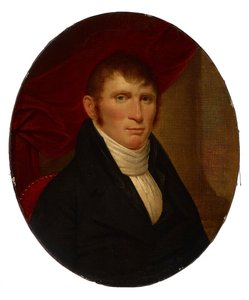
David Cox
1783 - 1859 , Vereinigtes Königreich
Eckdaten zum Künstler
- Artistic Movement Or Style: Birmingham Schule Landschaftsmaler
- Artists Or Movements Influenced By This Artist: ['Impressionismus Vorläufer']
- Artists Who Influenced This Artist:
- Niederländische Landschaftsmaler des 17. Jahrhunderts
- Constable
- Date Of Birth: 29. April 1783
- Date Of Death: 7. Juni 1859
- Full Name: David Cox
- Nationality: Englisch
- Notable Artworks:
- Der Wind auf der Heide
- Cottage in Herefordshire
- Zusammenfluss von Severn und Wye mit Chepstow
- Place Of Birth: Birmingham, Vereinigtes Königreich
Verwandte Artikel
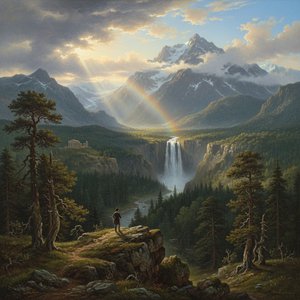
Evoking Nature's Sublime: A Comprehensive Exploration of 19th-Century Landscape Painting
Explore the captivating world of 19th-century landscape painting! Discover renowned artists like Friedrich & Monet, key movements, and find the perfect artwork to bring nature's serenity into your home. Expert insights at OriginalUniqueArt.

The Sublime and the Picturesque: Exploring Emotion & Nature in Romantic Landscape Painting
Explore the emotional power of Romantic landscape painting! Discover the sublime & picturesque traditions, key artists like Friedrich & Cole, and find your perfect artwork at OriginalUniqueArt.

Romantische Landschaften: Die 10 Meisterwerke, die eine Epoche prägten | OriginalUniqueArt
Entdecken Sie die 10 Meisterwerke der Romantischen Landschaftsmalerei! Von Caspar David Friedrich bis Turner – erleben Sie die Kunst, Emotion & Natur. Hochwertige Reproduktionen auf OriginalUniqueArt.com

John Constable: Die 25 Meisterwerke des englischen Landschaftsgenies – OriginalUniqueArt
Entdecken Sie die 25 Meisterwerke von John Constable! Erleben Sie englische Landschaftsmalerei vom Hay Wain bis zur Stour Valley. Hochwertige Reproduktionen & Kunst für Ihr Zuhause auf OriginalUniqueArt.com.

David Cox the Elder: Landscape, Light & the Romantic Vision of Rural England
Explore the captivating landscapes of David Cox the Elder, a pivotal figure in British Romanticism. Discover his masterful watercolour techniques, enduring legacy & find timeless art for your home at OriginalUniqueArt.
