

 Vorschau anzeigen
 Versenden
 Teilen
 Details anzeigen

 Herunterladen
 Ähnliche Objekte
 Röntgenaufnahme
 Diashow
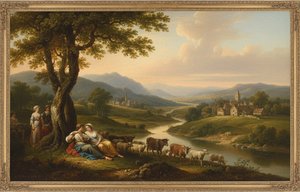
Landscape with Cattle by a Pool
 Oil On Canvas
- WallArt
- Romanticism
 1850
1850- 19th Century
 22.0 x 27.0 cm
 Fitzwilliam-Museum
 Weiterlesen
Giclée / Kunstdruck
Giclée- oder Leinwanddruck in Museumsqualität mit schneller Produktion und flexiblen Veredelungsoptionen. ( Handgemalte Reproduktion bestellen Bild kaufen)




P118B $10

P118H $10

P118W $10

P438Z $10

P508JH $12

P508YH $12

P805H $10

P805Z $10

P919BZ $10

P919G $10

P919XJ $10

P959ZH $10

P968JZ $12

W106C $8

W218G $10

W218JH $8

W218Y $10

W307PJ $10

W316G $10

W316PJ $8

W316Y $10

W398PJ $8

W4111J $10

W500HY $15

W500JH $15

W692G $12

W849H $8

W940BG $15

W953PJ $8




Wählen Sie aus unseren vordefinierten Formaten, die den ursprünglichen Proportionen des Kunstwerks entsprechen.

Sie können Ihre eigenen Maße eingeben, um ein bestimmtes Format oder einen speziellen Platz einzupassen. Wenn das von Ihnen gewählte Format nicht den Proportionen des Originalbildes entspricht, werden wir das Kunstwerk entweder beschneiden oder das Bild mit einem gespiegelten oder einfarbigen Rand erweitern. Ein digitaler Entwurf wird Ihnen zur Genehmigung zugesandt, bevor die Produktion beginnt.
Bitte beachten Sie, dass die Vorschau auf dem Bildschirm nicht den tatsächlichen Zuschnitt oder die Erweiterung widerspiegelt. Nur der Entwurf zeigt die endgültige Komposition präzise an.
Obwohl Sondermaße verfügbar sind, empfehlen wir die Auswahl eines Maßes aus der vordefinierten Liste, um die ursprünglichen Proportionen zu bewahren.
Weltweiter Versand () innerhalb von 2 Wochen statt der üblichen 4/5 Wochen. (25 August)

Kostenloser weltweiter Expressversand

Hochwertige Leinenleinwand

Umfassender Versicherungsschutz beim Versand

Zollgebühren-Rückerstattungsgarantie

Garantie für exakte Farbtreue

60 Tage Rückgaberecht (nur bei Mängeln)

100% Geld-zurück-Garantie

Mengenrabatt verfügbar
 Die Glasoption ist nur für Größen unter 110 cm verfügbar.

Landscape with Cattle by a Pool
Giclée / Kunstdruck
Format der Reproduktion
-


Gesamtpreis
$ 80
Sammlerstück-Beschreibung
A Pastoral Dream in Watercolor
To gaze upon David Cox the Elder's "Landscape with Cattle by a Pool" is to step through a veil of time and into a moment of profound, sun-dappled tranquility. This painting captures more than just a scene; it encapsulates a yearning for simplicity—a return to the rhythm of rural life undisturbed by the clamor of modern existence. The composition unfolds as a gentle tableau where nature reigns supreme. Here, cattle graze with an unhurried grace near the cool embrace of a water pool, their forms scattered across the verdant foreground like living accents in a masterfully composed still life of the countryside.
The Artistry of Light and Atmosphere
Cox’s technique, characteristic of his celebrated watercolors, allows light itself to become the primary subject. The handling of the water reflects not just the sky, but an entire mood—one of serene repose. Notice how the artist has imbued the grass with varying shades of green, suggesting both lush vitality and the subtle dryness of a warm afternoon. The inclusion of the horse on the right side adds a touch of dynamic life to the otherwise placid gathering. It is in these details—the slight ripple near the bank, the attentive posture of the standing figure near the center—that Cox’s meticulous observation shines through. His ability to render atmosphere so convincingly makes this piece feel immediate, as if one could hear the lowing of the cattle and smell the damp earth.
Historical Echoes of English Countryside
Painted around 1850, this work sits at a fascinating crossroads in art history. While the Industrial Revolution was reshaping Britain with unprecedented speed and smoke, Cox’s art offered a deliberate, beautiful counter-narrative. His landscapes served as an eloquent testament to the enduring beauty of the English countryside—a refuge for the burgeoning middle class who sought solace from the grime of industrializing cities. Owning this piece is not merely decorating a wall; it is curating a connection to a romanticized, idealized vision of pastoral England that deeply resonated with Victorian sensibilities.
Symbolism and Emotional Resonance
The symbolism within "Landscape with Cattle by a Pool" is wonderfully understated. The pool itself often symbolizes reflection—both literal and emotional—suggesting moments for contemplation. The cattle, symbols of sustenance and gentle abundance, ground the scene in themes of quiet prosperity. For the modern collector or designer, this painting offers an immediate infusion of calm. It acts as a visual balm, transforming any room into a sanctuary. Reproducing this work allows one to bring that deep sense of peace and timeless natural harmony into your personal space.
Über den Künstler
Frühe Jahre und die Wurzeln in Birmingham
David Cox, geboren am 29. April 1783 im industriellen Herzen von Deritend, Birmingham, entstammte bescheidenen Verhältnissen, die seine künstlerische Vision tiefgreifend prägten. Sein Vater, ein Schmied und Weißschmied, vermittelte ihm eine Arbeitsmoral, die ihn sein ganzes Leben lang begleiten sollte, auch wenn der junge David aufgrund seiner zierlichen Statur für die Arbeit an der Esse ungeeignet schien. Zunächst absolvierte er eine Lehre bei einem Hersteller von Kostbarkeiten – Miniaturporträts auf Schnupftabaksdosen und lackierten Schnallen –, wobei er schnell ein Talent für die Malerei bewies, ein Geschick, das von einer Mutter mit „überragender Intelligenz“ und stiller Entschlossenheit gefördert wurde. Diese frühe Begegnung mit feinsten Details sollte sich später in seinen meisterhaften Aquarellen widerspiegeln.
Birmingham selbst war zu jener Zeit ein Schmelztiegel künstlerischer Aktivität, der private Akademien vorweisen konnte, die den Bedürfnissen der aufstrebenden Industrie dienten, aber auch eine ganz eigene Schule der Landschaftsmalerei förderten. Cox studierte zunächst bei Joseph Barber und später bei Albert Fielder, wenngleich seine Ausbildung durch Fielders tragischen Tod jäh endete. Eine kurze Zeit als Bühnenmaler für das Theater von William Macready verschaffte ihm wertvolle Erfahrungen in der atmosphärischen Perspektive und Komposition – Fähigkeiten, die er später in seinen Darstellungen der natürlichen Welt perfektionieren sollte.
London und der Aufstieg der Aquarellmalerei
Im Jahr 1804 wagte Cox den Schritt nach London, um berufliche Möglichkeiten zu suchen. Obwohl sich eine anfängliche Anstellung im Amphitheater von Philip Astley nicht realisieren ließ, markierte diese Zeit einen entscheidenden Wendeput. Er widmete sich ganz der Aquarellmalerei, stellte seine Werke aus und erarbeitete sich schrittweise einen Ruf. Seine Heirat mit Mary Ragg im Jahr 1805 verlieh seinem Leben weitere Stabilität, und das Paar ließ sich in Dulwich nieder. Noch im selben Jahr folgten die ersten von vielen Reisen nach Wales, die gemeinsam mit Charles Barber unternommen wurden und ihm das Rohmaterial für seine zunehmend anspruchsvollen Landschaften lieferten.
Die Gründung der Water-Colour Society im Jahr 1805 war von zentraler Bedeutung. Obwohl er nicht sofort als Mitglied aufgenommen wurde, beteiligte sich Cox intensiv an deren Aktivitäten und trat schließlich 1813 bei. Dieser Zusammenschluss bot ihm eine Plattform, um seine Arbeiten zu präsentieren und mit anderen Künstlern in Kontakt zu treten, was seine Position innerhalb der aufstrebenden britischen Kunstszene festigte.
Ein Meister der Atmosphäre und der romantischen Vision
Cox’ künstlerische Entwicklung war geprägt von einer unerschütterlichen Hingabe, das Wesen der britischen Landschaft einzufangen. Er verzichtete auf große historische Erzählungen oder klassische Allegorien und konzentrierte sich stattdessen auf die Schönheit ländlicher Gegenden – Heidelandschaften, Wälder, Flussufer und Küstenszenen. Seine frühen Aquarelle sind bemerkenswert für ihre zarte Präzision und akribische Detailtreue, die eine sorgsame Beobachtung der Natur widerspiegeln. Doch schon bald ging er über die bloße topografische Darstellung hinaus und verlieh seinen Werken eine emotionale Qualität, die das Publikum tief berührte.
Er wurde berühmt für seine Fähigkeit, Atmosphäre zu vermitteln – das Spiel von Licht und Schatten, die subtilen Nuancen des Wetters und das Gefühl, ganz in der natürlichen Welt versunken zu sein. Seine Technik basierte auf einer einzigartigen Kombination aus sorgfältiger Planung und spontaner Ausführung, wobei er oft schnell en plein air arbeitete, um flüchtige Augenblicke der Schönheit festzahnhalten. Später in seinem Leben wandte er sich vermehrt der Ölmalerei zu und schuf über 300 Leinwände, die heute als einige seiner größten Errungenschaften anerkannt sind – auch wenn sie zu seinen Lebzeiten weniger geschätzt wurden.
Vermächtnis und historische Bedeutung
Der Einfluss von David Cox auf die britische Kunst ist tiefgreifend. Er gilt als Schlüsselfigur der Birmingham School, die die Lücke zwischen topografischer Landschaftsmalerei und dem emotionaleren Ansatz der Romantik schloss. Sein Werk nahm den Impressionismus bereits vorweg, indem es den Schwerpunkt auf das Einfangen flüchtiger Lichtmomente und atmosphärischer Effekte legte, obwohl er fest in den Traditionen der englischen Aquarellkunst verwurzelt blieb.
- Vorläufer des Impressionismus: Cox’ lockerer Pinselstrich und sein Fokus auf atmosphärische Wirkungen antizipierten viele Techniken, die später von den Impressionisten aufgegriffen wurden.
- Meister der Aquarellmalerei: Er gilt weithin als einer der bedeutendsten englischen Aquarellmaler, berühmt für seine zarte Präzision und emotionale Tiefe.
- Verteidiger der britischen Landschaft: Cox’ unermüdliche Hingabe an die Schönheit der britischen Natur half dabei, eine ausgeprägte nationale Identität in der Landschaftsmalerei zu etablieren.
- Einfluss auf spätere Generationen: Sein Werk inspirierte zahllose Künstler und prägte die Entwicklung der britischen Kunst im 19. Jahrhundert und darüber hinaus.
Trotz Phasen finanzieller Not und relativer Bedeutungslosigkeit während seiner Lebenszeit bleibt das Erbe von David Cox bestehen. Er verstarb am 7. Juni 1859 und hinterließ ein Werk, das die Betrachter bis heute mit seiner Schönheit, Sensibilität und der tiefen Verbundenheit zur Natur fesselt. Seine Gemälde bieten einen zeitlosen Einblick in das Herz des ländlichen Englands und erinnern uns an die beständige Kraft der Kunst, Emotionen zu wecken und die einfachen Freuden des Lebens zu feiern.

David Cox Der Ältere
1783 - 1859 , England
Kurzinfos
- Artistic Movement Or Style: Romantik, Vorläufer des Impressionismus
- Artists Or Movements Influenced By This Artist: ['Impressionismus']
- Date Of Birth: 29. April 1783
- Date Of Death: 7. Juni 1859
- Full Name: David Cox der Ältere
- Nationality: Englisch
- Notable Artworks:
- Nahe Knaresborough
- Die Lichtung
- Moorlandschaft
- Place Of Birth: Birmingham, England
Ähnliche Artikel

David Cox the Elder: Landscape, Light & the Romantic Vision of Rural England
Explore the captivating landscapes of David Cox the Elder, a pivotal figure in British Romanticism. Discover his masterful watercolour techniques, enduring legacy & find timeless art for your home at OriginalUniqueArt.

Idyllic Visions: Exploring the Pastoral Scene in Art History – From Arcadia to Modern Interpretations
Explore the captivating history of pastoral art from classical Arcadia to modern masterpieces. Discover key artists like Millet & Cole at OriginalUniqueArt. Find serene landscape paintings for your home.

Romantische Landschaften: Die 10 Meisterwerke, die eine Epoche prägten | OriginalUniqueArt
Entdecken Sie die 10 Meisterwerke der Romantischen Landschaftsmalerei! Von Caspar David Friedrich bis Turner – erleben Sie die Kunst, Emotion & Natur. Hochwertige Reproduktionen auf OriginalUniqueArt.com

Evoking Nature's Sublime: A Comprehensive Exploration of 19th-Century Landscape Painting
Explore the captivating world of 19th-century landscape painting! Discover renowned artists like Friedrich & Monet, key movements, and find the perfect artwork to bring nature's serenity into your home. Expert insights at OriginalUniqueArt.
Idyllic Visions: Exploring the Pastoral Tradition in Western Art – Themes, Techniques & Enduring Appeal
Explore the rich history of pastoral art from classical Arcadia to contemporary interpretations. Discover key artists, themes & collecting tips at OriginalUniqueArt.

