
 Vorschau anzeigen
 Versenden
 Teilen
 Details anzeigen
 Leitfaden

 Herunterladen
 Ähnliche Objekte
 Röntgenaufnahme
 Diashow
 Fragen & Antworten
 Statistiken
Carrying Vetches

- 37.0 x 55.0 cm


 Weiterlesen
Giclée / Kunstdruck
Giclée- oder Leinwanddruck in Museumsqualität mit schneller Produktion und flexiblen Veredelungsoptionen. ( Handgemalte Reproduktion bestellen Zum digitalen Bild wechseln)




P118B €10

P118H €10

P118W €10

P438Z €10

P508JH €12

P508YH €12

P805H €10

P805Z €10

P919BZ €10

P919G €10

P919XJ €10

P959ZH €10

P968JZ €12

W106C €8

W218G €10

W218JH €8

W218Y €10

W307PJ €10

W316G €10

W316PJ €8

W316Y €10

W398PJ €8

W4111J €10

W500HY €15

W500JH €15

W692G €12

W849H €8

W940BG €15

W953PJ €8




Wählen Sie aus unseren vordefinierten Formaten, die den ursprünglichen Proportionen des Kunstwerks entsprechen.

Geben Sie die benötigte Breite und Höhe an, damit der Druck perfekt in Ihren Rahmen oder an Ihre Wand passt. Ein Druck kann nur beschnitten, aber niemals größer als das Originalbild angefertigt werden; daher verliert ein Format mit anderen Proportionen einen Teil des Bildes. Wir senden Ihnen ein digitales Mockup zur Freigabe, bevor wir den Druck ausführen. Das auf dieser Seite gezeigte Bild zeigt nicht den tatsächlichen Beschnitt – dies ist nur im Mockup ersichtlich.
Weltweiter Versand () innerhalb von 2 Wochen statt der üblichen 4/5 Wochen. (3 November)

Kostenloser weltweiter Expressversand

Hochwertige Leinenleinwand

Umfassender Versicherungsschutz beim Versand

Zollgebühren-Rückerstattungsgarantie

Garantie für exakte Farbtreue

100 Tage Rückgaberecht (nur bei Mängeln)

100% Geld-zurück-Garantie

Mengenrabatt verfügbar
 Die Glasoption ist nur für Größen unter 110 cm verfügbar.

Carrying Vetches
Giclée / Kunstdruck
Format der Reproduktion
-


Endpreis
€ 72
A Pastoral Symphony in Oil
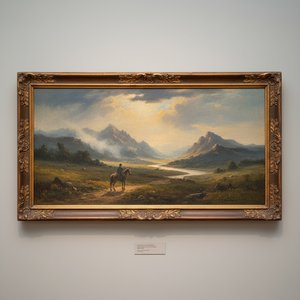
In the quietude of the mid-19th century British countryside, David Cox the Elder captured a moment of profound harmony that transcends time. Carrying Vetches, painted in 1850, serves as more than just a depiction of agricultural labor; it is an evocative window into a vanishing way of life. The canvas breathes with the rhythm of the seasons, presenting a scene where the toil of man and the vitality of nature exist in a seamless, rhythmic dance. As viewers gaze upon the field, they are drawn into a world where the heavy movement of horses and carts is balanced by the delicate, fleeting presence of a bird soaring through the sky, suggesting that even within the most grounded of labors, there is a lightness of spirit and an eternal freedom.
The technical mastery of Cox is evident in his ability to manipulate light and earthy tones to create an atmosphere that feels both warm and deeply nostalgic. Utilizing a palette rich in organic hues, the artist employs broad, confident brushstrokes that prefigure the Impressionist movement. This technique allows the textures of the field and the weight of the carts to feel tangible, yet it maintains a soft, atmospheric haze that envelops the figures. For the discerning collector or interior designer, this painting offers a sophisticated interplay of light and shadow, making it an ideal centerpiece for spaces that require a sense of grounded tranquility and classical elegance.
The Soul of the Birmingham School
To understand Carrying Vetches, one must look to the roots of its creator. Born in the industrial heart of Birmingham, David Cox the Elder was a pivotal figure of the Birmingham School, an artist whose work bridged the gap between meticulous detail and emotive expression. While his early training involved the delicate art of miniature painting, his mature style embraced the expansive beauty of the landscape. This piece reflects that evolution, showcasing a transition from the precise to the atmospheric. The composition itself is a study in community; by depicting people working together amidst their livestock, Cox celebrates the social fabric of rural life, emphasizing a sense of shared purpose and interdependence.
For those seeking to adorn a home or gallery with a piece that evokes emotional depth, this work provides a unique opportunity. It does not merely decorate a wall; it invites contemplation on the relationship between humanity and the earth. The painting’s ability to evoke a sense of peace—a "tranquil world of rural life"—makes it a powerful tool for creating restorative environments in modern interiors. Whether placed in a sunlit study or a grand living hall, Carrying Vetches acts as an anchor of serenity, reminding us of the enduring beauty found in the simplest of human endeavors.
Fragen & Antworten
Welcher Kunstrichtung lässt sich "Carrying Vetches" von David Cox Der Ältere zuordnen?
"Carrying Vetches" von David Cox Der Ältere lässt sich der Strömung des Landscape Painting zuordnen. Diese Stilrichtung bildet den künstlerischen Kontext des Werkes.
Kann ich "Carrying Vetches" als Vollbild-Diashow ansehen?
Eine Diashow ist verfügbar: die Seite Diashow von "Carrying Vetches" von David Cox Der Ältere.
Welche Druckgröße wird für "Carrying Vetches" empfohlen?
Für "Carrying Vetches" von David Cox Der Ältere wird eine Reproduktion im Format Small empfohlen. Die Größe kann angepasst werden, wobei die Proportionen erhalten bleiben.
Künstlerbiografie
Frühe Jahre und die Wurzeln in Birmingham
David Cox, geboren am 29. April 1783 im industriellen Herzen von Deritend, Birmingham, entstammte bescheidenen Verhältnissen, die seine künstlerische Vision tiefgreifend prägten. Sein Vater, ein Schmied und Weißschmied, vermittelte ihm eine Arbeitsmoral, die ihn sein ganzes Leben lang begleiten sollte, auch wenn der junge David aufgrund seiner zierlichen Statur für die Arbeit an der Esse ungeeignet schien. Zunächst absolvierte er eine Lehre bei einem Hersteller von Kostbarkeiten – Miniaturporträts auf Schnupftabaksdosen und lackierten Schnallen –, wobei er schnell ein Talent für die Malerei bewies, ein Geschick, das von einer Mutter mit „überragender Intelligenz“ und stiller Entschlossenheit gefördert wurde. Diese frühe Begegnung mit feinsten Details sollte sich später in seinen meisterhaften Aquarellen widerspiegeln.
Birmingham selbst war zu jener Zeit ein Schmelztiegel künstlerischer Aktivität, der private Akademien vorweisen konnte, die den Bedürfnissen der aufstrebenden Industrie dienten, aber auch eine ganz eigene Schule der Landschaftsmalerei förderten. Cox studierte zunächst bei Joseph Barber und später bei Albert Fielder, wenngleich seine Ausbildung durch Fielders tragischen Tod jäh endete. Eine kurze Zeit als Bühnenmaler für das Theater von William Macready verschaffte ihm wertvolle Erfahrungen in der atmosphärischen Perspektive und Komposition – Fähigkeiten, die er später in seinen Darstellungen der natürlichen Welt perfektionieren sollte.
London und der Aufstieg der Aquarellmalerei
Im Jahr 1804 wagte Cox den Schritt nach London, um berufliche Möglichkeiten zu suchen. Obwohl sich eine anfängliche Anstellung im Amphitheater von Philip Astley nicht realisieren ließ, markierte diese Zeit einen entscheidenden Wendeput. Er widmete sich ganz der Aquarellmalerei, stellte seine Werke aus und erarbeitete sich schrittweise einen Ruf. Seine Heirat mit Mary Ragg im Jahr 1805 verlieh seinem Leben weitere Stabilität, und das Paar ließ sich in Dulwich nieder. Noch im selben Jahr folgten die ersten von vielen Reisen nach Wales, die gemeinsam mit Charles Barber unternommen wurden und ihm das Rohmaterial für seine zunehmend anspruchsvollen Landschaften lieferten.
Die Gründung der Water-Colour Society im Jahr 1805 war von zentraler Bedeutung. Obwohl er nicht sofort als Mitglied aufgenommen wurde, beteiligte sich Cox intensiv an deren Aktivitäten und trat schließlich 1813 bei. Dieser Zusammenschluss bot ihm eine Plattform, um seine Arbeiten zu präsentieren und mit anderen Künstlern in Kontakt zu treten, was seine Position innerhalb der aufstrebenden britischen Kunstszene festigte.
Ein Meister der Atmosphäre und der romantischen Vision
Cox’ künstlerische Entwicklung war geprägt von einer unerschütterlichen Hingabe, das Wesen der britischen Landschaft einzufangen. Er verzichtete auf große historische Erzählungen oder klassische Allegorien und konzentrierte sich stattdessen auf die Schönheit ländlicher Gegenden – Heidelandschaften, Wälder, Flussufer und Küstenszenen. Seine frühen Aquarelle sind bemerkenswert für ihre zarte Präzision und akribische Detailtreue, die eine sorgsame Beobachtung der Natur widerspiegeln. Doch schon bald ging er über die bloße topografische Darstellung hinaus und verlieh seinen Werken eine emotionale Qualität, die das Publikum tief berührte.
Er wurde berühmt für seine Fähigkeit, Atmosphäre zu vermitteln – das Spiel von Licht und Schatten, die subtilen Nuancen des Wetters und das Gefühl, ganz in der natürlichen Welt versunken zu sein. Seine Technik basierte auf einer einzigartigen Kombination aus sorgfältiger Planung und spontaner Ausführung, wobei er oft schnell en plein air arbeitete, um flüchtige Augenblicke der Schönheit festzahnhalten. Später in seinem Leben wandte er sich vermehrt der Ölmalerei zu und schuf über 300 Leinwände, die heute als einige seiner größten Errungenschaften anerkannt sind – auch wenn sie zu seinen Lebzeiten weniger geschätzt wurden.
Vermächtnis und historische Bedeutung
Der Einfluss von David Cox auf die britische Kunst ist tiefgreifend. Er gilt als Schlüsselfigur der Birmingham School, die die Lücke zwischen topografischer Landschaftsmalerei und dem emotionaleren Ansatz der Romantik schloss. Sein Werk nahm den Impressionismus bereits vorweg, indem es den Schwerpunkt auf das Einfangen flüchtiger Lichtmomente und atmosphärischer Effekte legte, obwohl er fest in den Traditionen der englischen Aquarellkunst verwurzelt blieb.
- Vorläufer des Impressionismus: Cox’ lockerer Pinselstrich und sein Fokus auf atmosphärische Wirkungen antizipierten viele Techniken, die später von den Impressionisten aufgegriffen wurden.
- Meister der Aquarellmalerei: Er gilt weithin als einer der bedeutendsten englischen Aquarellmaler, berühmt für seine zarte Präzision und emotionale Tiefe.
- Verteidiger der britischen Landschaft: Cox’ unermüdliche Hingabe an die Schönheit der britischen Natur half dabei, eine ausgeprägte nationale Identität in der Landschaftsmalerei zu etablieren.
- Einfluss auf spätere Generationen: Sein Werk inspirierte zahllose Künstler und prägte die Entwicklung der britischen Kunst im 19. Jahrhundert und darüber hinaus.
Trotz Phasen finanzieller Not und relativer Bedeutungslosigkeit während seiner Lebenszeit bleibt das Erbe von David Cox bestehen. Er verstarb am 7. Juni 1859 und hinterließ ein Werk, das die Betrachter bis heute mit seiner Schönheit, Sensibilität und der tiefen Verbundenheit zur Natur fesselt. Seine Gemälde bieten einen zeitlosen Einblick in das Herz des ländlichen Englands und erinnern uns an die beständige Kraft der Kunst, Emotionen zu wecken und die einfachen Freuden des Lebens zu feiern.

David Cox Der Ältere
1783 - 1859 , England
Kurzinfos
- Artistic Movement Or Style: Romantik, Vorläufer des Impressionismus
- Artists Or Movements Influenced By This Artist: ['Impressionismus']
- Date Of Birth: 29. April 1783
- Date Of Death: 7. Juni 1859
- Full Name: David Cox der Ältere
- Nationality: Englisch
- Notable Artworks:
- Nahe Knaresborough
- Die Lichtung
- Moorlandschaft
- Place Of Birth: Birmingham, England
Ähnliche Artikel

Cultivating Visions: A Historical Journey Through Rural Landscapes in Art
Explore the rich history of rural landscape painting with OriginalUniqueArt. Discover Impressionist masterpieces, key artists & movements. Find your perfect serene artwork and bring nature's beauty home.

Meisterwerke der englischen Landschaft: Die 25 besten Werke von Sir Alfred James Munnings
Entdecken Sie die 25 besten Werke von Sir Alfred James Munnings. Erleben Sie britische Pferdemalerei auf OriginalUniqueArt.com.
Anthony Vandyke Copley Fielding: Rediscovering a Master of Romantic Landscape
Discover the captivating landscapes of Anthony Vandyke Copley Fielding, a master of Romantic watercolour painting. Explore his life, technique, and legacy with OriginalUniqueArt – your source for museum-quality art reproductions & expert appraisal.

Die 25 besten Kunstwerke von John Constable: Meisterwerke der englischen Landschaft
Entdecken Sie die 25 besten Werke von John Constable. Erleben Sie englische Romantik auf OriginalUniqueArt.com. Jetzt Meisterwerke online entdecken!

Romantische Landschaften: Die 10 Meisterwerke, die eine Epoche prägten | OriginalUniqueArt
Entdecken Sie die 10 Meisterwerke der Romantischen Landschaftsmalerei! Von Caspar David Friedrich bis Turner – erleben Sie die Kunst, Emotion & Natur. Hochwertige Reproduktionen auf OriginalUniqueArt.com