

 In echtem Maßstab anzeigen
 Versenden als Grußkarte
 Teilen
 Details anzeigen
 Leitfaden öffnen

 Herunterladen
 Ähnliche Objekte
 Röntgenaufnahme
 Diashow
 Besucherstatistiken
Cuenca
 Oil On Canvas
- WallArt
- Cubist Landscape
 1934
1934- Modern
 32.0 x 40.0 cm
 Walker Art Gallery
 Mehr anzeigen
Die auf dieser Seite dargestellten Kunstwerke sind urheberrechtlich geschützt, was bedeutet, dass wir keine identische Reproduktion rechtmäßig erstellen oder verkaufen dürfen. Dieser Schutz wird durch internationale Abkommen wie die Berner Übereinkunft und durch nationale Gesetze, einschließlich derer, die von den ... festgelegt wurden US-Urheberrecht – Titel 17.
Diese Methode entspricht vollumfänglich den Urheberrechtsbestimmungen, da sie keine Kopie oder Vervielfältigung des geschützten Kunstwerks darstellt. Stattdessen handelt es sich um eine kreative Neuinterpretation – ein neues Gemälde, das vom Original inspiriert, aber nicht identisch mit ihm ist.
Giclée / Kunstdruck
Giclée- oder Leinwanddruck in Museumsqualität mit schneller Produktion und flexiblen Veredelungsoptionen. ( Handgemalte Reproduktion kaufen Zum digitalen Bild wechseln)




P118B €10

P118H €10

P118W €10

P438Z €10

P508JH €12

P508YH €12

P805H €10

P805Z €10

P919BZ €10

P919G €10

P919XJ €10

P959ZH €10

P968JZ €12

W106C €8

W218G €10

W218JH €8

W218Y €10

W307PJ €10

W316G €10

W316PJ €8

W316Y €10

W398PJ €8

W4111J €10

W500HY €15

W500JH €15

W692G €12

W849H €8

W940BG €15

W953PJ €8




Wählen Sie aus unseren vordefinierten Formaten, die den ursprünglichen Proportionen des Kunstwerks entsprechen.

Geben Sie die Breite und die Höhe an, die Sie benötigen, damit der Druck perfekt in Ihren Rahmen oder an Ihre Wand passt. Ein Druck kann nur beschnitten werden und niemals größer als das Originalbild gemacht werden; daher verliert ein Format mit einer anderen Proportion einen Teil des Bildes. Wir senden Ihnen ein digitales Mockup zur Freigabe, bevor wir den Druck ausführen. Das auf dieser Seite gezeigte Bild zeigt nicht den tatsächlichen Beschnitt – dies ist nur im Mockup ersichtlich.
Weltweiter Versand () innerhalb von 2 Wochen statt der üblichen 4/5 Wochen. (18 Oktober)

Kostenloser weltweiter Expressversand

Hochwertige Leinenleinwand

Vollständiger Versicherungsschutz beim Versand

Zollgebühren-Rückerstattungsgarantie

Garantie für exakte Farbtreue

100-tägiges Rückgaberecht (nur bei Mängeln)

100% Geld-zurück-Garantie

Angebot für Mengenrabatt
 Die Glasoption ist nur für Größen unter 110 cm verfügbar.

Cuenca
Giclée / Kunstdruck
Format der Reproduktion
-


Gesamtpreis
€ 70
A Mountain Reverie: The Soul of Cuenca
In his 1934 masterpiece, Cuenca, David Bomberg invites the viewer into a profound meditation on solitude and the enduring resilience of life amidst the overwhelming grandeur of nature. This oil on canvas transcends a mere topographical record of a Spanish hillside; it is an evocative window into a landscape where human presence and geological majesty exist in a delicate, poetic tension. The painting captures a panoramic view of a town nestled precariously yet harmoniously upon a rugged slope, where humble dwellings are scattered like quiet thoughts across the vast, undulating terrain. Through his masterful command of the medium, Bomberg distills the essence of this mountainous vista, offering an experience that is as much about emotional depth as it is about visual splendor.
The composition is anchored by a sense of monumental scale, with towering mountains dominating the horizon and creating a backdrop of immense power. In the foreground, trees punctuate the view, providing essential textural contrast and guiding the eye into the expansive scene. The sky, draped in soft, cloudy layers, lends an atmospheric weight to the work, suggesting the shifting moods of a mountain climate. This deliberate framing creates a captivating dialogue between the intimacy of the human settlement and the infinite scale of the natural world, fostering a contemplative space where themes of permanence and vulnerability intertwine.
Technique and the Language of Form
Rooted in the transformative principles of Modernism, Cuenca showcases Bomberg’s sophisticated engagement with the legacies of Cubism and the structural insights of Cézanne. The artist employs a technique that prioritizes geometric simplification and multiple perspectives to sculpt spatial depth within the landscape. Rather than relying on rigid outlines, he utilizes loose, expressive brushstrokes that capture the very dynamism of the mountain air, imbuing the scene with a palpable sense of movement and life. This fluid application of paint allows the forms of the mountains and buildings to emerge organically from the canvas.
The color palette is masterfully restrained, leaning toward muted, earthy tones—predominantly rich browns and deep greens—that reflect the subdued, soulful hues characteristic of an autumnal landscape. Bomberg’s skillful use of tonal gradations allows him to define mass and volume, creating a sense of "the artist's consciousness of mass." This approach ensures that every element, from the smallest stone structure to the most distant peak, possesses a physical presence that feels both grounded and ethereal. For the discerning collector or interior designer, this work offers a sophisticated interplay of texture and tone, making it a timeless addition to any curated space.
Historical Resonance and Emotional Impact
To understand Cuenca is to understand a pivotal moment in Bomberg’s artistic evolution. Created during a period when the artist was moving away from the radical, fractured geometries of his earlier Cubo-Futurist years, this work represents a return to an aesthetic rooted in nature and organic form. The trauma of the First World War and the subsequent shift toward a more figurative, landscape-driven style are palpable here; there is a search for the sublime within the natural world that replaces the mechanical fervor of his youth. The painting reflects a period of profound transition, where the artist sought to realize the poetry found in mankind's contemplation of nature.
The emotional impact of the piece lies in its ability to evoke a sense of quiet awe. It is a work that speaks to the heart of anyone moved by the beauty of the untamed world and the quiet strength of those who inhabit it. Whether viewed as a study of light and shadow or as a symbolic representation of human endurance, Cuenca remains a visually arresting composition. For those seeking to bring a sense of historical depth and tranquil majesty into their surroundings, this reproduction serves as a powerful testament to Bomberg’s ability to capture the very breath of the landscape.
Fragen & Antworten
Woraus besteht "Cuenca"?
Das Medium von "Cuenca" von David Bomberg ist Oil On Canvas. Die Reproduktionen zielen darauf ab, das Erscheinungsbild dieser Technik wiederzugeben.
Kann ich "Cuenca" von David Bomberg unter verschiedenen Lichtverhältnissen sehen?
Die Röntgenansicht von "Cuenca" von David Bomberg finden Sie auf der Röntgenaufnahme-Seite des Kunstwerks: eine interaktive Untersuchung des Bildes durch elf optische Schichten.
Ist David Bomberg, der Schöpfer von „Cuenca“, unter anderen Namen bekannt?
David Bomberg ist auch unter dem Namen David Garshen Bomberg bekannt.
Biografie des Künstlers
Frühe Jahre und künstlerische Ausbildung
- Geboren: Birmingham, Großbritannien (5. Dezember 1890)
- Gestorben: London, Großbritannien (19. August 1957)
- Einer der 'Whitechapel Boys' – eine Gruppe von Künstlern aus East End, die im frühen 20. Jahrhundert hervortraten.
Geboren als Sohn polnisch-jüdischer Einwanderer, Abraham und Rebecca Bomberg, in Birmingham. Die Familie zog 1895 nach Whitechapel, London.
Zunächst studierte er an der City and Guilds Technical Art School, bevor er sich als Lithograph in Birmingham ausbildete.
Er studierte unter Walter Sickert an der Westminster School of Art (1908-1910), wo er von Sickerts Fokus auf Form und Stadtleben beeinflusst wurde. Erlangte durch die Ausstellung "Manet und die Post-Impressionisten" im Jahr 1910 eine bedeutende Vertrautheit mit Paul Cézanne. Besuchte die Slade School of Art (1911) und gewann den Tonks Prize für seine Zeichnung seines Kommilitonen Isaac Rosenberg.
Die Avantgarde-Jahre: Kubismus, Futurismus und Kontroversen
- An der Slade gehörte Bomberg zu einer bemerkenswerten Generation, darunter Mark Gertler, Stanley Spencer, C.R.W. Nevinson und Dora Carrington.
- Beeinflusst von den Londoner Ausstellungen italienischer Futuristen im Jahr 1912 und Fry's zweiter Post-Impressionisten-Ausstellung (Picasso, Matisse, Fauvisten, Wyndham Lewis).
- Entwickelte einen unverwechselbaren Stil, der Kubismus und Futurismus kombinierte – gekennzeichnet durch geometrische Kompositionen, begrenzte Farbpaletten, eckige Figuren und gitterartige Strukturen.
- Sein radikaler Ansatz führte 1913 zu seinem Ausschluss von der Slade School of Art, da er als zu kühn für die konventionellen Methoden der Institution galt.
- War kurzzeitig mit den Omega Workshops der Bloomsbury Group verbunden und stellte mit der Camden Town Group aus. Zeigte eine Affinität zur Vorticist-Bewegung von Wyndham Lewis, blieb aber unabhängig und beteiligte sich nicht vollständig daran.
Von Krieg zu Landschaft: Ein Wandel im Stil
Die Erfahrungen als Soldat im Ersten Weltkrieg beeinflussten sein künstlerisches Schaffen tiefgreifend und führten zu einem Abschied vom Abstraktionismus.
In den 1920er Jahren übernahm Bomberg einen figurativeren Stil, der sich auf Porträts und Landschaften konzentrierte, die direkt aus der Natur entstanden. Entwickelte eine zunehmend expressionistische Technik, gekennzeichnet durch strukturierte Impastos und emotionale Intensität.
Umfangreiche Reisen durch den Nahen Osten (insbesondere Palästina) und Europa beeinflussten sein späteres Werk maßgeblich. Seine Darstellungen Jerusalems sind besonders bemerkenswert.
Spätere Jahre und Vermächtnis
- Von 1945 bis 1953 unterrichtete er an der Borough Polytechnic (heute London South Bank University) und beeinflusste eine Generation von Künstlern, darunter Frank Auerbach, Leon Kossoff, Philip Holmes, Cliff Holden, Edna Mann, Dorothy Mead, Gustav Metzger, Dennis Creffield, Cecil Bailey und Miles Richmond.
- Verheiratete sich mit der Landschaftsmalerin Lilian Holt.
- Trotz Phasen relativer Obscurität während seines Lebens hat Bombergs Werk in den letzten Jahrzehnten zunehmend an Anerkennung gewonnen und gilt als bedeutender Beitrag zur britischen Moderne.
- Das David Bomberg House an der London South Bank University ist ihm zu Ehren benannt.
- Sein Vermächtnis liegt in seiner einzigartigen Synthese europäischer Avantgarde-Bewegungen und seiner späteren Entwicklung eines kraftvollen, ausdrucksstarken Landschaftsstils, der das Wesen von Ort und menschlicher Erfahrung einfing.

David Bomberg
1890 - 1957 , Vereinigtes Königreich
Eckdaten zum Künstler
- Beeinflusste Künstler:
- Paul Cézanne
- Walter Sickert
- Bemerkenswerte Werke:
- Selbstporträt (1937)
- Jerusalem-Darstellungen
- Geburtsdatum: 5. Dezember 1890
- Geburtsort: Birmingham, Vereinigtes Königreich
- Künstlerische Richtung:
- Kubismus
- Futurismus
- Expressionismus
- Nationalität: Britisch
- Sterbedatum: 19. August 1957
- Vollständiger Name: David Garshen Bomberg
- Von Künstlern Beeinflusst:
- Frank Auerbach
- Leon Kossoff
Verwandte Artikel

David Cox the Elder: Landscape, Light & the Romantic Vision of Rural England
Explore the captivating landscapes of David Cox the Elder, a pivotal figure in British Romanticism. Discover his masterful watercolour techniques, enduring legacy & find timeless art for your home at OriginalUniqueArt.

Evocations of Place: A Historical Journey Through Landscape Art
Explore the rich history of landscape art with OriginalUniqueArt. Discover renowned artists, movements like Impressionism & Romanticism, and expert guidance for collecting timeless pieces. Find your perfect serene escape today!

John Constable: Die 25 Meisterwerke des englischen Landschaftsgenies – OriginalUniqueArt
Entdecken Sie die 25 Meisterwerke von John Constable! Erleben Sie englische Landschaftsmalerei vom Hay Wain bis zur Stour Valley. Hochwertige Reproduktionen & Kunst für Ihr Zuhause auf OriginalUniqueArt.com.
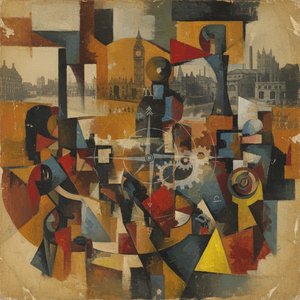
David Bomberg: Reassessing the Pioneering Spirit of Early British Abstraction
Explore the groundbreaking work of David Bomberg, a pivotal figure in British abstraction. Discover his artistic evolution, influences, and lasting legacy through insightful analysis & expert commentary.

Romantische Landschaften: Die 10 Meisterwerke, die eine Epoche prägten | OriginalUniqueArt
Entdecken Sie die 10 Meisterwerke der Romantischen Landschaftsmalerei! Von Caspar David Friedrich bis Turner – erleben Sie die Kunst, Emotion & Natur. Hochwertige Reproduktionen auf OriginalUniqueArt.com


