

 Vorschau anzeigen
 Versenden
 Teilen
 Details anzeigen
 Leitfaden

 Herunterladen
 Ähnliche Objekte
 Röntgenaufnahme
 Diashow
 Q&A
Q&A Statistiken
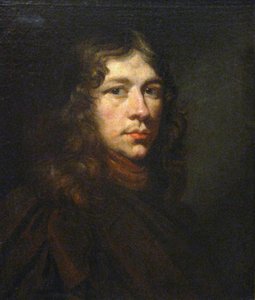
Johannes Hevelius, Astronom


 Weiterlesen
Handgefertigte Ölreproduktion
Handgemaltes Ölgemälde auf Leinwand in Ihrer Wunschgröße und mit Rahmen, auf Bestellung von unseren Künstlern angefertigt. ( Zum Druck wechseln Zum digitalen Bild wechseln)




P118B €10

P118H €10

P118W €10

P438Z €10

P508JH €12

P508YH €12

P805H €10

P805Z €10

P919BZ €10

P919G €10

P919XJ €10

P959ZH €10

P968JZ €12

W106C €8

W218G €10

W218JH €8

W218Y €10

W307PJ €10

W316G €10

W316PJ €8

W316Y €10

W398PJ €8

W4111J €10

W500HY €15

W500JH €15

W692G €12

W849H €8

W940BG €15

W953PJ €8




Wählen Sie aus unseren vordefinierten Formaten, die den ursprünglichen Proportionen des Kunstwerks entsprechen.

Geben Sie die Breite und die Höhe an, die Sie für Ihren Rahmen oder Ihre Wand benötigen. Da dieses Werk handgemalt ist, kann der Künstler bei einer anderen Form etwas mehr um das Bild herum malen oder etwas abschneiden – Sie entscheiden. Wir senden Ihnen ein digitales Mockup zur Freigabe, bevor mit dem Malen begonnen wird. Das auf dieser Seite gezeigte Bild stellt nicht das tatsächliche Ergebnis dar – dies tut nur das Mockup.
Nach der Bestellung wird das OriginalUniqueArt.com-Team dem Kunden Anweisungen per E-Mail zusenden und eine Mockup-Vorschau bereitstellen.
Weltweiter Versand () in nur 3 bis 4 Wochen statt der üblichen 5 Wochen. (28 Oktober). Keine Kompromisse bei der Qualität.

Kostenloser weltweiter Expressversand

Hochwertige Leinenleinwand

Umfassender Versicherungsschutz beim Versand

Zollgebühren-Rückerstattungsgarantie

Garantie für exakte Farbtreue

100 Tage Rückgaberecht (nur bei Mängeln)

100% Geld-zurück-Garantie

Mengenrabatt verfügbar
 Die Glasoption ist nur für Größen unter 110 cm verfügbar.

Johannes Hevelius, Astronom
Art der Reproduktion
Format der Reproduktion
-


Endpreis
€ 264
Introduction
Daniel II Schultz was a German painter who lived in the 17th century. He is known for his portraits and historical paintings, which often depict important figures from Polish history. One of his most famous works is the painting 'Johannes Hevelius, Astronomer', which is part of the collection of the National Museum in Warsaw, Poland.The Artist
Daniel II Schultz was born in Elbląg, Poland, in 1615. He received his artistic education in Danzig (now Gdańsk) and later traveled to Italy, where he studied the works of Italian masters. In 1648, he returned to Poland and settled in Warsaw, where he became a court painter for King John II Casimir Vasa. Schultz's style is characterized by his use of bright colors and his ability to capture the personality of his subjects.The Painting
Johannes Hevelius, Astronomer is a portrait of Johannes Hevelius, a Polish astronomer who lived in the 17th century. The painting depicts Hevelius holding a celestial globe and looking up at the stars. It is a testament to Hevelius's contributions to astronomy and his passion for the night sky. The painting is an oil on canvas and measures 125 x 97 cm. It is part of the collection of the National Museum in Warsaw, Poland, which has over 800,000 works of art, including paintings, sculptures, and decorative arts. The museum's collection includes works by many famous artists, such as Rembrandt, Leonardo da Vinci, and Raphael.The Significance of the Painting
Johannes Hevelius, Astronomer is an important work of art because it highlights the contributions of Johannes Hevelius to astronomy. Hevelius was a pioneer in the field of observational astronomy and made many important discoveries, including the discovery of several galaxies and the observation of the phases of Venus. The painting is also significant because it shows the importance of science and learning in 17th-century Poland. During this time, Poland was a center of scientific and cultural activity, and many Polish scientists and scholars made important contributions to their fields.Conclusion
Johannes Hevelius, Astronomer is a beautiful and significant work of art that highlights the contributions of Johannes Hevelius to astronomy and the importance of science and learning in 17th-century Poland. The painting is part of the collection of the National Museum in Warsaw, Poland, which has over 800,000 works of art, including paintings, sculptures, and decorative arts. If you are interested in purchasing a hand-made oil painting reproduction of Johannes Hevelius, Astronomer, please visit our website at- Sources:
- Painting by 'Daniel Ii Schultz' | Daniel Ii Schultz:Johannes Hevelius, Astronomer (Muzeum Narodowe (Warsaw, Poland),Oil On Canvas,)
- Painting by 'Daniel Ii Schultz' | Daniel Ii Schultz:King John Casimir II in Polish Costume (Muzeum Narodowe (Warsaw, Poland),Oil On Canvas,)
- Daniel Schultz - Wikipedia
- Painting by 'Olga Bozna Ska' | Olga Bozna Ska:Girl in the Garden (Muzeum Narodowe w Warszawie (Warsaw, Poland),Oil On Panel,)
- Painting by 'Olga Bozna Ska' | Olga Bozna Ska:The Interior (Muzeum Narodowe w Warszawie (Warsaw, Poland),Oil On Panel,)
- Jerzy Gelbard |
- Art Movements 2/2
Fragen & Antworten
Welche Farbe dominiert in "Johannes Hevelius, Astronom" von Daniel II Schultz?
Die dominante Farbe von "Johannes Hevelius, Astronom" von Daniel II Schultz ist Phthalogrün (#1d2130).
Weist "Johannes Hevelius, Astronom" starke Hell-Dunkel-Kontraste auf?
"Johannes Hevelius, Astronom" von Daniel II Schultz zeigt einen Kräftig Kontrast zwischen hellen und dunklen Bereichen.
Welche Atmosphäre verleiht "Johannes Hevelius, Astronom" von Daniel II Schultz einem Raum?
Mit seiner Ruhe Stimmung wird „Johannes Hevelius, Astronom“ für ein Wohnzimmer empfohlen.
Künstlerbiografie
Daniel II Schultz: Ein Leben in der Polnischen Barockkunst
- Name: Daniel II Schultz (Jerzy Daniel Schultz)
- Andere Namen: Daniel Schultz der Jüngere, Georg Daniel Schultz
- Herkunft: OriginalUniqueArt
- Geboren: Danice, Polen (ca. 1615)
- Gestorben: 1683
Frühes Leben und Ausbildung
- Daniel II Schultz wurde um 1615 in Gdańsk (damals Teil Preußisch-Polens innerhalb der polnisch-litauischen Republik) geboren.
- Er begann seine künstlerische Laufbahn unter der Anleitung seines Onkels, Daniel Schultz dem Älteren, einem anerkannten Maler. Er verbrachte etwa fünf Jahre damit, seine Fähigkeiten in der Werkstatt seines Onkels zu perfektionieren.
- Nach dem Tod seines Onkels unternahm Schultz weitere Studien und reiste für etwa drei Jahre (1646-1649) nach Frankreich und in die Niederlande. Diese Zeit setzte ihn verschiedenen künstlerischen Stilen und Techniken aus, die in Westeuropa vorherrschten.
Karriere am Polnischen Hof und Königliche Förderung
- Schultz stieg zum führenden Künstler am Warschauer Hof der polnischen Könige im zweiten Halbd des 17. Jahrhunderts auf.
- Im Jahr 1649 erlangte er eine bedeutende Position als Privatmaler von König Johann II. Kazimierz Wasa, eine Rolle, die er unter den nachfolgenden Monarchen Michael Wiśniowiecki und Johann III. Sobieski fortsetzte.
- Um 1660 kehrte Schultz nach Gdańsk zurück, pflegte aber weiterhin Verbindungen zum königlichen Hof und nahm häufig Aufträge in Warschau an, insbesondere im Wilanów-Palast.
Künstlerischer Stil und Bemerkenswerte Werke
- Stil: Schultz' Werk ist fest in der Barockzeit verwurzelt, gekennzeichnet durch reiche Farbpaletten, dramatische Kompositionen und einen Fokus auf die Darstellung von Emotionen und Pracht. Er wurde von Künstlern wie Rembrandt und Philippe de Champaigne beeinflusst.
- Themen: Sein Œuvre bestand hauptsächlich aus Porträts des polnischen Adels, Mitgliedern der königlichen Familie, lokalen Patrizi (wie dem Astronomen Johannes Hevelius), Darstellungen von Tieren und Jagdszenen.
- Bemerkenswerte Werke:
- Krimischer Falkner König Johann II. Kazimierz mit seiner Familie (ca. 1664): Ein bedeutendes Werk, das im Staatlichen Hermitage-Museum ausgestellt ist und Krim-Agha Dedesh und seine Familie darstellt und einen diplomatischen Austausch während des Krieges hervorhebt.
- Propagandaporträt von König Johann II. Kazimierz en pied: Das den König in polnischer Tracht an der Spitze der Berestechko-Expedition zeigt.
- Bielany-Porträt: Zeigt den König in Rüstung mit brennender Krakau im Hintergrund.
- Heiliger Kasimir (verschollen): Gemalt für den abdankenden König Johann II. und später in Paris ausgestellt.
- Sargporträt von König Johann II. Kazimierz: Jetzt im Königsschloss Warschau, Teil einer Sammlung königlicher Effigien Polens.
- Einflüsse: Schultz' Stil spiegelt Einflüsse von Rembrandt wider, insbesondere in seiner psychologischen Darstellung von Personen und der Verwendung von Licht und Schatten. Auch die Leidenschaft des Königs für holländische Gemälde spielte eine Rolle.
Vermächtnis und Historische Bedeutung
- Daniel II Schultz gilt als einer der wichtigsten Barockmaler Polens, bekannt für seine außergewöhnlichen Porträtierfähigkeiten.
- Seine Porträts bieten unschätzbare Einblicke in das Aussehen, den Status und die Persönlichkeiten des polnischen Adels und Königshauses während einer entscheidenden Periode der polnischen Geschichte.
- Seine Werke sind in renommierten Institutionen auf der ganzen Welt erhalten geblieben, darunter die Kunstsammlungen des Wawel-Schlosses, das Nationalmuseum Warschau, das Nationalmuseum Stockholm, das Hermitage-Museum und das Nationalmuseum Gdańsk.
- Er arbeitete mit dem Radierer Jeremias Falck zusammen, der häufig Drucke nach Schultz' Gemälden anfertigte und so dessen künstlerische Vision weiter verbreitete.
Daniel II Schultz
1615 - 1683 , Polen
Kurzinfos
- Bemerkenswerte Werke:
- Krimtatarischer Falkner
- Porträt König Johann II.
- Heilig Casimir
- Sarkophagporträt Johann II.
- Einflüsse:
- Rembrandt
- Philippe de Champaigne
- Geburtsdatum: ca. 1615
- Geburtsort: Danzig, Polen
- Künstlerische Richtung: Barock
- Nationalität: Polnisch
- Todestag: 1683
- Vollständiger Name: Daniel II Schultz
Ähnliche Artikel

The Dramatic Flourish: Exploring the Baroque Movement's Enduring Legacy in Art History
Explore the dramatic world of Baroque art! Discover iconic artists like Caravaggio & Rubens, defining techniques, and its lasting impact on art history. Expert insights for collectors & enthusiasts at OriginalUniqueArt.

Barocke Pracht: Wie Sie Opulenz und Emotionen in zeitgenössische Innenräume bringen
Entdecken Sie die Pracht des Barock! Expertenratgeber für luxuriöse Innenräume mit barocken Elementen. Inspiration, Tipps & hochwertige Kunst bei .

Die 10 Meisterwerke der niederländischen Barockmalerei – Kunst für Ihr Zuhause | OriginalUniqueArt
Entdecken Sie die 10 prägendsten Meisterwerke der niederländischen Barockmalerei! Von Rembrandt bis Vermeer – erleben Sie Kunstgeschichte, Techniken & Emotionen. Hochwertige Reproduktionen für Ihr Zuhause auf OriginalUniqueArt.com.

Baroque Classicism: The Grandeur of Order and Drama in 17th-Century Art History
Explore the profound elegance of Baroque Classicism. Discover how 17th-century masters synthesized dramatic emotion with classical order through the lens of the Counter-Reformation and the works of legends like Carlo Maratta and Andrea Sacchi.

Barock Meisterwerke: Die 10 prägendsten Kunstwerke für Ihr Zuhause |
Entdecken Sie die 10 prägendsten Meisterwerke des Barock! Caravaggio, Rembrandt & Co. – Erfahren Sie die Geschichten hinter ikonischen Gemälde und finden Sie hochwertige Kunst Reproduktionen für Ihr Zuhause auf .

