
 Vorschau anzeigen
 Versenden
 Teilen
 Details anzeigen

 Herunterladen
 Ähnliche Objekte
 Röntgenaufnahme
 Diashow
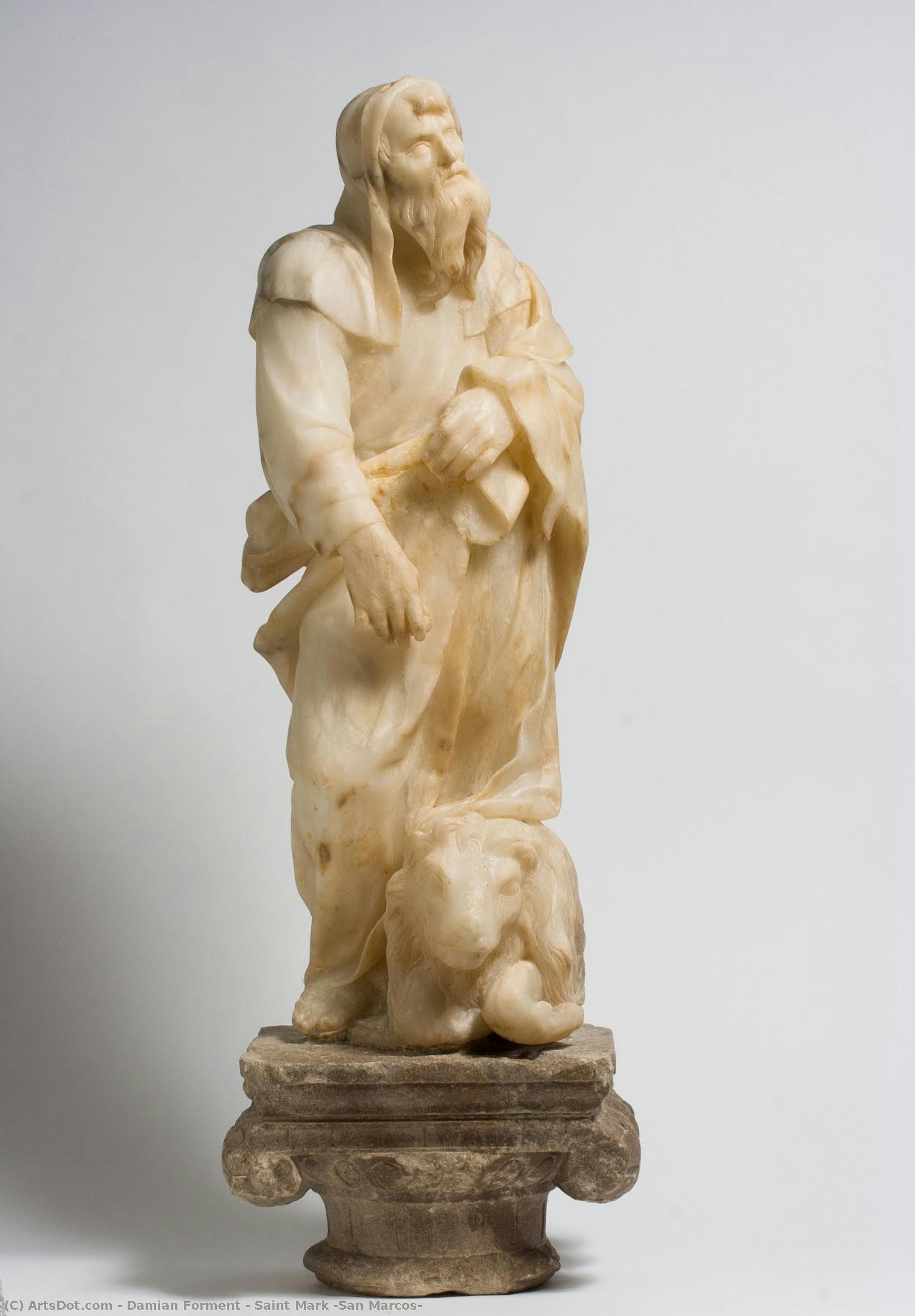
Saint Mark (San Marcos)
 24.0 x 85.0 cm
 Zaragoza Museum
 Weiterlesen
Handgefertigte Ölreproduktion
Handgemaltes Ölgemälde auf Leinwand in Ihrer Wunschgröße und mit Rahmen, auf Bestellung von unseren Künstlern angefertigt. ( Druck bestellen Bild kaufen)




































Wählen Sie aus unseren vordefinierten Formaten, die den ursprünglichen Proportionen des Kunstwerks entsprechen.

Sie können Ihre eigenen Maße eingeben, um einen bestimmten Rahmen oder Platz auszufüllen. Wenn die gewählte Größe nicht den Proportionen des Originalbildes entspricht, werden wir das Kunstwerk entweder beschneiden oder das Gemälde durch zusätzliche, handgemalte Elemente erweitern. Ein digitales Mockup wird Ihnen zur Genehmigung zugesandt, bevor die Produktion beginnt.
Bitte beachten Sie, dass die Bildschirmvorschau nicht die tatsächliche Beschneidung oder Erweiterung widerspiegelt. Nur das Mockup zeigt die endgültige Komposition exakt an.
Obwohl Sondermaße verfügbar sind, empfehlen wir, eine Größe aus der vordefinierten Liste zu wählen, um die ursprünglichen Proportionen beizubehalten.
Nach der Bestellung wird das OriginalUniqueArt.com-Team dem Kunden Anweisungen per E-Mail zusenden und eine Mockup-Vorschau bereitstellen.
Weltweiter Versand () in nur 3 bis 4 Wochen statt der üblichen 5 Wochen. (17 August). Keine Kompromisse bei der Qualität.

Kostenloser weltweiter Expressversand

Hochwertige Leinenleinwand

Umfassender Versicherungsschutz beim Versand

Zollgebühren-Rückerstattungsgarantie

Garantie für exakte Farbtreue

60 Tage Rückgaberecht (nur bei Mängeln)

100% Geld-zurück-Garantie

Mengenrabatt verfügbar
 Die Glasoption ist nur für Größen unter 110 cm verfügbar.

Saint Mark (San Marcos)
Art der Reproduktion
Format der Reproduktion
-


Gesamtpreis
$ 300
Über den Künstler
Damián Forment: Bridging Gothic and Renaissance Splendor
Damián Forment (c. 1480 – 1540) stands as a monumental figure in Spanish art history, recognized unequivocally as the nation’s most prominent sculptor of the sixteenth century. He wasn't merely an artisan; he was a transformative force who skillfully blended the grandeur of Gothic tradition with the burgeoning innovations of Renaissance aesthetics—a synthesis that profoundly impacted religious sculpture across Spain and cemented his legacy as one of the era’s foremost masters. Born in Valencia, Forment’s formative years were steeped in the artistic fervor of Rome and Florence, experiences which instilled within him a deep understanding of classical ideals and techniques. Upon returning to his homeland, he established himself as a prolific sculptor based primarily in Zaragoza, where he cultivated a workshop that nurtured generations of talent and produced an astonishing array of masterpieces.Early Training & Influences: The Seeds of Innovation
Forment’s artistic education began in Rome, exposing him to the humanist principles championed by Leonardo da Vinci and Michelangelo—influences evident in his meticulous attention to anatomical detail and his embrace of idealized forms. His unwavering dedication to realism, coupled with a profound appreciation for classical proportions, foreshadowed the stylistic breakthroughs that would characterize his subsequent endeavors. The rediscovery of Greco-Roman sculpture served as an irresistible catalyst, prompting him to meticulously study the techniques employed by masters like Donatello and Michelangelo—a pursuit that fundamentally shaped his artistic vision. His subsequent travels to Florence further honed his skills under Lorenzo Ghiberti and Filippo Brunelleschi, immersing him in the revolutionary architectural vision of the Renaissance. The soaring arches and harmonious proportions of Brunelleschi’s Duomo instilled within Forment a conviction that beauty could be achieved through rational calculation—a belief that would permeate his sculptural output for decades to come.The Basilica of Our Lady of Pilar: A Synthesis of Tradition
Forment’s career ascended to prominence with his monumental alabaster altar for Zaragoza's Basilica of Our Lady of the Pillar (1509–12). This ambitious undertaking served as a pivotal demonstration of his mastery, mirroring the soaring grandeur of Gothic cathedrals while simultaneously incorporating Renaissance compositional strategies—a deliberate homage to architectural precedents. The basilica’s towering nave and intricate stained glass windows represented the culmination of centuries of artistic endeavor, yet Forment skillfully adapted these elements to create an altar that radiated both solemn piety and refined elegance. He meticulously crafted figures embodying saints and biblical narratives with breathtaking realism, demonstrating a mastery of sculptural technique unparalleled in his time—a testament to his unwavering commitment to excellence. The altar’s intricate detailing and masterful execution solidified Forment's reputation as one of the foremost sculptors of his era.Zaragoza’s Artistic Patronage: A Crucible of Creativity
Zaragoza became Forment’s artistic epicenter, attracting considerable patronage from ecclesiastical dignitaries like Bishop Jaime Conchillos. This generous support enabled him to undertake numerous monumental commissions—altarpieces for prominent churches throughout the region—each reflecting his evolving stylistic sensibilities. He established a workshop that fostered collaboration among skilled artisans and nurtured generations of talent, producing an astonishing array of sculptures in alabaster and wood that continue to inspire admiration today. The patronage of Conchillos wasn’t merely financially advantageous; it provided Forment with access to invaluable artistic inspiration—a connection that fueled his creative output for the remainder of his life.Legacy & Significance: An Enduring Influence
Damián Forment’s enduring influence extends beyond his individual creations. He fundamentally reshaped the artistic landscape of Spain, elevating standards of craftsmanship and inspiring subsequent sculptors to embrace both Gothic grandeur and Renaissance refinement—a testament to his unparalleled contribution to Spanish art history. His work continues to captivate audiences today, offering a window into the intellectual and aesthetic currents that defined the sixteenth century. Forment’s legacy resides not only in the magnificent sculptures he produced but also in the transformative impact he had on the artistic culture of Spain—a legacy that secures his place among the titans of European art. His meticulous attention to detail and unwavering dedication to stylistic innovation ensured that his work would resonate across generations, cementing his position as one of the most celebrated sculptors of all time.
Damián Forment
1480 - 1540 , Spanien
Kurzinfos
- Artistic Movement Or Style: Renaissance & Mannerismus
- Artists Or Movements Influenced By This Artist: ['Gothic Art']
- Artists Who Influenced This Artist: ['Giovanni Battista Pontifical']
- Date Of Birth: Valencia, Spanien (c. 1480)
- Date Of Death: Santo Domingo de la Calzada, Spanien (um 1540)
- Full Name: Damián Forment
- Nationality: Spanier
- Notable Artworks:
- Altar der Basilika Unser Lieben Frau von Pilar
- Saint Luke
- Place Of Birth: Valencia

