

 Vorschau anzeigen
 Versenden
 Teilen
 Details anzeigen
 Leitfaden

 Herunterladen
 Ähnliche Objekte
 Röntgenaufnahme
 Diashow
 Statistiken
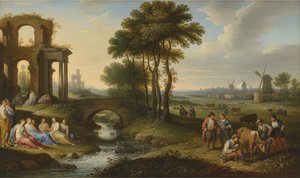
Landscape with Nymphs
 Oil On Canvas
- WallArt
- Baroque
 1650
1650- Early Modern
 22.0 x 29.0 cm
 Wallraf-Richartz-Museum
 Weiterlesen
Giclée / Kunstdruck
Giclée- oder Leinwanddruck in Museumsqualität mit schneller Produktion und flexiblen Veredelungsoptionen. ( Handgemalte Reproduktion bestellen Zum digitalen Bild wechseln)




P118B €10

P118H €10

P118W €10

P438Z €10

P508JH €12

P508YH €12

P805H €10

P805Z €10

P919BZ €10

P919G €10

P919XJ €10

P959ZH €10

P968JZ €12

W106C €8

W218G €10

W218JH €8

W218Y €10

W307PJ €10

W316G €10

W316PJ €8

W316Y €10

W398PJ €8

W4111J €10

W500HY €15

W500JH €15

W692G €12

W849H €8

W940BG €15

W953PJ €8




Wählen Sie aus unseren vordefinierten Formaten, die den ursprünglichen Proportionen des Kunstwerks entsprechen.

Geben Sie die benötigte Breite und Höhe an, damit der Druck perfekt in Ihren Rahmen oder an Ihre Wand passt. Ein Druck kann nur beschnitten, aber niemals größer als das Originalbild angefertigt werden; daher verliert ein Format mit anderen Proportionen einen Teil des Bildes. Wir senden Ihnen ein digitales Mockup zur Freigabe, bevor wir den Druck ausführen. Das auf dieser Seite gezeigte Bild zeigt nicht den tatsächlichen Beschnitt – dies ist nur im Mockup ersichtlich.
Weltweiter Versand () innerhalb von 2 Wochen statt der üblichen 4/5 Wochen. (27 Oktober)

Kostenloser weltweiter Expressversand

Hochwertige Leinenleinwand

Umfassender Versicherungsschutz beim Versand

Zollgebühren-Rückerstattungsgarantie

Garantie für exakte Farbtreue

100 Tage Rückgaberecht (nur bei Mängeln)

100% Geld-zurück-Garantie

Mengenrabatt verfügbar
 Die Glasoption ist nur für Größen unter 110 cm verfügbar.

Landscape with Nymphs
Giclée / Kunstdruck
Format der Reproduktion
-


Endpreis
€ 70
A Vision of Pastoral Serenity: Exploring the Landscape with Nymphs
To gaze upon this depiction of a landscape with nymphs is to step through a veil into an idealized moment plucked from classical mythology. The scene unfolds as a breathtaking tableau of natural beauty, where human figures seem utterly at ease within the embrace of nature. At its heart lie two primary figures: one reclining gracefully on the left, embodying repose, while a standing male figure accompanies her on the right. They are enveloped by an exquisite outdoor setting, suggesting a secluded haven far from the clamor of the everyday world. Scattered throughout this picturesque vista are other figures, some appearing intimately close in the foreground, others receding into the soft distance, adding depth and narrative complexity to the composition.
The Allure of Myth and Landscape Tradition
This work channels the enduring fascination with pastoral life, a theme that captivated artists for centuries. The presence of nymphs—mythological spirits intrinsically linked to nature—elevates the scene beyond mere portraiture; it becomes an allegory of natural harmony. Cornelis van Poelenburch, whose mastery is evident here, was deeply influenced by his travels through Italy. His style often imbued Dutch landscapes with a distinctly Romanate flavor, transforming local scenery into something grander, more mythologically resonant. The inclusion of the animal near the center-right anchors the scene in tangible reality while the nymphs suggest an eternal, timeless state of grace.
Mastery in Technique and Atmosphere
Van Poelenburch’s technique allows the viewer to feel the very air of this 1650 piece. The handling of light across the varied textures—the soft drapery of the figures, the lush foliage, the distant hazy hills—speaks to a highly skilled hand. While the composition is populated with life and activity, the overall atmosphere remains profoundly serene and peaceful. This careful balance between narrative detail and tranquil mood is what gives the painting its enduring emotional pull. It invites contemplation, suggesting that true joy can be found in quiet communion with beautiful surroundings.
Bringing Arcadia Home: Decorating with Timeless Myth
For those seeking to infuse a space with an air of cultivated elegance or classical romance, this reproduction offers unparalleled depth. The subject matter—the idyllic gathering of nymphs—resonates beautifully in drawing rooms, studies, or any area meant for quiet contemplation. Its scale (22 x 29 cm) makes it a perfect focal point without overwhelming a mantelpiece or gallery wall. Owning a piece echoing Van Poelenburch’s vision is not merely decorating; it is curating an atmosphere—a breath of idealized Arcadia for your modern sanctuary.
Fragen & Antworten
Erlaubt das Urheberrecht von "Landscape with Nymphs" von Cornelis Van Poelenburgh Reproduktionen?
Das Original "Landscape with Nymphs" befindet sich im Wallraf-Richartz-Museum; das Werk ist gemeinfrei – das Urheberrecht ist abgelaufen.
Welche Stellung nimmt „Landscape with Nymphs“ unter den wiederkehrenden Motiven von Cornelis Van Poelenburgh ein?
"Landscape with Nymphs" stellt landscape, nymphs, mythology, outdoor scene, figures, pastoral, italianate dar, während die dokumentierten Themen von Cornelis Van Poelenburgh roman influence on landscape, mythological figures enjoying nature, small scale italianate scenes, nymphs bathing in arcadia sind. Ein Vergleich der beiden zeigt, wie das Werk mit den üblichen Sujets des Künstlers in Verbindung steht.
Welche Farbpalette wird in "Landscape with Nymphs" verwendet?
Die Farben von "Landscape with Nymphs" bilden eine Earthy-Palette. Diese Klassifizierung beschreibt die dominierenden Farbfamilien.
Künstlerbiografie
Early Life and Artistic Training
Cornelis van Poelenburgh, eine herausragende Figur der niederländischen Landschaftsmalerei des 17. Jahrhunderts, wurde im Winter von 1594 bis 1595 in Utrecht geboren. Sein Vater, Simon van Poelenburch, war ein angesehener Canon der Ulmer Kathedrale, was die familiäre Verbindung zu den künstlerischen Traditionen der Stadt offenbarte. Cornelis erhielt seine frühe Ausbildung bei Abraham Bloemaert, einem renommierten Maler seiner Zeit, dessen Einfluss sich deutlich in den frühen Werken des jungen Künstlers zeigt. Bloemaerts’ Werk zeichnete sich durch eine dynamische Farbgebung und eine lebendige Darstellung der Natur aus – Elemente, die auch in den Anfängen von van Poelenburghs Stil zu finden sind. Diese formative Phase legte den Grundstein für seine spätere Entwicklung als Vertreter der sogenannten “italianisierten” niederländischen Landschaftsmalerei.The Roman Period and Artistic Influences
Ein entscheidender Wendepunkt in Cornelis van Poelenburghs Leben und künstlerischer Laufbahn war seine Reise nach Rom im frühen 17. Jahrhundert. Dort tauchte er ein in die Kunstwelt der italienischen Renaissance, insbesondere in die Werke von Künstlern wie Adam Elsheimer, dessen dramatische Lichtführung und die Darstellung von mythologischen Szenen ihn nachhaltig beeindruckten. Van Poelenburgh schloss sich dem jungen niederländischen Künstlerverband “Schildersbent” an, einer Gemeinschaft, die für ihre ausgelassenen Feste und ihren regen Austausch bekannt war. Diese Zeit in Rom prägte seinen Stil maßgeblich und führte zu einer Hinwendung hin zu italienischen Motiven und Techniken. Die Begegnung mit Peter Paul Rubens im Jahr 1627, begleitet von Joachim van Sandrart, bestätigte seine Anerkennung als Künstler und trug zur Etablierung seines Rufs bei.Style and Notable Works
Van Poelenburghs Malstil zeichnet sich durch eine besondere Sensibilität für Licht und Farbe aus. Er bevorzugte kleine Formate, oft auf Kupferplatten ausgeführt, und schuf idyllische Landschaften, die von biblischen oder mythologischen Geschichten erzählt wurden. Häufig stellte er nackte Figuren in archaischen Landschaften dar – ein typisches Merkmal seiner Werke. Zu seinen bekanntesten Gemälden zählen “Satyrs spying on nymphs” (um 1627), das eine suggestive Szene aus der griechischen Mythologie zeigt, und “Council of the gods” (ca. 1630), in dem er eine idealisierte Hügellandschaft mit römisch inspirierten Göttinnen darstellt. Diese Werke sind Zeugnisse seiner einzigartigen künstlerischen Vision und wurden von seinen Zeitgenossen hoch geschätzt. Das Gemälde "Die sieben Kinder des Winterkönigs" (1628) ist ein weiteres Beispiel für seine Fähigkeit, mythologische Szenen in eine harmonische Landschaft zu integrieren.Legacy and Recognition
Cornelis van Poelenburgh erfreute sich während seines Lebens großer Anerkennung und wurde von bedeutenden Persönlichkeiten wie dem Großherzog von Toscana und dem niederländischen Statthalter gelobt. Nach seiner Rückkehr nach Utrecht, wo er 1667 starb, blieb sein Werk weiterhin in Erinnerung und wurde von seinen Schülern und Nachfolgern imitiert. Seine Gemälde finden sich heute in renommierten Museen auf der ganzen Welt, darunter die Pinakothek der Alten Meister in München und das Mauritshuis in Den Haag. Van Poelenburghs Einfluss auf die niederländische Kunst des 17. Jahrhunderts ist bis heute spürbar, und seine Werke werden weiterhin für ihre Schönheit und ihren künstlerischen Wert bewundert.
Cornelis Van Poelenburgh
1594 - 1667 , Niederlande
Kurzinfos
- Artistic Movement Or Style: Dutch Landschafts-Malerei
- Artists Or Movements Influenced By This Artist: ['Italienate Malerei']
- Artists Who Influenced This Artist: ['Abraham Bloemaert']
- Date Of Birth: 1594/1595 Utrecht
- Date Of Death: 1667 Utrecht
- Full Name: Cornelis van Poelenburgh
- Nationality: Niederländer
- Notable Artworks:
- Satyrs spying nymphs
- Council der Götter
- Place Of Birth: Utrecht Niederlande
Ähnliche Artikel

Golden Light & Dutch Skies: The Timeless Magic of Dutch Golden Age Landscapes
Discover the breathtaking beauty of Dutch Golden Age landscapes. Explore the mastery of light, chiaroscuro, and 17th-century realism through an expert art history lens, celebrating the enduring legacy of the Dutch Masters for discerning collectors and art lovers.

Die 10 Meisterwerke der niederländischen Barockmalerei – Kunst für Ihr Zuhause | OriginalUniqueArt
Entdecken Sie die 10 prägendsten Meisterwerke der niederländischen Barockmalerei! Von Rembrandt bis Vermeer – erleben Sie Kunstgeschichte, Techniken & Emotionen. Hochwertige Reproduktionen für Ihr Zuhause auf OriginalUniqueArt.com.
Cornelis van Poelenburch: Bridging Mannerism & the Dutch Baroque Landscape
Discover Cornelis van Poelenburch, a pivotal Dutch Baroque landscape painter bridging Mannerism & Italianate styles. Explore his life, key works, and lasting influence on 17th-century art with OriginalUniqueArt.

Golden Light & Dutch Skies: Bringing the Magic of Dutch Golden Age Landscapes into Your Home
Transform your home with the breathtaking light of Dutch Golden Age landscapes. Discover how hand-painted oil reproductions of masterworks like Ruisdael and Vermeer bring timeless elegance, atmosphere, and soulful texture to modern interiors. Elevate your space with museum-quality art.

Golden Age Reflections: Dutch Baroque Painting & Cultural Innovation
Explore the Dutch Golden Age of painting! Discover key artists like Vermeer & ter Borch, their innovative techniques, and the rich cultural context behind these Baroque masterpieces. Learn about collecting & appreciating this iconic art period.


